How Long to Wait After Etching Concrete Before Painting
Wait at least 24 hours after etching concrete before painting, up to 72 hours for new concrete or humid, cool weather – older slabs etched with a ready-to-use product can be ready in 12 hours. Acid residue or trapped moisture under paint is the top cause of peeling and blistering. This guide covers the neutralize-and-rinse step most articles skip, how to confirm the surface is truly dry, and the acid-safety rule if you use muriatic acid instead.
How Long to Wait After Etching Concrete Before Painting
The honest answer depends on what you etched and the weather, not a single flat number. For newly poured concrete (under a year old), plan on 24 to 72 hours – the slab is still releasing internal moisture even after the surface looks dry. For an older, fully cured slab, 12 to 24 hours is usually enough once it’s rinsed and air-dried. Humidity above roughly 70% or temperatures under 50°F can stretch either range by another day. If you etched with a ready-to-use product like a cleaner/degreaser/etch combo rather than raw muriatic acid, drying tends to run toward the shorter end of these windows because there’s less liquid volume sitting on the surface to begin with.
Best Concrete Etching Solution
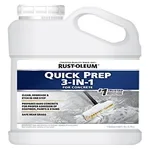 |
Rust-Oleum Quick Prep 3-in-1 Cleaner, Degreaser & Etch, 1 Gallon – $24.99 A combined cleaner/degreaser/etch takes the guesswork out of mixing muriatic acid by hand, so the wait-time ranges above are easier to count on.
|
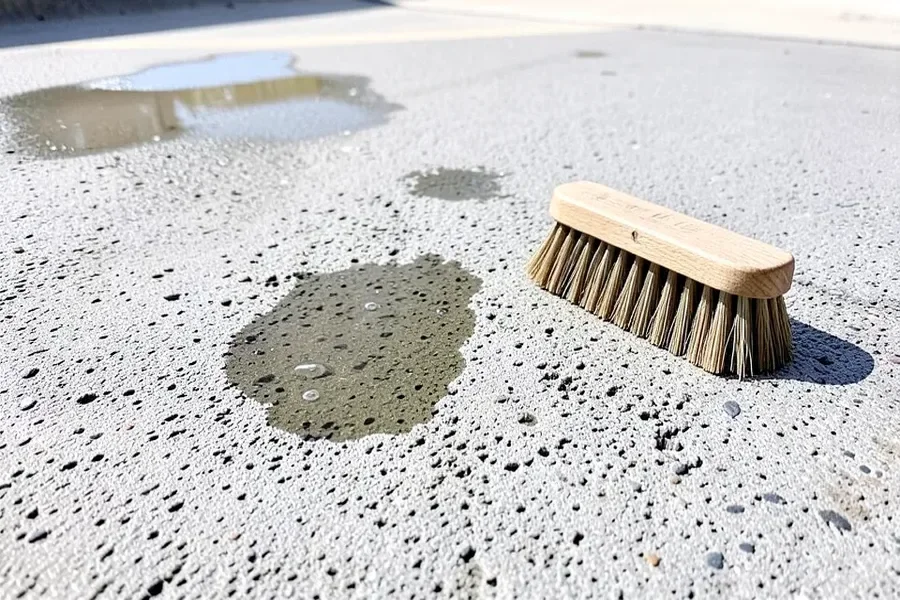
Two ways to check you’re actually ready, beyond just counting hours: press your palm flat on the concrete – if it feels cool or the color looks darker than the surrounding surface, moisture is still trapped below. And look for a faint white, chalky film (efflorescence, or leftover dried etching residue) – if you see it, sweep or vacuum it off before painting, because it will keep new paint from bonding no matter how dry the slab is underneath it.
Neutralize and Rinse Before You Start the Clock
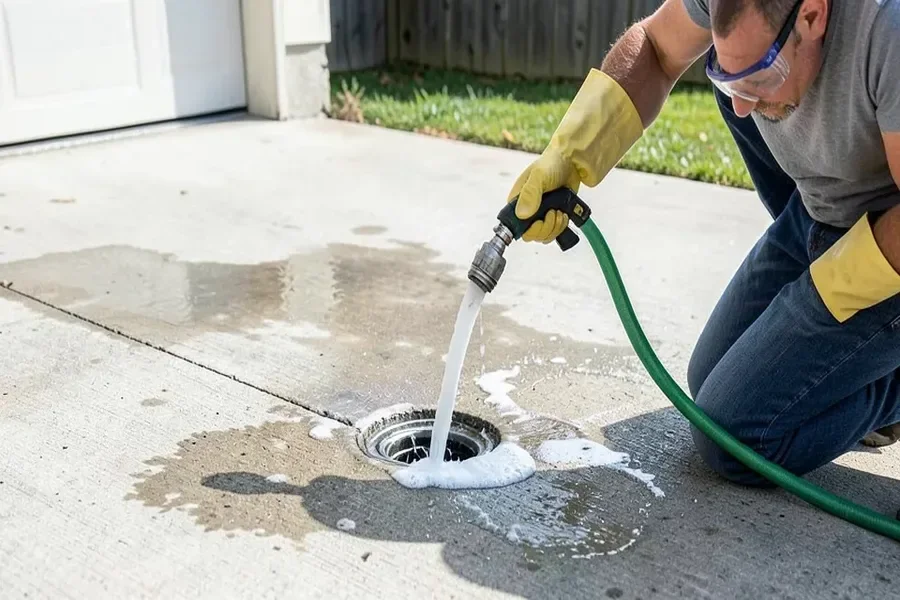
This is the step most quick guides skip, and it’s the reason the same “wait 24 hours” advice doesn’t always work: the drying clock shouldn’t start until the acid is fully neutralized and rinsed off, not just when the bubbling stops. Once the fizzing from the etching reaction slows down, flush the area with water, then go over it again with a mild neutralizing solution – roughly one pound of baking soda per five gallons of water works for muriatic acid. Let that sit on the surface for about ten minutes, then do a final rinse until the runoff no longer feels slippery or soapy.
If you want to confirm neutralization instead of guessing, cheap pH test strips (the kind sold for pools and aquariums) work on the wet concrete after the final rinse. A reading below 6.0 means acid is still trapped in the surface pores and needs another rinse before you start counting drying hours – painting over residual acid is a slower, quieter version of the same peeling problem as painting over standing water.
Acid Safety If You Use Muriatic Acid
A ready-to-use etching product avoids this entirely, but if you’re diluting muriatic acid yourself, the sequence matters for safety, not just for results: always add acid to water, never water to acid. Adding water to concentrated acid can cause a violent, splattering reaction; adding acid slowly into water does not. Wear chemical-resistant gloves and splash-proof eye protection, work in a ventilated area (open the garage door, don’t just crack a window), and keep kids and pets out of the space until the final rinse is done. Mix and pour outdoors or with airflow whenever that’s an option – the fumes are what send most DIYers to look up “muriatic acid safety” after the fact, not before.
Choosing the Right Paint for Etched Concrete
Regular wall paint won’t hold up on a floor. Acrylic concrete paint is the easiest option for most garage floors and driveways – it’s breathable, lets residual slab moisture escape over time, and resists UV fading outdoors. Epoxy coatings are harder and more chemical- and hot-tire-resistant, but they seal the surface completely, so the concrete has to be fully dry and properly etched first or the epoxy will trap moisture underneath and peel. For a full breakdown of primer, coats, and sealing, see our guide on how to paint and seal concrete, and if you’re weighing whether an interior product will hold up outdoors, check whether exterior paint belongs in a garage before you buy.
Painting Techniques for a Finish That Lasts
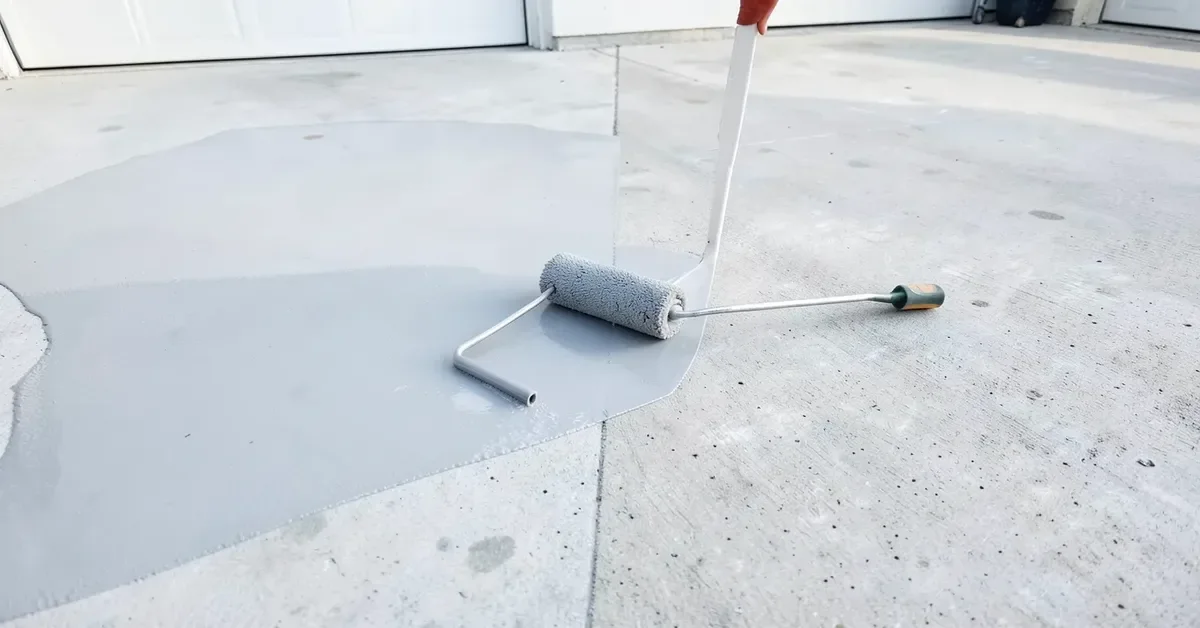
Use a 3/8″ nap roller for the field and a brush for edges and corners. Cut in the edges first, then roll the main area in small sections so you’re always working into a wet edge. Apply a primer coat on bare, etched concrete before the finish coat – it improves adhesion and evens out how much the porous surface absorbs. Let each coat dry fully per the label (usually a few hours, not the same as the etching dry time above) before the next one. If you’re budgeting the project, our garage floor paint cost guide breaks down price per square foot for acrylic vs. epoxy.
Maintaining Painted Concrete
Sweep regularly and mop with mild soap and water – skip harsh solvents or abrasive pads, which can dull or lift the finish early. Small chips can be touched up with matching paint; for actual cracks, fill first with a concrete patch product, let it cure, then paint over the patch. If old paint (not new) is what you’re trying to get off a slab before starting this whole process over, see the best way to get paint off concrete for stripping methods that don’t damage the slab.
Frequently Asked Questions
How Long After Etching Can You Paint Concrete?
Most jobs are ready in 24 to 48 hours, but budget up to 72 hours for new concrete or humid, cool weather, and as little as 12 hours for an older slab in warm, dry conditions. Confirm with a touch test and a check for white residue before you trust the clock alone.
Why Is Neutralizing the Acid Important, Not Just Rinsing?
A plain water rinse can leave the surface pH still acidic even when it looks clean. Acid left in the pores keeps reacting slowly under a fresh coat of paint, which is a common cause of peeling that shows up weeks later instead of immediately. A baking-soda rinse (or a pH test strip check) confirms it’s actually neutralized.
Can Weather Affect Drying Time After Etching?
Yes. High humidity or temperatures under 50°F can add a day or more to any of the ranges above. Warm, dry, breezy conditions push drying toward the shorter end. Always verify with a touch test rather than trusting the calendar alone.
What Happens If You Paint Concrete Too Soon?
Trapped moisture or unneutralized acid under the paint causes blistering, peeling, and poor adhesion, sometimes not until weeks after the job looks finished. It’s cheaper to wait an extra day than to strip and redo a floor that failed from being painted too early.
Conclusion
There’s no single universal wait time – it’s 12 to 72 hours depending on the concrete’s age and the weather, and the clock should only start once the acid is fully neutralized and rinsed, not just when the bubbling stops. Check for coolness, dark spots, and white residue before you paint, and if you’re mixing muriatic acid yourself, always add acid to water, never the reverse. Get the prep right and the paint job itself is the easy part.
Sponsored / affiliate links. As an Amazon Associate I earn from qualifying purchases. I may earn additional commission from eligible campaigns.