What is the Difference between LVP And Vinyl Plank: Unveiled
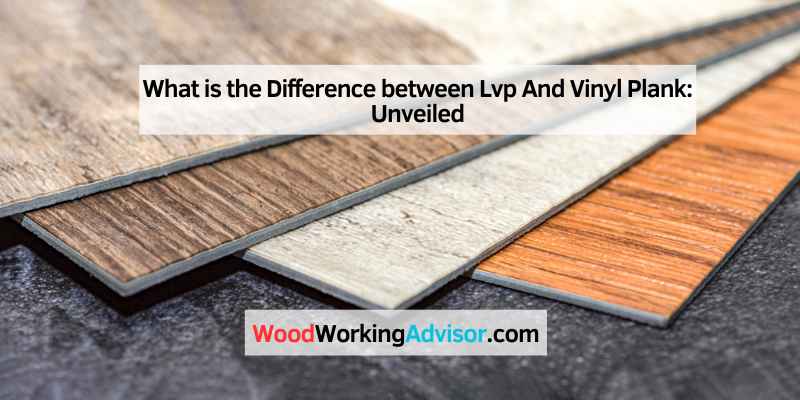
Luxury vinyl plank (LVP) is thicker and more durable than standard vinyl plank flooring. LVP also offers enhanced scratch and dent resistance.
On the other hand, vinyl plank flooring is thinner, feels colder, and lacks the sound-blocking properties of LVP. When deciding between the two, consider the desired level of durability and comfort underfoot. Luxury vinyl plank is ideal for those seeking a high-end hardwood look with superior performance, while standard vinyl plank is a more budget-friendly option suitable for areas with less foot traffic.
In essence, LVP provides a premium feel and durability compared to traditional vinyl plank flooring.
Introduction To LVP And Vinyl Plank
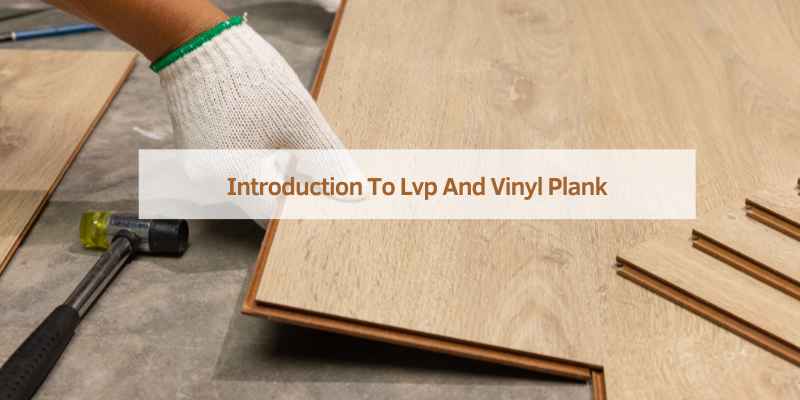
Luxury Vinyl Plank (LVP) and Vinyl Plank are often used interchangeably, but there is a subtle difference between the two. LVP tends to be thicker and more durable, with a click-lock installation system, while Vinyl Plank is thinner and may require glue for installation.
Understanding these differences can help you make the best choice for your flooring needs.
LVP, also known as Luxury Vinyl Plank, and Vinyl Plank are two popular flooring options that have gained significant popularity in recent years. They are both synthetic flooring materials that offer durability, affordability, and a wide range of design options. However, there are some key differences between the two that are important to understand before making a decision.
Understanding LVP
LVP, or Luxury Vinyl Plank, is a type of vinyl flooring that is designed to mimic the appearance of hardwood flooring. It consists of multiple layers, including a durable wear layer, a vinyl core, and a backing layer. The wear layer is what gives LVP its resistance to scratches, stains, and wear. It is available in various plank sizes and can be installed using different methods, including click-lock and glue-down.
One of the main advantages of LVP is its ability to replicate the look and feel of real hardwood flooring at a fraction of the cost. It offers a wide range of design options, including different wood species, colors, and textures. LVP is also known for its durability, making it suitable for high-traffic areas of the home. Additionally, it is water-resistant, making it ideal for areas prone to moisture, such as bathrooms and kitchens.
Exploring Vinyl Plank
Vinyl Plank, on the other hand, refers to the broader category of vinyl flooring that includes both luxury vinyl plank and standard vinyl plank. While LVP is designed to mimic the appearance of hardwood, vinyl plank can resemble various flooring materials, including stone, tile, and concrete. It is available in different sizes and can be installed using different methods, such as glue-down or loose lay.
Unlike LVP, vinyl plank is typically thinner and may not have the same level of durability. It is more affordable compared to LVP and offers a wider range of design options. Vinyl plank is also water-resistant, making it suitable for areas with moisture, but it may not be as resistant to scratches and wear as LVP.
In conclusion, LVP and Vinyl Plank are two popular flooring options that offer durability, affordability, and a wide range of design options. While LVP is designed to mimic the appearance of hardwood flooring, vinyl plank can resemble various materials. Understanding the differences between the two can help you make an informed decision based on your specific needs and preferences.
Composition And Material
LVP, or Luxury Vinyl Plank, is a thicker and more durable material compared to standard vinyl plank. LVP also offers a more realistic wood or stone appearance and is easier to install with its interlocking, glue-free method.
Breaking Down LVP’s Structure
Luxury Vinyl Plank (LVP) is composed of multiple layers, each serving a specific purpose to enhance its durability and performance. The structure of LVP typically consists of the following layers:
1. Wear Layer: Protects the flooring from scratches and dents, ensuring longevity.
2. Vinyl Design Layer: Showcases the realistic wood or stone look that LVP is known for.
3. Core Layer: Provides stability and resilience to the flooring, making it suitable for high-traffic areas.
4. Backing Layer: Enhances the dimensional stability of the planks and adds additional support.
Vinyl Plank Core Components
The core layer of LVP is a crucial component that contributes to the overall quality and performance of the flooring. It is typically made up of the following materials:
– Vinyl: The primary material used in the core layer, known for its water resistance and durability.
– Stone Plastic Composite (SPC): Offers enhanced rigidity and dimensional stability to the planks.
– Wood Plastic Composite (WPC): Provides a softer feel underfoot and better sound absorption compared to SPC.
In summary, the composition of Luxury Vinyl Plank (LVP) includes a wear layer for protection, a design layer for aesthetics, a core layer for stability, and a backing layer for support. The core components of LVP consist of vinyl, SPC, and WPC, each playing a vital role in ensuring the quality and performance of the flooring.
Aesthetic And Design Options
Luxury Vinyl Plank (LVP) is thicker and offers better scratch protection than standard vinyl flooring. On the other hand, Vinyl Plank Flooring (VP) provides a softer feel underfoot and superior sound-blocking properties. The main difference lies in durability and installation ease between the two options.
Visual Appeal Of LVP
When it comes to the aesthetic and design options of luxury vinyl plank (LVP), it is hard to beat its visual appeal. LVP is designed to replicate the look and texture of natural materials such as wood or stone, providing a high-end and luxurious appearance to any space.
With advancements in technology, LVP manufacturers have been able to create stunning and realistic designs that closely resemble the natural patterns and textures of hardwood or stone. From the intricate grain patterns of oak to the rich veining of marble, LVP offers a wide range of options to suit any design preference.
Not only does LVP offer realistic visuals, but it also comes in various colors, shades, and finishes, allowing homeowners and designers to choose from a vast selection of styles to complement their interior decor. Whether you prefer a rustic farmhouse look or a sleek modern aesthetic, LVP has options to cater to every taste.
Design Diversity In Vinyl Planks
Vinyl planks, including luxury vinyl plank (LVP), offer an extensive range of design diversity, making them a versatile flooring choice for any space. With the ability to replicate different materials and styles, vinyl planks provide homeowners with endless options to create their desired look.
One of the notable advantages of vinyl planks is their ability to mimic the appearance of natural materials like hardwood, stone, or tile. These realistic designs allow homeowners to enjoy the beauty of natural materials without the high maintenance or cost associated with them.
Moreover, vinyl planks come in various sizes and shapes, enabling creative installation patterns such as herringbone or chevron, adding a unique and stylish touch to any room. Additionally, they can be installed with or without grout, providing even more design flexibility.
Furthermore, vinyl planks offer a wide range of colors, textures, and finishes, allowing homeowners to find the perfect match for their interior design scheme. Whether you prefer a classic oak look, a contemporary concrete appearance, or a vibrant pattern, vinyl planks have options to suit every style and preference.
In conclusion, when it comes to aesthetic and design options, luxury vinyl plank (LVP) and vinyl planks, in general, offer an impressive array of choices. From their visually appealing and realistic designs to their diverse range of colors, textures, and finishes, these flooring options provide homeowners with the opportunity to create beautiful and personalized spaces.
Installation Process
When it comes to installing luxury vinyl plank (LVP) and vinyl plank flooring, there are some differences in the techniques and methods used. Understanding the variations in the installation process is crucial for achieving a successful and long-lasting flooring application.
LVP Installation Techniques
LVP installation involves several techniques that contribute to its durability and aesthetic appeal. The following methods are commonly used for installing LVP:
- Click and Lock System
- Glue-Down Method
- Floating Floor Installation
Vinyl Plank Laying Methods
When laying vinyl plank flooring, specific methods are employed to ensure a secure and visually pleasing installation. The laying methods for vinyl plank flooring include:
- Loose Lay Installation
- Glue-Down Technique
- Peel and Stick Application
Understanding the distinct installation techniques and laying methods for LVP and vinyl plank flooring is essential for choosing the most suitable option for your space.
Durability And Performance
When it comes to the difference between LVP and vinyl plank, durability and performance are key factors to consider. LVP, or luxury vinyl plank, is thicker and offers better protection against scratches and dents, while vinyl plank is thinner and may not have the same level of durability.
Additionally, LVP often has an interlocking, glue-free installation method, making it easier to install.
Durability and performance are two of the most important factors to consider when selecting a flooring option. When it comes to luxury vinyl flooring, there are two main types to choose from: LVP and vinyl plank. While they may seem similar, there are some key differences between the two when it comes to resilience and endurance.
Assessing LVP’s Resilience
LVP, or luxury vinyl plank, is a thicker and more durable option than traditional vinyl flooring. It typically has a wear layer that protects against scratches and dents, making it a great choice for high-traffic areas. Additionally, LVP is water-resistant, making it ideal for use in kitchens, bathrooms, and other areas prone to moisture.
Vinyl Plank Endurance Factors
Vinyl plank, on the other hand, is thinner and less durable than LVP. It may not have the same wear layer as LVP, making it more susceptible to scratches and dents. However, vinyl plank is still a cost-effective and low-maintenance option that can be a good choice for areas with low foot traffic.
Factors such as installation method and subfloor quality can also impact the durability and performance of both LVP and vinyl plank. It’s important to consider these factors when selecting a flooring option to ensure that it will meet your specific needs and requirements.
In conclusion, when it comes to durability and performance, LVP is the superior choice for areas with high foot traffic and moisture. Vinyl plank can still be a good choice for low-traffic areas, but may not be as resilient in the long run. Ultimately, the decision between LVP and vinyl plank will depend on your budget, lifestyle, and specific flooring needs.
Comfort And Feel Underfoot
Luxury Vinyl Plank (LVP) offers a softer and warmer feel underfoot compared to standard Vinyl Plank. LVP also provides better sound-blocking properties, making it a more comfortable and inviting option for your home.
Comfort and Feel Underfoot is an important factor to consider when choosing between LVP and Vinyl Plank flooring. LVP offers a cushioning effect, making it more comfortable to walk on and reducing noise levels. On the other hand, Vinyl Plank is firmer underfoot, providing a more solid feel that some people prefer.
If you’re looking for a flooring option that feels softer and more comfortable, LVP is a great choice. Its cushioning effect makes it ideal for areas where you’ll be standing for long periods of time, such as the kitchen or laundry room. Additionally, LVP’s sound-blocking properties make it a good option for homes with multiple levels or noisy environments.
Vinyl Plank, on the other hand, is a better choice if you prefer a firmer feel underfoot. It’s also a good option for high-traffic areas, as it is more durable than LVP. Vinyl Plank is also better suited for areas that are prone to moisture, such as bathrooms and basements, as it is more water-resistant than LVP.
In conclusion, when choosing between LVP and Vinyl Plank flooring, it’s important to consider the comfort and feel underfoot. If you prefer a softer, more cushioned feel, LVP is the way to go. If you prefer a firmer feel and need a more durable option, Vinyl Plank may be a better choice.
Cost Comparison
Luxury Vinyl Plank (LVP) is thicker and more durable than standard vinyl flooring, offering enhanced scratch and dent resistance. In contrast, Vinyl Plank provides a softer feel underfoot and superior sound-blocking properties, making it a popular choice for comfort and performance.
LVP Vs. Vinyl Plank Affordability
Luxury Vinyl Plank (LVP) and Vinyl Plank are both popular choices for homeowners due to their affordability. However, there are some differences in cost between the two flooring options.
Value For Money
When it comes to value for money, LVP offers a higher-end look and feel at a fraction of the cost of traditional hardwood or stone flooring. On the other hand, Vinyl Plank provides an affordable flooring solution for those on a tighter budget.
Let’s delve into a cost comparison to understand the differences more clearly:
| Aspect | Luxury Vinyl Plank (LVP) | Vinyl Plank |
|---|---|---|
| Material Cost | $$ – $$$ | $ – $$ |
| Installation Cost | $$ – $$$ | $ – $$ |
| Maintenance Cost | Low | Low |
| Lifespan | 15-25 years | 10-20 years |
While LVP may have a slightly higher upfront cost compared to Vinyl Plank, it offers a longer lifespan and a more luxurious appearance, making it a valuable investment for homeowners.
Maintenance And Care
Maintaining and caring for your flooring is crucial to ensure its longevity and pristine appearance. Both LVP and vinyl plank require regular cleaning and upkeep to preserve their aesthetic appeal and functionality. Let’s delve into the specific maintenance and care routines for each type of flooring.
LVP Cleaning Regime
Luxury Vinyl Plank (LVP) flooring is known for its resilience and low maintenance requirements. Here’s a simple cleaning regime to keep your LVP floors looking their best:
- Regularly sweep or vacuum the floors to remove dirt and debris.
- Use a damp mop with a mild cleaner specifically formulated for LVP.
- Avoid using harsh chemicals or abrasive tools that may damage the protective layer.
- Wipe up spills promptly to prevent staining or damage to the flooring.
Vinyl Plank Upkeep
Vinyl plank flooring also demands routine care to uphold its appearance and durability. Consider the following tips for maintaining your vinyl plank floors:
- Use a doormat at entrances to minimize the amount of dirt and grit brought indoors.
- Regularly sweep or vacuum to prevent dirt buildup and scratches on the surface.
- Wash the floors with a gentle cleaner and avoid excessive water that could seep into the seams.
- Refrain from using abrasive scrubbers or strong chemicals that may cause damage to the vinyl planks.
By adhering to these maintenance guidelines, you can ensure that both LVP and vinyl plank flooring retain their allure and structural integrity for years to come.
Environmental Impact And Sustainability
The difference between Luxury Vinyl Plank (LVP) and Vinyl Plank lies in their thickness and installation method. LVP is thicker with a protective wear layer, offering durability and a softer feel underfoot, while Vinyl Plank is thinner and lacks the interlocking, glue-free installation of Enhanced Vinyl Plank (EVP).
When it comes to choosing the perfect flooring material for your home or office, it is important to consider the environmental impact and sustainability of the options available. Two popular flooring options that are often compared are LVP (Luxury Vinyl Plank) and Vinyl Plank. Both are known for their durability, affordability, and versatility. However, when it comes to their environmental impact and sustainability, there are some key differences to consider.
Eco-Friendly Aspects of LVP
Luxury Vinyl Plank (LVP) is a type of vinyl flooring that is made from synthetic materials such as PVC and plasticizers. While these materials are not biodegradable, LVP is considered to be an eco-friendly flooring option for several reasons. Firstly, LVP is made using a low-emission manufacturing process, which means that it releases fewer harmful VOCs (Volatile Organic Compounds) into the air. Secondly, LVP is 100% recyclable, which means that it can be reused or repurposed at the end of its life cycle. Finally, LVP is highly durable and long-lasting, which means that it requires less frequent replacement and reduces waste.
Vinyl Plank’s Environmental Considerations
Vinyl Plank, on the other hand, is also made from synthetic materials such as PVC and plasticizers. While it is similar to LVP in terms of durability and affordability, it has some environmental considerations that should be taken into account. Firstly, the production process of Vinyl Plank can release harmful chemicals and VOCs into the environment, which can have negative impacts on air quality. Secondly, Vinyl Plank is not biodegradable, which means that it will not decompose in a landfill. Finally, the disposal of Vinyl Plank can be challenging, as it requires special handling to ensure that it does not release harmful chemicals into the environment.
In conclusion, when it comes to the environmental impact and sustainability of LVP and Vinyl Plank, LVP has several eco-friendly aspects that make it a better choice. While both flooring options have their pros and cons, it is important to consider the long-term impact on the environment when making a decision. By choosing a flooring material that is eco-friendly, you can help to reduce your carbon footprint and contribute to a cleaner and healthier planet.
Choosing Between LVP And Vinyl Plank
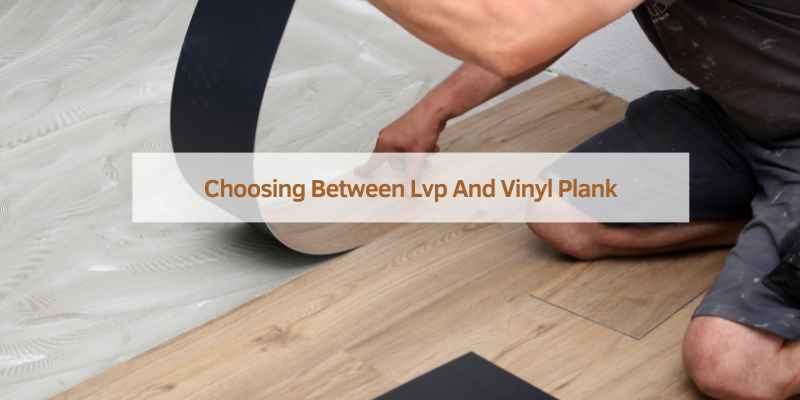
When it comes to choosing the right flooring for your home, there are many options available. Two popular choices are luxury vinyl plank (LVP) and vinyl plank flooring. While they may seem similar, there are some key differences to consider when making your decision.
Deciding Factors For Homeowners
- Price: Vinyl plank flooring is generally less expensive than LVP.
- Durability: LVP is thicker and more durable than vinyl plank flooring, making it a better choice for high-traffic areas.
- Appearance: LVP is designed to mimic the look of natural wood or stone, while vinyl plank flooring has a more uniform appearance.
- Installation: Vinyl plank flooring is easier to install, making it a good choice for DIY projects.
- Maintenance: Both LVP and vinyl plank flooring are easy to maintain, but LVP may require occasional resealing.
Professional Recommendations
While both LVP and vinyl plank flooring have their benefits, many professionals recommend LVP for its superior durability and appearance. It may be a higher initial investment, but it can save you money in the long run by lasting longer and looking better.
Ultimately, the decision between LVP and vinyl plank flooring comes down to your personal preferences and needs. Consider the factors that are most important to you, and choose the option that best fits your lifestyle and budget.
Frequently Asked Questions
Is There A Difference Between Vinyl Plank And Luxury Vinyl Plank?
Vinyl plank is thin, hard, and cold. Luxury vinyl plank is softer, warmer, and offers better sound-blocking properties.
What Type Of Vinyl Flooring Is Best?
Luxury vinyl flooring (LVF) is often the best choice due to its superior appearance and performance. It feels softer underfoot and has better sound-blocking properties compared to standard vinyl. LVF is worth the higher cost for a seamless, waterproof surface, while sheet vinyl is ideal for specific needs.
What Flooring Is Better Than LVP?
Engineered wood flooring offers durability and the look and feel of real wood, making it a great alternative to LVP.
What Is The Difference Between Enhanced Vinyl Plank And Luxury Vinyl Plank?
Enhanced vinyl plank (EVP) and luxury vinyl plank (LVP) are very similar, but with slight differences. EVP is slightly more durable and easier to install due to its interlocking, glue-free method. LVP, on the other hand, is thinner and does not have the same installation method.
Both options offer a realistic imitation of hardwood or stone flooring.
Conclusion
To sum up, the key difference between LVP and vinyl plank lies in their thickness and installation method. LVP offers better durability and a softer feel underfoot compared to standard vinyl flooring. Consider your needs and preferences to choose the best option for your space.