What is the Difference between Mahogany and Sapele: A Detailed Guide
Mahogany and Sapele are popular woods for furniture and musical instruments. Both have unique qualities and appearances.
Understanding the differences between Mahogany and Sapele can help you make better choices for your projects. Mahogany, often praised for its rich, warm color and fine grain, has been a favorite for centuries. Sapele, on the other hand, offers a similar look but with some distinct characteristics.
Knowing these differences can ensure you pick the right wood for your needs. In this post, we will explore the key distinctions between Mahogany and Sapele, focusing on their appearance, durability, and uses. By the end, you will have a clearer idea of which wood suits your project best.
Introduction To Mahogany And Sapele
Mahogany and Sapele are types of wood. Mahogany is from the Americas. Sapele is from Africa. Both have been used for a long time. Mahogany became famous in the 18th century. It was used in furniture. Sapele became popular later. It is now used in many products. Both types of wood are valued for their beauty.
Mahogany is used in fine furniture. It is also used in musical instruments. Sapele is used in flooring and doors. It is also used in boats. Both woods are good for carving. They can be polished well. Both are strong and durable.
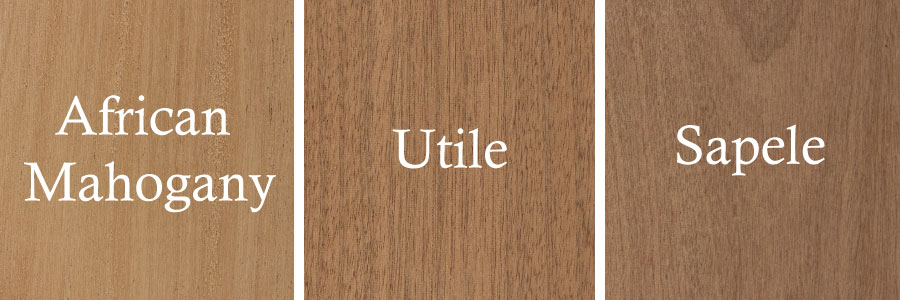
Credit: ettfinewoods.com
Botanical Differences
Mahogany comes from the Swietenia genus. Sapele comes from the Entandrophragma genus. Both are hardwoods but from different families. Mahogany is from the Americas. Sapele is from Africa. Each has its unique qualities and uses.
Mahogany grows in Central and South America. It prefers tropical climates. Sapele thrives in West Africa. It can grow in various climates. Both trees produce durable and beautiful wood.
Appearance And Color
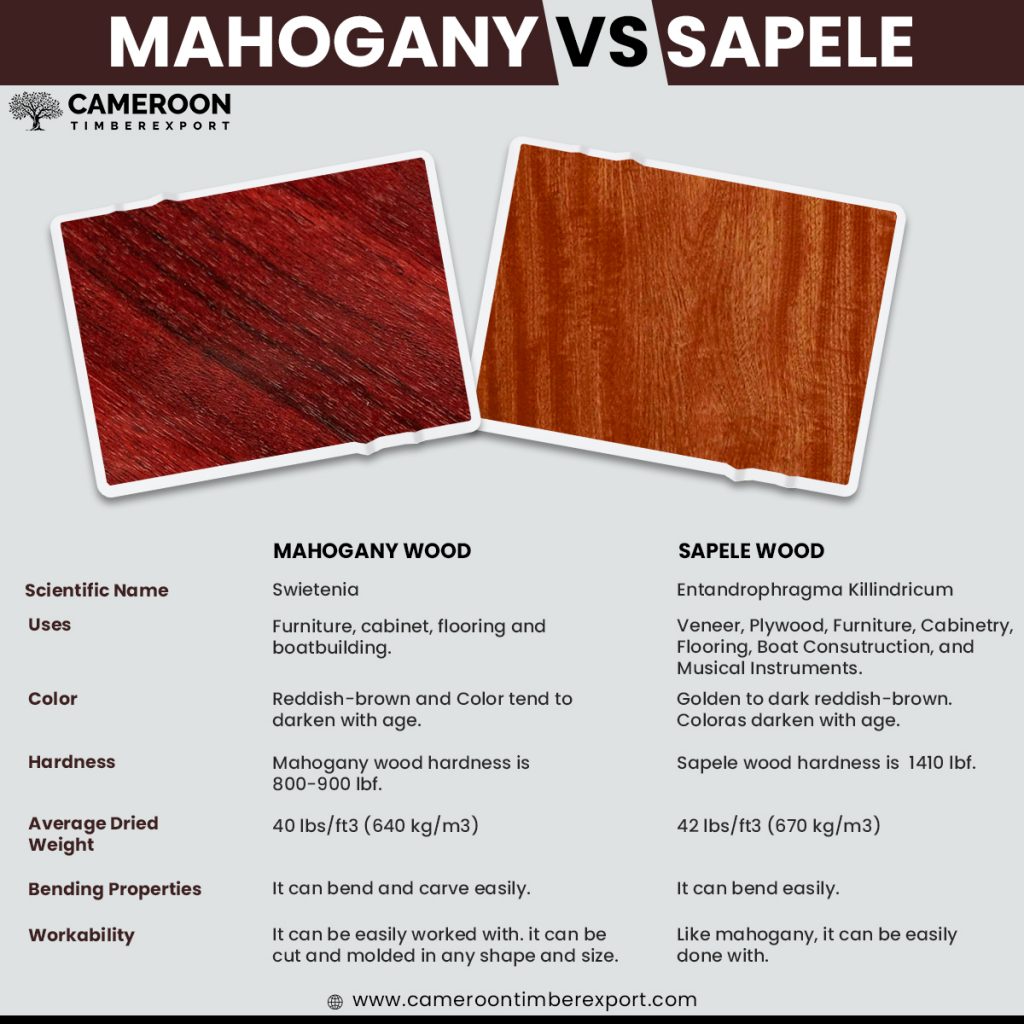
Mahogany often appears reddish-brown with a straight grain, while Sapele has a darker, more golden-brown hue and interlocking grain. Mahogany’s color can deepen over time, whereas Sapele retains a consistent tone.
Mahogany Characteristics
Mahogany wood has a reddish-brown color. It darkens with age. The grain is straight and fine. Sometimes, it has interlocking patterns. It is smooth to touch. Mahogany has a luxurious look. This wood is often used in high-end furniture. It has a classic appeal.
Sapele Characteristics
Sapele wood has a golden to dark reddish-brown color. The color darkens over time. The grain is interlocked and wavy. It often shows a ribbon-like pattern. Sapele is more lustrous than mahogany. It has a unique look. Sapele is used for musical instruments and furniture. This wood is durable and strong.
Grain Patterns
Mahogany has a straight grain pattern. The lines are even and smooth. The wood feels fine and uniform to touch. Some mahogany can show a wavy grain, but this is rare. It is a popular choice for its classic look.
Sapele grain is more interlocked. The lines can be curvy and wavy. It often shows a beautiful ribbon pattern. This pattern catches light and looks shiny. Sapele is loved for its striking appearance.
Physical Properties
Mahogany has a reddish-brown color and straight grain, while Sapele displays a darker, more reddish-brown hue with interlocking grain. Mahogany is softer and easier to work with, whereas Sapele is harder and more durable.
Density And Hardness
Mahogany is a bit softer and less dense. It has a medium hardness. Sapele is harder and denser than Mahogany. It is more durable. Both woods are heavy. Mahogany is lighter compared to Sapele. Sapele’s density makes it tougher.
Workability
Mahogany is easy to work with. It cuts and sands well. It takes stain and polish easily. Sapele is harder to work with. It requires more effort. It can blunt tools quickly. Both woods finish beautifully.
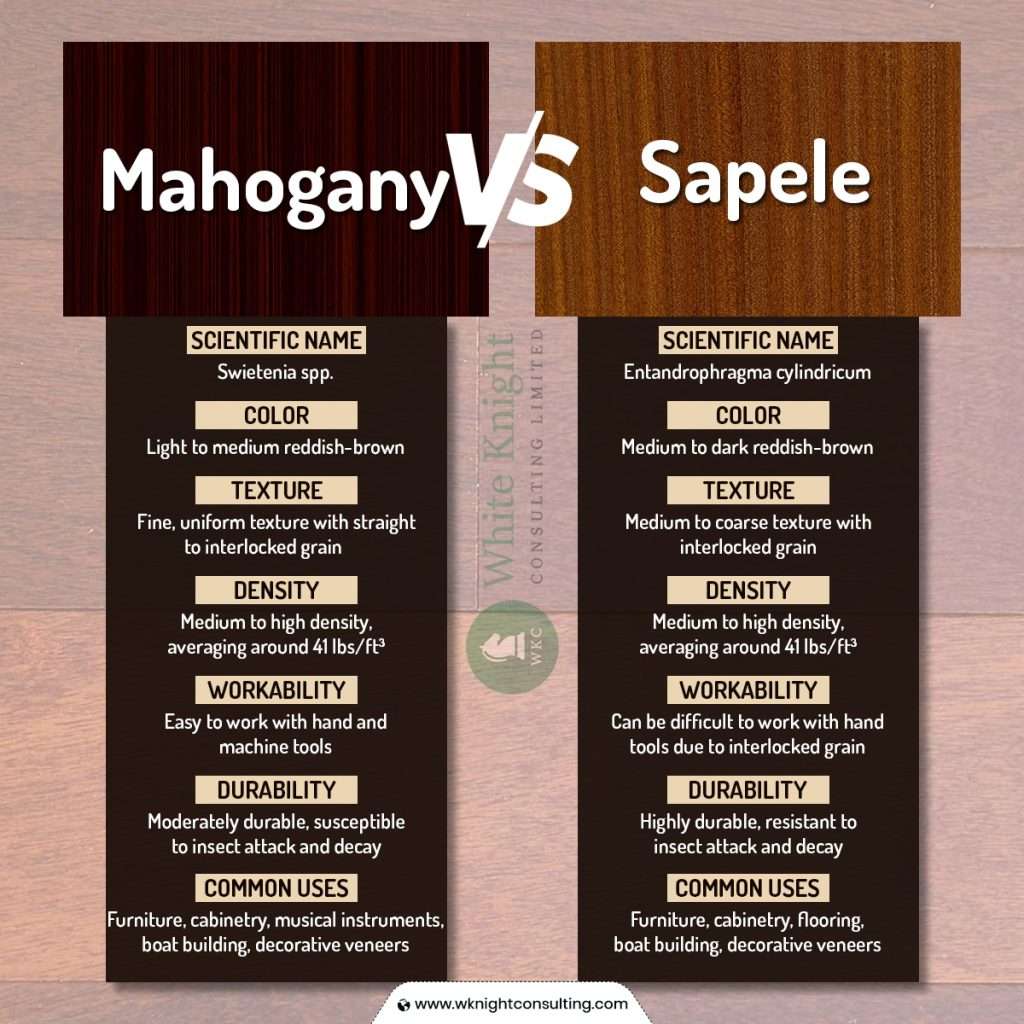
Credit: wknightconsulting.com
Durability And Resistance
Mahogany is very strong and lasts a long time. It does not warp or swell much. It handles rain and sun well. Sapele also handles weather well. But it is not as good as mahogany. Sapele can warp a bit more. It might swell in wet weather. Both woods are good, but mahogany is better.
Mahogany is very good at resisting bugs. Termites and other insects do not like it. Sapele also resists insects well. But not as well as mahogany. Bugs might attack sapele more. Still, both woods are better than many others. For fewer bugs, choose mahogany.
Applications In Woodworking
Mahogany is often used for high-end furniture. It is durable and has a rich, red-brown color. Mahogany also resists decay and insects. This makes it a great choice for long-lasting pieces.
Sapele is also popular in furniture making. It is less expensive than mahogany. Sapele has a beautiful grain and a warm, reddish-brown hue. It is also strong and durable. This makes it a good option for many types of furniture.
Many guitars and pianos use mahogany. It provides a warm and rich tone. Mahogany is stable and strong. This makes it ideal for musical instruments.
Sapele is also used in making guitars. It has a bright and clear sound. Sapele is similar to mahogany but costs less. This makes it a good alternative for budget-friendly instruments.
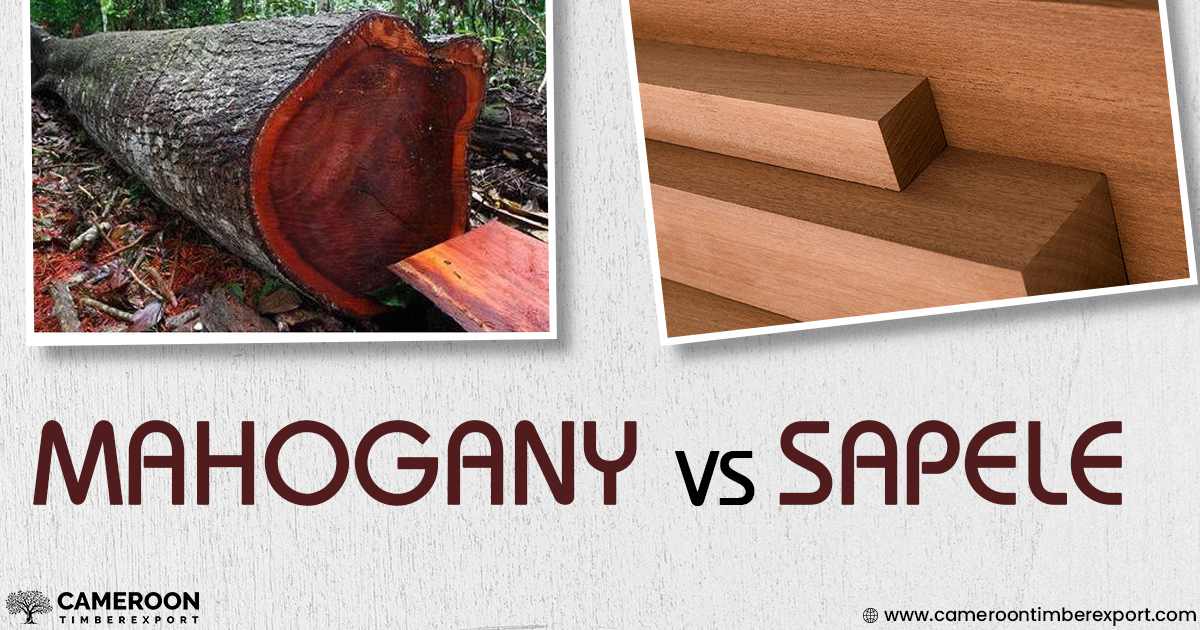
Credit: cameroontimberexport.com
Sustainability And Ethical Considerations
Mahogany trees grow in rainforests. Cutting them can hurt these forests. Sapele trees grow faster. They are easier to replace. This makes Sapele more eco-friendly. Rainforests need protection. Cutting fewer trees helps. Choosing Sapele helps the environment.
Ethical sourcing means getting wood the right way. Mahogany often comes from illegal logging. This is bad. Sapele is often legally harvested. This is good. Knowing where wood comes from is key. Choose wood that is fairly traded. It helps people and nature.
Frequently Asked Questions
What Is Mahogany?
Mahogany is a tropical hardwood known for its reddish-brown color, durability, and workability. It’s commonly used in furniture and cabinetry.
What Is Sapele?
Sapele is an African hardwood that resembles mahogany in appearance. It is known for its rich, reddish-brown color and interlocked grain.
How Do Mahogany And Sapele Differ In Appearance?
Mahogany has a straight, fine grain, while Sapele features a more interlocked grain pattern. Sapele’s grain often has a wavy or ribbon-like effect.
Which Is More Durable, Mahogany Or Sapele?
Both woods are durable, but Mahogany is generally considered more stable and resistant to warping. Sapele is also durable but may move more.
Conclusion
Choosing between mahogany and sapele depends on your needs. Mahogany offers a rich, classic look with durability. Sapele provides a similar appearance at a lower cost. Both woods have their unique qualities. Consider the aesthetics, budget, and intended use. Mahogany might be best for luxury projects.
Sapele suits budget-friendly options while still looking elegant. Each wood has its charm and practical benefits. Your choice should reflect your personal preference and project requirements. Make an informed decision to ensure satisfaction.