How to Store Corn Hole Boards: Garage & Off-Season Tips
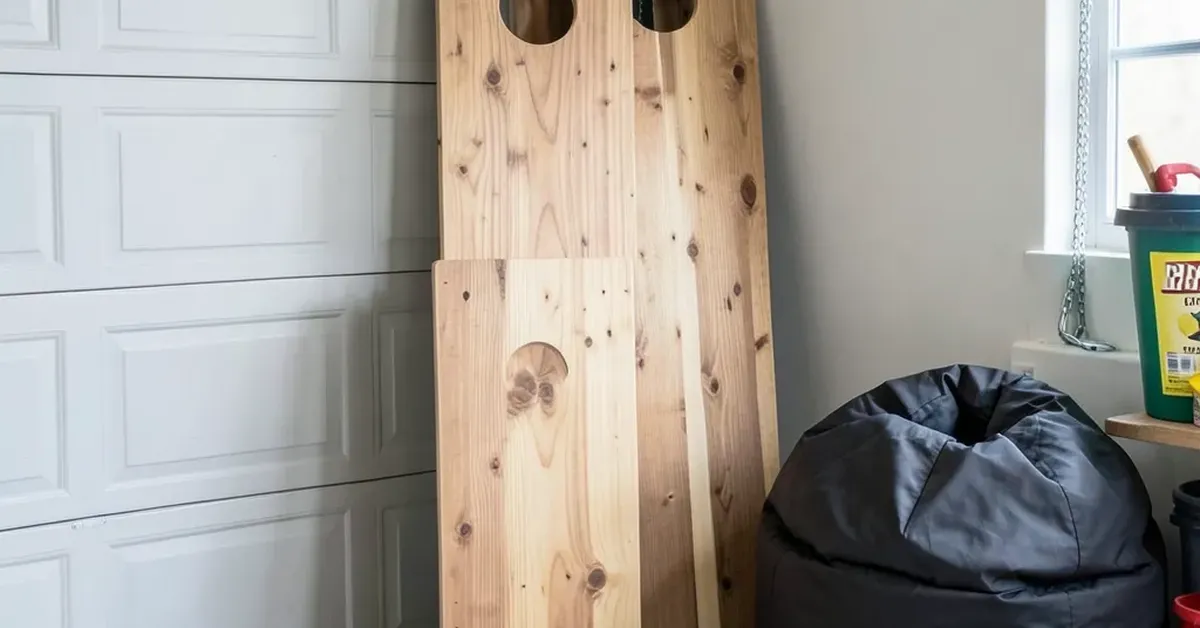
Store cornhole boards flat or on edge in a dry, shaded spot — never leaning against a wall for months, which lets gravity warp the panel, and never in direct sun or a damp shed, which fades paint and swells the wood.
A garage corner or closet works fine as long as the boards aren’t touching a concrete floor directly (moisture wicks up through concrete). Slide a towel, foam board, or a couple of 2×4 scraps underneath, and keep the bean bags in a separate breathable bag rather than stacked on the boards themselves. The tips below cover the specific setup that keeps boards flat and the finish intact season after season.
Why Boards Warp in the First Place
Best Cornhole Storage Case
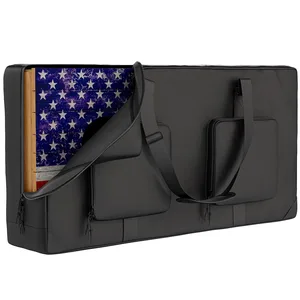 |
MUCITAGF Cornhole Carrying Case – $44.99 If you move your boards often or want them off the garage floor entirely, a padded case like this protects the paint and corners between games.
|
Most cornhole boards are a thin sheet of 1/2″ plywood, and thin plywood cups and bows far more readily than a thicker solid board because there’s less material resisting the pull when one face absorbs or loses moisture faster than the other. Leaning a board against a wall for a whole off-season is one of the most reliable ways to cause that warp: the board’s own weight, combined with gravity pulling the middle outward while the top and bottom edges are braced against the wall and floor, creates a slow permanent bend that a flat board never develops. Humidity swings do something similar on their own — the exposed painted top face resists moisture better than the unfinished or lightly-finished underside, so in a damp garage the underside can absorb more moisture, swell, and bow the panel even without any leaning involved.
Direct sun exposure adds a second failure mode on top of warping: UV breaks down the polyurethane or varnish topcoat over time, which is what actually causes the sanding-paper-like chalky texture and color fade you see on boards left outside for a season, not just the paint itself failing. Once that topcoat degrades, the wood underneath loses its main defense against moisture, which accelerates every other storage problem covered here.
The Right Way to Position Boards in Storage
Flat storage, supported evenly across its full length rather than resting on just its end legs, is the safest option because it puts no bending stress on the panel at all — stack a second board on top only if you place a towel or foam sheet between them to prevent the paint on one from scuffing the other, and never stack more than two or three, since the weight itself can eventually press the top board into a slight bow. Storing on edge works too, as long as the board is genuinely vertical and supported along its bottom edge on something soft (foam, a folded towel), not tilted at an angle against a wall, which reintroduces the same gravity-warp risk as leaning it flat-side against a wall. If storage space forces a lean, prop the board at as steep a near-vertical angle as possible and rotate which edge bears weight every few weeks so the same spot isn’t under constant stress for months.
Keep the boards off a bare concrete floor regardless of orientation — concrete wicks ambient moisture up through itself even when it looks and feels dry, and a board sitting directly on it for a season will often show swelling or a musty smell along the bottom edge that a board stored on a towel or a couple of 2×4 scraps never develops.
Cleaning and Prepping Boards Before Storage
Wipe the surface down with a soft cloth and, for stubborn dirt or bean bag residue, a barely-damp cloth with a little mild dish soap rather than a heavier cleaner that can dull the topcoat. Dry the boards completely before putting them away — a board that goes into storage even slightly damp can develop mold or mildew spots under a cover long before anyone notices, since a cover traps moisture against the surface rather than letting it evaporate. Check the corners and the hole cutout edges specifically, since these unfinished or thinly-finished edges are usually the first place moisture gets absorbed into the plywood’s inner layers.
Climate Conditions That Actually Matter
Keep boards somewhere that stays roughly 50–80°F and 30–50% relative humidity if you can manage it — a detached, uninsulated shed that swings from freezing to over 100°F across a year puts more stress on both the wood and the paint/finish than a garage or closet that stays closer to room temperature. A basement is usually fine for temperature but can run too humid, especially near a water heater or a poorly-sealed foundation wall; a small silica gel pack or two tucked near the boards (not touching the painted surface directly) is a cheap way to buffer humidity swings in an otherwise slightly damp storage spot, and it’s worth replacing or recharging them every couple of months rather than leaving them indefinitely.
Off-Season and Long-Term Storage
For a full off-season (winter, if you only play outdoors in warmer months), the setup above — flat, elevated off concrete, out of direct sun, in a stable-temperature space — is really all that changes; cornhole boards don’t need to be broken down further than folding their legs flat, since that’s what the legs are hinged for in the first place. If you do want to save floor space, most regulation boards’ legs fold completely flat against the underside, which turns a bulky standing board into something closer to 4 feet by 2 feet by a couple of inches thick — enough to slide under a bed, behind a couch, or onto a garage shelf bracket rather than needing dedicated floor space all winter.
Maintenance Checks Between Seasons
Before bringing boards out of storage each season, run a hand across the surface feeling for rough or chalky patches, which signal the topcoat has started breaking down and needs a fresh coat of polyurethane or spray varnish before more play wears it further. Check the hinges and legs for rust or looseness, since these see repeated stress every time the board is set up and folded, and a loose hinge is a much easier fix before a game than during one. A light sanding (220 grit) followed by a fresh thin coat of clear finish once a year keeps the surface smooth for bag sliding and re-seals any spots where the original coat has worn thin, extending the board’s life well past what storage alone can do.
Frequently Asked Questions
How Do You Store Corn Hole Boards?
Store them flat or fully vertical (not leaning at an angle) in a dry, shaded, temperature-stable space, elevated off bare concrete on a towel or scrap wood. Keep them clean and completely dry before covering, and avoid stacking more than two or three without padding between them.
Can Corn Hole Boards Be Left Outside?
Leaving them outside full-time isn’t recommended — direct sun breaks down the protective topcoat over time, and rain or dew exposure swells the plywood and encourages warping. A short-term stay under a full waterproof cover, elevated off the ground, is far safer than an uncovered season outdoors.
Should I Cover Corn Hole Boards?
Yes, especially for any storage in a garage, shed, or outdoors, since a cover blocks dust, UV, and incidental moisture. Make sure the boards are fully dry before covering, since a cover traps in any dampness left on the surface.
How To Maintain Corn Hole Boards?
Wipe them down and check the surface, hinges, and hole edges after each use, and refresh the clear topcoat with a light sanding and a new thin coat once the surface starts feeling rough or chalky, typically once a season with regular outdoor play.
Conclusion
Cornhole boards fail in storage for two predictable reasons — sustained bending stress from leaning against something, and moisture or UV exposure that breaks down the finish and swells the plywood underneath. Store them flat or truly vertical, off bare concrete, out of direct sun, in a space that doesn’t swing to extremes of temperature or humidity, and a set of boards will stay flat and play-ready for years rather than needing to be replaced after a couple of rough seasons.
Sponsored / affiliate links. As an Amazon Associate I earn from qualifying purchases. I may earn additional commission from eligible campaigns.