Can Wood Withstand Heat? Temperature Limits, Best Species & Tips (2026)
Quick Answer
Best Fire Retardant Spray for Wood
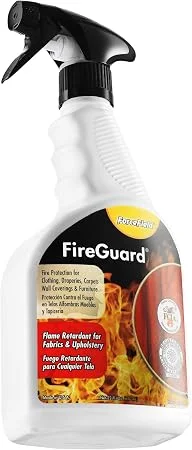 |
ForceField FireGuard Flame Retardant Spray, 22 oz – $15.99 This guide covers wood’s real heat and fire limits – a flame retardant spray like this measurably raises wood’s ignition resistance for projects near heat sources.
|
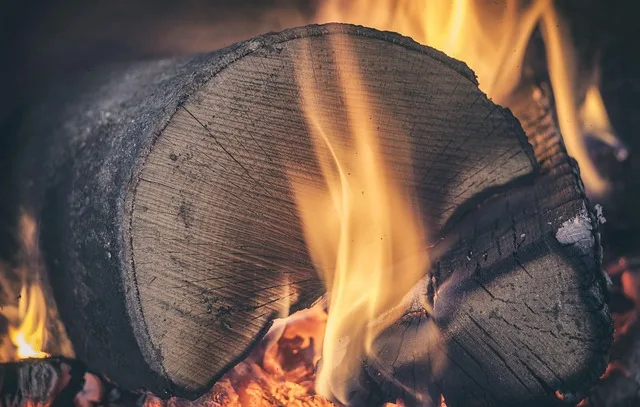
Yes, wood can withstand moderate heat, but its tolerance depends on species and duration. Most wood begins to char around 250°C (482°F) and ignites spontaneously near 300°C (572°F). Dense hardwoods like ipe, teak, and ironwood tolerate heat far better than softwoods. For applications near heat sources, use heat-resistant wood species or apply a protective finish with fire retardant treatment.
Wood can withstand heat to some extent, but it is not fireproof. Prolonged exposure to high temperatures can lead to burning and charring.
Wood has been a staple material for construction, furniture, and various crafts for centuries. Its natural appeal and versatility make it popular among builders and designers. However, understanding wood’s heat resistance is crucial for safety and durability. While wood can endure moderate heat, extreme temperatures can compromise its integrity.
This characteristic is essential in applications like fireplaces or kitchens. Knowing how wood reacts to heat helps in making informed choices for home design and safety measures. Proper treatment and maintenance can enhance wood’s heat resistance, making it a reliable choice for various environments.
Introduction To Wood’s Thermal Resilience
Wood has a unique ability to resist heat. This quality is known as thermal resilience. Different types of wood behave differently under heat. Some can withstand higher temperatures without damage.
Understanding thermal resilience is important for many reasons. It helps in construction, furniture making, and even cooking. Knowing how wood reacts to heat can prevent accidents. It also ensures durability in products made of wood.
Some woods are better than others at handling heat. For instance, hardwoods often show greater resistance compared to softwoods. This makes them suitable for various applications where heat is a concern.
Types Of Wood And Their Heat Tolerance
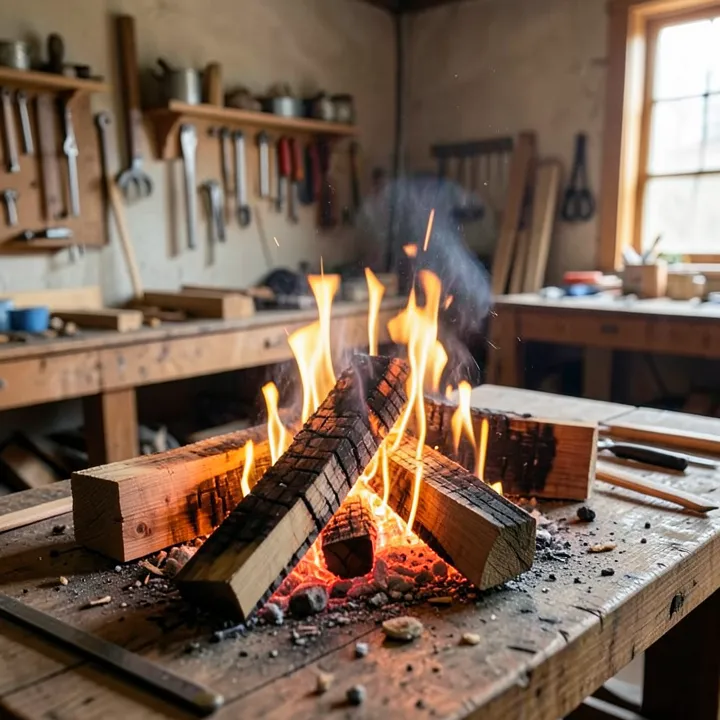
Hardwood and softwood have different heat tolerances. Hardwoods like oak and maple can withstand higher temperatures. They resist warping and charring better than softwoods. Softwoods, such as pine and fir, are less heat-resistant. They can burn more easily in high heat.
Here are some notable examples and their limits:
| Type of Wood | Heat Tolerance (°F) |
|---|---|
| Oak | 1,200 |
| Maple | 1,150 |
| Pine | 900 |
| Fir | 800 |
Choosing the right wood is important for safety and durability. Always consider heat tolerance before making a decision.
Heat Resistant Wood: Best Species Ranked
Some wood species are dramatically better at resisting heat damage than others. Density is the primary factor — denser woods have more mass to absorb energy before critical temperatures are reached.
| Wood Species | Janka Hardness | Heat Resistance | Best Use |
|---|---|---|---|
| Ipe (Ironwood) | 3,510 lbf | Excellent — Class A fire rating | Decking, outdoor structures |
| Teak | 1,155 lbf | Very Good — high oil content reduces heat absorption | Furniture, boat decking |
| Black Locust | 1,700 lbf | Very Good — dense and rot resistant | Outdoor posts, heat environments |
| White Oak | 1,360 lbf | Good — tyloses seal pores, slows heat penetration | Flooring, cabinetry near heat |
| Hard Maple | 1,450 lbf | Good — high density slows thermal transfer | Butcher blocks, worktops |
| Cedar | 350 lbf | Fair — low density, ignites faster than hardwoods | Sauna benches (low heat only) |
| Pine / Spruce | 420–870 lbf | Poor — resinous, ignites quickly | Avoid near heat sources |
The Science Behind Wood And Heat
The cellular structure of wood plays a big role in its heat resistance. Wood consists of tiny cells called tracheids and fibers. These cells help wood hold its shape and strength. Heat can affect these cells, causing them to break down. Some types of wood are more resistant to heat than others. Hardwoods like oak and maple resist heat better than softwoods.
Moisture content also affects wood’s ability to handle heat. Dry wood withstands heat better than wet wood. Moisture can turn to steam, which can damage the wood. Keeping wood dry helps it stay strong under heat. Thus, knowing the moisture level is key for heat resistance.
What Temperature Can Wood Withstand?
Wood’s heat tolerance is not a single number — it changes based on exposure time, moisture content, and species density. Here are the key temperature thresholds every woodworker should know.
| Temperature | What Happens to Wood | Risk Level |
|---|---|---|
| Below 50°C (122°F) | Safe — wood may dry out slightly over time | Low |
| 50–100°C (122–212°F) | Moisture loss, minor surface checking possible | Low–Moderate |
| 100–200°C (212–392°F) | Strength begins to drop; plywood glue may fail above 93°C (200°F) | Moderate |
| 200–250°C (392–482°F) | Thermal decomposition starts; wood turns brown and brittle | High |
| 250–300°C (482–572°F) | Char layer forms; ignition possible with flame or spark | Very High |
| Above 300°C (572°F) | Spontaneous ignition — wood combusts without external flame | Combustion |
Key takeaway: For cooking surfaces and areas near stoves or fireplaces, keep wood at least 12 inches from heat sources producing over 200°F. Use heat-resistant finishes and dense hardwoods for any application where sustained temperatures may exceed 100°C.
Factors Affecting Wood’s Thermal Resilience
Density plays a big role in wood’s ability to resist heat. Denser woods tend to have better thermal resilience. This means they can withstand higher temperatures without damage.
Thermal conductivity is another important factor. It measures how well heat passes through materials. Woods with low thermal conductivity are better at resisting heat.
Chemical treatments can improve wood’s heat resistance. Many treatments make wood less flammable. Some also enhance its durability against heat.
Different types of treatments affect wood in various ways. Some treatments use fire retardants. Others may use oils or preservatives.
| Treatment Type | Effect on Wood |
|---|---|
| Fire Retardants | Reduces flammability |
| Oils | Increases moisture resistance |
| Preservatives | Enhances durability |
Real-world Applications Of Heat Resistant Wood
Heat resistant wood is very useful in many areas. It is often used in construction and building materials. This type of wood can handle high temperatures well. Builders prefer it for safety and durability.
In furniture design, heat resistant wood is an excellent choice. It helps in creating stylish and functional pieces. Homeowners appreciate its ability to resist heat damage. This makes it perfect for kitchens and other warm areas.
| Application | Benefit |
|---|---|
| Construction | Durable and safe |
| Furniture | Stylish and heat-resistant |
Case Studies: Wood’s Performance In Extreme Temperatures
Historical buildings show how wood can handle extreme temperatures. Many old structures have survived fires and heat. For example, ancient wooden churches remain standing after centuries. Their design helps keep them safe from heat.
Modern architectural marvels use wood in new ways. Buildings like the Treet in Norway showcase wood’s strength. They withstand heat better than many think. Special treatments help protect wood from fire damage. Engineered wood products improve durability and safety.
Improving Wood’s Heat Resistance
Wood can be treated to improve its heat resistance. Innovative treatments use special chemicals. These chemicals help wood resist high temperatures. Some technologies involve adding fire retardants to the wood. This makes it less likely to catch fire.
New methods in material science are promising. Researchers are exploring nanotechnology to enhance wood. This involves using tiny particles to boost heat resistance. Coatings can also protect wood from heat damage. These advancements may lead to stronger and safer wood products.
Frequently Asked Questions
Can Wood Catch Fire Easily?
Wood can catch fire relatively easily, especially when dry. The ignition point varies by type but generally ranges from 300°F to 600°F. Factors such as humidity, type of wood, and treatment can influence its flammability. Proper storage and treatment can help reduce fire risks.
What Types Of Wood Resist Heat Better?
Hardwoods like oak and maple typically resist heat better than softwoods. They have a denser structure, making them less prone to burning. Treated wood can also improve heat resistance. However, no wood is entirely fireproof, so precautions are essential.
How Can I Protect Wood From Heat Damage?
To protect wood from heat damage, use heat shields or barriers. Applying a fire-retardant treatment can also enhance its resistance. Additionally, maintaining proper ventilation and avoiding direct heat sources can help. Regular inspections ensure that any damage is promptly addressed.
Is Treated Wood More Heat Resistant?
Yes, treated wood is generally more heat resistant than untreated wood. Chemical treatments enhance its ability to withstand high temperatures. However, it’s important to note that treated wood is not completely fireproof. Always check the manufacturer’s specifications for heat resistance.
Best Heat Resistant Wood Treatments: Our Picks
Conclusion
Understanding wood’s ability to withstand heat is crucial for many applications. While certain types of wood can resist heat better than others, none are completely fireproof. Proper treatment and maintenance can enhance wood’s durability. Always consider the environment and potential risks to ensure safety in your wood projects.
Sponsored / affiliate links. As an Amazon Associate I earn from qualifying purchases. I may earn additional commission from eligible campaigns.