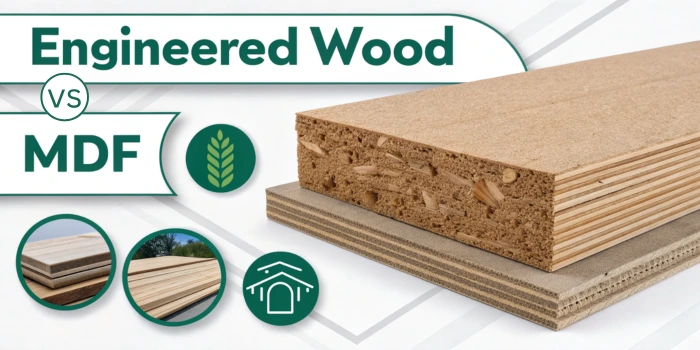
What is the Difference between MDF And Engineered Wood: A Guide
Are you planning a home renovation or a new furniture project? If so, understanding the materials you’re considering is crucial.
You might have come across terms like MDF and engineered wood, but what do these really mean for your project? Knowing the difference between MDF and engineered wood can save you time, money, and potential headaches down the road. This knowledge can help you choose the right material to ensure durability, aesthetic appeal, and cost-effectiveness.
Dive into this article to discover the unique properties, benefits, and ideal applications of MDF and engineered wood. By the end, you’ll be equipped with the insights needed to make the best choice for your needs. Keep reading to unlock the secrets behind these popular materials and empower your decision-making process.
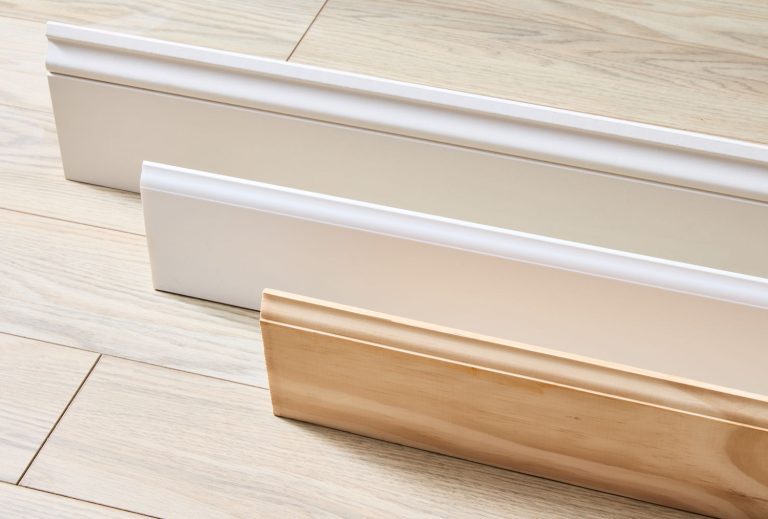
Credit: mccoymart.com
MDF Basics
MDF stands for Medium Density Fiberboard. It is made from wood fibers mixed with resin. The fibers are pressed into sheets using heat. MDF has a smooth surface with no knots. It is denser than plywood and chipboard. The manufacturing process makes it strong and durable. It is easy to cut and shape. MDF is often used for furniture and cabinets.
MDF is used in many places. It is popular for indoor furniture. People use it for making shelves and cupboards. It is great for painted surfaces. MDF does not warp with moisture. It is easy to decorate and design. Builders use it for wall panels and doors.
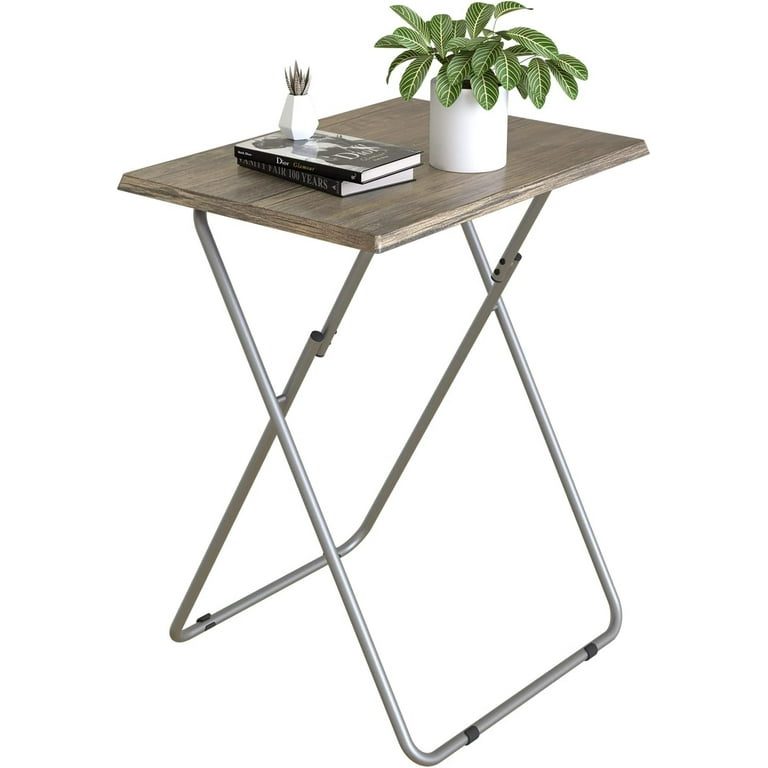
Credit: mccoymart.com
Engineered Wood Essentials
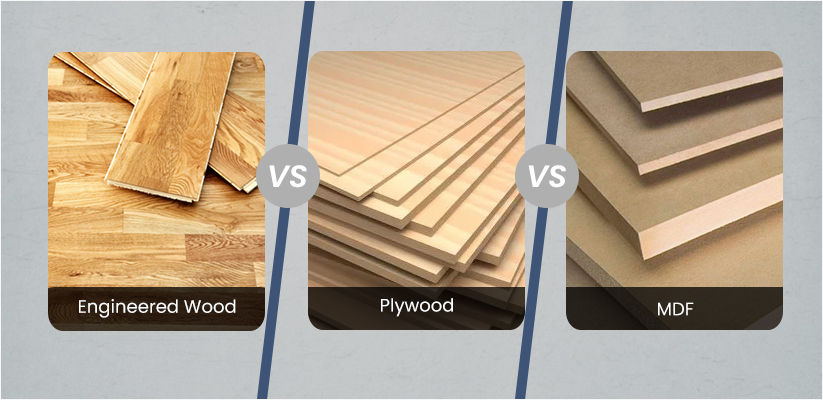
Engineered wood includes many types. Plywood is the most common. It has thin layers of wood glued together. MDF is another type. It’s made from wood fibers and glue. Particle board is also engineered wood. It’s made from small wood chips. Each type has different uses. All are strong and durable.
Engineered wood is used in homes and buildings. Flooring often uses engineered wood. It looks nice and lasts long. Walls can also use it. It’s strong and can hold weight. Furniture is another common use. Tables and chairs are made from it. Easy to cut and shape. Engineered wood is also used in roofs. It helps keep homes safe and dry.
Comparative Analysis
Both MDF and engineered wood are strong. But they are used differently. MDF is a type of fiberboard. It is dense and smooth. It can break if not handled well. Engineered wood is a mix of wood and glue. It is very strong. It can hold more weight. It lasts longer than MDF. Both are good, but for different things.
MDF and engineered wood both come from trees. MDF uses wood fibers. These are often recycled. This helps save trees. But, it has chemicals. These can harm the air. Engineered wood also uses pieces of wood. It can be more eco-friendly. It uses less solid wood. Always check for eco labels. This shows it is safer for the Earth.

Credit: kristinlia.ca
Cost Considerations
MDF is usually cheaper than engineered wood. It is made from sawdust and resin. This makes it less expensive to produce. Engineered wood often costs more. It uses layers of real wood. This gives it a more natural look.
For people on a budget, MDF is a good choice. Engineered wood can be a bit pricey. But it offers better quality. It also has a more lasting appeal. Choosing between the two depends on what you need.
MDF may save money now. But it may not last as long. Engineered wood offers better durability. It can handle more wear and tear. This means it can be a better investment over time.
Families with kids might prefer engineered wood. It won’t scratch or dent easily. MDF might need more care. It is less resistant to damage. So, think about how long you plan to keep it.
Aesthetic Qualities
MDF has a smooth, even surface. It’s often used for painted finishes. You can create a sleek look with it. It holds paint well, making colors pop. Engineered wood can mimic real wood. It has grains and textures. This gives it a natural feel. It can look like oak or cherry.
Both materials offer design flexibility. MDF can be cut into shapes. It’s great for intricate designs. You can create patterns easily. Engineered wood allows for various finishes. You can choose different stains. This gives a unique look. Both materials adapt well to styles.
Choosing The Right Material
MDF and engineered wood are popular choices for projects. MDF is dense and smooth. It is great for painting. Engineered wood is strong and durable. It looks like real wood. Each has unique features. Consider your project needs carefully. MDF suits indoor projects well. Engineered wood is best for floors and outdoor use. Both have pros and cons. Choose based on your project’s demands.
Project-specific Recommendations
MDF is ideal for cabinets. It cuts easily. Use it for furniture and crafts. Engineered wood works for flooring. It resists moisture. Perfect for bathrooms and kitchens. Each serves different purposes. Think about where you will use them. MDF is not water-resistant. Engineered wood handles wet areas better. Your project type will guide your choice.
Pros And Cons Summary
| Material | Pros | Cons |
|---|---|---|
| MDF | Smooth surface, Easy to paint | Not water-resistant, Can swell |
| Engineered Wood | Durable, Looks like real wood | More expensive, Complex installation |
Frequently Asked Questions
What Are The Disadvantages For MDF?
MDF is prone to moisture damage and can swell easily. It lacks the natural wood grain appearance. It may not hold screws as well as solid wood. MDF can emit formaldehyde, a harmful chemical. It is heavier than plywood, making it harder to handle during installation.
Should I Avoid MDF Furniture?
MDF furniture is affordable and versatile, but it may not be as durable as solid wood. It can be susceptible to water damage and may emit formaldehyde. Consider your needs and budget when choosing MDF furniture. Ensure proper care and maintenance to prolong its lifespan.
What Are The Disadvantages Of Engineered Wood?
Engineered wood can be less durable than solid wood. It may warp or swell with moisture exposure. Limited refinishing options exist. Some products contain formaldehyde, posing health risks. It might not add as much property value as solid wood.
What Is Better Than Engineered Wood?
Solid hardwood is often considered better than engineered wood. It offers greater durability and can be refinished multiple times. Solid wood adds value and a timeless aesthetic to homes. It also provides natural insulation and soundproofing. However, solid wood can be more expensive and less resistant to moisture compared to engineered options.
Conclusion
Understanding the differences between MDF and engineered wood is crucial. MDF offers smooth surfaces for painting and is cost-effective. Engineered wood provides strength and durability with a natural wood look. Both have unique benefits depending on your project needs. MDF suits indoor furniture and crafts.
Engineered wood is ideal for flooring and structural uses. Consider the environment, cost, and appearance before choosing. Each material serves specific purposes. Make informed choices for your projects. Use this guide to select the right wood type. Your decision will impact the final outcome.
Choose wisely for lasting satisfaction.