Is MDF Recyclable? Why It Goes to Landfill, Not Recycling
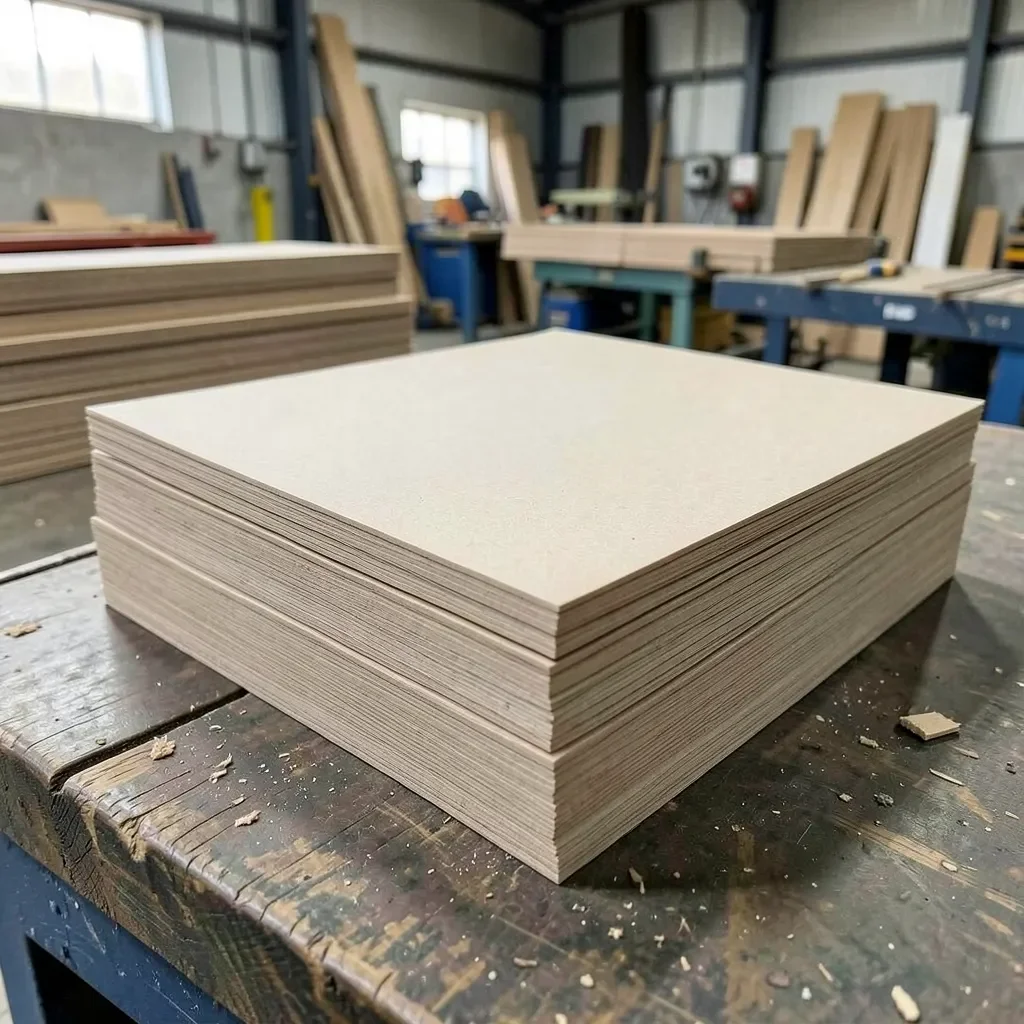
MDF is not recyclable through standard curbside or municipal wood-recycling programs, even though it’s made from wood fiber. The urea-formaldehyde resin binding the fibers together can’t be separated back out economically, which means recycling facilities that process clean, resin-free wood waste won’t accept it – MDF has to go to general construction/demolition waste instead.
Why the Resin Is the Real Problem
Wood recycling generally works by shredding clean lumber into chips for mulch, animal bedding, or new particleboard. MDF’s fibers are bonded with a synthetic resin distributed evenly throughout the material – there’s no way to mechanically separate wood fiber from resin at scale, so a batch of MDF waste contaminates an entire load of otherwise-recyclable wood if mixed in.
Burning It Is Not a Safe Alternative
Since MDF can’t be recycled, burning it might seem like a reasonable disposal shortcut – it isn’t. Burning releases the urea-formaldehyde resin as toxic fumes, including formaldehyde gas, which is a known carcinogen. MDF should never be burned in a fireplace, wood stove, or open fire, regardless of how it’s disposed of otherwise.
Best Respirator for MDF Dust
 |
3M OV/P100 Multipurpose Respirator – $32.67 Cutting or sanding MDF releases fine dust carrying trace formaldehyde from the same resin binder that makes it non-recyclable and unsafe to burn.
|
What Actually Happens to Waste MDF
Most MDF waste goes to a landfill as general construction debris, or in some regions to a waste-to-energy incineration facility with proper emissions filtering (which is different from open burning – industrial incineration captures and treats the resulting fumes). Some manufacturers and specialty recyclers accept MDF offcuts specifically for down-cycling into lower-grade particleboard, but this isn’t widely available to consumers.
Reducing MDF Waste Before It Becomes a Disposal Problem
Buying MDF cut to size, or having a supplier make the initial breakdown cuts from a full sheet, reduces offcut waste compared to cutting an entire sheet down at home with less optimized layout planning. Saving larger offcuts for smaller future projects (shelving supports, jig components) is a more practical way to reduce total waste than trying to recycle scraps that have no real recycling path.
Newer Low-Formaldehyde MDF Options
NAF (no-added-formaldehyde) and ULEF (ultra-low-emitting formaldehyde) MDF products use alternative resin systems with significantly reduced formaldehyde content compared to standard MDF, which improves indoor air quality during use but doesn’t change the recyclability picture – these products still can’t go through standard wood recycling, since they still use a synthetic resin binder, just a lower-emission one.
Composting Sawdust: MDF vs. Real Wood
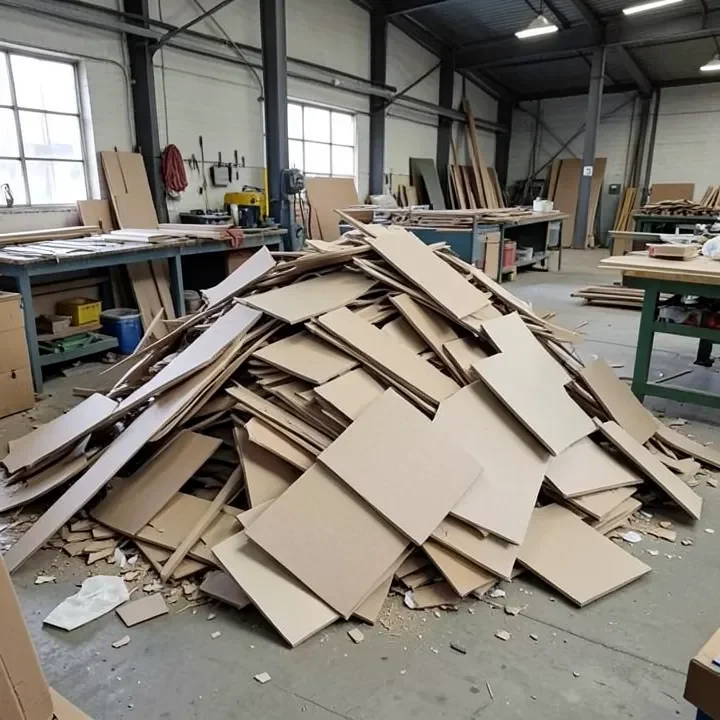
Real wood sawdust composts safely and is a common addition to compost piles, but MDF sawdust should never be composted, since the resin binder doesn’t break down naturally and can introduce persistent synthetic compounds into garden soil – another reason MDF waste needs to be handled and disposed of differently from actual wood scraps.
Manufacturer Take-Back Programs
A small number of large MDF manufacturers run take-back or industrial recycling programs for their own offcuts and manufacturing waste, but these are generally not set up to accept consumer or small-shop scraps – worth a phone call to a manufacturer’s customer service line if a large-scale MDF disposal need comes up, but not a realistic option for routine home workshop waste.
Repurposing MDF Offcuts Before Disposal
Smaller MDF offcuts have real second-life uses in the shop before disposal becomes necessary – router table inserts, drawer bottoms, shop jigs, and backing boards for painting projects all make good use of scrap that would otherwise go straight to the landfill, extending the material’s useful life without needing a formal recycling pathway.
Checking Local Hazardous Waste Rules
Some municipalities classify large volumes of manufactured wood waste differently from general construction debris, particularly for commercial quantities – checking local rules before a large disposal project (a full kitchen remodel’s worth of MDF cabinetry, for example) avoids an unexpected disposal fee or rejected pickup at the curb.
MDF vs. Particleboard Disposal – Any Difference?
Particleboard shares essentially the same disposal profile as MDF, since it uses a similar resin-bonded construction – both go to general waste rather than wood recycling, and both release similar toxic byproducts if burned, so there’s no meaningful difference in how the two engineered wood products should be handled at end of life.
Frequently Asked Questions
Can MDF go in a household recycling bin?
No. Municipal recycling programs don’t accept MDF – it goes with general trash or construction debris instead.
Is it safe to burn MDF for disposal?
No. Burning releases toxic formaldehyde fumes from the resin binder – MDF should never be burned in a fireplace, wood stove, or open fire.
Why can’t MDF be recycled like regular wood?
The urea-formaldehyde resin binding its fibers can’t be economically separated back out, so it contaminates otherwise-recyclable clean wood waste if mixed in.