What Is The Meaning Of Cedar In Lebanon: Essential Guide
The Cedar of Lebanon is more than just a tree; it’s a powerful symbol of strength, resilience, and national pride for Lebanon, deeply woven into its history, culture, and identity. This guide explores its profound meaning and significance.
Have you ever wondered about the Cedars of Lebanon and why they hold such a special place in the heart of this beautiful country? It’s a question many beginners in history or culture might ponder. These magnificent trees, with their ancient roots and majestic presence, are far more than just a part of the landscape. They represent a rich heritage and a deep connection to the past. If you’re curious to uncover the meaning behind Lebanon’s iconic trees, you’re in the right place! We’ll walk through their history, their symbolism, and why they remain so important today. Get ready to discover the fascinating story of the Cedar of Lebanon.
The Cedar of Lebanon: A Tree Rooted in History
The Cedar of Lebanon spans thousands of years of human history. Long before modern nations existed, these trees were renowned for their strength and fragrant wood. Ancient civilizations like the Egyptians, Phoenicians, and Romans valued them highly. They used cedarwood for shipbuilding, temples, and even sarcophagi. The sheer durability and pleasant aroma made it a sought-after material.
The Bible frequently references the “cedars of Lebanon,” often linking them to grandeur, strength, and divine favor. Kings and builders prized this wood for its quality, using it in everything from Solomon’s Temple in Jerusalem to Egyptian Pharaoh’s ships. This ancient association has cemented the cedar’s image as a symbol of power and permanence.
Over centuries, the cedar forests gradually diminished due to extensive logging. However, pockets of these ancient trees survived, often in remote mountainous regions. These surviving groves became precious landmarks, vital for the country’s ecological balance and national identity. Today, preserving these remaining trees is a top priority for Lebanon.
Historical Significance in Ancient Civilizations
- Phoenicians: Used cedarwood extensively for their magnificent ships, enabling them to dominate Mediterranean trade routes.
- Egyptians: Prized cedar for their pharaohs’ tombs and sacred artifacts due to its resistance to decay and pleasant scent.
- Hebrews: Featured prominently in religious texts for its strength and beauty, most notably in the construction of the Temple of Solomon.
- Romans: Incorporated cedar into various constructions and were aware of its aromatic properties.
The Symbolism of the Cedar of Lebanon
The meaning of the Cedar of Lebanon transcends its physical attributes. It has evolved into a potent symbol representing various core values and aspirations.
Strength and Resilience
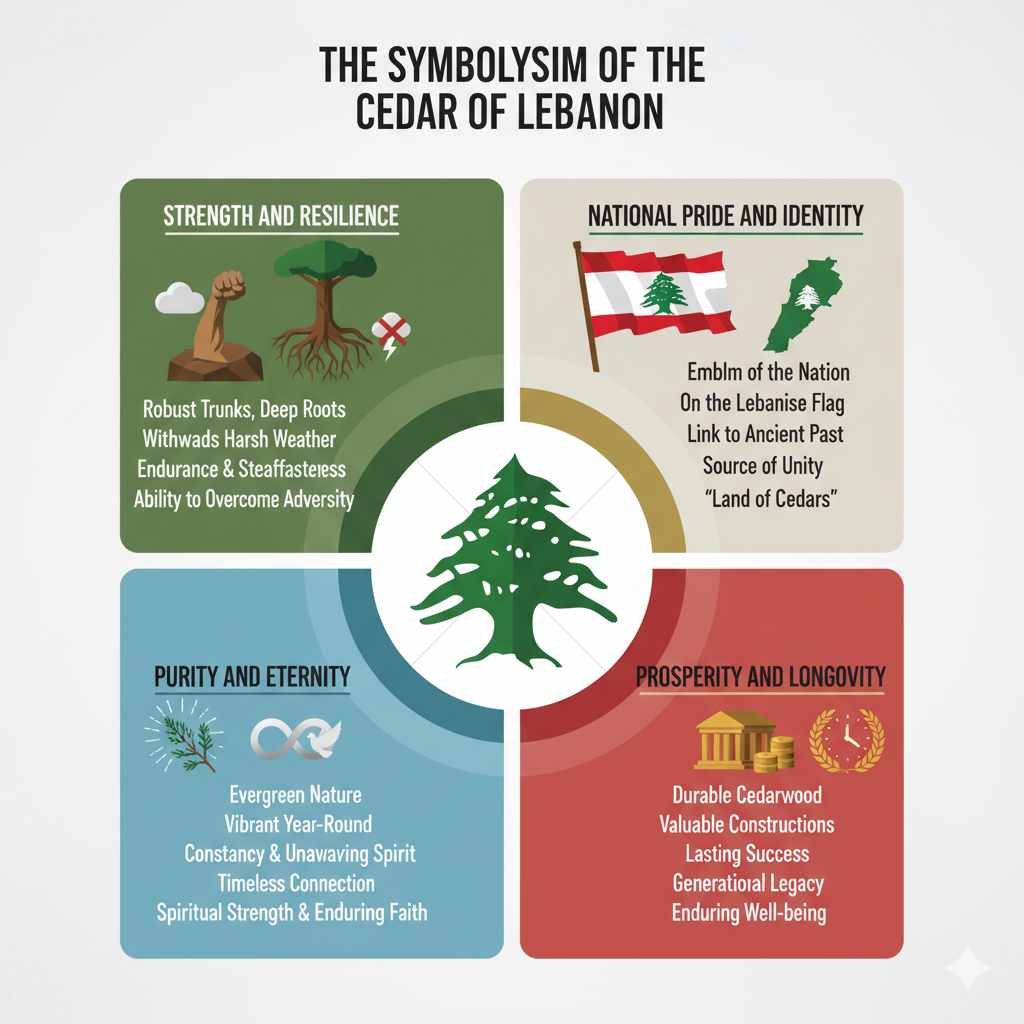
The most prominent meaning associated with the Cedar of Lebanon is its immense strength. These trees are known for their robust trunks, deep-reaching roots, and ability to withstand harsh weather conditions. This makes them a perfect metaphor for endurance and steadfastness. They stand tall through storms, symbolizing the ability to overcome adversity. This resilience is a quality deeply admired and reflected in the Lebanese spirit, which has faced numerous challenges throughout history.
National Pride and Identity
The Cedar of Lebanon is the undisputed emblem of the nation. It graces the Lebanese flag, appearing prominently in the center. This placement signifies its foundational importance to the country’s identity. For Lebanese people, the cedar represents a tangible link to their ancient past and a beacon of hope for the future. It’s a source of national pride that unites people from diverse backgrounds.
The phrase “land of cedars” is often used interchangeably with Lebanon, highlighting how deeply intertwined the tree is with the national consciousness. The image of the cedar evokes images of towering, evergreen trees standing proudly against the sky, mirroring the aspirations of the Lebanese people for a strong and enduring nation.
Purity and Eternity
The evergreen nature of the cedar tree imparts a sense of purity and eternal life. Unlike deciduous trees that shed their leaves, cedars remain vibrant throughout the year. This characteristic associates them with constancy, unwavering spirit, and a connection to something timeless. This symbolism is often found in religious and spiritual contexts, where the cedar represents spiritual strength and enduring faith.
Prosperity and Longevity
The longevity and widespread historical use of cedarwood for valuable constructions also link it to prosperity and lasting success. Its durable nature meant that structures built with it endured for generations, symbolizing a legacy of achievement and lasting impact. This association contributes to the cedar’s revered status, representing more than just a tree but a symbol of enduring well-being.
The Cedar of Lebanon Today
Despite its symbolic importance, the Cedar of Lebanon faced significant threats. Due to centuries of over-exploitation and deforestation, the natural cedar forests have dramatically reduced. Today, only a few ancient groves remain scattered across the mountains.
The most famous remaining grove is the Arz ar-Rabb (Cedars of God) in the Bcharri region. This UNESCO World Heritage site is home to some of the oldest cedars in the world, with trees estimated to be over a thousand years old. These ancient giants are living monuments, drawing visitors from around the globe.
Conservation Efforts
Recognizing the critical state of these iconic trees, Lebanon has implemented strict conservation programs. The government and various environmental organizations are dedicated to protecting the remaining cedar forests and replanting new trees. The goal is to ensure that future generations can witness the majesty of the Cedar of Lebanon.
These conservation efforts are crucial not only for ecological reasons but also to preserve a vital part of Lebanon’s cultural heritage. The success of these programs is a testament to the nation’s commitment to its most cherished symbol. You can learn more about global tree conservation efforts and their importance at the Arbor Day Foundation, which often highlights the significance of various tree species.
Economic and Cultural Impact
The Cedar of Lebanon continues to have a significant cultural and, to some extent, economic impact. While logging is heavily restricted, the image of the cedar is a powerful draw for tourism. Visitors are drawn to the ancient groves, contributing to the local economy. Furthermore, cedarwood is still sometimes used for fine crafts and furniture, though it’s rare and highly regulated, adding to its exclusive appeal.
The aromatic qualities of cedarwood are also valued in perfumery and aromatherapy, adding another layer to its cultural significance. Small amounts of sustainably harvested cedar are sometimes processed for these specialized markets.
Visualizing the Cedar of Lebanon
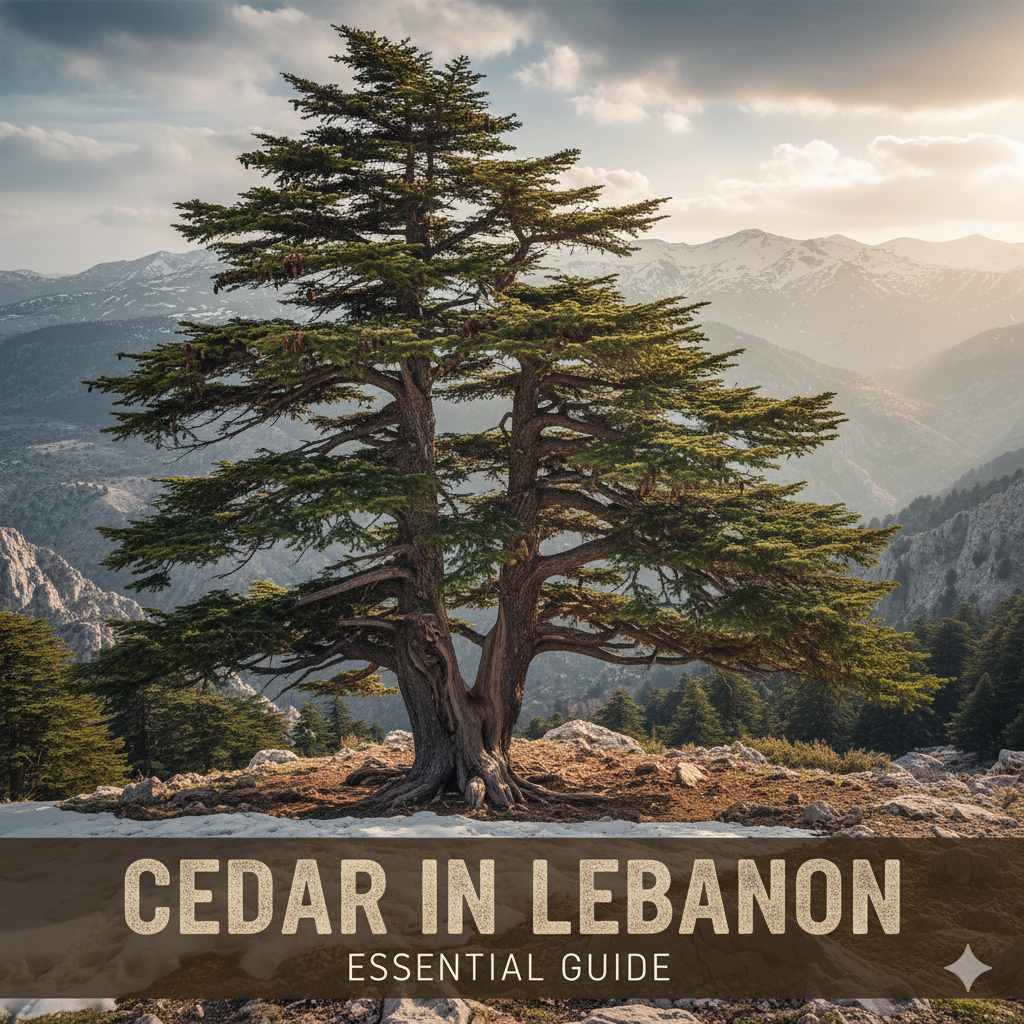
When you picture the Cedar of Lebanon, imagine a grand, evergreen tree. Its silhouette is distinctive, often with a flat-topped crown in older specimens, giving them a unique, majestic appearance. The bark is dark and fissured, hinting at its age and resilience. The needles are short, sharp, and clustered, and the cones are typically small and erect.
The wood itself is known for its beautiful color, ranging from pale yellow to reddish-brown, its fine grain, and its distinctive, pleasant aroma. This is the wood that has inspired legends and built enduring structures.
Key Characteristics of the Cedar of Lebanon
| Characteristic | Description |
|---|---|
| Scientific Name | Cedrus libani |
| Height | Can reach up to 40 meters (130 feet) |
| Trunk Diameter | Can exceed 2 meters (6.5 feet) |
| Lifespan | Can live for over 1,000 years |
| Needles | Short (1-4 cm), dark green, borne in clusters |
| Cones | Cylindrical, upright, 4-12 cm long |
| Wood Properties | Durable, aromatic, resistant to decay |
The Cedar in Lebanese Culture and Art
The Cedar of Lebanon is more than a national symbol; it actively permeates Lebanese culture, art, and literature. Its image is ubiquitous, serving as a constant reminder of the nation’s heritage and values.
Literature and Poetry
Countless Lebanese poets and writers have drawn inspiration from the cedar. It is often used as a metaphor for courage, wisdom, and national spirit. Its enduring presence in the landscape provides a steadfast subject for creative expression, reflecting the resilience of the Lebanese people.
Art and Design
You’ll find the cedar motif in Lebanese art, from traditional crafts to contemporary designs. It appears on stamps, currency, official seals, and decorative items. Its characteristic shape is instantly recognizable and evokes a sense of national identity and pride.
Proverbs and Sayings
There are many Lebanese proverbs and sayings that reference the cedar, often relating to its strength, longevity, or fragrance. These expressions are passed down through generations, embedding the tree’s symbolism into everyday language and cultural wisdom.
How to Experience the Cedar of Lebanon
If you’re inspired by the story of the Cedar of Lebanon, there are ways to connect with this magnificent tree. The most direct way is to visit Lebanon itself.
Visiting the Cedars of God (Arz ar-Rabb)
The primary destination for experiencing the ancient cedars is the Cedars of God forest in Bcharri. This sacred grove offers a breathtaking encounter with trees that have stood for millennia. It’s a place of tranquility and awe, truly a journey back in time.
When visiting, remember that these are ancient and protected trees. Follow marked paths and refrain from touching or damaging them. The UNESCO World Heritage Centre provides information on its designation and significance.
Learning More
If travel isn’t an option, you can still deepen your understanding. Many books and documentaries explore the history and symbolism of the Cedar of Lebanon. Engaging with these resources can bring the story of this remarkable tree into your home.

Frequently Asked Questions (FAQ)
Here are some common questions beginners might have about the Cedar of Lebanon:
Q1: Is the Cedar of Lebanon still alive today?
A1: Yes, thankfully! While cedar forests have shrunk significantly, several ancient groves, most notably the Cedars of God in Bcharri, Lebanon, still exist and are protected.
Q2: Why is the Cedar of Lebanon so important to the country?
A2: It’s a national symbol, representing strength, resilience, and pride. It features on the Lebanese flag and has deep historical and cultural roots predating the modern state.
Q3: What makes cedarwood special?
A3: Cedarwood is highly valued for its durability, its resistance to decay and insects, and its distinct, pleasant aroma. Historically, it was used for significant constructions like temples and ships.
Q4: Can I buy products made from Cedar of Lebanon wood?
A4: It’s very rare due to strict conservation. If available, it would be from sustainably managed sources and likely expensive. The focus is primarily on preservation.
Q5: How old can Cedar of Lebanon trees get?
A5: These trees are incredibly long-lived. Some of the ancient specimens in the Cedars of God grove are estimated to be over a thousand years old.
Q6: What does “The Cedars of God” refer to?
A6: It is the name of the most famous and ancient grove of Cedar of Lebanon trees, located in the mountains of northern Lebanon. It’s a UNESCO World Heritage site.
Q7: How can I help protect these trees if I can’t visit?
A7: You can support organizations dedicated to tree conservation globally or specifically in Lebanon. Raising awareness about their importance is also a valuable contribution.
Conclusion
The Cedar of Lebanon is far more than just a tree; it’s a living testament to history, a powerful symbol of national identity, and a beacon of enduring strength. From its ancient use by Phoenician mariners and Hebrew kings to its central place on the Lebanese flag today, its significance is profound and multifaceted. Its imposing stature, resilience against harsh elements, and evergreen nature embody the spirit of the Lebanese people – steadfast, proud, and deeply rooted.
While the cedar forests have faced challenges, ongoing conservation efforts are vital for preserving these natural treasures for future generations. Visiting the ancient groves or learning about their history offers a unique connection to this remarkable emblem. The story of the Cedar of Lebanon is an inspiring narrative of nature, history, and national pride, continuing to captivate and resonate across centuries.