Cedar Wood Benefits: Is the Extra Cost Worth It? (Real Data)
Cedar costs two to four times more than pressure-treated pine (roughly $4-9 per board foot versus $0.90-1.60 for framing-grade PT) — but real benefits justify that premium for many projects: natural rot and insect resistance without chemical treatment, and a workable, stable board that finishes well. It is not the right call everywhere, though — PT pine still wins on raw budget for structural framing nobody sees. This guide breaks down cedar’s real durability, cost-versus-value math, honest scent/pest-repellent science, and where each type of use actually pays off.
Affiliate disclosure: this article contains Amazon affiliate links. As an Amazon Associate we earn from qualifying purchases at no extra cost to you.
Quick Answer
Cedar’s real benefits are naturally rot- and insect-resistant heartwood, stability with minimal warping, and light, easy-to-work grain — not the unverified skin- and hair-care claims some sites repeat. It costs 2-4x pressure-treated pine, but for fences, decks, siding, and outdoor furniture the reduced maintenance and 15-30 year lifespan of heartwood grades usually offset the upfront price.
Why Cedar Costs More — and When It’s Worth It
Best Cedar Sealer Pick
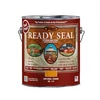
Ready Seal 112 Stain and Sealer, Natural Cedar (1 gal)
A no-lap, self-blending oil stain/sealer that protects new or aged cedar in one coat, no back-brushing required.
- Best for: New cedar siding, fences, and decks needing UV and moisture protection
- Why we picked it: Blends itself without lap marks, can be applied in sun or shortly before rain
- Main drawback: Oil-based formula has a stronger odor during application than water-based sealers
Compare more cedar sealer options
 Budget Pick Thompson’s WaterSeal Semi-Transparent, Natural Cedar
|
 Mid-Range Pick Olympic WaterGuard, Woodland Cedar
|
 Premium Pick TWP 101 Pro-Series Cedartone, Oil-Based
|
As an Amazon Associate we earn from qualifying purchases.
Western red cedar lumber runs roughly $4 to $9 per board foot at most lumberyards, versus $0.90 to $1.60 for framing-grade pressure-treated pine and $4.50 to $7.00 for above-ground-rated PT. That 2-4x gap is real, and it’s the single biggest reason cedar gets skipped on budget builds. For a full cost breakdown by grade and region, see our detailed cedar pricing guide. For more on working with cedar generally, browse our full cedar guide library.
The trade-off: cedar heartwood doesn’t need chemical pressure-treatment to resist rot and insects, so it skips the arsenic-free copper-based preservatives used in modern PT lumber, and it takes stain and natural finishes more evenly since it isn’t saturated with treatment chemicals. That matters most on visible, touchable surfaces — decking, siding, fencing, outdoor furniture — where the extra cost buys a better-looking, lower-maintenance surface for 15 to 30 years. For structural framing that never gets seen or touched (joists, posts buried in concrete), PT pine’s lower cost usually wins since nobody’s judging the grain.
| Factor | Cedar (heartwood) | Pressure-treated pine | Redwood |
|---|---|---|---|
| Cost per board foot | $4-9 | $0.90-7.00 | $5-11 |
| Natural rot/insect resistance | Yes (heartwood only) | Chemically treated | Yes (heartwood only) |
| Typical outdoor lifespan | 15-30 years | 15-25 years (treatment-dependent) | 20-30 years |
| Best for | Siding, fencing, furniture, closets | Structural framing, budget decks | High-end decking, siding |
Durability and Insect Resistance, Explained
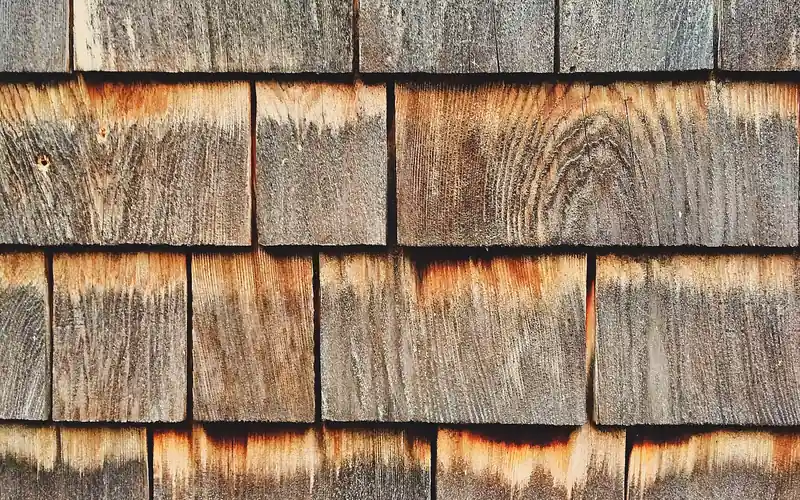
Cedar’s rot resistance comes from thujaplicins and related extractives concentrated in the heartwood — natural fungicidal compounds that make the wood inhospitable to the fungi that cause decay. Sapwood (the lighter outer rings) lacks these compounds and rots at roughly the same rate as any untreated softwood, which is why grading matters: always specify heartwood or “all-heart” grades for ground-contact or high-moisture applications.
The same oils that repel decay fungi also repel many common wood-boring insects and moths — the EPA lists cedarwood oil as a 25(b) minimum-risk active ingredient, meaning its safety profile is well-established enough that products containing it don’t require federal pesticide registration. That’s a real, sourced fact, not a marketing claim: it explains why cedar chips and blocks work in closets, but it does not mean cedar wood “detoxifies” the body or treats arthritis — claims some older cedar content on the web repeats without any clinical backing. For the deep dive on cedar’s scent and how the oil is used in aromatherapy and pest control specifically, see our aromatic cedar wood guide.
Where Cedar’s Practical Advantages Come From
Beyond rot and insect resistance, cedar is genuinely easy to work with: it’s a lightweight softwood that cuts, planes, and sands cleanly without the resin buildup that gums up blades on pine, and it takes screws and finishes without much pre-drilling. It also has a straight, stable grain that resists warping and cupping better than many softwoods once properly dried. For the full breakdown of insulation value, workability, and grain characteristics, see our dedicated cedar wood advantages guide.
Where Cedar Actually Gets Used
Cedar’s benefits translate into a specific set of jobs where it earns its price premium:
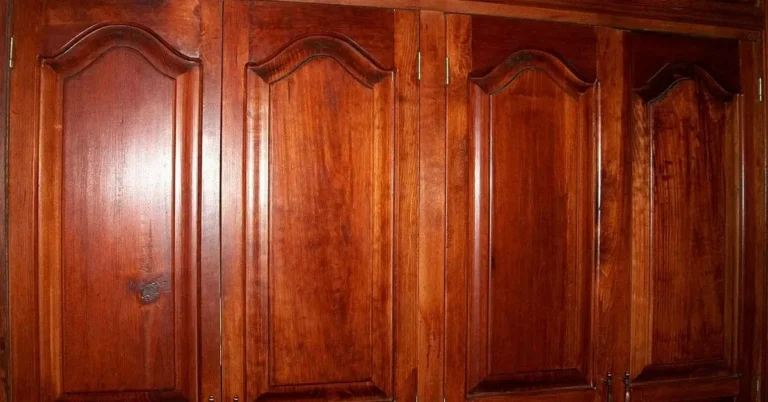
- Furniture making — chairs, tables, cabinets, and chests, where cedar’s lightweight strength, rich color, and finishing ease matter more than raw hardness.
- Outdoor building material — siding, decking, and roofing, where weather resistance and dimensional stability reduce long-term maintenance.
- Closets and storage — cedar-lined closets and chests use the wood’s natural oils as a passive, EPA-recognized moth deterrent.
- Fences and garden structures — heartwood grades hold up to ground contact and weather far longer than untreated pine.
For a full, category-by-category breakdown of specific cedar projects — indoor, outdoor, and specialty uses — see our complete guide to what people use cedar for.
Protecting Your Investment: Sealing and Finishing Cedar
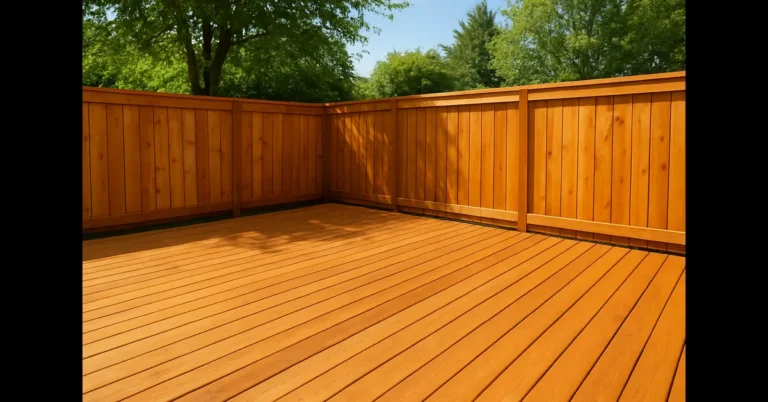
Cedar resists rot on its own, but an unsealed board will still gray and lose some surface protection from UV exposure within a year or two outdoors. A cedar-tone stain or clear sealer preserves the color and adds a topcoat of UV and moisture protection, which matters most on decks, siding, and fences that face direct sun.
Environmental Benefits: Is Cedar Actually Sustainable?
Cedar is biodegradable and, when harvested from responsibly managed forests, a renewable building material — but “eco-friendly” claims deserve real numbers, not just a green label. We built a full data-backed breakdown of cedar’s carbon footprint, harvesting practices, and how it compares to composite and treated alternatives in our cedar sustainability deep dive.
Common Mistakes When Choosing or Using Cedar
- Buying sapwood for ground contact. Only heartwood (the darker, reddish-brown center of the log) carries the natural rot-resistant compounds — pale sapwood decays like any untreated softwood.
- Leaving it unsealed outdoors and expecting no graying. Rot resistance and UV/color stability are different things; cedar will gray within a year or two without a sealer even though it isn’t rotting.
- Assuming cedar oil is a verified health remedy. Its insect-repellent action is EPA-recognized; claims about detoxifying the body, curing arthritis, or treating skin conditions are not backed by clinical evidence and shouldn’t guide health decisions.
Frequently Asked Questions
What are the main benefits of cedar wood?
Cedar heartwood’s biggest benefits are natural resistance to rot and wood-boring insects without chemical treatment, dimensional stability that resists warping, and a lightweight, easy-to-finish grain. It costs more than pressure-treated pine, but needs less long-term maintenance on visible outdoor surfaces.
Is cedar wood worth the extra cost compared to pine?
For visible, weather-exposed uses like siding, decking, fencing, and outdoor furniture, yes — the reduced maintenance and 15-30 year lifespan of heartwood cedar typically offsets its 2-4x higher board-foot cost. For hidden structural framing, pressure-treated pine is the more budget-efficient choice.
Does cedar really repel insects?
Yes, within limits. Cedarwood oil is registered by the EPA as a 25(b) minimum-risk pesticide active ingredient, and studies show it repels moths and some other insects. It is not a permanent barrier — the effect fades as the oil’s scent dissipates, typically over a few months to a few years depending on exposure and sealing.
Can cedar wood be used indoors?
Yes. Cedar is a common choice for closets, chests, cabinets, and furniture indoors, valued for its scent, insect-deterrent properties, and finish quality. Good ventilation is recommended during and after installation since fresh-cut cedar’s aromatic oils can be strong in an enclosed space.
Does cedar need to be sealed to last outdoors?
Not for rot resistance — heartwood cedar resists decay on its own. But without a UV-blocking sealer or stain, it will gray and lose surface luster within one to two years of sun exposure, so sealing is recommended for appearance and added weather protection, not survival.
Cedar earns its higher price on the jobs where its natural durability, workability, and low-maintenance finish actually get used — siding, decking, fences, furniture, and closets. For framing nobody will ever see, save the premium and use pressure-treated pine instead.
Sponsored / affiliate links. As an Amazon Associate I earn from qualifying purchases. I may earn additional commission from eligible campaigns.