How Many Cedar Trees Are Left in Lebanon? Real Numbers Behind the Symbol
Lebanon’s cedar forests once covered much of Mount Lebanon; today what’s left is a small, scattered fraction of that. The most-cited historic grove, the Cedars of God near Bsharri, holds roughly 375 living trees. Across the whole country, only an estimated few thousand hectares of actual Cedrus libani forest remain, spread across a handful of protected reserves rather than one continuous forest. Here’s where those remaining trees actually stand, how that count is tracked, and what’s putting pressure on even that smaller footprint right now.
How Many Cedar Trees Are Left in Lebanon Today
📊 The historic Cedars of God grove near Bsharri holds roughly 375 living trees. Nationally, the Al-Shouf Cedar Nature Reserve alone accounts for about 620 hectares of cedar forest — an estimated 25% of all remaining Cedrus libani forest in Lebanon — which puts total national cedar forest cover at roughly 2,000–2,500 hectares (other surveys estimate closer to 17 square kilometers). The range reflects that this is scattered wild forest, not a single measured plantation. — Sources: IUCN, Al-Shouf Cedar Nature Reserve
There’s no single annual census that counts every cedar tree in Lebanon the way a plantation inventory would. What conservation groups and researchers track instead is forest cover by reserve, plus tree-by-tree counts in the smaller, historically significant groves like the Cedars of God, where the population is small enough to survey directly. Both measures point the same direction: this is a species surviving in isolated pockets on a handful of mountainsides, not a forest that still spans the range it once did.
Where Lebanon’s Remaining Cedar Forests Actually Stand
The surviving cedar forest isn’t one block of trees — it’s split across a small number of protected, high-altitude sites on Mount Lebanon.
- Al-Shouf Cedar Nature Reserve: Lebanon’s largest nature reserve, established in 1996, covering roughly 550 square kilometers (about 5% of the country). It holds about 620 hectares of actual cedar forest — an estimated quarter of all remaining cedar forest nationwide.
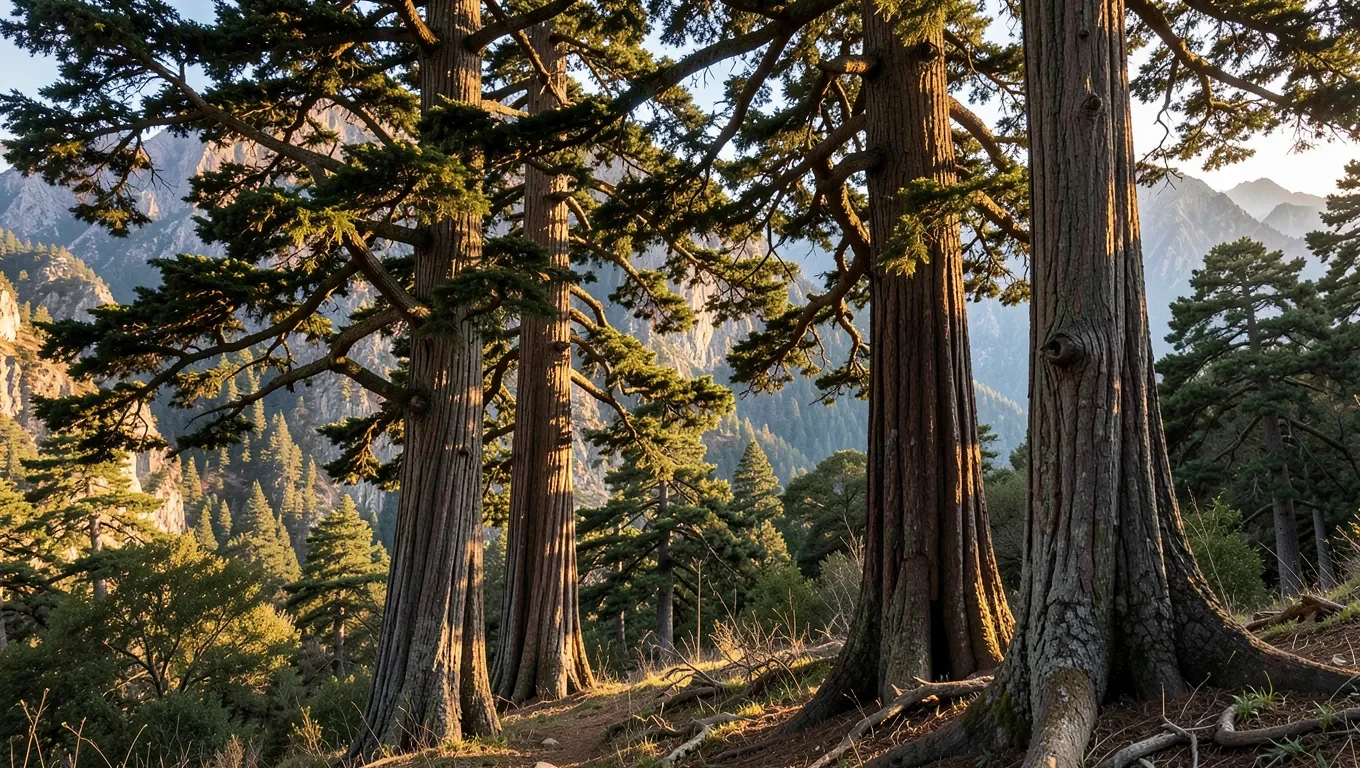
- The Cedars of God (Arz al-Rab), Bsharri: The most historically significant grove, protected since 1876 and a UNESCO World Heritage Site since 1998. Home to roughly 375 trees, some estimated at over 1,000 years old.
- Tannourine and Horsh Ehden reserves: Smaller protected cedar stands further north, part of the same patchwork of reserves that now hold most of what’s left of the species in the wild.
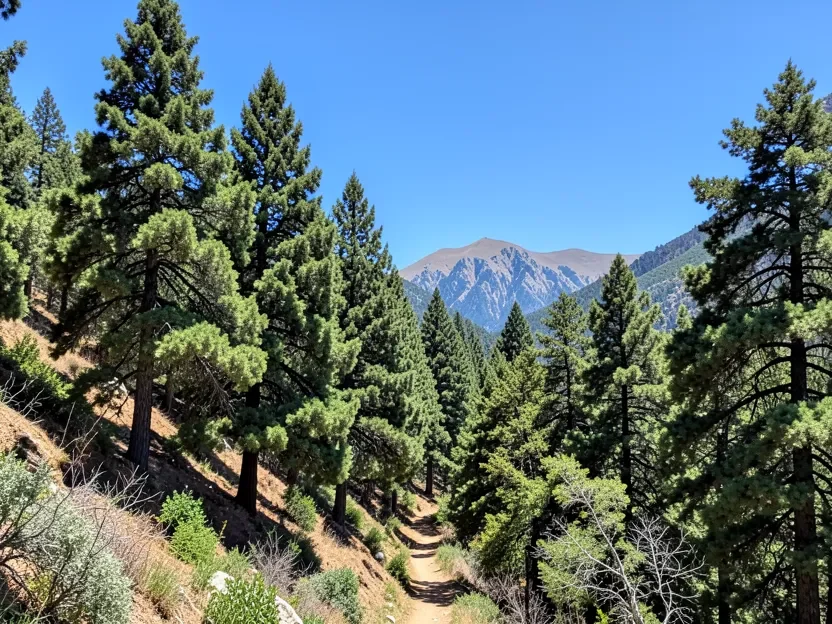
All of these sites sit at high elevation, generally above 1,300–1,900 meters — cedar needs the cooler, wetter mountain conditions found there, which is also part of why it was never going to recolonize lower ground on its own even without human pressure.
Why the Population Is a Fraction of What It Once Was
Cedar forests once covered a far larger stretch of Mount Lebanon. Millennia of logging — for Phoenician shipbuilding, temple construction, and fuel — steadily reduced that range down to the isolated pockets that remain today. That history is worth reading in full if you want the details (Phoenician trade routes, Solomon’s Temple, the Epic of Gilgamesh); we cover it separately in why the cedar tree matters to Lebanon. The short version for the numbers here: the demand was sustained across multiple empires for centuries, and a cedar forest doesn’t recover on that timescale — regrowth to a mature stand takes centuries, not decades, which is exactly why what survived by the 1800s is close to what’s still standing now.
The Modern Threat: A Warming Climate Is Changing the Insects That Kill Cedars
Historical logging explains why the population is small. Climate change is the reason it’s still shrinking. Two mechanisms are doing most of the damage:
- A sawfly that used to be harmless has become a real threat. The web-spinning cedar sawfly historically spent six to seven years dormant underground between outbreaks. Warmer temperatures have shortened that cycle so it now emerges every year, laying eggs on cedar buds that larvae then eat, killing the tree. The fungus that used to naturally keep sawfly numbers in check only survives in humid conditions — as the forests dry out, that natural control breaks down too.
- Drought and wildfire are moving up the mountain. Rising temperatures and worsening drought are pushing wildfires to higher altitudes than before, directly encroaching on the elevations where cedar survives. Regional climate projections put Middle East temperature increases at up to 4°C by the end of the century versus mid-1800s levels — a shift that would push extreme heatwaves well into the growing conditions cedar depends on.
Chemical pesticides are now banned in the reserves, so park authorities inject a fungus into the soil to kill dormant sawfly grubs instead — a more natural but less efficient method than spraying.
Is Lebanon Replanting Its Cedar Forests?
Lebanon’s Ministry of Agriculture launched a reforestation initiative aiming to plant 40 million native trees, including cedars, by 2030. As of recent reporting, fewer than 3 million trees had actually been planted under the scheme — a real shortfall against the stated goal, not a program that’s quietly on track. The Cedar of Lebanon is listed by the IUCN among threatened species, and conservation groups continue planting new groves outside the historic protected sites, but a cedar forest planted today won’t reach the scale of what was logged for another few centuries.
For context on the wood itself rather than the living tree — how it’s actually used once it’s cut, and why it was valuable enough to drive that logging in the first place — see our guide to what cedar wood is used for. For the native range of true cedar species more broadly, including how Cedrus libani compares, see where cedar trees grow.
Frequently Asked Questions
How Many Cedar Trees Are Left in Lebanon Today?
The historic Cedars of God grove near Bsharri holds roughly 375 trees. Nationally, total cedar forest cover is estimated at roughly 2,000–2,500 hectares (some surveys put it closer to 17 square kilometers), spread across a handful of protected reserves rather than counted as individual trees.
How Much Cedar Forest Cover Remains in Lebanon Overall?
The Al-Shouf Cedar Nature Reserve alone holds about 620 hectares of cedar forest, roughly a quarter of the national total. That puts Lebanon’s total remaining cedar forest cover in the low thousands of hectares, a small fraction of its historical range on Mount Lebanon.
What Is Threatening Lebanon’s Cedar Trees Right Now?
Climate change is the main modern threat, acting through two mechanisms: warming has caused the cedar sawfly to shift from a six-to-seven-year dormancy cycle to an annual one, killing more trees through repeated bud damage, and rising drought is pushing wildfires to higher, previously safer elevations.
Is Lebanon Replanting Its Cedar Forests Fast Enough?
Not currently on pace. The Ministry of Agriculture’s scheme targets 40 million native trees, including cedars, by 2030, but fewer than 3 million had been planted as of recent reporting — and a newly planted cedar forest takes centuries, not years, to reach maturity.
Conclusion
Lebanon’s cedar trees survive today in a small number of protected pockets — a few hundred old-growth trees in the historic Cedars of God grove, and a few thousand hectares of forest nationwide split mainly between the Shouf, Bsharri, Tannourine, and Horsh Ehden reserves. Centuries of logging set that low baseline; a changing climate, through drought, wildfire, and a sawfly that no longer stays dormant, is the reason the number is still under pressure now, even with reforestation efforts underway.
Sponsored / affiliate links. As an Amazon Associate I earn from qualifying purchases. I may earn additional commission from eligible campaigns.