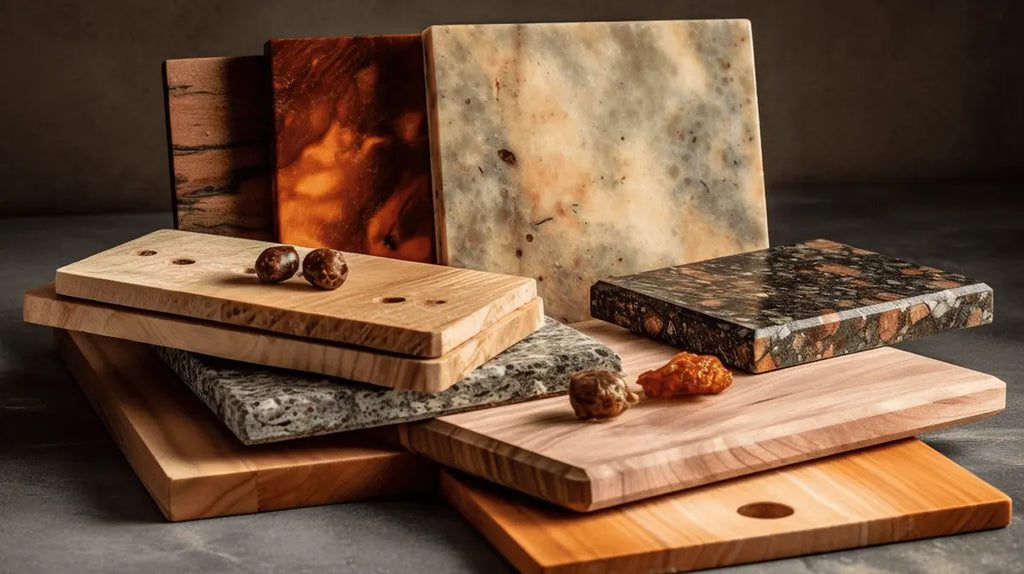
What is the Most Sanitary Wood for Cutting Boards: Expert Insights
Imagine slicing your favorite vegetables on a cutting board that’s not only beautiful but also incredibly sanitary. Have you ever wondered if the type of wood you choose for your cutting board could impact your health?
You might be surprised to learn that not all woods are created equal when it comes to keeping your kitchen safe and bacteria-free. You’ll discover which wood stands out as the most sanitary option for cutting boards. We’ll unravel the science behind wood’s natural antibacterial properties, helping you make an informed decision that ensures both your culinary creations and your loved ones stay safe.
Keep reading, and you’ll find out which wood takes the crown for cleanliness and why it could be the best choice for your kitchen.
Types Of Wood For Cutting Boards
Hardwoods come from trees that lose their leaves. They are usually dense and strong. Maple, oak, and walnut are popular hardwoods. They last long and resist scratches. Hardwoods are more sanitary for cutting boards. They don’t easily get deep cuts. Bacteria have less place to hide.
Softwoods come from trees that have needles. Pine and cedar are examples. These woods are softer and can get scratches easily. Deep cuts can trap germs. Softwoods are not ideal for cutting boards. They wear out faster than hardwoods.
Maple is a favorite choice for cutting boards. It’s tough and safe. Walnut is also popular. It is strong and looks beautiful. Bamboo is another good choice. It is not a hardwood but is very hard. It is also eco-friendly and grows fast. Always choose wood that is strong and dense for cutting boards.

Credit: www.healthierhomes.com
Sanitary Properties Of Wood
Some types of wood naturally fight germs. Hardwoods like maple and beech have these powers. They kill bacteria fast. Studies show germs die quickly on wood. Wood is better than plastic in this way.
Wood grain affects its cleanliness. Fine grains are safer. Maple has tight grain. This keeps germs out. Large pores can trap germs. Oak is an example. Choose wood with small pores for safety.
Expert Recommendations
Mapleis a top choice. It has a closed grain. This helps keep bacteria out. Beechis also great. It’s hard and durable. Less chance of knife marks. Teakhas natural oils. These oils resist germs.
Wash boards after use. Use warm water and soap. Dry them completely. Never leave them wet. Apply mineral oil monthly. This keeps wood healthy. Reduces cracks and damage. Avoid soaking in water. It can warp the wood. Store in a dry place. Protects it from moisture.
Comparing Wood To Other Materials
Wood is natural and has fewer chemicals. Plastic boards can get scratches. Bacteria hide in these scratches. Wood can heal itself over time. This helps keep it clean. Plastic may need replacing often. Wood is strong and lasts longer. It is also eco-friendly. Trees can be replanted. Plastic is made from oil. This is not renewable. Wood is often better for the earth.
Glass is smooth and easy to clean. But it can break. Wood is more gentle on knives. Glass can make knives dull. Wood is quieter when you chop. Glass makes noise. Wood feels warmer and more natural. Glass can feel cold. Wood can be more beautiful. It adds a natural touch to kitchens. Glass may not match all styles.
Environmental Impact
Wood is a renewable resource. It comes from trees that can be replanted. Many trees grow back fast. This makes wood a sustainable choice. Unlike plastic, wood does not add to landfill waste. It breaks down naturally.
Some wood types are better for the Earth. Bamboo is one option. It grows back very quickly. Maple and beech are also good choices. These woods are strong and durable. They last a long time, making them eco-friendly. Choosing these woods helps protect our planet.

Credit: www.healthierhomes.com
Tips For Choosing A Cutting Board
Durabilitymatters. Cutting boards must withstand daily use. Hardwoods like maple and walnut are strong. They resist scratches and keep surfaces smooth. This prevents germs from hiding in cracks.
Check the grain pattern. Tight grains resist moisture. Loose grains absorb water easily. Water trapped in wood can lead to bacteria.
Costvaries. Some woods are expensive. Others are affordable. Choose a board that fits your budget.
Keep the board dry. Moisture can cause rot. Wipe it after each use. Use soap and warm water to clean. Let it dry completely before storing.
Apply mineral oilmonthly. This keeps wood from drying out. It also prevents cracking. Regular oiling makes the board last longer.
Keep your board in a safe place. Avoid direct sunlight. Heat can warp the wood.
:max_bytes(150000):strip_icc()/Wood-vs-Plastic-Cutting-Board-4x3-fcf74ce0347a40f7897c661c937ec19e.jpg)
Credit: www.allrecipes.com
Frequently Asked Questions
What Is The Most Hygienic Material For A Cutting Board?
The most hygienic material for a cutting board is non-porous plastic. It resists bacteria growth and is easy to clean. Regular sanitizing ensures safe food preparation. Plastic cutting boards are durable, dishwasher-safe, and affordable, making them a popular choice for maintaining kitchen hygiene.
What Is The Most Hygienic Wooden Chopping Board?
The most hygienic wooden chopping boards are made from hard woods like maple or walnut. These boards resist knife scars, preventing bacterial growth. Regular cleaning with hot soapy water and prompt drying enhances their hygiene. Treating with mineral oil monthly maintains their surface, making them safer for food preparation.
What Is The Least Toxic Wood For Cutting Boards?
Maple is the least toxic wood for cutting boards. It is durable, non-toxic, and has natural antibacterial properties. This makes it a popular choice for safe food preparation. Maple’s tight grain prevents bacteria from penetrating, ensuring a hygienic cutting surface.
Always choose high-quality, untreated maple for the best results.
What Do Professional Chefs Use For Cutting Boards?
Professional chefs often use wooden or plastic cutting boards. Wooden boards are durable and gentle on knives. Plastic boards are easy to sanitize and affordable. Both types are popular due to their practicality and ease of maintenance. Chefs choose based on personal preference and specific kitchen needs.
Conclusion
Choosing the right wood for cutting boards ensures safety. Maple and walnut stand out for their durability and hygiene. These woods resist bacteria well, making them ideal choices. Regular cleaning and maintenance are crucial too. Always wash and dry boards thoroughly.
Avoid soaking them in water for long periods. Consider oiling them occasionally to maintain quality. A well-cared-for board lasts longer and stays safer. With the right wood, your kitchen stays clean and your food stays safe.