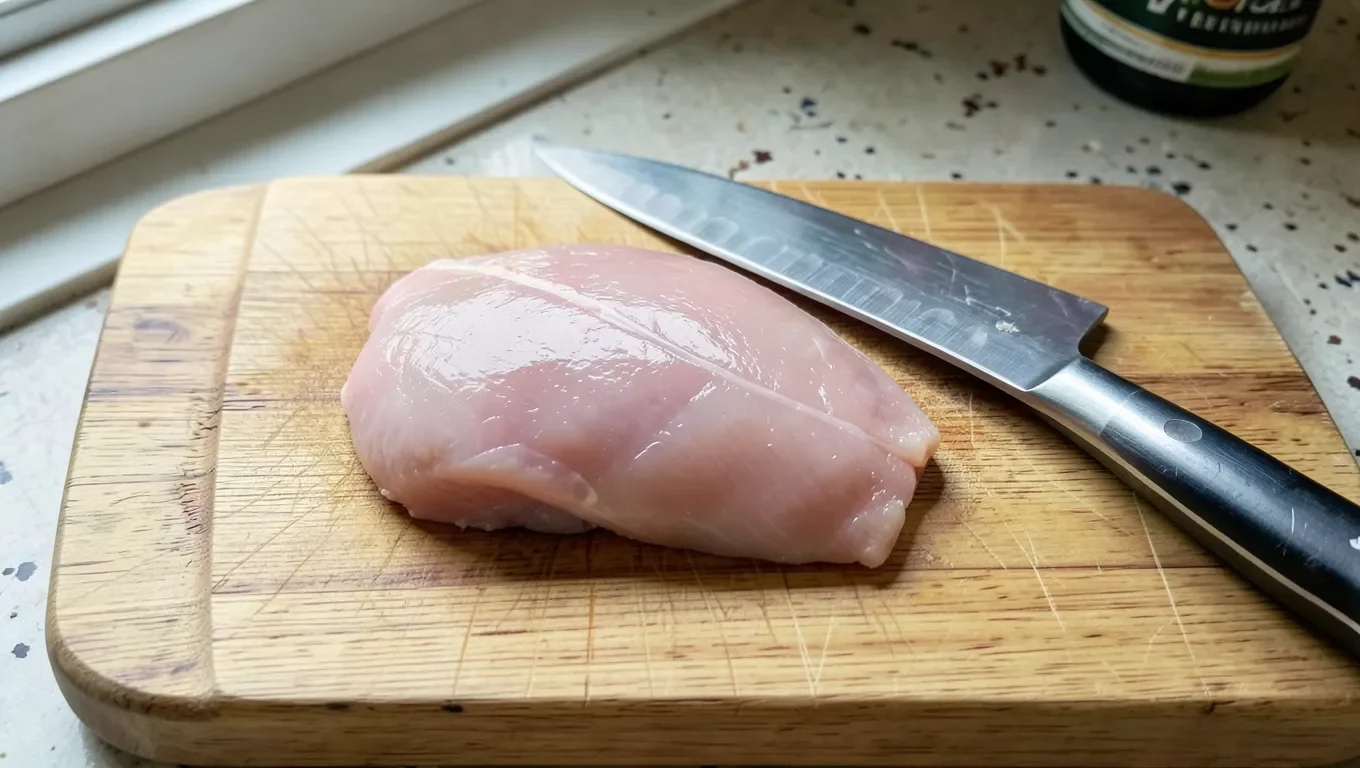
Can You Cut Chicken on a Wood Cutting Board? What the USDA Says
Yes, a wood cutting board is safe for raw chicken, and the USDA’s own Meat and Poultry Hotline says consumers can use either wood or a nonporous board for raw meat and poultry. The real safety factor isn’t the material, it’s what happens after the chicken comes off the board: how quickly you wash it, how thoroughly, and whether you’re using a board with grooves deep enough to hide bacteria from a normal scrub. Here’s what the USDA guidance and the food-science research on wood actually say, plus the exact cleaning routine that keeps a wood board safe for poultry.
Is a Wood Cutting Board Safe for Raw Chicken?
Best Board Conditioner for Raw-Poultry Safety
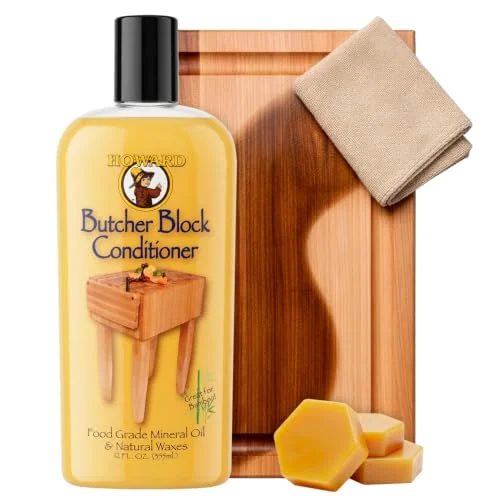 |
Howard Products Butcher Block Conditioner – $9.18 Keeping a wood board’s pores sealed is one of the biggest factors in whether it stays sanitary after raw chicken touches it.
|
Wood is porous, and it’s true that raw chicken juice can soak a little into the surface fibers. But food-safety research has actually found that being porous works in wood’s favor in one specific way: bacteria that land on wood get pulled down into the fibers, away from the surface a knife or a hand will touch next, where they die off rather than sitting on top the way they can on a scratched plastic board. That’s the finding behind wood’s reputation as a “self-sanitizing” material, and it’s why the USDA doesn’t require a nonporous board for chicken, it just notes that nonporous surfaces are generally easier to clean.
What the USDA Actually Recommends
The USDA’s Food Safety and Inspection Service (FSIS) Meat and Poultry Hotline guidance on cutting boards is more permissive than most people assume. It says a wood or a nonporous surface can both be used for cutting raw meat and poultry; the agency’s actual concern is cross-contamination between that board and anything eaten raw or with minimal further cooking, like produce or bread. The standard advice is to use one board for raw meat, poultry, and seafood, and a separate board for produce and bread, so bacteria from raw chicken never gets a path to food that won’t be cooked afterward.
One detail surprises a lot of people: FSIS guidance says solid wood cutting boards can go in a dishwasher along with nonporous ones. The dishwasher isn’t a food-safety problem for wood, it’s a durability one, the heat and prolonged soaking common in dishwasher cycles are what cause a solid wood board to warp, crack, or split at the glue lines over time. Most woodworkers and kitchen pros still recommend hand-washing wood boards for that reason, not because the dishwasher is unsafe, but because it shortens the board’s life. Either way, once a board becomes excessively worn or develops deep, hard-to-clean grooves, USDA guidance says to replace it.
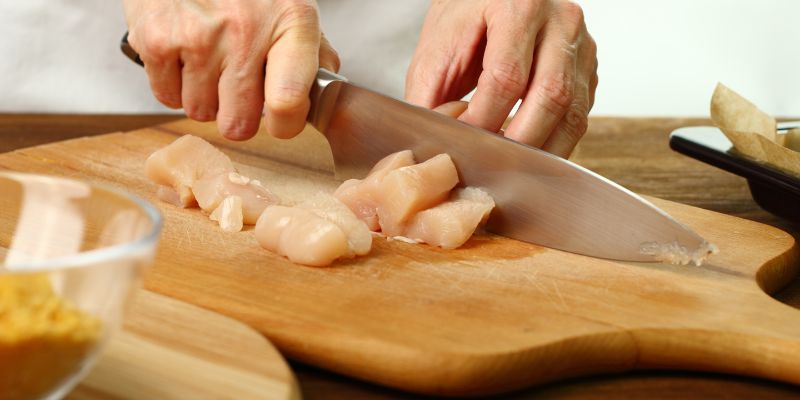
The Research Behind Wood’s Natural Antimicrobial Reputation
The idea that wood fights bacteria better than plastic traces back to food-science research out of UC Davis, most notably work by food-safety researcher Dean O. Cliver in the 1990s. His team deliberately contaminated wood and plastic cutting boards with bacteria like Salmonella and E. coli, then checked what survived. On the plastic boards, bacteria that settled into knife scratches could survive and, left at room temperature, even multiply overnight. On the wood boards, bacteria applied to the surface were absorbed into the wood fibers and became difficult to recover within a short time, the wood’s natural moisture-wicking and antimicrobial compounds appear to work against them.
That research is real and well cited in food-safety circles, but it doesn’t mean a wood board is bacteria-proof or that you can skip cleaning it. It means an intact, well-maintained wood surface has a natural advantage that a heavily scratched plastic board doesn’t. A wood board that’s gouged, cracked, or splitting loses that advantage, because bacteria can hide in physical damage on either material. The safety upside of wood depends on the board being in good condition, not on the material alone.
Wood vs. Plastic for Raw Chicken: The Real Trade-Offs
Neither material is flatly “safer” once you account for how each one actually gets used in a kitchen. Plastic is non-porous and dishwasher-safe, which makes it more forgiving if you’re not going to hand-wash and sanitize right away, but a heavily used plastic board develops deep knife scratches that can shelter bacteria even through a dishwasher cycle, and dull, worn plastic is one of the more common cutting-board food-safety complaints. Wood is gentler on knife edges and, when undamaged, gives bacteria fewer places to survive on the surface, but it demands prompt hand-washing and periodic conditioning to stay sealed and crack-free.
In practice, the material matters less than the habit. A wood board that gets scrubbed with hot, soapy water immediately after raw chicken, sanitized, and dried is safer than a plastic board left to air-dry with chicken residue still in its scratches. The reverse is also true. Pick the material you’ll actually maintain consistently, and treat the cleaning routine below as non-negotiable regardless of which one you use.
How to Clean a Wood Board After Cutting Chicken
USDA guidance on cutting-board cleaning is straightforward, and it applies to wood the same as anything else:
- Wash immediately with hot, soapy water right after the chicken comes off the board, don’t let it sit.
- Scrub the grooves, not just the flat surface, a stiff brush gets into knife marks where residue collects.
- Rinse with clean water to remove all soap and loosened residue.
- Sanitize if you want extra assurance, a diluted bleach solution (about 1 tablespoon of unscented bleach per gallon of water) or a food-safe sanitizing spray, left on the surface for a minute, then rinsed.
- Dry completely, air-dry standing on edge or pat dry with a clean towel, since trapped moisture is what actually lets bacteria and warping take hold.
- Condition periodically with a food-grade mineral oil or butcher-block conditioner to keep the surface sealed against moisture and cracking.
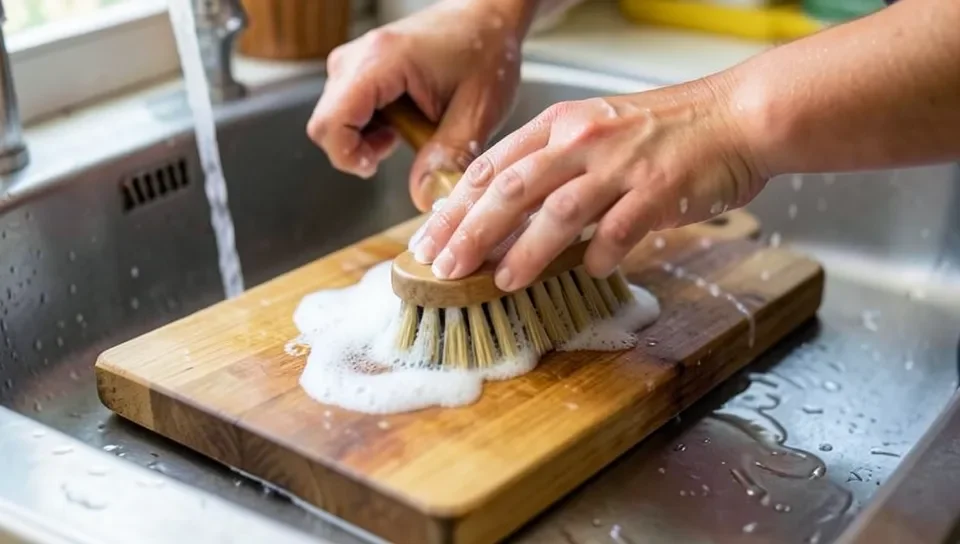
Skip the vague “quick rinse” that a lot of people treat as good enough. A rinse under running water removes visible mess but doesn’t reliably clear bacteria out of a board’s surface, wood or plastic. Soap plus a scrub brush is doing the actual work.
Should You Dedicate a Separate Board to Raw Poultry?
It’s not strictly required if you’re cleaning thoroughly between uses, but dedicating one board to raw meat and poultry is a genuinely common practice in professional kitchens, where color-coded cutting board systems (often a distinct color reserved for poultry) exist specifically to prevent cross-contamination without relying on someone remembering to wash between tasks. At home, that can be as simple as keeping one wood board for produce and bread and a second, separate board (wood or plastic, your call) that only ever touches raw meat and poultry. If you’d rather keep one board for everything, the USDA’s own workaround is sequencing: cut produce and anything eaten raw first, chicken last, then wash immediately.
Common Mistakes That Actually Cause Cross-Contamination
- Cutting produce right after chicken without washing the board first. This is the single most common way cross-contamination actually happens, not the board material itself.
- Rinsing instead of washing. Water alone doesn’t remove bacteria from grooves the way soap and a brush do.
- Letting the board air-dry with the chicken side down or piled with other dishes, which traps moisture against the surface.
- Ignoring deep knife grooves. Once a board is heavily scored, bacteria can hide below where a normal scrub reaches, regardless of whether it’s wood or plastic. Sand a wood board down or replace it once it gets to that point.
- Never conditioning a wood board. A dried-out, cracking board has more surface area and more hiding spots for bacteria than a well-sealed one.
Frequently Asked Questions
Can I cut raw chicken on a wood cutting board?
Yes. The USDA permits wood or nonporous boards for raw meat and poultry. What matters is washing with hot, soapy water immediately afterward, sanitizing if you want extra assurance, and drying the board completely.
Is wood or plastic better for raw chicken?
Neither is definitively safer. Plastic is easier to clean and dishwasher-safe but develops scratches that can trap bacteria over time. Wood is gentler on knives and has natural antimicrobial properties documented in UC Davis research, but it needs prompt hand-washing and periodic oiling to stay sealed.
Can a wood cutting board go in the dishwasher?
USDA guidance says solid wood boards can technically be washed in a dishwasher. Most woodworkers still recommend hand-washing instead, because the heat and prolonged moisture of a dishwasher cycle can warp or crack a wood board over time, that’s a durability issue, not a food-safety one.
Do I need a separate cutting board just for chicken?
Not strictly, as long as you wash the board thoroughly between raw chicken and anything else. But dedicating a board to raw meat and poultry, the same logic behind color-coded boards in professional kitchens, removes the risk of forgetting to wash between steps.
How do I clean a wood cutting board after chicken?
Wash immediately with hot, soapy water and a scrub brush, rinse, sanitize with a diluted bleach solution or food-safe sanitizer if you want extra assurance, then dry completely. Condition the board periodically with a food-grade mineral oil to keep the surface sealed.
What wood is best for a cutting board used on raw meat?
Closed-grain hardwoods like maple, walnut, or cherry are the standard choice, they’re dense enough to resist deep scoring better than softer woods like pine or cedar, which score and hold residue more easily.
Sponsored / affiliate links. As an Amazon Associate I earn from qualifying purchases. I may earn additional commission from eligible campaigns.