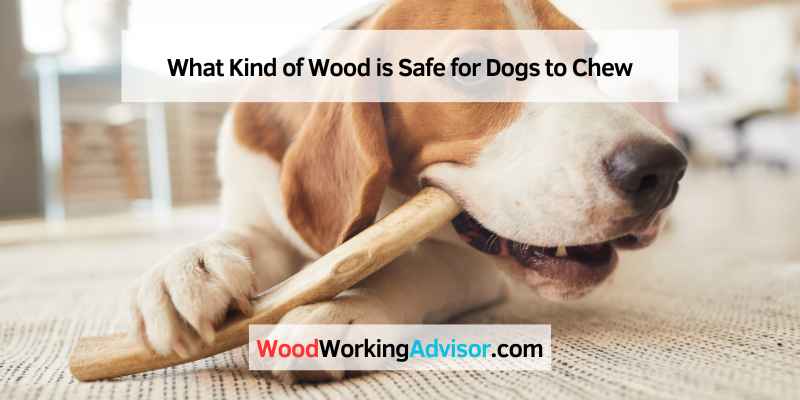
What Kind of Wood Is Safe for Dogs to Chew? (None, Really)
No wood is fully “safe” for dogs to chew — veterinarians generally advise against real sticks altogether, regardless of species, because any wood can splinter, puncture the mouth or throat, or cause a life-threatening intestinal blockage. Some wood species are also directly toxic. If your dog loves to chew, a purpose-made alternative like a coffee wood chew or a rubber toy is genuinely safer than any stick from the yard.
This corrects a common myth repeated across a lot of pet sites: that “any wood is fine as long as it’s untreated.” Veterinary emergency rooms see real, serious injuries from stick chewing every year. This guide covers which tree species are actually toxic, why splintering has nothing to do with hardwood vs. softwood, and which wood-like products vets consider genuinely safer.
Quick Answer
Real sticks and yard wood are not recommended by veterinarians, regardless of species — splinter, choking, and internal injury risks apply to all wood. Avoid black walnut, cherry, horse chestnut, laburnum, oleander, sassafras, and yew entirely; these are toxic to dogs. For safer chewing, choose purpose-made coffee wood chews (which break into soft pulp instead of sharp splinters) or rubber toys.

Is Any Wood Actually Safe For Dogs To Chew?
Not really, no — and this is the point where a lot of advice online gets it wrong. It’s not about picking the “right” species of tree. Real wood, whatever kind it is, breaks unpredictably. Splinters embed in the tongue, gums, and the back of the throat; larger fragments can wedge between teeth or against the roof of the mouth; and swallowed pieces can perforate or block the intestines, which is often a surgical emergency.
📊 A 2019 report from Direct Line Group in the UK found that an estimated 1.4 million dogs had been injured by sticks — from splinters and mouth punctures to internal injuries requiring surgery. — Source: Preventive Vet, citing Direct Line Group
“Stick chewers are at risk of a multitude of problems, ranging from wood splinters stuck under their gums and other tissues in the mouth to obstruction of their digestive and/or respiratory tract with wood.”
That’s why the old advice to “just pick softwood like pine or cedar over hardwood” doesn’t hold up — splintering risk isn’t a hardwood-vs-softwood issue, it’s a real-wood issue. Any species can shatter into sharp fragments under a dog’s jaw pressure.
Wood That Is Toxic To Dogs
Beyond the physical injury risk that applies to all wood, certain species are also directly poisonous if chewed or ingested. Per veterinary sources, these should be avoided entirely:
| Wood/Tree | Symptoms If Ingested |
|---|---|
| Black walnut | Digestive upset, musculoskeletal signs, neurological signs |
| Cherry | Abdominal pain, difficulty breathing, dilated pupils, vomiting/diarrhea, drooling |
| Horse chestnut | Vomiting, diarrhea, unsteadiness, seizures |
| Laburnum | Vomiting, agitation, rapid breathing, convulsions, coma |
| Sassafras | Diarrhea, drooling, lethargy, liver issues with continued exposure |
| Yew | Difficulty breathing, muscle tremors, seizures, sudden death from acute heart failure |
If your dog has chewed on wood and you’re not sure what species it is or whether it’s toxic, contact the Pet Poison Helpline (855-764-7661) or ASPCA Animal Poison Control (888-426-4435) right away — fees may apply but it’s worth it for peace of mind or urgent guidance.
What About Maple, Beech, Mulberry, Or Olive Wood?
None of these are on the toxic list above, so they aren’t poisonous in the way black walnut or yew are. But “non-toxic” is not the same as “safe to chew” — the splinter, puncture, and blockage risks described above apply to maple, beech, mulberry, and olive wood exactly the same way they apply to any other real wood. Dense hardwoods like olive can actually be harder on teeth, increasing fracture risk with aggressive chewers.
Are Coffee Wood Chews Actually Safer?
Yes, meaningfully so — and this is a genuine exception worth knowing about. Coffee wood chews (made from the wood of coffee plants, popular in New Zealand and increasingly available in the US) are dense and fibrous, but when a dog chews through them, they break down into soft, pulp-like flakes rather than sharp splinters. That structural difference is what makes them a reasonable alternative to yard sticks, though supervision and correct sizing still matter, and very hard chews of any kind (including coffee wood) can still fracture teeth in strong chewers.
Safer Alternatives To Real Sticks
Verified Safer Chew Alternatives

Canophera Coffee Wood Dog Chew
Breaks into soft pulp rather than sharp splinters — the safer engineered alternative to yard sticks.
Check Price on Amazon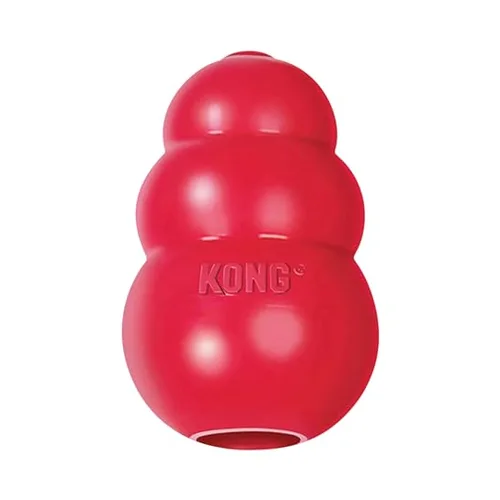
KONG Classic Rubber Toy
Durable natural rubber, no splinter risk, stuffable for extra engagement.
Check Price →
WoofBite Rubber Stick Toy
A stick-shaped, non-toxic rubber toy — the exact alternative AKC recommends over real sticks.
Check Price →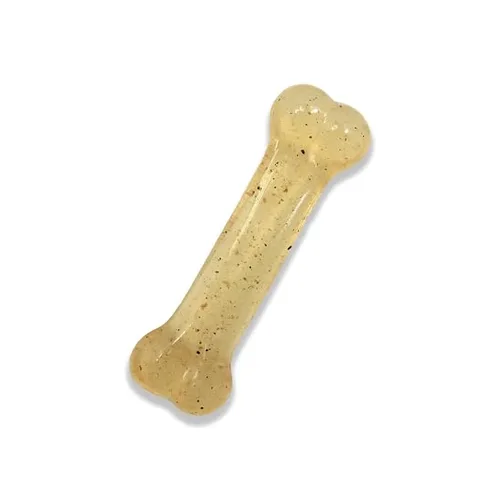
Nylabone Flexi Chew
A flexible option for moderate chewers, gentler on teeth than very hard chews.
Check Price →If You Still Let Your Dog Chew Sticks
If you can’t fully avoid it, at minimum: never leave your dog unsupervised with a stick, remove any piece once it starts breaking into fragments, don’t throw sticks for fetch (impalement injuries happen when a thrown stick lodges upright and the dog runs onto it), and check your dog’s mouth after any outdoor chewing session for embedded splinters, cuts, or unusual bad breath, which can signal a lodged fragment.
Frequently Asked Questions
Is It Safe For Dogs To Chew On Wood?
Not really. Veterinarians generally advise against real wood and sticks for chewing, regardless of species, due to splinter, puncture, and intestinal blockage risks. Purpose-made alternatives like coffee wood chews or rubber toys are meaningfully safer.
What Wood Is Toxic To Dogs?
Black walnut, cherry, horse chestnut, laburnum, oleander, sassafras, and yew are all toxic to dogs if chewed or ingested, with symptoms ranging from digestive upset to, in the case of yew, sudden heart failure.
Are Coffee Wood Chews Safe For Dogs?
Yes, more so than natural sticks. Coffee wood breaks down into soft pulp rather than sharp splinters when chewed, though supervision and correct sizing still matter, and it can still be hard enough to fracture teeth in aggressive chewers.
Can Dogs Chew On Maple, Beech, Or Olive Wood?
None of these are toxic species, but “non-toxic” doesn’t mean “safe to chew” — the same splinter and injury risks that apply to any real wood apply here too. A purpose-made chew is still the safer choice.
Conclusion
There’s no wood species that makes stick-chewing genuinely safe — the splinter, puncture, and blockage risks apply across the board, and several species (black walnut, cherry, yew, and others) are outright toxic on top of that. If your dog loves to chew, a coffee wood chew or a rubber toy gives them the same satisfaction with far less risk. When in doubt, ask your veterinarian before letting your dog chew any wood you’re unsure about.
Sponsored / affiliate links. As an Amazon Associate I earn from qualifying purchases. I may earn additional commission from eligible campaigns.