What Plants Avoid Wood Ash Garlic: A Gardener’s Guide
Imagine transforming your garden into a thriving paradise, only to discover that something as seemingly harmless as wood ash is quietly hindering your plants’ growth. You might be wondering if garlic, a favorite in many gardens, is one of those plants affected.
Understanding which plants react negatively to wood ash is crucial for maximizing your garden’s potential. This insight not only saves you time and effort but also elevates your gardening game to new heights. Ready to uncover the mystery and ensure your garden flourishes?
You’re about to learn how to make every plant thrive without the hidden setbacks. Dive in and discover the secrets that could change your gardening experience forever.
Credit: www.grainews.ca
Benefits Of Wood Ash In Gardening
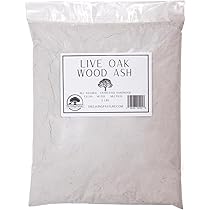
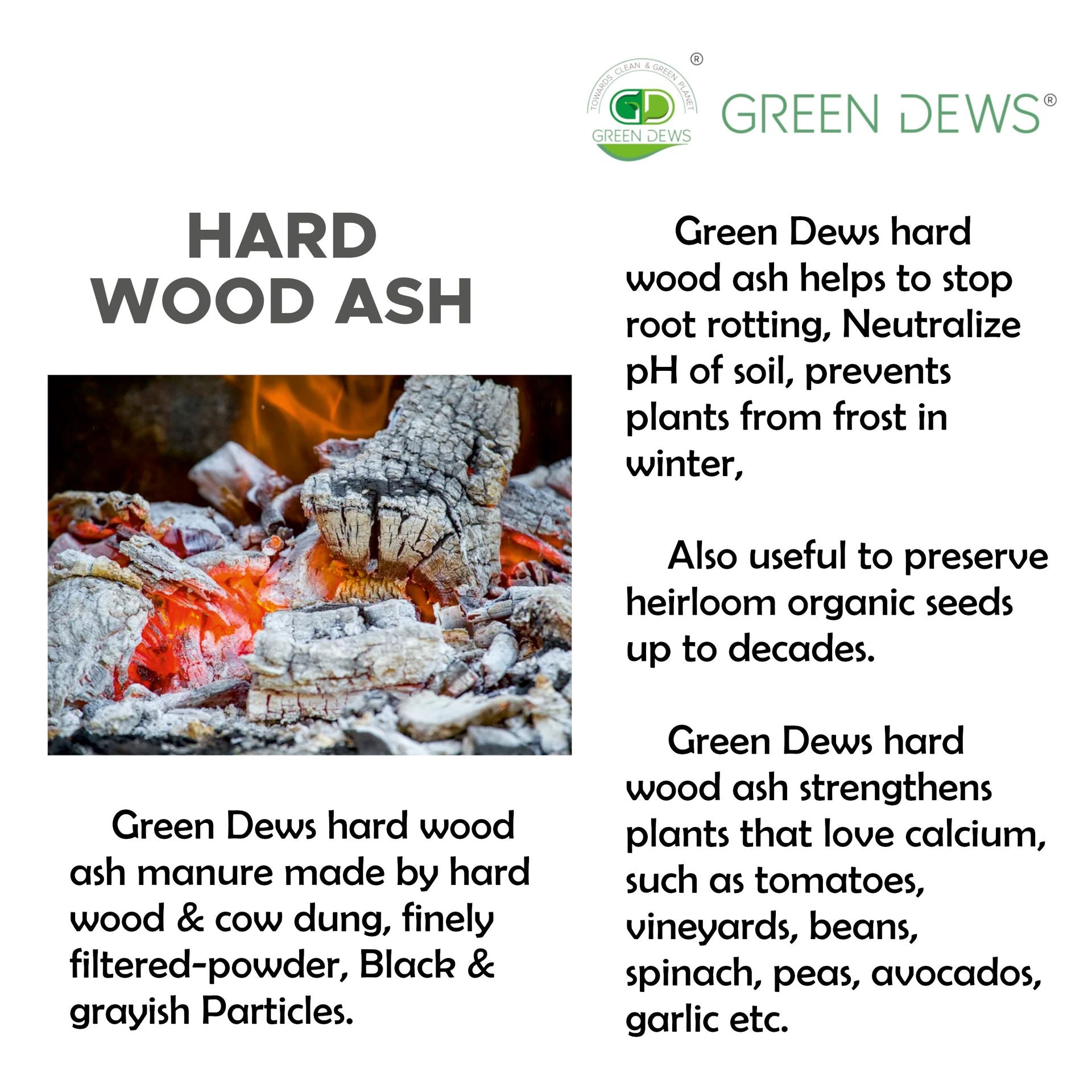
Wood ash can help plants grow strong. It adds important nutrients to the soil. These nutrients include calcium and potassium. They are very good for plants. Wood ash also makes the soil less sour. This is called reducing acidity. Plants like less sour soil.
Some bugs do not like wood ash. Using ash can keep them away. This means plants can grow without being eaten. But not all plants like wood ash. Some plants do not grow well with it. Garlic is one such plant. Be careful where you use ash.
Why Some Plants Dislike Wood Ash
Plants like blueberries dislike wood ash. They prefer acidic soil. Wood ash makes soil more alkaline. This is bad for blueberries. Rhododendrons also suffer from wood ash. They need acidic conditions. Wood ash changes this balance. Strawberries don’t like wood ash either. Their growth slows down.
Garlic is another plant avoiding wood ash. It favors neutral soil. Wood ash can harm garlic roots. The nutrients in wood ash are not suitable. Many plants need different soil types. Wood ash can disrupt this need. It’s important to know which plants dislike wood ash.
Garlic And Its Sensitivity To Alkaline Soil
Garlic does not like alkaline soil. Wood ash can make soil alkaline. This is not good for garlic. It prefers soil that is neutral or slightly acidic. Soil pH is very important for garlic growth. If soil is too alkaline, garlic will not grow well. Leaves may turn yellow. Bulbs may be small. Keep soil pH between 6.0 and 7.0 for garlic. Use soil testers to check pH. Do not add too much wood ash. It can change soil quickly.
Credit: www.boston.com
Plants Sensitive To Wood Ash
Some plants love acidic soil. These include blueberries, azaleas, and rhododendrons. Wood ash can make soil less acidic. This is not good for these plants. They need acid to grow well. Using wood ash can harm them. It’s best to keep ash away from them.
Root vegetables like carrots and potatoes do not like wood ash. Ash can cause their soil to be too alkaline. This can lead to poor growth. These vegetables grow best in balanced soil. Keep the ash far from their garden beds.
Some fruit-bearing plants are sensitive to wood ash. Strawberries and raspberries might not do well with it. Too much ash can change the soil balance. This can make it hard for these fruits to grow well. Avoid using ash near these plants.
Alternatives To Wood Ash For Sensitive Plants
Compost is a great choice for plants that dislike wood ash. It is rich in nutrients and helps plants grow strong. Many kitchen scraps can be used to make compost. Banana peels and apple cores are good examples. Compost also helps soil hold water better. This is very helpful in dry areas. Plants love the rich, dark soil compost makes. It smells earthy and fresh. Perfect for healthy growth.
Organic mulches protect plants from dry weather. They keep the soil moist and cool. Straw and shredded leaves make great mulch. These materials break down slowly, adding nutrients to the soil. Mulch also stops weeds from growing around plants. This means less work for gardeners. Flowers and veggies thrive under mulch. It is easy to spread around plants. A simple way to keep plants happy.
Natural fertilizers feed plants without chemicals. Bone meal and fish emulsion are good choices. They add nutrients like nitrogen and phosphorus to the soil. Plants grow better and produce more blooms. Natural fertilizers do not harm the environment. They are safe for kids and pets. Easy to apply with water or soil. Happy plants make happy gardens.

Credit: www.youtube.com
Safe Application Of Wood Ash
Testing soil pH is very important before using wood ash. Wood ash can make the soil more basic. Plants like very specific soil types. Some plants like acidic soil. Others like basic soil. You can use a simple kit to test soil pH. Kits are sold in garden stores. Follow the instructions on the kit. This will tell you if your soil is too acidic or basic.
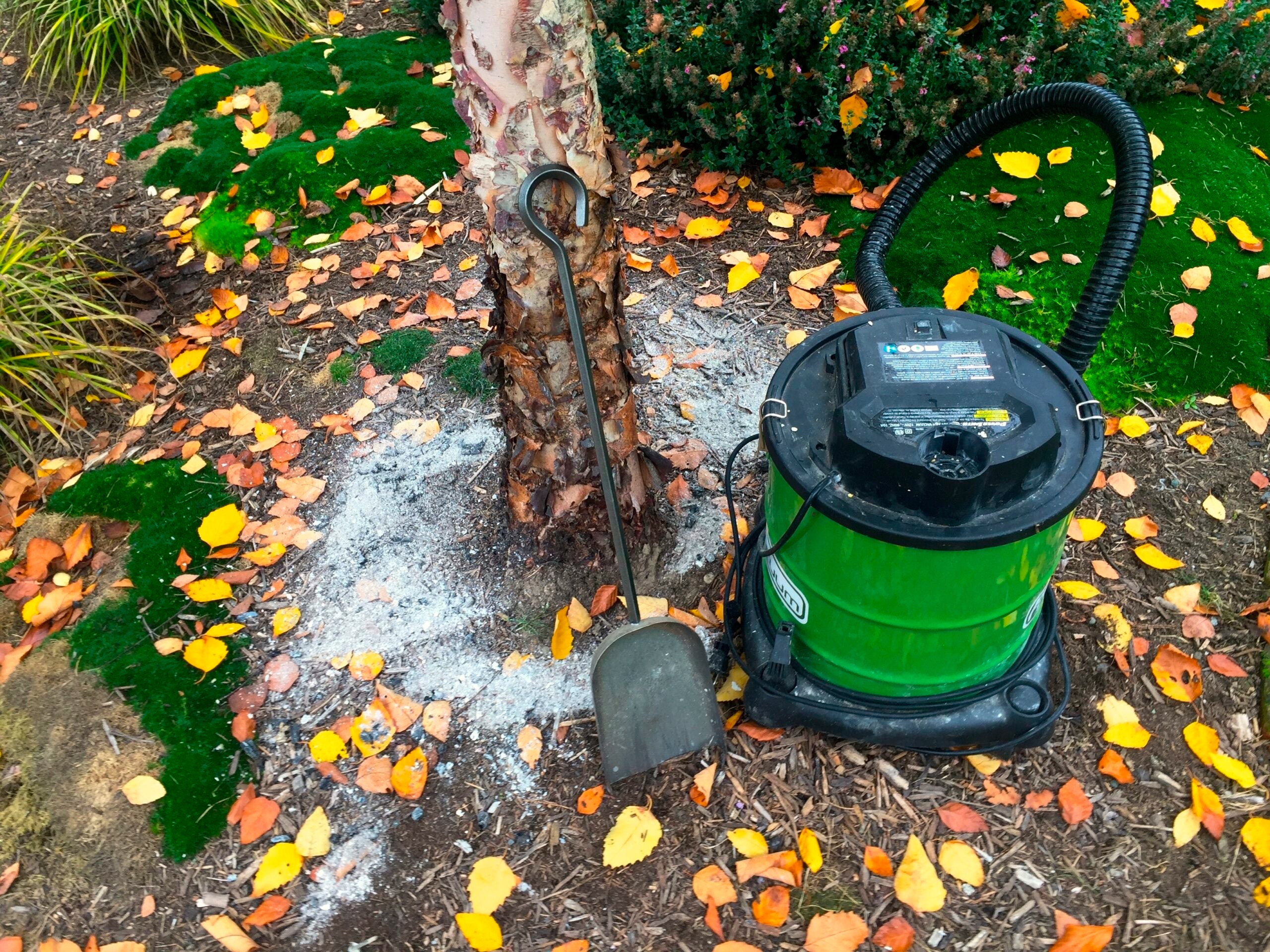
Wood ash should be applied in thin layers. Too much ash can harm plants. Sprinkle ash lightly over the soil. Mix it into the top layer. Water the area after spreading. This helps the ash mix with the soil. Avoid using wood ash near young plants. Their roots are sensitive to changes.
Spring and fall are the best times for using wood ash. Plants are not growing fast in these seasons. Avoid using ash during heavy rains. The rain can wash away the ash. Store wood ash in a dry place. Wet ash can be hard to spread. Use wood ash carefully to help plants grow.
Common Mistakes With Wood Ash
Using too much wood ash can harm your plants. Plants need balance. Too much ash makes soil too alkaline. This hurts plant growth. Always use ash in small amounts. Mix it well into the soil. This helps plants grow strong. Watch how your plants react. Adjust ash use if needed.
Each plant has different needs. Not all plants like wood ash. Some plants prefer acidic soil. Wood ash can make soil too alkaline for them. Check what your plant needs. Only add ash if it’s right. This helps plants stay healthy. Look at your plants often. Make sure they are happy.
Store wood ash in a dry place. Moisture causes clumping. Wet ash is hard to spread evenly. Use a container with a lid. This keeps ash dry and ready to use. Label the container. Make sure kids and pets can’t reach it. Keep ash safe for when you need it.
Frequently Asked Questions
Do Garlic Plants Like Wood Ash?
Garlic plants benefit from wood ash as it provides essential nutrients like potassium and calcium. Use sparingly to avoid altering soil pH. Sprinkle lightly around the base to improve growth and yield. Ensure the ash is free from chemicals or additives for safe use in gardens.
What Plants Cannot Be Planted With Garlic?
Garlic should not be planted with beans, peas, asparagus, sage, and parsley. These plants can hinder garlic’s growth. Avoid planting garlic near these to ensure healthy development. Companion planting requires careful planning for optimal results.
Which Plants Do Not Like Wood Ash?
Plants that prefer acidic soil, like blueberries, rhododendrons, and azaleas, dislike wood ash. Wood ash raises soil pH, which harms acid-loving plants. Avoid using wood ash near these plants to ensure they thrive. Use wood ash only for alkaline-loving plants to support healthy growth.
Do Onions Benefit From Wood Ash?
Yes, onions benefit from wood ash. It enriches the soil with potassium and raises pH levels. Apply sparingly to avoid over-alkalinity. Ensure soil remains well-balanced for optimal onion growth.
Conclusion
Understanding which plants dislike wood ash garlic is crucial. This helps in planning your garden effectively. Wood ash can affect plant growth and soil health. Some plants may thrive, while others suffer. Always research before adding wood ash to your garden.
Monitor plant health regularly for best results. Experiment and learn what works best in your soil. Share your gardening experiences with others. Help create a community of informed gardeners. Keep exploring natural gardening methods. Enjoy growing a healthy, vibrant garden.
Your plants will thank you with a bountiful harvest.