How to Spread Wood Ash on Your Lawn (and When Not To)
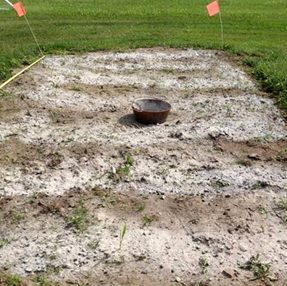
Wood ash is a free, genuinely useful lawn amendment for the right soil, and a real risk for the wrong one. Here’s how to tell which situation you’re actually in before you spread a single handful. For the full benefits-vs-risks breakdown and how wood ash compares to lime and fertilizer, see our wood ash on lawn guide.
Test Your Soil First — This Determines Everything Else
Test Before You Spread
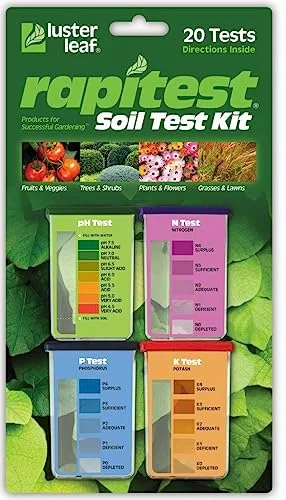 |
Rapitest Soil Test Kit – $15.31 Wood ash only helps a lawn that’s already acidic — spreading it on neutral or alkaline soil does real, if slow-building, harm. A five-minute test is the difference between helping and hurting.
|
Wood ash is alkaline and raises soil pH, which means it only genuinely helps a lawn growing in acidic soil — on neutral or alkaline soil, or around acid-loving plants, it can do real harm. Most lawn-care guides skip straight to “how much to spread” without mentioning this, but it’s the actual first decision: a soil pH test (five minutes, cheap kit) tells you whether wood ash belongs on your lawn at all before you spread a single handful.
Why Wood Ash Helps (Sometimes)
Wood ash acts somewhat like lime: it raises soil pH and adds potassium and calcium, both useful nutrients for grass. If your lawn’s soil tests acidic (common in regions with heavy rainfall or under pine trees), a light application can genuinely improve growing conditions. If your soil is already neutral or alkaline, the same application pushes pH in the wrong direction, which can lock out nutrients your grass needs and stunt growth instead of boosting it — the opposite of the intended effect.
Choosing and Preparing the Ash
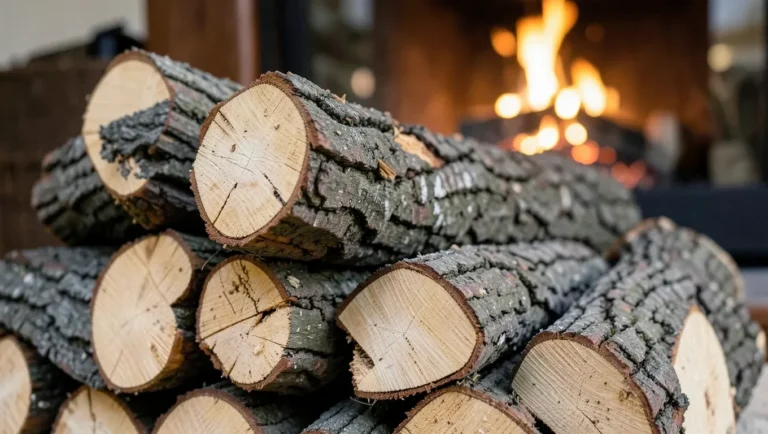
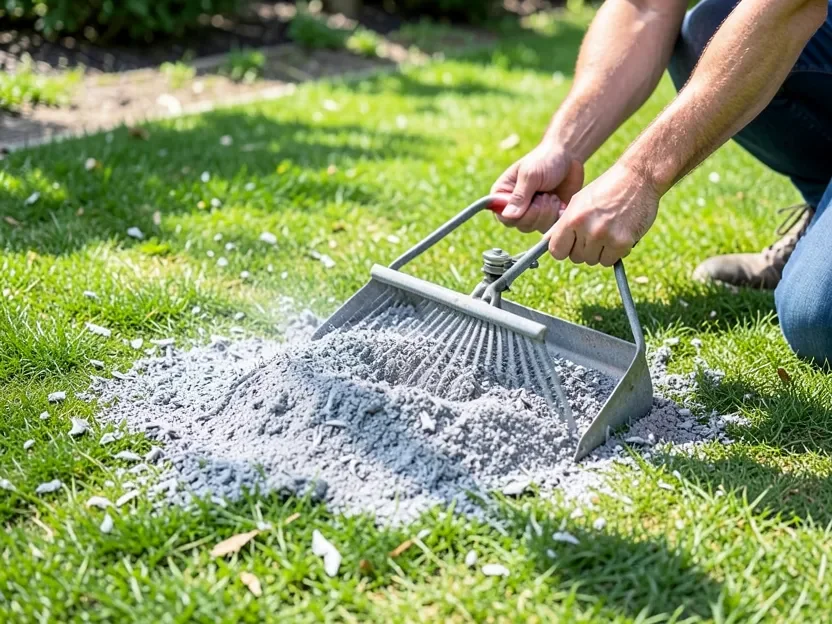
Only use ash from clean, untreated wood — never from painted, stained, or pressure-treated lumber, charcoal briquettes, or anything with glossy magazine paper or plastic mixed in, all of which can introduce real contaminants into your soil. Hardwood ash (oak, maple) generally carries more nutrient value than softwood ash (pine). Sift out unburned chunks and any nails or metal fragments, and keep the ash dry until use — wet ash clumps and spreads unevenly.
How Much to Spread
A reasonable rate is 10-15 pounds of ash per 1,000 square feet (see our wood ash pH dosage breakdown for garden beds specifically), applied no more than once a year — more than that risks over-alkalizing even acidic soil over time. Spread it in a thin, even layer with a broadcast spreader on a low setting rather than by hand, on a calm day (wind scatters the fine dust unpredictably), and water it in lightly afterward so it settles into the soil rather than sitting on the blades.
Timing: Don’t Mix It With Fresh Fertilizer
Fall or early spring, while grass is dormant or just waking up, is the best window — this avoids burning actively growing grass. One real timing mistake worth calling out specifically: don’t apply wood ash within a few weeks of a nitrogen fertilizer application. Wood ash’s alkalinity can react with nitrogen-based fertilizers and cause the nitrogen to convert to ammonia gas and escape into the air instead of feeding your lawn — effectively wasting the fertilizer you just paid for. Space the two applications apart, or pick one or the other for a given season.
A Real Exception: Acid-Loving and Native Plants
Wood ash isn’t just a lawn question — if you’re also using it near garden beds, skip it around acid-loving plants (blueberries, azaleas, rhododendrons, camellias) and be cautious with many native plant species, which often evolved in naturally low-nutrient, acidic soils and are more sensitive to a sudden pH or phosphorus shift than typical ornamental or lawn plants. This matters even if your lawn itself tests acidic and would otherwise benefit — keep ash well clear of these specific plantings regardless of your lawn’s own soil test result.
Safety While Handling
- Wait until ash is fully cool (can hold embers for days) before handling or storing it
- Wear gloves and a dust mask — fine ash is irritating to skin and lungs
- Store in a dry, lidded container away from kids and pets
- Spread only on calm days to avoid it blowing back on you or drifting where you don’t want it
Frequently Asked Questions
Is wood ash good for lawns?
Only if your soil is acidic. Wood ash raises soil pH and adds potassium and calcium, which helps lawns in acidic soil but can harm grass in neutral or alkaline soil by pushing pH too high. Test your soil before applying.
Can I add wood ash to a recently fertilized lawn?
It’s better not to combine them closely in time. Wood ash’s alkalinity can react with nitrogen fertilizer and cause nitrogen loss as ammonia gas, wasting the fertilizer. Space the two applications a few weeks apart.
How much wood ash should I spread per lawn area?
A reasonable rate is 10-15 pounds per 1,000 square feet, applied no more than once a year. Spread it thinly and evenly with a spreader, then water it in lightly.
Conclusion
Wood ash can genuinely help a lawn, but only the right lawn — one growing in acidic soil, treated lightly, at the right time, and kept away from fresh fertilizer and acid-loving plantings. Test your soil first; that single step decides whether everything else in this guide helps you or works against you.
Sponsored / affiliate links. As an Amazon Associate I earn from qualifying purchases. I may earn additional commission from eligible campaigns.