What Plants Like Wood Ash As Fertilizer: Boost Growth
Have you ever wondered what to do with the wood ash from your fireplace or stove? You might be surprised to learn that it can be a gardener’s hidden treasure.
Imagine turning that leftover ash into a natural, nutrient-rich fertilizer for your garden. Yes, it’s possible! But before you sprinkle it around your plants, it’s crucial to know which ones will actually thrive with this boost. We’ll uncover the secrets of using wood ash in your garden.
You’ll discover which plants love this unique fertilizer and how it can transform your gardening efforts. Whether you’re a seasoned gardener or just getting started, understanding the benefits of wood ash can change the way you nurture your plants. So, are you ready to unlock the potential of your garden with just a handful of ash? Let’s dig into the world of wood ash and find out which plants will thank you for it!
Benefits Of Wood Ash
Wood ash contains important nutrients for plants. It has potassium, which helps plant growth. There is also calcium and magnesium in wood ash. These minerals improve the soil. Plants need these nutrients to grow healthy. Wood ash is a natural fertilizer. It is safe for many plants. Always check the amount before using.
Wood ash can change soil pH. It makes soil less acidic. Many plants prefer this soil type. Neutral pH is good for plant roots. Wood ash helps balance the soil. This is important for plant health. Use it to improve soil conditions. But be careful with quantity. Too much can harm plants.
Choosing The Right Plants
Wood ash is not good for acid-loving plants. These plants need acidic soil. Wood ash makes soil more alkaline. Blueberries and azaleas prefer acidic environments. Adding wood ash can harm them. These plants might lose their color. They may also grow poorly. It’s best to avoid using wood ash with these types.
Some plants like neutral soil. They can handle a bit of wood ash. Carrots and potatoes do well in neutral conditions. They can handle small amounts of wood ash. It helps them grow strong. But be careful. Too much wood ash can change soil balance. Use a little at a time.
Many plants love alkaline soil. Wood ash is perfect for them. It makes soil more alkaline. Lavender and lilacs thrive in these conditions. They grow better with wood ash. It helps them bloom beautifully. Do not overuse. A small amount is enough. Always check soil pH before using.
Vegetables And Wood Ash
Root vegetables thrive with wood ash as fertilizer. Carrots love the extra nutrients. The ash gives them a boost. Beets benefit from added potassium. It helps them grow strong. Potatoes enjoy the alkaline soil. Wood ash keeps pests away.
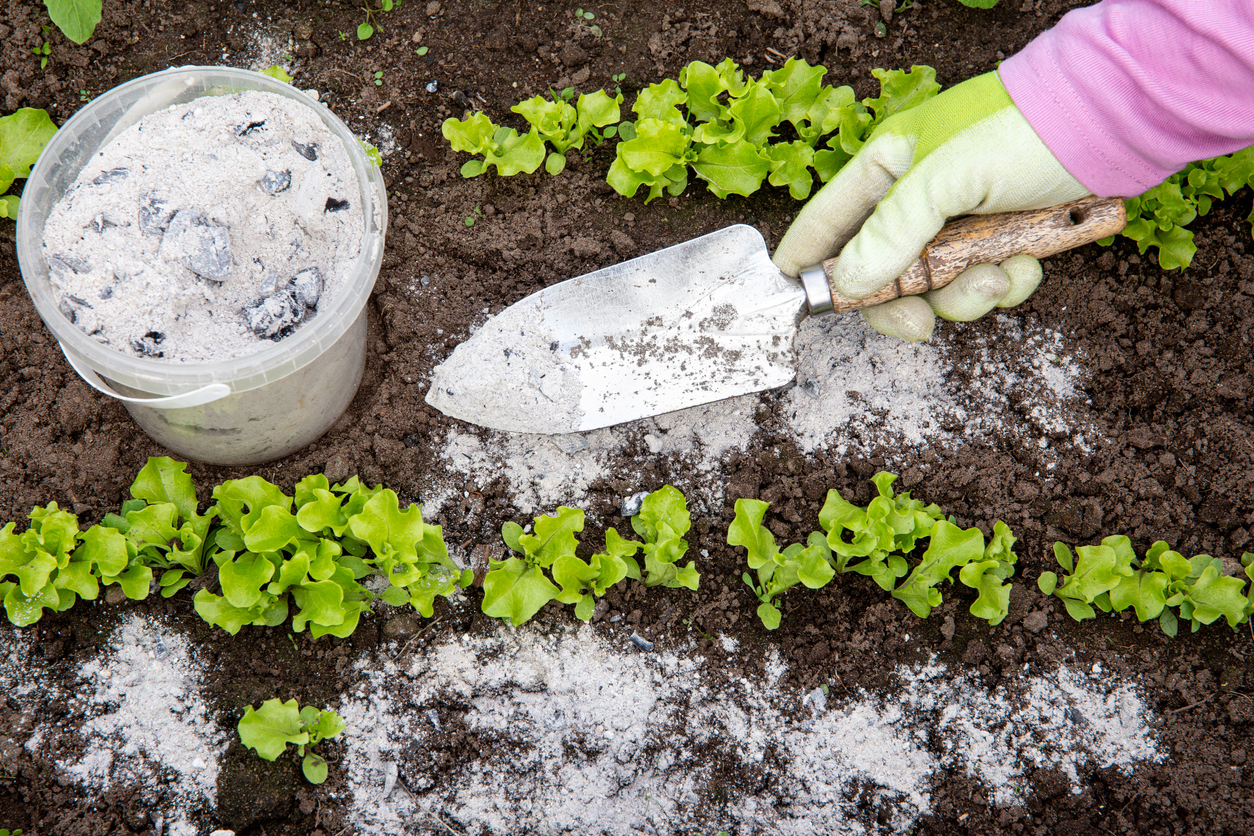
Adding wood ash is easy. Sprinkle it lightly. Mix it well into the soil. Do not use too much. Too much ash can harm plants. Balance is key for healthy growth.
Leafy greens respond well to wood ash. Spinach grows faster. Lettuce stays crisp. Kale enjoys the calcium boost. The ash helps the leaves stay green. It protects against diseases. Wood ash keeps the soil healthy.
Use ash sparingly. A little goes a long way. Mix it with compost. This combination works best. Watch your greens thrive!
Fruit Trees And Wood Ash
Wood ash helps stone fruits grow strong. Peach and plum trees love it. The ash gives them calcium and potassium. These minerals keep the trees healthy. They also make the fruits bigger and tastier. But don’t use too much ash. Too much can harm the plants. Use a small amount each season.
Berry bushes like raspberry and blueberry benefit from wood ash. It helps them grow juicy berries. The ash adds nutrients to the soil. This makes the bushes strong. But remember, a little goes a long way. Too much can change the soil balance. Always mix the ash into the soil well. This helps the bushes get what they need.
Flowering Plants And Wood Ash
Perennials enjoy the potassium in wood ash. It helps them bloom more. Ash also reduces soil acidity. This is great for plants like lavender and iris. They grow better with less acid. Wood ash adds calcium too. This helps strengthen plant cells. Strong cells mean healthy plants.
Bulbs like tulips and daffodils benefit from wood ash. The ash has phosphorus, which helps roots grow. Healthy roots help plants find water. Bulbs grow strong and tall with wood ash. It also keeps pests away. Bugs don’t like the ash. This keeps your plants safe. Remember, a little ash goes a long way.
Credit: gardening.usask.ca
Application Tips
Wood ash can enrich soil for tomatoes, carrots, and roses. Its potassium and calcium boost plant growth. Be cautious; only use sparingly to avoid altering soil pH too much.
Dosage Guidelines
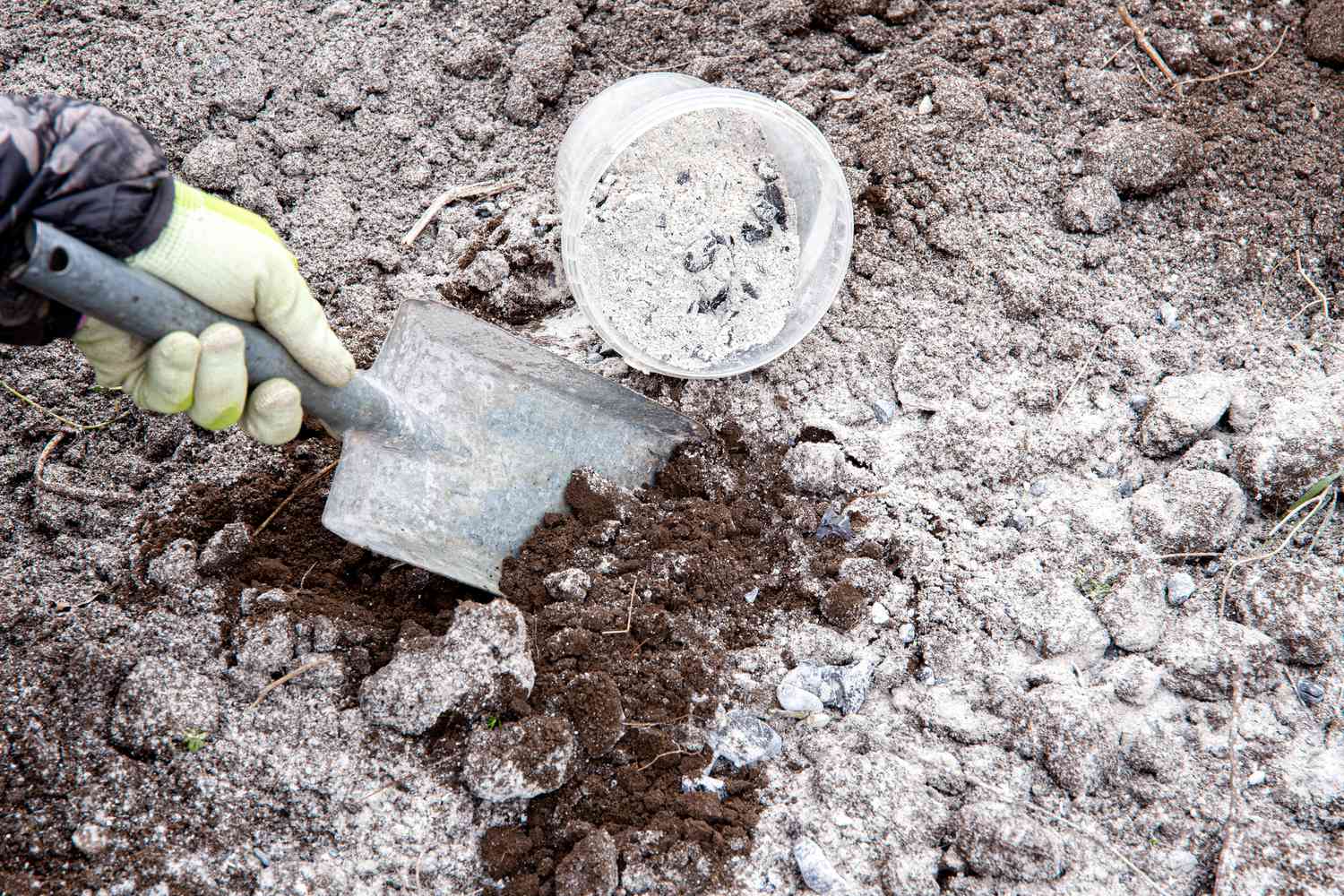
Use wood ash carefully. It can be very strong for plants. Start with a small amount. Sprinkle a thin layer around the plant. About one cup per plant is enough. Too much ash can harm them.
Timing And Frequency
Apply wood ash in early spring. This is before new growth starts. Once a year is usually enough. Avoid using ash during summer. Too much ash can change the soil. It can make it too alkaline for plants. Watch your plants. If they show signs of stress, stop using ash.
Precautions And Considerations
Wood ash can help plants grow. But too much ash is harmful. It makes the soil too basic. Plants need balanced soil to thrive. Only add a little ash at a time. Watch how your plants respond. If leaves turn yellow, stop adding ash. Also, some plants do not like ash at all. Research each plant’s needs first.
Soil health is important for plants. Test your soil regularly. Testing helps you know the soil’s pH. You can buy a simple test kit. It shows if the soil is too acidic or basic. Add ash only if the soil is acidic. If the soil is already basic, avoid ash. Always aim for balance in your garden.
Credit: hfnlife.com
Frequently Asked Questions
What Plants Do Not Like Wood Ash?
Plants like blueberries, azaleas, and rhododendrons do not like wood ash. They prefer acidic soil. Wood ash can raise soil pH, making it less acidic. Avoid using ash around these plants to maintain their preferred growing conditions.
What Are The Disadvantages Of Wood Ash As Fertilizer?
Wood ash can raise soil pH, harming acid-loving plants. It may contain heavy metals and lacks nitrogen. Excessive use disrupts nutrient balance and soil structure. Dust from wood ash can be irritating and difficult to manage. Always test soil before application to avoid adverse effects.
What Plants Are Good With Wood Ashes?
Wood ashes benefit plants like tomatoes, carrots, and roses. They improve soil pH and supply essential nutrients. Avoid using on acid-loving plants like blueberries and rhododendrons. Apply sparingly to prevent nutrient imbalances.
Do Tomatoes Like Wood Ash?
Tomatoes benefit from wood ash, which provides potassium, essential for fruit development. Apply sparingly, as too much alters soil pH. Use ash from untreated wood for best results. Incorporate it into the soil or use as a mulch to improve tomato growth.
Conclusion
Wood ash can enrich soil for various plants. Roses love its potassium boost. Tomatoes thrive with its calcium support. Carrots and turnips enjoy better growth. Wood ash balances soil pH levels. Perfect for fruit trees too. Remember, moderation is key.
Too much can harm plants. Test your soil first. Adjust application accordingly. Consider wood ash as a natural option. It’s easy to use. Just sprinkle on soil. Ensure it suits your garden needs. Wood ash adds nutrients. Helps plants grow strong.
Enhances soil health effectively. Try it for your garden. Witness the positive results.