What were the Disadvantages to Using Wood And Water Power: Unseen Challenges
Have you ever wondered why we moved away from using wood and water to power our lives? These natural resources once fueled entire industries, yet today, they seem almost forgotten.
As you explore the reasons behind this shift, you might discover surprising insights that challenge what you think about renewable energy. Imagine the world before electricity and fossil fuels—where the roaring rivers and dense forests were the lifeblood of progress.
Yet, despite their abundance, these sources of power came with hidden downsides that shaped our technological journey. As you read on, you’ll uncover the disadvantages that pushed society towards new energy solutions. Understanding these challenges can empower you to make informed choices about the energy you use today. Are you ready to dive into this fascinating story?
Credit: www.mdpi.com
Limitations Of Wood Power
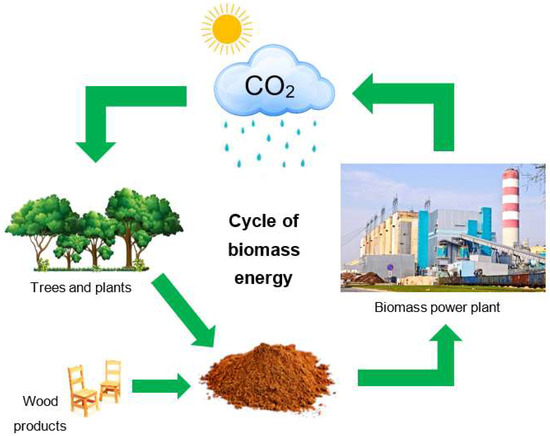
Wood poweruses a lot of trees. Trees take time to grow. People cut more trees than they plant. This leads to resource depletion. Fewer trees mean less wood power. We need trees for clean air and animals. Losing trees is bad for the planet.
Burning wood releases smoke. Smoke pollutes the air. It makes breathing hard. Smoke can harm animals too. Environmental impactis serious. It can change weather patterns. It affects forests and rivers. Preserving nature is important.
Wood power is not very efficient. It takes a lot of wood to produce energy. Other sources like solar are better. They make more energy with less. Wood power can be costly. It requires constant supply. This can be hard to maintain.
Challenges Of Water Power
Water power needs specific places. Rivers or streams must be close. Not all areas have these. People in dry regions can’t use water power. This limits its use.
Water flow changes with seasons. Rainy months have more water. Dry months have less. Power output is uneven. Factories can’t rely on it all year.
Building water power systems is hard. Dams and channels need construction. This takes time and money. Maintenance is also needed. Not all places can afford this.
Economic Implications
Building with wood and water power costs a lot at first. Machines and tools are very expensive. You need to buy strong materials to make them last. This makes starting a business with these resources tough. Families might not afford these big amounts easily.
Keeping wood and water power systems working needs money. Parts might break and need fixing. Regular checks are necessary to keep them running well. If machines stop working, it can be a big problem. Fixing them can cost a lot of money. This is hard for small businesses.
Prices for wood and water can change quickly. Weather affects water supply. This can make it hard to plan for the future. If water levels drop, power can be lost. Businesses can’t rely on these resources all the time. Market changes can affect profits badly.
Social And Cultural Effects
Using wood and water power often led to moving people from their homes. New factories needed space. People had to leave. This caused sadness and confusion. Families were broken apart. Some villages almost disappeared. Many people lost their jobs and homes. Their lives changed forever. It was a hard time for everyone.
Old ways were lost as new power came. Traditions vanished. Songs and stories were forgotten. Important places were destroyed. History was erased. Buildings that were special were torn down. People missed their old lives. It was a big loss for many. New power meant losing culture.
Wood and water power caused fights over who got what. People wanted more. Arguments started. Neighbors became enemies. Water and wood were valuable. Everyone wanted them. Disagreements grew. Some people tried to take more than their share. This led to unrest and trouble. It was a time of conflict.
Technological Barriers
Wood and water power had many limits. Machines could not improve much. Modern technology grew slowly. Wood and water were not enough for big machines. Factories needed more power. Steam engines were better. They helped machines move faster. Wood and water could not help machines grow.
Machines often broke down. Wood and water did not fit well with new tools. Old machines needed fixing many times. Electricity worked better with new machines. Wood and water power made things hard to fix. New machines needed new power. Wood and water were not the best choice.
New ideas did not grow fast. Wood and water power slowed growth. Inventions needed more energy. Electricity helped inventors make new things. Wood and water stopped people from making new tools. Innovators struggled to use wood and water power. Steam power opened doors to new ideas.

Credit: www.amazon.com
Frequently Asked Questions
What Are The Drawbacks Of Wood Power?
Wood power relies on deforestation, leading to habitat loss and reduced biodiversity. Its combustion releases smoke and pollutants, impacting air quality. Additionally, wood power systems are less efficient and require more labor for fuel collection and maintenance, making them less sustainable compared to modern energy sources.
Why Is Water Power Not Always Reliable?
Water power depends on consistent water flow, which can be affected by seasonal changes or droughts. In dry periods, energy production drops, making it less reliable. Furthermore, building and maintaining dams and infrastructure can be costly and environmentally disruptive, impacting aquatic ecosystems and local communities.
How Does Wood Power Affect The Environment?
Using wood for power contributes to deforestation, which reduces carbon sequestration and increases greenhouse gases. It also disrupts ecosystems and habitats, endangering plant and animal species. Burning wood emits particulate matter and carbon dioxide, further contributing to air pollution and climate change.
Are There Economic Disadvantages To Water Power?
Water power projects require significant upfront investment for infrastructure and technology. Maintenance and operational costs can be high, affecting profitability. Additionally, they often face regulatory and environmental compliance challenges, which can delay projects and increase costs, making them economically challenging.
Conclusion
Wood and water power had clear disadvantages in the past. Limited availability was a big issue. Not every place had enough wood or water. This meant some regions couldn’t use these resources well. Consistency was another problem. Water levels can change.
Fires can use up wood quickly. Environmental impact was also significant. Deforestation and water ecosystem disruption were common. These challenges pushed the search for new energy. Newer methods offer more stability. They also have less environmental impact. Understanding these drawbacks helps us appreciate modern energy solutions.
It’s important to learn from history. This way, we make better choices for the future.