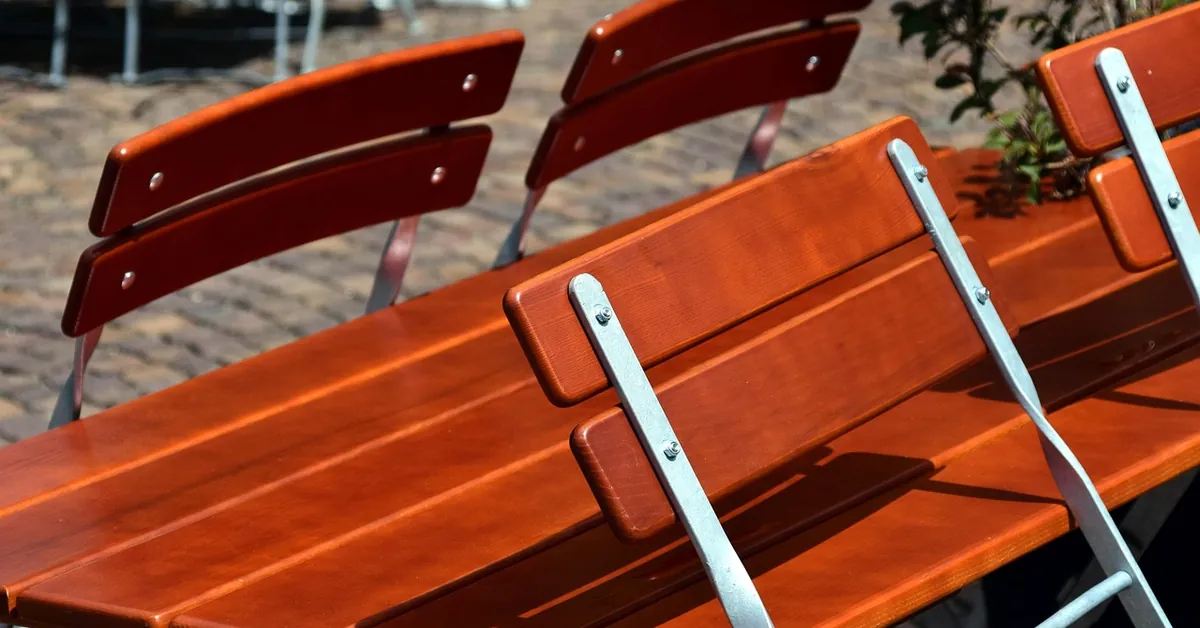
Best Wood for Outdoor Furniture: 12 Species by Rot Rating
Teak, white oak and black locust are all rated very durable against rot by the Wood Database, and western red cedar is rated durable to very durable, so any of the four can carry outdoor furniture. The catch is that hardness does not predict rot resistance: white ash is nearly as hard as white oak, yet rated perishable. This guide compares 12 species by rot rating, Janka hardness and cost, and flags the ones to skip.
Best Wood for Outdoor Furniture at a Glance
Best Teak Oil Finish Pick
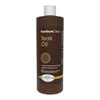 |
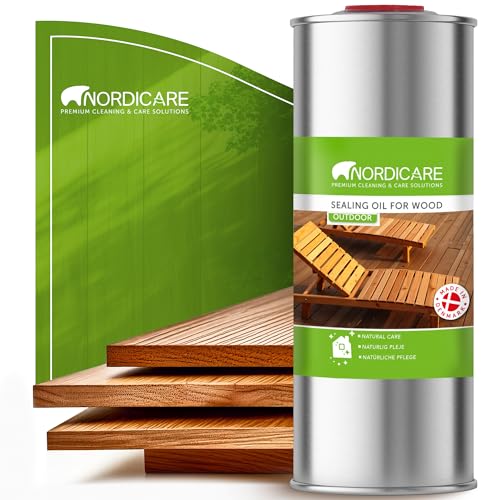
Furniture Clinic Teak Oil, $17.95 A tung and linseed oil finish that the listing says restores weathered grey teak to a golden-brown tone. It is the finishing step for the teak and tropical hardwood picks in this guide, not a substitute for choosing a rot-resistant wood.
|
As an Amazon Associate we earn from qualifying purchases.
Four woods cover almost every outdoor furniture project. Teak is the low-maintenance premium choice, white oak and black locust are the hard, rot-resistant domestic options, and western red cedar is the lighter, lower-cost pick for pieces that will not take heavy abuse. Every other wood in this guide is harder to work, harder to source, or a poor fit outdoors.
- Teak: very durable, 1,070 lbf Janka, and one of the most expensive lumbers on the market.
- White oak: very durable, 1,350 lbf, moderate domestic price and easy to find.
- Black locust: very durable, 1,700 lbf, priced like white oak in the eastern US but harder to machine.
- Western red cedar: durable to very durable, 350 lbf, moderately inexpensive, and it dents easily.
Every rating, hardness figure and price note below comes from the species profiles on the Wood Database, which we pulled for each wood this session. Ratings describe heartwood, and Janka values are pounds-force (lbf).
Outdoor Furniture Woods Compared: Rot Rating, Janka Hardness and Cost
Sorted roughly from best to worst for outdoor use, this table puts the rot rating next to the hardness number so you can see where they disagree.
| Wood | Rot resistance | Janka (lbf) | Relative cost |
|---|---|---|---|
| Teak | Very durable | 1,070 | One of the most expensive lumbers |
| Ipe | Very durable | 3,490 | Medium for an imported tropical, rising |
| Cumaru | Very durable | 3,330 | Inexpensive for an import |
| Black locust | Very durable | 1,700 | Moderate, similar to white oak in the east |
| White oak | Very durable | 1,350 | Moderate, usually a bit above red oak |
| Western red cedar | Durable to very durable | 350 | Moderately inexpensive |
| Aromatic red cedar | Excellent (decay and insects) | 900 | Modest, but boards are small and knotty |
| Bald cypress | Durable to very durable (old growth) | 510 | Mid-range |
| Redwood | Moderately to very durable | 450 | Mid to upper range |
| Sapele | Moderately to very durable | 1,360 | Moderate |
| Red oak | Non-durable to perishable | 1,220 | Moderate, slightly below white oak |
| White ash | Perishable to slightly durable | 1,320 | Among the cheapest utility hardwoods |
Why Hardness Does Not Predict Rot Resistance
Janka hardness measures how well a board resists denting, not how long it lasts in the rain. The table shows the gap: white oak (1,350 lbf) is rated very durable, red oak (1,220 lbf) is rated non-durable to perishable, and white ash (1,320 lbf) is rated perishable or only slightly durable. Three woods within about 130 lbf of each other produce three very different outcomes outdoors.
The reverse is also true. Western red cedar is rated durable to very durable at only 350 lbf, and ipe at 3,490 lbf earns no higher rot rating than black locust at 1,700 lbf. Use the Janka number to judge tabletops that take plates and chair legs, and the rot rating to judge legs, rails and anything near wet ground.
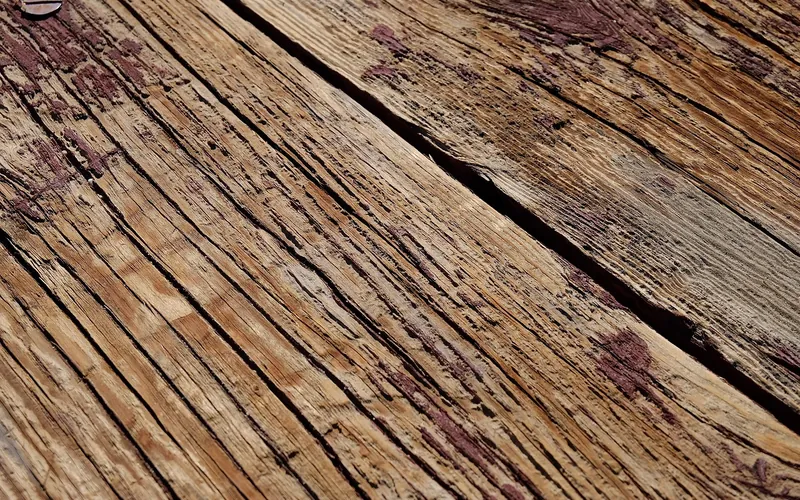
The oak trap catches more buyers than any other. Red and white oak are often stocked side by side, and the Wood Database notes that red oak “does not have the level of decay and rot resistance that white oak possesses.” White oak is usually only slightly more expensive, so ask for it by name and confirm the species on the tag before you buy.
Softwoods for Outdoor Furniture: Cedar, Redwood and Cypress
Western red cedar is rated durable to very durable, with mixed insect resistance, and at 350 lbf it is the softest wood in this guide: the Wood Database says it dents and scratches very easily. It also reacts with iron-based fasteners, which can stain it, especially when wet, so use stainless steel screws. If you are weighing species, our cedar for outdoor furniture comparison and our guide to what cedar wood is used for cover how different the wood sold as cedar can be.
Aromatic red cedar (eastern redcedar) is closer to a juniper than a true cedar, and the Wood Database calls its decay and insect resistance excellent: it is commonly used for fence posts in direct ground contact with no pre-treating. At 900 lbf it is harder than western red cedar, but the trees are small and slow-growing, so boards tend to be narrow and knotty. That suits legs, slats and rails better than a wide tabletop.
Redwood and bald cypress share a caveat most guides skip: the rating depends on the age of the tree. Old-growth redwood is more durable than second-growth, and old-growth bald cypress is rated durable to very durable while wood from younger trees is only moderately durable. Redwood is 450 lbf and sold in the mid to upper price range, and cypress is 510 lbf and mid-range. For a head-to-head, see pine vs cypress. Common construction softwoods are a different question: our guides to what fir wood is used for and whether hemlock is rot resistant cover those.
Hardwoods for Outdoor Furniture: Teak, Ipe, Cumaru, Black Locust and White Oak
Teak
Teak (1,070 lbf) is rated very durable and is widely treated as the benchmark for decay resistance, with the bonus of being easy to work apart from silica (up to 1.4 percent) that dulls cutting edges quickly. The cost is the problem: it is one of the most expensive lumbers sold, and the Wood Database flags sourcing concerns tied to Myanmar, the largest supplier. Teak dust is a reported sensitizer, so wear a dust mask. If you are comparing it with a cheaper tropical option, read our acacia vs teak comparison, and see what color teak wood is before you decide how it will age.
Ipe and Cumaru
Ipe (3,490 lbf) and cumaru (3,330 lbf) are both rated very durable and are the hardest woods on the list. Both are difficult to work: the Wood Database says ipe is mostly used in unjoined, single-piece applications such as decking, where mechanical fasteners do the holding, and cumaru has interlocked grain plus silica that dulls tools. Ipe contains lapachol, which can irritate skin, so wear gloves and a mask. Ipe was listed in CITES Appendix II in 2024, and availability is expected to shrink and prices to rise. Cumaru is also CITES Appendix II listed but is inexpensive for an import. One naming trap: cumaru is sold as “Brazilian teak” in flooring, but it is unrelated to true teak.
Black Locust and White Oak
Black locust (1,700 lbf) is very durable and often used for fence posts, and the Wood Database says it competes with hickory as the strongest and stiffest domestic timber while being more stable and rot resistant. In the eastern US its price is comparable to white oak, but elsewhere it can cost much more, and its density makes it harder to machine. White oak (1,350 lbf) is abundant, works well with hand and machine tools and is used for boats and tight barrels. Its weak spot is high shrinkage, which gives mediocre stability, especially in flatsawn boards. Quartersawn white oak costs more.
Sapele and Mahogany
Sapele (1,360 lbf) is moderately to very durable, moderately priced and prone to tearout from interlocked grain. It also stains when it touches iron, so use stainless fasteners. Honduran mahogany is rated moderately to very durable depending on the tree, and plantation stock can be paler, lighter and slightly less rot resistant. It is on the IUCN Red List as endangered and in CITES Appendix II. Because both can land at “moderately durable,” we rank them behind the four front-runners.
Woods to Avoid for Outdoor Furniture
Skip red oak (non-durable to perishable) and white ash (perishable to slightly durable) for anything that sits outside. Ash is also a poor buy for another reason: the Wood Database lists it as critically endangered on the IUCN Red List because of the emerald ash borer, so supply is shrinking. We did not pull a rot rating for common pine, so treat it as a wood that depends entirely on its finish and plan to refinish it often. Poplar is in a similar position: Wood Database rates it moderately durable to non-durable, so it works outside only under full paint, as we explain in can poplar be used outside.
Pick the Wood for Your Situation
| Situation | Wood to pick | Why |
|---|---|---|
| Lowest cost that still resists rot | Western red cedar | Moderately inexpensive and rated durable to very durable, but soft at 350 lbf |
| Building from a lumberyard in the eastern US | White oak or black locust | Both very durable and similarly priced in that region, per the Wood Database |
| Least maintenance, budget is flexible | Teak | Very durable and easy to work, but very expensive |
| Legs and posts that touch damp ground | Aromatic red cedar or black locust | Both are used as fence posts in ground contact |
| Heavy, hard-wearing benches built with screws | Ipe or cumaru | Hardest woods here, but tough on tools and best as single-piece parts |
Finishing and Caring for Outdoor Wood Furniture
The very durable woods do not need a finish to resist rot. A finish mostly controls color: bare teak and similar woods weather to grey, while an oil keeps the golden-brown tone. Our guide on how to protect untreated wood outside covers sealers and stains for the less durable species.
If you use a linseed or tung oil finish, treat the rags as a fire hazard. Cotton and linen soaked in linseed oil can self-heat and ignite, and the label on the teak oil above carries the same warning. Spread used rags flat outdoors to dry, or submerge them in water in a sealed metal container before disposal.
Two habits add years regardless of species: use stainless steel fasteners, which avoids the iron staining the Wood Database reports on cedar and sapele, and keep furniture feet off standing water. Posts of locust or aromatic red cedar tolerate ground contact, but a chair leg sitting in a puddle stays wet longer than any other part of the piece.
Frequently Asked Questions About Wood for Outdoor Furniture
What is the most durable wood for outdoor furniture?
Teak, ipe, cumaru, black locust and white oak all carry the same very durable rating from the Wood Database. Ipe and cumaru are hardest at 3,490 and 3,330 lbf, but they are difficult to work. Teak is easiest to work and most expensive. Choose on price and workability, not a single winner.
Is teak better than cedar for outdoor furniture?
Teak is rated very durable and western red cedar durable to very durable, so teak has a small edge on rot. Teak is also far harder at 1,070 lbf against 350 lbf, so it dents less. The real trade-off is cost, since cedar is moderately inexpensive and teak is one of the priciest lumbers.
What is the cheapest wood for outdoor furniture that still lasts?
Western red cedar is the best low-cost choice, rated durable to very durable and moderately inexpensive. Aromatic red cedar is also modest in price in small knotty boards. Red oak and white ash are cheap but rated non-durable to perishable, so they rot quickly outdoors.
Can you use oak for outdoor furniture?
White oak yes, red oak no. White oak is rated very durable and is used for boats and tight barrels. Red oak is rated non-durable to perishable. The two are often sold side by side, so confirm the species name on the tag before buying.
Does outdoor wood furniture need sealing?
Very durable heartwood species can be left unfinished and will simply weather in color. A finish such as teak oil restores a golden-brown tone but has to be reapplied. Less durable woods depend on their finish for protection, so they need regular refinishing.
Conclusion
For most buyers the choice comes down to teak if the budget allows, white oak or black locust if you build from domestic lumber, and western red cedar if cost matters most. Check the rot rating rather than the hardness number, and skip red oak and ash. Building a seat specifically? Our best wood for a garden bench guide applies the same criteria, and the woodworking projects, materials and fixes guide collects related how-tos.
Sponsored / affiliate links. As an Amazon Associate I earn from qualifying purchases. I may earn additional commission from eligible campaigns.