What’S the Difference between Satin And Flat Paint: Expert Guide
Are you planning to give your walls a fresh coat of paint but feeling overwhelmed by all the choices? You’re not alone.
Deciding between satin and flat paint can be confusing, especially if you’re not sure about the differences. But understanding these differences can make a world of difference in your painting project. Imagine walking into a room that feels just right — perfectly matched to your style and needs.
That’s the power of picking the right paint finish. You’ll discover exactly what sets satin and flat paint apart, so you can make the best choice for your home. Let’s clear the confusion and help you achieve that flawless finish you’ve been dreaming of.
Paint Sheen Basics
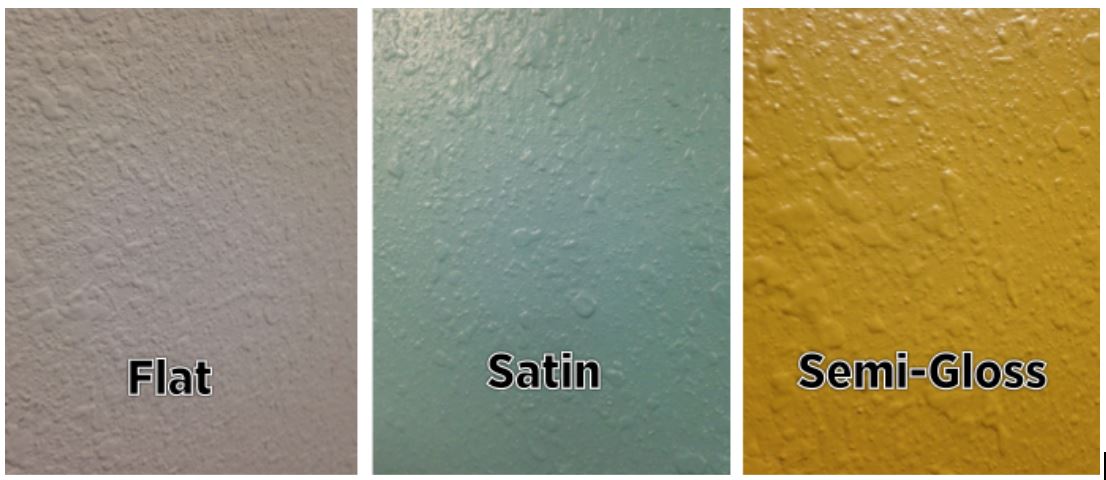
Paint sheen means how shiny or dull paint looks. Flat paint has no shine. Satin paint shines a little. Sheen affects how paint feels and looks. It also affects how easy it is to clean. Flat paint is often used for ceilings and walls. Satin paint is often used for doors and trims. Choosing the right sheen is important. It affects the room’s look and feel. It’s important to know the difference.
Sheen is very important for paint selection. It changes the room’s look. Flat paint hides wall marks. Satin paint is easy to clean. Flat is good for low-traffic areas. Satin is good for high-traffic areas. It is important to choose the right sheen. It helps the paint last longer. It also keeps the room looking nice. Choose wisely!
Credit: certapro.com
Characteristics Of Satin Paint
Satin paint has a soft, smooth look. It shines just a little, creating a gentle glow. Walls painted with satin feel smooth and elegant. The finish is not too shiny, not too dull. It adds a touch of class to any room.
Satin paint is strong and lasts long. It can handle scrubbing and cleaning. Dirt and stains wipe off easily. Perfect for busy homes. It stays looking good for years. No need for frequent touch-ups.
- Great for living rooms and bedrooms.
- Works well in kitchens and bathrooms.
- Perfect for doors and trim.
- Nice for hallways and corridors.
Characteristics Of Flat Paint
Flat paint has a smooth and matte look. It does not reflect light. This gives it a calm and soft appearance. Walls look even and simple with it. It hides wall marks well. Perfect for hiding imperfections.
Flat paint is less durable than other paints. Scratches and stains are more visible. Cleaning can be tricky. Use it in low-touch areas. Not ideal for busy or messy spaces.
Best for bedrooms or quiet rooms. Use in ceilings for a neat look. Great for walls with flaws. It makes them less noticeable. Avoid in kitchens and bathrooms.
Comparing Satin And Flat Paint
Satin paint has a shiny look. It reflects light. Flat paint looks dull. It does not reflect light. This makes flat paint good for hiding wall problems. Satin shows more details and textures.
Satin paint is good for busy areas. It can handle cleaning well. Flat paint is better in quiet places. It does not like too much scrubbing. Satin works in bathrooms and kitchens. Flat fits bedrooms and living rooms.
Satin paint usually costs more. It gives a shiny finish. Flat paint is cheaper. It offers a simple look. Think about your budget. Choose the right paint for your needs.
Expert Tips For Choosing Paint
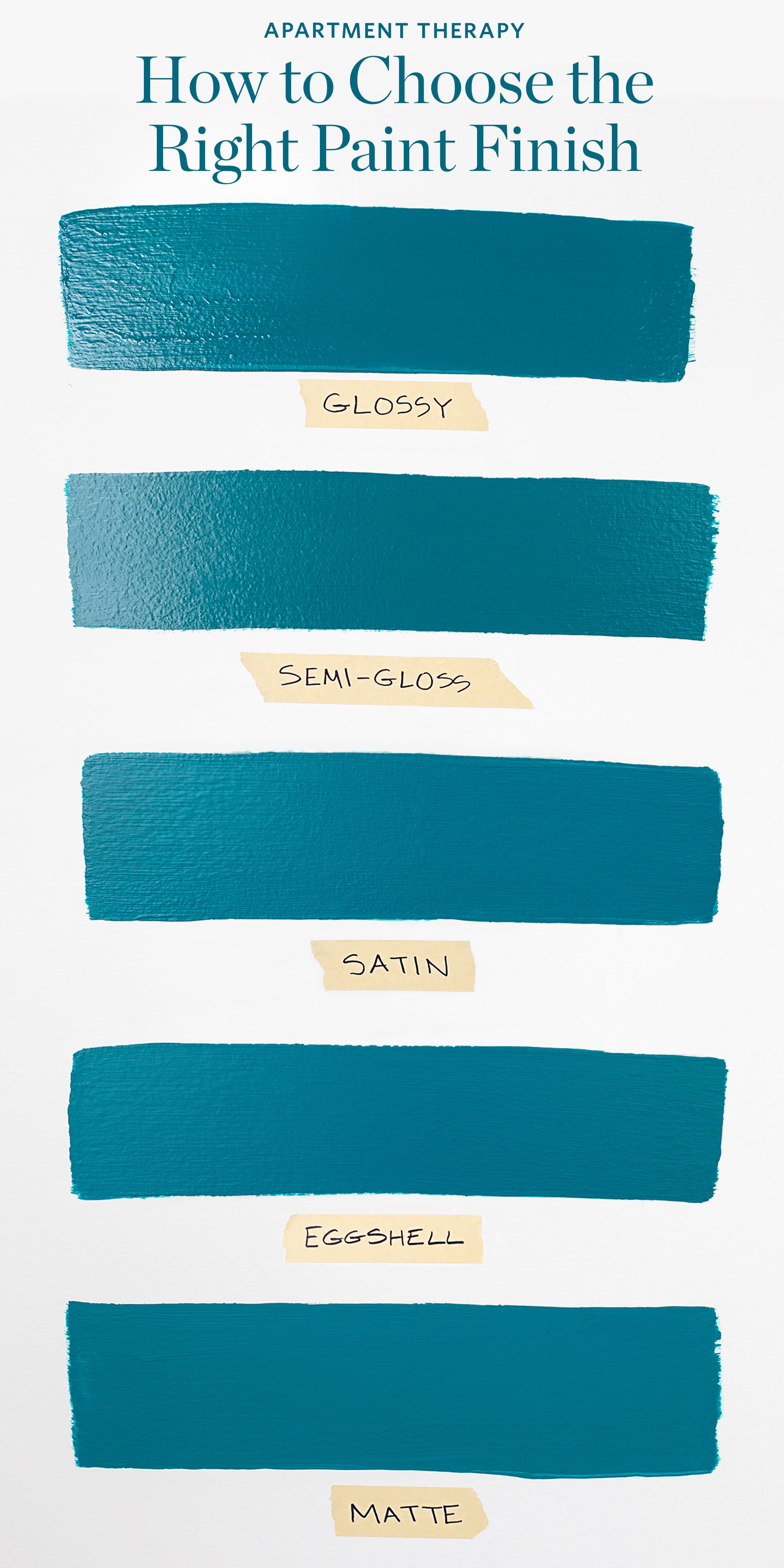
Paint finishaffects room look and feel. Satin paint is shiny and smooth. Flat paint is matte and not shiny. Room usehelps decide paint type. Kitchens need washable surfaces. Living rooms may use flat for a calm look. Lightin the room changes paint appearance. Satin reflects more light. Flat absorbs light, reducing glare.
Choosing the wrong paint for the room is a mistake. Satin is not for bedrooms if you want a soft look. Flat paint is not good for high-traffic areas. It can get dirty fast. Not checking how light affects paint is another mistake. Test paint with room light to avoid surprises.
Use satin paint in kitchens and bathrooms. It is easy to clean. Flat paint is best for ceilings and low-traffic rooms. It hides imperfections well. For walls in busy areas, consider satin. It is durable and looks nice. Pick the right paint for the job. It matters.
Credit: www.apartmenttherapy.com
Environmental Impact
Satin paintcan be more eco-friendly than flat paint. It often contains fewer volatile organic compounds (VOCs). This means less harmful chemicals in the air. Flat paint can release more VOCs, which may affect the environment. Choosing low-VOC paints helps protect the earth. It also keeps indoor air cleaner. Many brands offer eco-friendly options. Look for labels that say “low VOC” or “no VOC”. These paints are safer for homes and families.
Paint choice affects indoor air quality. Satin paintoften emits fewer chemicals. Flat paint might release more fumes. These fumes can cause headaches or allergies. Using low-VOC paints improves air quality. Fresh air is better for breathing. Safe air means a healthy home. Low-VOC paints can make rooms feel fresh and clean. They protect people from harmful gases.

Credit: www.improovy.com
Frequently Asked Questions
What Are The Disadvantages Of Satin Paint?
Satin paint shows imperfections easily and requires careful surface preparation. It can be challenging to touch up and is less durable than gloss paint. The finish may appear different under various lighting conditions, affecting consistency. Frequent cleaning is needed to maintain its sheen, which can be cumbersome.
What Type Of Paint Is Best For Interior Walls?
Latex paint is ideal for interior walls. It is durable, easy to clean, and has low VOC levels. Choose eggshell or satin finish for a subtle sheen and enhanced durability. These finishes are perfect for living rooms, bedrooms, and hallways.
Why Would Anyone Use Flat Paint?
Flat paint hides wall imperfections and offers a smooth, matte finish. It absorbs light, reducing glare. Ideal for low-traffic areas like ceilings and bedrooms, it provides an elegant look. Flat paint is also easier to touch up, making it a practical choice for many homeowners.
When Should You Use Satin Paint?
Use satin paint for walls in high-traffic areas, like kitchens or bathrooms. It offers durability and easy cleaning. Satin finish provides a subtle sheen, enhancing room aesthetics. Ideal for spaces needing moisture resistance and gentle gloss. Perfect for areas requiring frequent maintenance without compromising style.
Conclusion
Satin and flat paint each serve different purposes. Satin paint reflects more light. It’s ideal for areas needing easy cleaning. Great for kitchens and bathrooms. Flat paint absorbs light. It hides imperfections well. Perfect for ceilings and low-traffic areas. Choosing depends on your needs.
Consider the room’s use and lighting. Both options have unique benefits. Satin offers a sleek, modern look. Flat provides a classic, smooth finish. Make an informed choice. Enhance your space with the right paint finish. Remember, paint affects a room’s vibe.
Choose wisely for the best results.