When Should I Worry About Termites? Expert Insights
Imagine this: you’re relaxing at home, enjoying the peace and quiet, when suddenly you notice a small pile of what looks like sawdust near your wall. Your heart skips a beat.
Could it be termites? These tiny pests are more than just a nuisance—they can wreak havoc on your home, often without you even realizing it. Knowing when to worry about termites can save you time, money, and stress. Are you wondering if you should be concerned about those mysterious signs around your house?
Or perhaps you’re trying to prevent an infestation before it even starts? You’re in the right place. This article will guide you through the telltale signs of termite activity, the potential damage they can cause, and when you should raise the alarm. Don’t let these silent destroyers catch you off guard. Stick around to learn how to protect your home and peace of mind.
Signs Of Termite Infestation
Termites build mud tubes on walls. They look like brown lines. These tubes help termites move safely. Mud tubes protect termites from light and air. Check near the ground for these tubes. They are a big clue that termites are near.
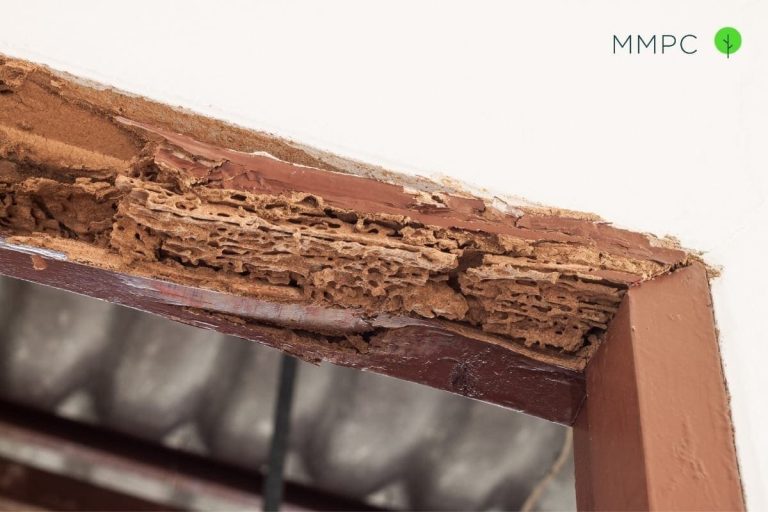
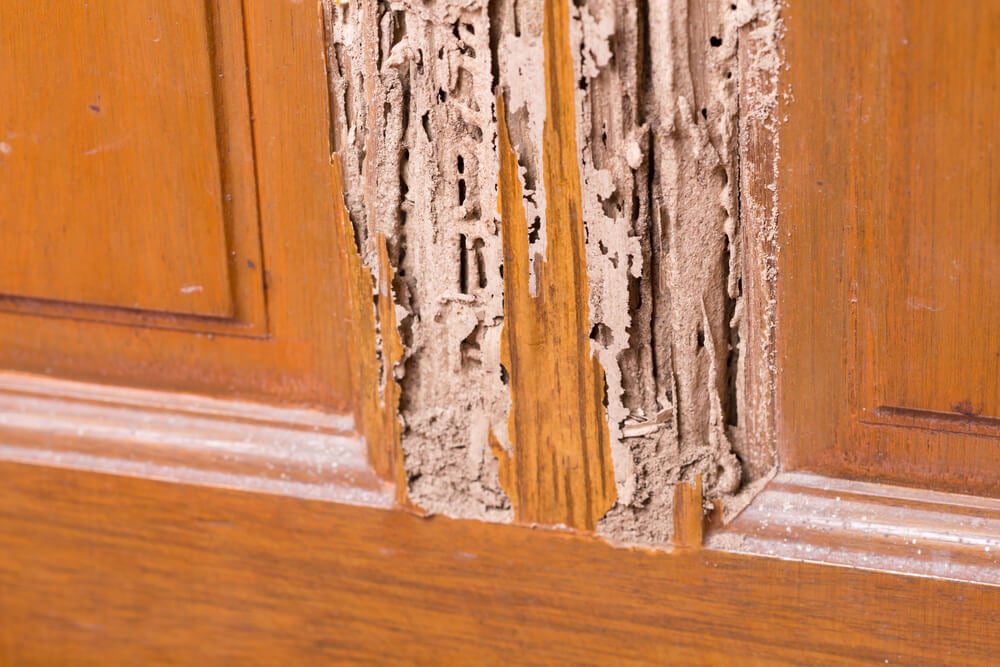
Tap on the wood in your home. Listen for hollow sounds. Termites eat wood from the inside. This makes the wood weak and empty. Solid wood sounds different. Hollow sounds mean termites might be inside.
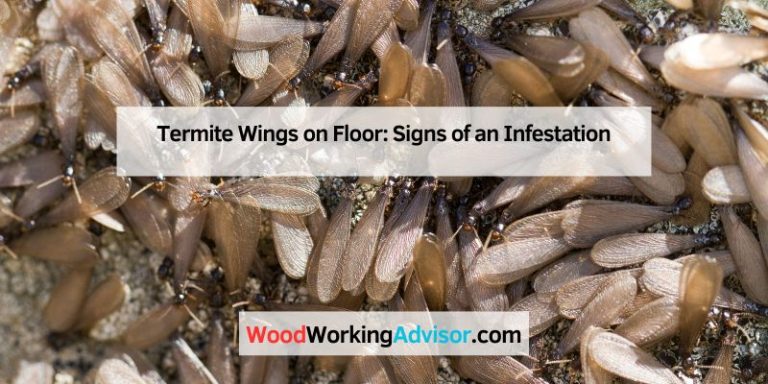
Termites shed their wings. Look for discarded wings near windows. These wings can be tiny and white. When termites find a new home, they drop their wings. Many wings mean termites have moved in. Check window sills and corners for these signs.
Credit: bugbustersusa.com
Types Of Termites
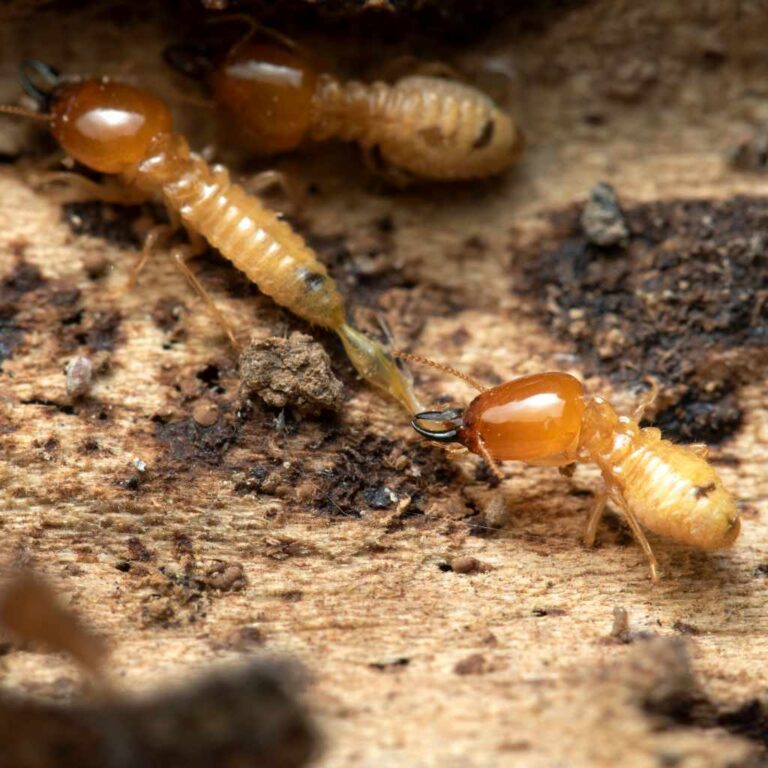
Subterranean termites live underground. They build tunnels from mud. These termites eat wood quickly. They can cause a lot of damage. Homes are at risk with subterranean termites. Watch for mud tubes on walls. These tubes show termite activity.
Drywood termites live inside the wood. They do not need soil. They are smaller than other termites. Drywood termites eat slowly but can still harm your home. Check for small holes and wood dust. These signs mean drywood termites might be present.
Dampwood termites like wet wood. They are bigger than other termites. Dampwood termites are found in damp areas. Look for soft, wet wood. This wood might have termites. Avoid wet places to keep dampwood termites away.
Potential Damage Caused
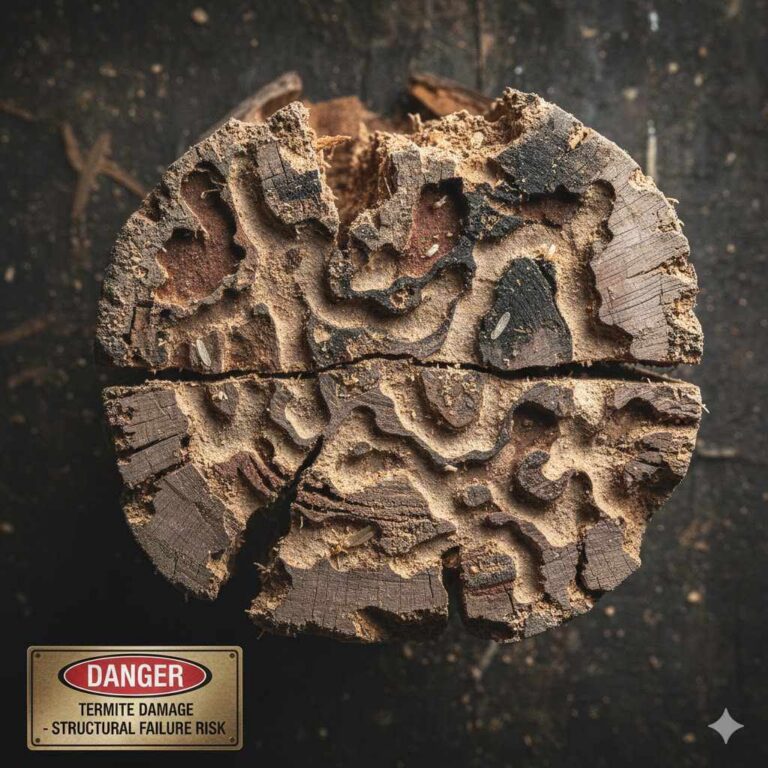
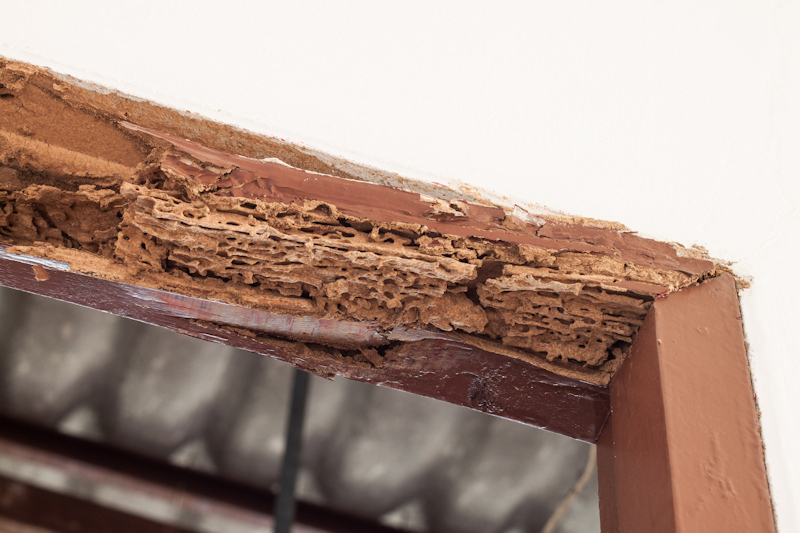
Termites can eat wood. They make walls weak. Beams and floorboards can break. This can make homes unsafe. Repairing damage costs a lot. Early checks help avoid problems.
Termites can ruin furniture. They eat tables and chairs. Wood items get holes. Old furniture can break apart. Expensive repairs or new furniture might be needed.
Termites harm gardens too. They eat tree roots. Plants may die. Wooden fences and sheds can get damaged. Regular checks are smart to keep gardens safe.
Seasonal Activity
Termites often swarm in spring. This is a big sign of trouble. Swarming means termites are looking to start new homes. They fly in groups, and it’s easy to spot them. If you see this, act fast. Check your home for damage. Termites can eat wood quickly. They make tiny holes and leave dust. Fixing this damage can cost a lot.
Termites stay busy all year. They don’t stop eating wood. In warmer places, they are more active. Your home could be at risk anytime. Look for signs like mud tubes. These are small tunnels they build. Also, listen for clicking sounds in walls. This means they are chewing. Regular checks help find problems early.
When To Seek Professional Help
Termites can be sneaky. Mud tubes on walls or floors are bad signs. Droppings that look like sawdust mean termites are around. If you see discarded wings, termites are near. Hollow-sounding wood is another clue. Don’t wait too long. Call for help if you see these signs often.
Big damage means serious trouble. Walls with cracks or holes need fixing. Sagging floors can be dangerous. Doors and windows that stick are not normal. Furniture that falls apart is not safe. These signs need a pro’s touch. Acting fast stops more harm.

Credit: www.reddit.com
Prevention Tips
Termites love moisture. Keep your home dry. Fix any leaks fast. Use dehumidifiers in damp areas. Ensure gutters are clean and working. This stops water from pooling around your home. Don’t let water collect near the foundation.
Store wood away from your home. Keep it off the ground. This makes it harder for termites to reach. Use metal or concrete stands if possible. Always cover woodpiles with a tarp to keep dry. Check stored wood often for signs of termites.
Inspect your home regularly. Look for signs of termites. Mud tubes and hollow wood are warnings. Have a professional check your home each year. Early discovery helps stop big problems.
Diy Treatment Options
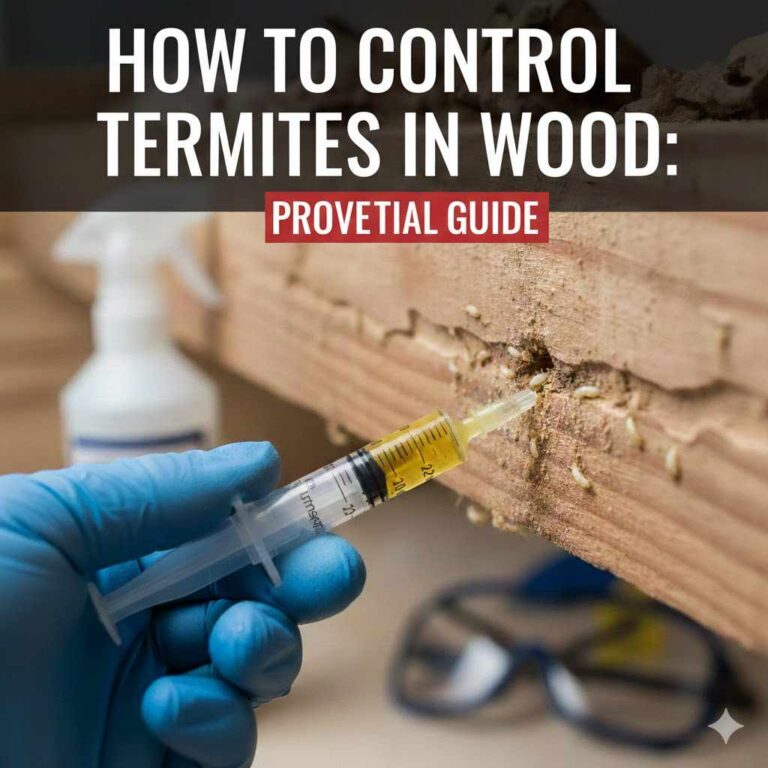
Natural remedies can help keep termites away. Use nematodes, which are tiny worms that eat termites. Spray them in the affected area. Another option is using orange oil. It kills termites on contact. Mix with water and spray directly. Use aloe vera gel as well. Apply it to the wood surface. It acts as a natural repellent. Keep your house dry. Termites like moisture. Fix leaks and ensure good ventilation. Avoid using cardboard or paper near wood.
Chemical treatments are effective against termites. Use termite bait stations. They attract and kill termites. Place them around your home. Another option is liquid termiticides. They form a barrier in the soil. Termites cannot pass through. Spray it around the foundation. Use borate wood treatments. Apply it directly to wood. It prevents termites from eating it. Always follow instructions on chemical labels. Use protective gear when handling chemicals.
Expert Advice
Termites can cause big problems. They eat wood, which can damage your house. A pest control specialist knows how to find them. They use special tools. These tools help them see what is hidden. A specialist checks your home carefully. They look for signs of termites. It is smart to call them. They can tell you what to do next. They have the right knowledge.
Picking the right treatment plan is very important. There are different ways to treat termites. Some plans use chemicals. Others use traps. The specialist helps you choose the best one. They know what works best for your home. They consider the size of the problem. They also think about your budget. A good plan can save your house. It can protect your home for a long time.
Credit: planetfriendlypestcontrol.com
Frequently Asked Questions
When Should I Start Worrying About Termites?
Start worrying about termites at the first sign of infestation. Look for damaged wood or mud tubes. Annual inspections can help prevent termite damage. Early detection is crucial to minimize costly repairs. Contact a professional immediately if you suspect a termite problem.
Regular monitoring ensures peace of mind.
Should I Be Worried If I See A Few Termites?
Spotting a few termites could indicate a larger infestation. Act promptly to prevent structural damage. Contact a pest control professional for inspection and treatment options. Regular inspections can help prevent future problems. Termites can cause significant harm if ignored, so early intervention is crucial for protecting your property.
Is It Safe To Stay In A House With Termites?
Staying in a house with termites poses safety risks. Termites can weaken structures, causing damage and potential collapse. Address infestations promptly to ensure safety and prevent costly repairs. Regular inspections and treatments help maintain a secure living environment. Protect your home by hiring pest control experts to eliminate termites effectively.
How Long Can You Have Termites And Not Know?
Termites can go undetected for months or years. Their silent activity often remains hidden inside walls or structures. Regular inspections and monitoring are crucial to identify infestations early. Watch for signs like hollow-sounding wood or discarded wings to prevent extensive damage.
Conclusion
Termites can cause serious damage. Early detection helps prevent costly repairs. Spotting signs like mud tubes is crucial. Regular inspections ensure peace of mind. Notice any hollow wood? Act quickly. Protect your home with termite prevention strategies. Professional help is available for severe cases.
Do not delay if you suspect an infestation. Termites are silent destroyers. Stay vigilant to keep your property safe. Prevention is always better than repair. Knowledge about termites is key. Keep your home secure from these pests. Stay informed, stay protected.