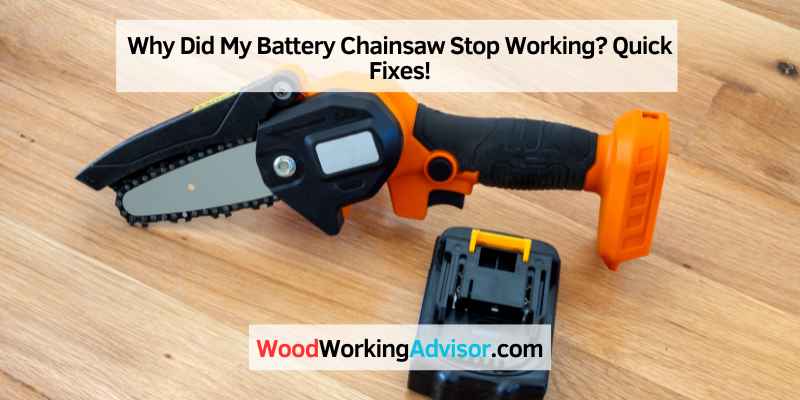
Why Did My Battery Chainsaw Stop Working? Quick Fixes!
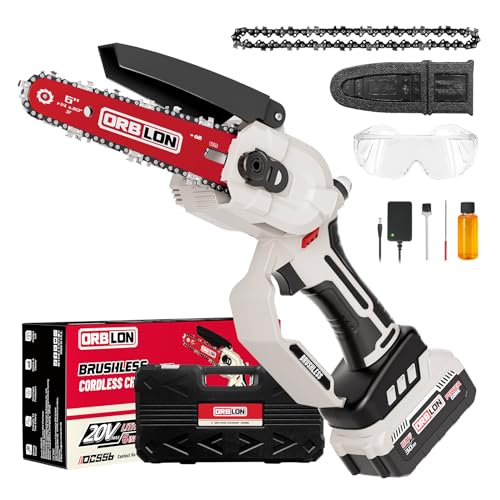
If your battery chainsaw has stopped working, it could be due to a faulty battery or a mechanical issue with the saw itself. First, check if the battery is charged and installed properly.
If the battery is not the issue, inspect the saw’s parts for any damage or wear and tear. A battery chainsaw is a convenient tool for cutting wood and trimming branches without the hassle of a corded or gas-powered chainsaw.
However, like any power tool, it can encounter problems. If you find that your battery chainsaw has stopped working, it can be frustrating. There are a few potential reasons why this could happen, including a dead battery, a mechanical issue, or a problem with the saw’s chain. We will explore some of the common reasons why a battery chainsaw may stop working and provide some tips on how to troubleshoot and fix the issue.
Introduction To Battery Chainsaw Troubles
If your battery chainsaw suddenly stopped working, it could be due to a few common issues. Check if the battery is fully charged and properly inserted, and ensure that the chain brake is disengaged. Also, inspect the chain tension and the oil reservoir to troubleshoot and resolve the problem.
Common Symptoms Of A Malfunctioning Chainsaw
Battery chainsaws are a popular choice for woodworking enthusiasts due to their convenience and ease of use. However, despite their reliability, these power tools can sometimes fail to perform as expected. If you’re experiencing issues with your battery chainsaw, it’s important to diagnose the problem as soon as possible to prevent further damage. In this section, we’ll explore some of the common symptoms of a malfunctioning chainsaw.
1. Failure to Start
One of the most common issues with battery chainsaws is failure to start. If you’re having trouble starting your chainsaw, there could be a few possible reasons. First, make sure that the battery is fully charged and properly inserted into the tool. If the battery is charged and inserted correctly, the issue may be with the chainsaw’s ignition system.
2. Reduced Power
Another common symptom of a malfunctioning chainsaw is reduced power. If your chainsaw is struggling to cut through wood, it may be due to a dull or damaged blade. Alternatively, the chainsaw’s motor may be experiencing issues that are affecting its performance. In either case, it’s important to address the problem promptly to prevent further damage.
3. Overheating
Overheating is another potential issue with battery chainsaws. If your chainsaw is running hot, it may be due to a blocked air filter or a malfunctioning cooling system. In some cases, overheating can cause serious damage to the chainsaw’s motor, so it’s important to address this issue as soon as possible.
4. Chain Jamming
Finally, chain jamming is another common issue with battery chainsaws. If your chainsaw’s chain is getting stuck or jamming frequently, it may be due to a dull or damaged chain. Alternatively, the chainsaw’s motor may be experiencing issues that are causing the chain to bind. In either case, it’s important to address the problem to prevent damage to the chainsaw or injury to the user.
In summary, battery chainsaws are reliable power tools that can provide years of service with proper maintenance. However, if you’re experiencing issues with your chainsaw, it’s important to diagnose and address the problem promptly to prevent further damage. By understanding the common symptoms of a malfunctioning chainsaw, you can take steps to keep your power tool in top condition and ensure safe, effective woodworking.
Battery Issues And Solutions
Is your battery chainsaw not working? Discover common reasons why your chainsaw may have stopped, such as a drained battery or faulty connections. Explore practical solutions to get your chainsaw up and running again, ensuring a smooth and efficient cutting experience.
Battery problems can be a common cause of a malfunctioning battery chainsaw. If your battery chainsaw has suddenly stopped working, it’s important to investigate possible battery-related issues and find suitable solutions. By addressing these battery issues, you can get your chainsaw up and running again in no time.
Charging The Battery Correctly
One of the most common reasons for a battery chainsaw to stop working is an improperly charged battery. To ensure the battery is charging correctly, follow these steps:
1. Use the correct charger: Using the charger specifically designed for your battery chainsaw is crucial. Using a charger not meant for your battery may result in improper charging or even damage to the battery.
2. Plug in the charger: Connect the charger to a suitable power source and make sure it’s securely plugged in. Ensure the power outlet is working properly.
3. Check the charging indicators: Most battery chargers have indicators to show the charging status. Pay attention to these indicators to ensure the battery is charging correctly. A solid green light usually indicates a fully charged battery.
4. Charge for the recommended duration: It’s important to charge the battery for the recommended duration mentioned in the user manual. Overcharging or undercharging the battery can lead to performance issues.
Replacing An Old Or Damaged Battery
Over time, batteries can become worn out or damaged, resulting in poor performance or a complete failure. If you suspect that your battery is the culprit behind your chainsaw’s malfunction, consider replacing it. Here are a few steps to guide you:
1. Identify the battery type: Determine the specific battery type required for your chainsaw. Check the user manual or consult the manufacturer’s website for accurate information.
2. Purchase a new battery: Once you know the battery type, purchase a new one from a reliable source. Make sure the replacement battery is compatible with your chainsaw model.
3. Replace the battery: Follow the instructions provided in the user manual to safely replace the old battery. Ensure the connections are secure and the battery is properly inserted.
4. Test the new battery: After replacing the battery, test the chainsaw to ensure it’s functioning correctly. If the chainsaw still doesn’t work, further troubleshooting may be necessary.
In conclusion, when your battery chainsaw stops working, it’s important to consider battery-related issues as a potential cause. By charging the battery correctly and replacing an old or damaged battery, you can resolve many common battery-related problems. Remember to always consult the user manual for specific instructions and guidelines.
Motor And Electrical Failures
The battery chainsaw may stop working due to motor or electrical failures. If the motor overheats or the electrical connections are faulty, it can lead to a sudden shutdown. Regular maintenance and timely troubleshooting can help prevent these issues and keep your chainsaw running smoothly.
Symptoms Of Motor Burnout
One of the most common reasons why your battery chainsaw may stop working is due to motor burnout. Motor burnout occurs when the motor becomes overheated, causing damage to its components. Recognizing the signs of motor burnout is crucial in diagnosing the issue and getting your chainsaw back up and running.
Here are a few symptoms that may indicate motor burnout:
- Unusual burning smell coming from the motor
- Excessive heat radiating from the motor housing
- Decreased power and performance
- Motor shutting off unexpectedly during operation
If you notice any of these signs, it is important to address the issue promptly to prevent further damage and ensure the longevity of your chainsaw.
Electrical Connections And Troubleshooting
Another common cause of a battery chainsaw suddenly stopping is electrical failures. Faulty electrical connections can disrupt the power supply to the motor, resulting in the chainsaw ceasing to function. Troubleshooting the electrical system can help identify and resolve these issues.
Here are a few steps you can take to troubleshoot the electrical connections:
- Check the battery: Ensure that the battery is fully charged and properly inserted into the chainsaw.
- Inspect the power switch: Make sure the power switch is in the ON position and functioning correctly.
- Examine the wiring: Inspect the wiring for any signs of damage, such as frayed or exposed wires.
- Test the connections: Use a multimeter to test the electrical connections for continuity and proper voltage.
If you identify any issues with the electrical connections during troubleshooting, it is recommended to consult a professional or contact the manufacturer for further assistance.
By understanding the signs of motor burnout and troubleshooting the electrical system, you can effectively diagnose and resolve the issues that may be causing your battery chainsaw to stop working. Proper maintenance and regular inspection of these components can help prevent future problems, ensuring the optimal performance of your chainsaw.
Chain And Bar Maintenance
Proper maintenance of the chain and bar is vital for the optimal performance and longevity of your battery chainsaw. Neglecting this essential aspect can lead to various issues, including the chainsaw abruptly stopping during operation. To prevent this, it’s crucial to adhere to proper chain tensioning techniques and ensure the chain is adequately lubricated for smooth operation.
Proper Chain Tensioning Techniques
When the chain is too loose or too tight, it can affect the chainsaw’s performance and even cause it to stop working. To maintain the correct tension, refer to the manufacturer’s guidelines for your specific chainsaw model. Remember to adjust the tension regularly, especially after extended use or when the chain becomes loose. Proper tensioning ensures efficient cutting and reduces the risk of unexpected halts.
Lubricating The Chain For Smooth Operation
Insufficient chain lubrication can lead to increased friction, overheating, and ultimately, the chainsaw coming to a halt. Prior to each use, inspect the chain and ensure it is adequately lubricated. Refer to the user manual for recommended lubricants and apply them evenly to the chain. Regular lubrication not only maintains smooth operation but also extends the lifespan of the chain and bar.
Guide Bar Alignment And Issues
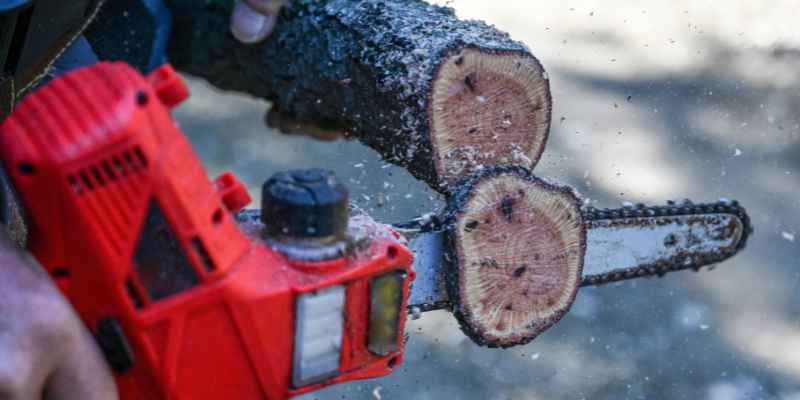
Battery chainsaws can stop working due to guide bar alignment issues. These issues can cause the chain to become misaligned, leading to poor cutting performance or the chain not moving at all. It is important to regularly check and adjust the guide bar alignment to ensure smooth operation of your battery chainsaw.
The guide bar is a critical component of a battery chainsaw that helps guide the chain during operation. If your battery chainsaw has suddenly stopped working, one possible cause could be guide bar alignment issues. A misaligned or warped guide bar can disrupt the smooth movement of the chain, leading to operational problems. In this section, we will explore how to check for guide bar alignment and provide solutions for fixing a warped or bent guide bar.
How To Check For Guide Bar Alignment
To determine if your battery chainsaw is experiencing guide bar alignment issues, follow these simple steps:
1. Start by inspecting the guide bar for any visible signs of damage, such as warping or bending. A straight guide bar is essential for the proper functioning of the chainsaw.
2. Next, remove the chain from the guide bar and check the alignment of the bar against a flat surface. Place the guide bar on a level table or workbench, ensuring that the bar’s cutting edge is facing up.
3. Carefully observe the guide bar’s alignment by sighting down the bar from the tip to the base. Look for any deviations or irregularities along the length of the bar.
4. If you notice any misalignment or warping, it is crucial to address the issue promptly to prevent further damage and ensure the chainsaw operates optimally.
Fixing A Warped Or Bent Guide Bar
If your battery chainsaw’s guide bar is warped or bent, there are several steps you can take to rectify the issue:
1. Replace the guide bar: If the warping or bending is severe, it may be necessary to replace the guide bar altogether. Consult the manufacturer’s instructions or seek professional assistance to ensure you select the correct replacement bar for your specific chainsaw model.
2. Straightening the guide bar: If the warping or bending is minimal, you may be able to straighten the guide bar using a vice and a mallet. Secure the guide bar in the vice, then gently tap the bent section with a mallet until it returns to its original shape. Be cautious not to apply excessive force, as this can cause further damage.
3. Regular maintenance: To prevent guide bar alignment issues in the future, it is essential to maintain your battery chainsaw properly. Regularly inspect the guide bar for signs of wear or damage, and ensure it is adequately lubricated to reduce friction.
By regularly checking for guide bar alignment issues and addressing them promptly, you can ensure the smooth functioning of your battery chainsaw and extend its lifespan. Remember to consult the manufacturer’s instructions or seek professional help if you are unsure about any repairs or replacements.
Safety Features And Cut-outs
When your battery chainsaw suddenly stops working, it can be frustrating and concerning. Understanding the safety features and cut-outs of your chainsaw is crucial in troubleshooting the issue. Here, we delve into the importance of safety features and cut-outs, including kickback brakes and resetting the chainsaw’s safety switches.
Understanding Kickback Brakes
Kickback brakes are integral safety features designed to reduce the risk of injury during operation. They are engineered to stop the chainsaw chain from rotating if kickback occurs, which is essential for preventing accidents. If your battery chainsaw has unexpectedly stopped working, it’s important to check the kickback brakes to ensure they are functioning as intended.
Resetting The Chainsaw’s Safety Switches
Another essential aspect of safety features and cut-outs is the chainsaw’s safety switches. These switches are designed to prevent the chainsaw from operating if certain conditions are not met, such as the chain brake being engaged or the throttle trigger not being fully released. If your battery chainsaw has suddenly stopped working, it’s advisable to check and reset the safety switches to ensure they are not inadvertently causing the issue.
Troubleshooting Electronic Controls
When your battery chainsaw suddenly stops working, it can be frustrating. One common issue could be electronic control problems. Let’s dive into some solutions.
Dealing With Software Glitches
Software glitches can cause your chainsaw to malfunction unexpectedly. To address this, try restarting the chainsaw to reset the software.
Firmware Updates And Their Impact
- Firmware updates can improve the performance of your battery chainsaw.
- Check the manufacturer’s website for any available updates to ensure your chainsaw is running on the latest firmware version.
Updating firmware can often resolve issues with electronic controls and enhance the overall functionality of your chainsaw.
Professional Repair Vs. DIY
Battery chainsaws can suddenly stop working, leaving you wondering whether to opt for professional repair or attempt a DIY fix. Understanding the root cause of the issue, such as a faulty battery or motor, can help you make an informed decision.
Evaluate your skills and the complexity of the problem before choosing the best course of action.
Sometimes a battery chainsaw may suddenly stop working, leaving you wondering what went wrong. Understanding the options of professional repair versus DIY can save time and money.
When To Seek Professional Help
If the issue is complex or requires specialized tools, it’s best to seek professional assistance.
DIY Repairs: Tools And Techniques
Basic tools like screwdrivers and a manual can help diagnose and fix minor issues.
Preventative Measures And Best Practices
Regular maintenance schedule and proper storage are crucial to keep your battery chainsaw working efficiently.
Regular Maintenance Schedule
- Check chain tension and sharpness monthly.
- Clean air filters every three months.
- Inspect for loose parts or leaks biannually.
Storing Your Chainsaw To Avoid Future Issues
- Store in a dry place away from moisture.
- Remove the battery when not in use for long periods.
- Use a cover to protect from dust and debris.
Conclusion: Ensuring Longevity Of Your Battery Chainsaw
To prevent your battery chainsaw from stopping working prematurely, it’s essential to take proper care of it. Keep the battery charged, clean the chainsaw regularly, and store it in a dry place. With these precautions, your battery chainsaw can last for many years.
Key Takeaways For Reliable Chainsaw Functioning
- Regularly clean and maintain the chainsaw components.
- Keep the battery charged and store it properly.
- Inspect the chainsaw for any signs of wear or damage.
The Importance Of Addressing Issues Promptly
- Timely identification and resolution of problems.
- Prevents further damage and costly repairs.
- Ensures optimal performance and longevity of the chainsaw.
Frequently Asked Questions
Why Is My Battery Chainsaw Not Starting?
A battery chainsaw may not start due to low battery, faulty switch, or motor issues. Check the battery charge, switch position, and motor connections to troubleshoot the problem.
How Can I Improve The Battery Life Of My Chainsaw?
To extend battery life, avoid overcharging, store in a cool place, and use the chainsaw regularly. Keeping the battery clean and following manufacturer guidelines also help maximize battery performance.
What Maintenance Tasks Are Essential For Battery Chainsaws?
Regularly clean the chainsaw, tighten loose parts, lubricate the chain, and check the battery for any damages. Proper storage, blade sharpening, and maintaining correct tension are also crucial for optimal performance.
Conclusion
Understanding the common reasons for a battery chainsaw malfunction is essential for effective troubleshooting. Regular maintenance, proper storage, and appropriate usage can prevent many issues. Additionally, seeking professional assistance when needed ensures the longevity of your chainsaw. By following these tips, you can keep your battery chainsaw in top working condition.