How to Start a Craftsman Chainsaw: Gas & Battery Guide
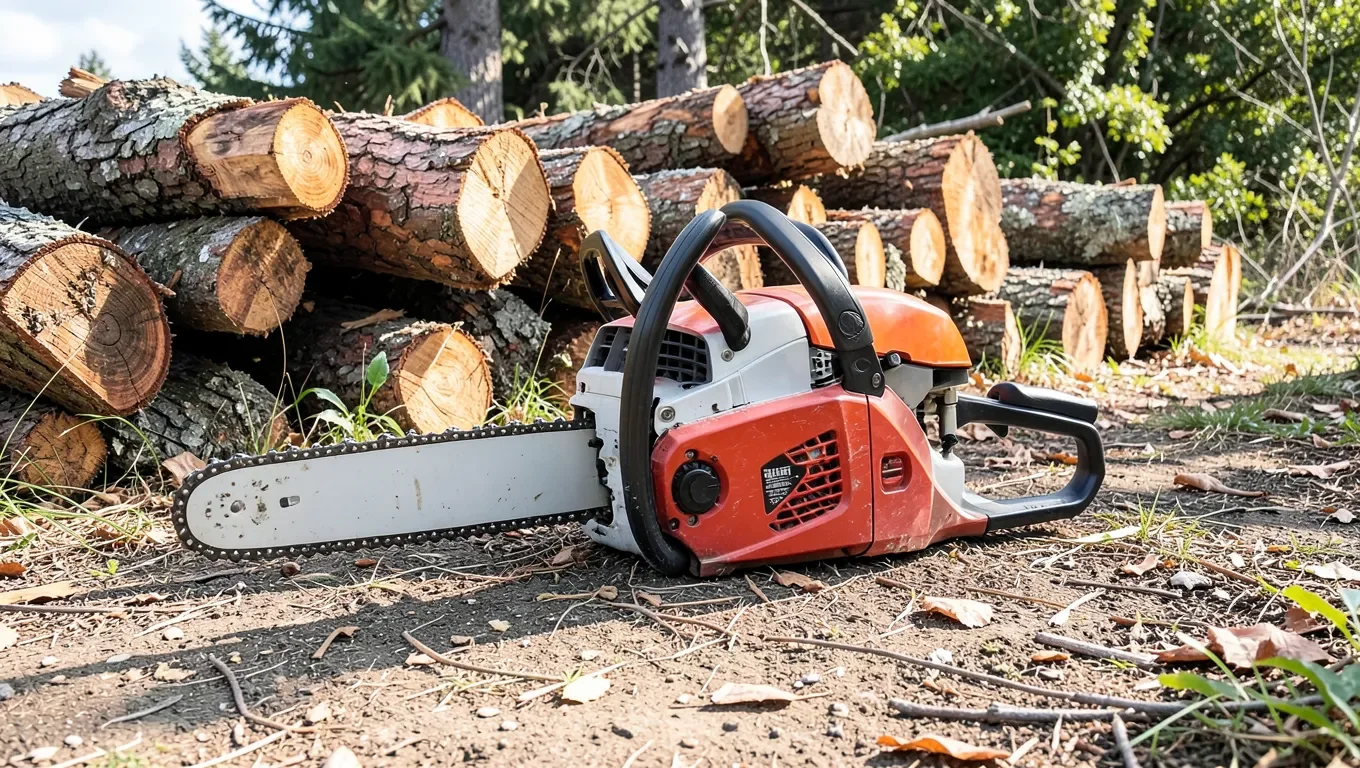
Craftsman sells two very different kinds of chainsaw right now, a gas model with a pull-cord and choke, and a battery-powered model with no choke at all, and the starting procedure for one will not work on the other. Below is the real step-by-step for both, plus the chain-brake sequence that most quick guides skip or get backward.
Chainsaw Safety Gear You Need Before Starting
Before you touch the starter cord or the power button, get dressed for the job. A running chainsaw chain moves fast enough that ordinary work pants offer no real protection if it makes contact with your leg.
Recommended Chain-Brake-Rated Chaps
 |
Forester Chainsaw Safety Chaps – $53.89 The chain brake stops the chain, but chaps are the backup if it doesn’t engage in time.
|
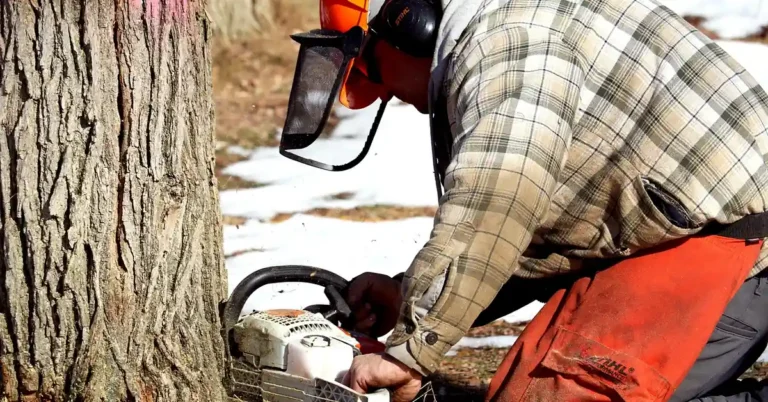
At minimum, wear eye protection, hearing protection, and cut-resistant gloves every time the chainsaw runs, gas or battery. Leg protection matters just as much on a battery saw as a gas one, the chain doesn’t know the difference.
Is Your Craftsman a Gas or a Battery-Electric Model?
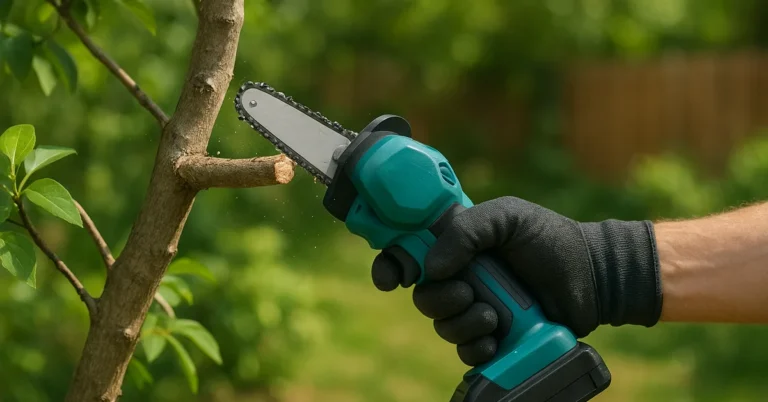
Craftsman currently sells chainsaws in both categories, and it changes everything about how you start the saw. The Craftsman S160 is a 42cc gas chainsaw with a 16-inch bar, a pull-cord, and a choke lever, the same basic layout Craftsman gas saws have used for years. The Craftsman V20 line is a cordless battery chainsaw, typically sold with a 10-inch or 12-inch bar, a slide-in battery pack, and no choke, no primer bulb, and no pull-cord.
If your saw has a fuel cap and a rubber primer bulb near the front, it’s the gas S160 (or an older gas model) and you need the cold-start sequence below. If it has a rectangular battery slot on the back or bottom of the handle and a separate lock-off button next to the trigger, it’s the V20, and starting it is a two-button process with none of the choke steps. Mixing up the two procedures is the single most common reason people think their “new” chainsaw is broken when it’s actually just a different engine type than the one the manual they’re half-remembering describes.
Pre-Start Safety Checklist
Run through this list every time, not just the first time you use the saw. Skipping it is how kickback injuries and chain-derailment injuries happen.
| Check | What you’re looking for |
| Chain tension | Chain should sit snug against the bar but still pull around freely by hand, not sagging and not stiff. |
| Bar and chain oil | Reservoir topped off, gas saws will burn through the chain oil separately from the fuel mix. |
| Fuel mix (gas saws only) | Fresh 2-cycle mix, most Craftsman gas engines call for a 40:1 gas-to-oil ratio, check your model’s manual for the exact number. |
| Battery charge (V20 only) | Battery seated fully and clicked in, charge indicator showing usable capacity. |
| Chain brake | Engaged (pushed forward toward the bar) before you do anything else on this list. |
| Ground clearance | Bar and chain not touching dirt, wood, or anything else when you start the saw. |
How to Cold-Start a Gas Craftsman Chainsaw
This is the sequence for a Craftsman S160 or any similar gas Craftsman model when the engine is cold, meaning it hasn’t run in the last several minutes.
- Set the saw down on flat, stable ground or a workbench, never hold it in the air to start it. Holding a chainsaw off the ground while pulling the cord, sometimes called “drop-starting,” is a real technique some people use to save time, and it’s dangerous, because if the saw fires you’re holding a running chainsaw with no stable base and nothing between the moving chain and your body.
- Engage the chain brake by pushing the front hand guard forward until it clicks. Confirm it’s locked by trying to pull the chain around the bar by hand, it should not move.
- Secure the saw with your right foot through the rear handle and your left hand gripping the front handle firmly.
- Press the primer bulb 6 to 10 times, until you can see fuel moving through the clear bulb.
- Set the choke to the full/closed position. On most Craftsman gas saws this is a lever near the air filter cover or a combined choke/stop switch.
- Pull the starter cord with short, firm pulls until the engine fires once or “pops,” even briefly. Don’t yank it repeatedly at full choke, that floods the engine.
- Move the choke to the half or “run” position as soon as it pops, then pull again to get it running.
- Let it idle for a few seconds with the chain brake still engaged, then squeeze the throttle briefly to knock off any remaining choke enrichment.
A warm restart, meaning the engine has run within the last few minutes and is still warm, skips the choke almost entirely. Leave the choke in the run position, press the primer bulb a couple of times, and pull the cord. Starting a warm engine with the choke closed is one of the most common reasons a “hard to start” chainsaw is actually just being flooded by its own owner.
How to Start a Battery-Powered Craftsman Chainsaw
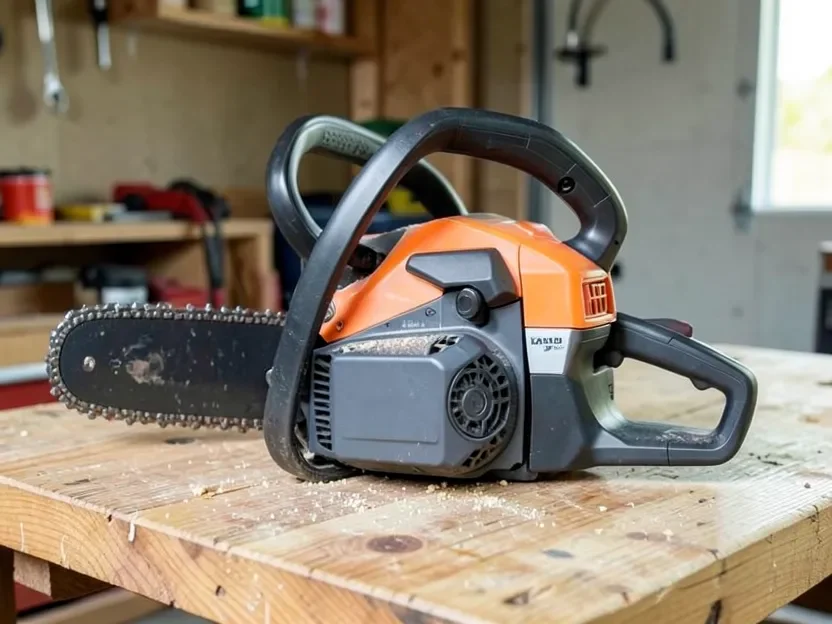
The Craftsman V20 and similar cordless models remove most of the gas-engine steps entirely. There’s no fuel to prime, no choke to set, and no cord to pull.
- Engage the chain brake (front hand guard pushed forward), the same first step as a gas saw.
- Slide the battery pack into the port on the rear of the handle until it clicks and locks.
- Set the saw on stable ground or a bench, chain clear of anything it could contact.
- Press and hold the lock-off button (usually on top of or beside the rear handle), then squeeze the trigger. Most cordless chainsaws require both at once as a deliberate anti-accidental-start design, not a defect if it feels stiff the first time.
- The chain begins moving the instant the trigger is squeezed, so keep the saw pointed away from your body and anyone nearby the moment the battery goes in.
Because a battery saw has no idle, there’s no equivalent to “letting it warm up.” It’s either off or cutting, which is exactly why the chain brake and lock-off button matter even more on the cordless models than on gas ones.
Disengaging the Chain Brake Before You Cut
This is the step people get backward most often. You start the saw with the chain brake engaged for safety, but the chain physically cannot spin while the brake is on. Before you make your first cut, on either a gas or battery Craftsman chainsaw, pull the front hand guard back toward the front handle until it clicks into the released position. Squeeze the throttle or trigger briefly to confirm the chain actually moves.
The reverse mistake happens too: finishing a cut, setting the saw down without re-engaging the brake, then picking it back up. Get in the habit of re-engaging the chain brake by hand every single time the saw isn’t actively cutting, including short pauses between cuts.
Troubleshooting a Craftsman Chainsaw That Won’t Start
If a gas Craftsman chainsaw won’t start after several honest attempts with the correct choke sequence, work through these in order rather than guessing:
- Flooded engine: pull the spark plug, let it dry (or wipe it off), pull the starter cord 4 to 5 times with the choke fully open and the plug still out to clear excess fuel, then reinstall and try again.
- Old fuel: gas/oil mix older than about 30 days can separate or lose combustibility. Drain it and mix fresh fuel at the ratio in your manual.
- Fouled spark plug: a plug caked in black soot or oil won’t spark reliably, clean it with a wire brush or replace it, they’re inexpensive.
- Dirty air filter: a clogged filter starves the engine of air and mimics a fuel problem, pull it and check for visible buildup.
- On/off switch position: obvious, but worth checking, some Craftsman models combine the stop switch with the choke lever and it’s easy to leave it in the “stop” position.
On a V20 battery model, a saw that won’t start almost always comes down to one of three things: the battery isn’t seated far enough to click, the battery itself is depleted or past its charge cycles, or the lock-off button and trigger aren’t being pressed together firmly enough. There’s no carburetor or spark plug to trace on the electric side.
Maintenance That Keeps It Starting Reliably
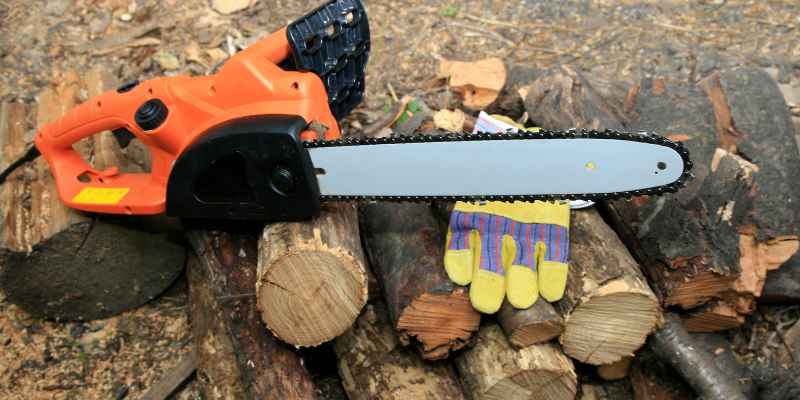
Most starting problems are maintenance problems in disguise. Wipe sawdust and debris off the saw after every use, clean the air filter roughly every 5 hours of run time on a gas model, and check the bar and chain oil level before every session. For gas saws specifically, empty the fuel tank before any storage longer than a month, old fuel sitting in the carburetor is one of the most common reasons a chainsaw won’t start on the first day of the season. Battery models just need the battery removed and stored at partial charge, not full, for long-term storage.
Frequently Asked Questions
Do I engage or disengage the chain brake before starting a Craftsman chainsaw?
Engage it before starting, on both gas and battery models. The chain brake should be locked forward (engaged) while you start the engine or squeeze the trigger, then released just before your first cut.
Why won’t my Craftsman chainsaw start even with a full tank?
The most common causes are a flooded engine from starting with the choke closed too long, old fuel that’s separated or lost its combustibility, or a fouled spark plug. Work through those three before assuming a mechanical failure.
Does a Craftsman V20 battery chainsaw have a choke?
No. The V20 and other Craftsman cordless models have no choke, primer bulb, or pull-cord. Starting one is a two-step process: insert the battery, then press the lock-off button and trigger together.
What fuel mix ratio does a Craftsman gas chainsaw use?
Most Craftsman gas chainsaws, including the S160, use a 40:1 gasoline-to-2-cycle-oil ratio, which works out to about 3.2 ounces of oil per gallon of gas. Confirm the exact ratio in your specific model’s manual before mixing.
Conclusion
The chain brake sequence, engaged before starting, released before cutting, is the one habit that matters more than getting the choke position perfect. Know whether you’re holding a gas S160 or a battery V20 before you touch anything, since half of the steps above don’t apply to the other type, and you’ll have a Craftsman chainsaw running safely in under a minute either way.
Sponsored / affiliate links. As an Amazon Associate I earn from qualifying purchases. I may earn additional commission from eligible campaigns.
 Top Handle Gas Chainsaws, 20 Inch Bar Power Chain Saws, Cycle Gas Powered Chainsaw, Chainsaw 2 Stroke Handed Petrol Gasoline Chain with Tool Bag, Gas Chain Saw for Cutting Wood Pruning Branches(52cc)
 20 Inch Gas Chainsaw, 58CC 2-Stroke Professional Gasoline Powered Chainsaw 2.4KW 10000RPM Handheld Cordless Petrol Chain Saws Power Head for Cutting Wood Outdoor Garden Farm & Home (Orange)