Echo Vs Stihl Vs Husqvarna Chainsaw: The Ultimate Comparison
When comparing Echo, Stihl, and Husqvarna chainsaws, it is important to consider factors such as power, durability, and price. Each brand has its own strengths and weaknesses, making it essential to evaluate which one aligns with your specific needs and preferences. If price for STIHL specifically is the deciding factor, see our official STIHL dealer pricing breakdown for real MSRP figures.
Echo tends to win on price and simplicity for occasional homeowner use, Stihl covers the widest displacement range from homeowner to professional felling saws, and Husqvarna splits the difference with a strong reputation among working arborists for its X-Torq engine and LowVib handling. By understanding the unique characteristics of each brand, you can make an informed decision when choosing the best chainsaw for your particular requirements.
We will delve deeper into the differences between Echo, Stihl, and Husqvarna chainsaws, helping you determine which one is most suitable for your cutting needs.
If you’re weighing Echo against Stihl specifically (rather than all three brands), a few concrete numbers help: Echo, founded in 1972, builds engines ranging from about 30.5cc to 80.7cc across its chainsaw lineup, while Stihl, established in 1926, spans a wider 30.1cc to 121.6cc range and adds conveniences like tool-less chain tensioning and easy-access air filters that simplify routine maintenance.
Warranty length is one of the more overlooked numbers in this comparison, and it varies more than most buyers expect. Echo backs its homeowner-grade saws with a 5-year consumer warranty (2 years if used commercially) — the longest of the three. Husqvarna covers consumer models for 2 to 3 years depending on the saw. Stihl’s consumer warranty is 1 year for gas-powered rear-handle chainsaws, dropping to 3 months for commercial use. A longer warranty isn’t the same as a more reliable saw, but it does change the math on how much risk you’re taking on at the price you’re paying.
Echo Chainsaw: Unveiling The Features And Performance
Best Bar & Chain Oil Pick
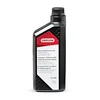
Oregon Premium Bar & Chain Oil – $11.99
Whichever of these three brands you buy, the saw needs bar oil from day one — this one works across Echo, Stihl, and Husqvarna bars without voiding anything.
- Best for: Universal use across any chainsaw brand
- Why we picked it: All-season formula, doesn’t fling off the chain as easily as thin oils
- Main drawback: Not biodegradable, so it’s not ideal for sensitive-area cutting
Compare more chainsaw maintenance options
 Option 1 Husqvarna X-Guard – $13.89
|
 Option 2 Budget Chain Oil – $9.48
|
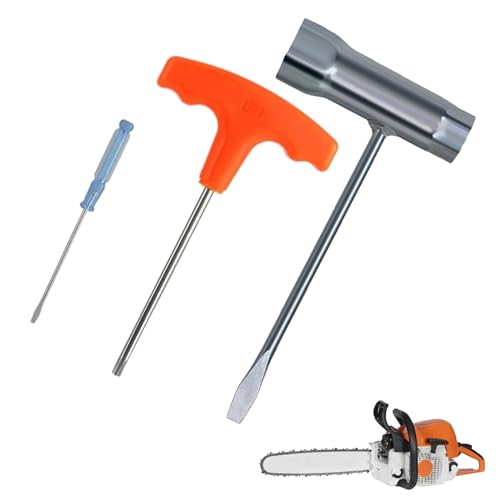
 Option 3 Multi-Brand Scrench – $31.99
|
As an Amazon Associate we earn from qualifying purchases.
Echo’s homeowner-line saws (the CS-352, CS-400, CS-490 series) sit in the 35.8–50.2cc range and are tuned for light, occasional use – firewood, storm cleanup, the odd fence-post job – rather than a full day of continuous felling. That focus shows up in the parts count: Echo’s two-stroke engines use a comparatively simple carburetor and ignition setup, which keeps replacement parts cheap and widely stocked at hardware stores, a real factor if a saw breaks down mid-project in a rural area.
Engine Power And Performance
Where Echo trades outright power for simplicity, it still holds up well against Stihl’s equivalent homeowner models on cutting speed in softwood – the difference becomes more noticeable in hardwood or with a longer bar, where the smaller displacement has to work harder. Echo’s G-Force air pre-cleaning system, which spins debris out of the intake air before it reaches the filter, is a genuine maintenance advantage: it extends the interval between filter cleanings noticeably in dusty conditions compared to a saw without a pre-filter stage.
Ergonomics And Maintenance
The i-30 starting system reduces the pull-cord effort needed to start the engine by roughly 30% according to Echo’s own spec, which matters more than it sounds – a saw that’s hard to start cold gets used less. On the maintenance side, Echo’s simpler fuel system means fewer specialized tools are needed for basic carburetor adjustments, but that same simplicity is part of why Echo’s warranty (5 years homeowner-use, the longest of the three brands) skews toward covering a saw that mostly sees light-duty weekend work rather than daily commercial hours.
Stihl Chainsaw: A Closer Look At Functionality And Versatility
Stihl’s lineup spans from the 30.1cc MS 170 homeowner saw up to the 121.6cc MS 881 for professional felling, which is the widest displacement range of the three brands and part of why Stihl shows up so often on professional crews who need one platform that scales from limbing to old-growth timber.
Anti-Vibration And Safety Systems
Stihl’s anti-vibration system isolates the engine and cutting attachment from the handles using rubber buffer elements, which reduces the hand-arm vibration exposure that causes fatigue and, over years of daily use, contributes to vibration white finger in professional operators – a real occupational hazard, not just a comfort feature. The QuickStop chain brake, which Stihl was among the first major brands to standardize across its line, stops the chain in a fraction of a second if the saw kicks back, triggered either manually or by inertia in a kickback event.
Fuel System And Running Costs
The M-Tronic engine management system on Stihl’s mid-range and professional saws automatically adjusts the fuel/air mixture for altitude, fuel quality, and air filter condition, which removes the need for a manual high/low-speed carburetor adjustment that most other saws in this class still require – useful if you’re not comfortable tuning a two-stroke carburetor by ear. That electronic control adds cost up front, which is part of why Stihl’s professional models carry a higher price than Echo’s equivalent-displacement saws, but the tradeoff is a saw that stays in tune without a trip to a dealer.
Warranty And Ownership Cost
Stihl’s consumer warranty runs a comparatively short 1 year (3 months if used commercially), shorter than either Echo or Husqvarna’s consumer coverage – not because Stihl saws are less durable, but because Stihl’s dealer network and parts availability are built around expecting owners to maintain the saw themselves or through a local dealer rather than leaning on a long factory warranty period.
Husqvarna Chainsaw: Analyzing Durability And Reliability
Husqvarna’s chainsaw lineup runs a similar span to Stihl’s, from small homeowner saws up through professional felling models, with a particular reputation among arborists for its X-Torq engine technology, which Husqvarna states reduces fuel consumption and exhaust emissions by roughly 20% and 60% respectively compared to a conventional two-stroke engine of the same size.
Build And Cutting System
Husqvarna’s LowVib vibration-dampening system, similar in principle to Stihl’s, uses dampening elements between the engine and handle assembly. Where Husqvarna differentiates is its centrifugal air cleaning system on higher-end models, which spins larger debris out before it reaches the air filter – useful in dusty or sandy cutting conditions like storm-damaged trees with embedded dirt and debris.
Warranty And Support Network
Husqvarna’s consumer warranty runs 2 to 3 years depending on the model, landing between Echo’s 5-year and Stihl’s 1-year coverage. Husqvarna’s dealer network is smaller than Stihl’s in most U.S. regions but larger than Echo’s, which matters mainly for warranty service turnaround and parts availability if something needs professional repair rather than a DIY fix.
Where Does EGO Fit In?
If you’re cross-shopping battery power too, EGO is the brand most commonly set against these three gas saws in buyer research, and it’s worth naming directly rather than pretending the comparison is only ever gas-vs-gas. EGO’s battery chainsaws trade the noise, fuel mixing, and pull-starting of Echo/Stihl/Husqvarna for instant start and lower maintenance, at the cost of runtime on a single charge and less raw power for repeated all-day felling work. For occasional yard cleanup and limbing, that trade-off often favors EGO; for daily commercial-grade cutting, the gas three still lead. One honest caveat on market-share claims you’ll see repeated online: none of these manufacturers publish audited unit-sales breakdowns by country, so any specific “X% market share” figure circulating for Stihl, Husqvarna, Echo, or EGO should be treated as an estimate, not a verified statistic.
Frequently Asked Questions Of Echo Vs Stihl Vs Husqvarna Chainsaw
How Do Echo, Stihl, And Husqvarna Chainsaws Compare In Terms Of Power And Performance?
Displacement is the clearest way to compare the three on raw power. Echo’s homeowner range tops out around 50.2cc, Husqvarna’s professional models reach into the 90cc-plus range, and Stihl spans the widest gap of all – 30.1cc up to 121.6cc for its largest felling saw – which is why Stihl shows up most often on professional logging crews needing one platform for every job size.
What Are The Key Differences In Design And Construction Between Echo, Stihl, And Husqvarna Chainsaws?
Echo, Stihl, and Husqvarna chainsaws each have unique design and construction features. Echo chainsaws are praised for their ergonomic design and user-friendly features, while Stihl chainsaws are built for rugged durability and easy maintenance. Husqvarna chainsaws stand out for their innovative anti-vibration technology and lightweight yet durable construction.
How Do Echo, Stihl, And Husqvarna Chainsaws Perform In Terms Of Fuel Efficiency And Emissions?
Husqvarna’s X-Torq technology is the standout here, rated by the company at roughly 20% lower fuel consumption and 60% lower exhaust emissions versus a conventional two-stroke of the same displacement. Stihl’s M-Tronic engine management keeps the fuel/air mix tuned automatically for fewer wasted-fuel rich-running periods, while Echo’s simpler two-stroke design uses less exotic tech but keeps parts and tuning costs low.
Which Factors Should Be Considered When Choosing Between Echo, Stihl, And Husqvarna Chainsaws For Different Cutting Tasks?
When selecting between Echo, Stihl, and Husqvarna chainsaws for specific cutting tasks, consider factors such as cutting capacity, ergonomic design, and overall performance. Echo chainsaws are versatile for heavy-duty cutting, while Stihl chainsaws excel in precision and maneuverability. Husqvarna chainsaws are favored for their balance of power, functionality, and ease of use across diverse cutting applications.
Conclusion
After considering the features of Echo, Stihl, and Husqvarna chainsaws, it becomes clear that each brand offers its unique advantages. Depending on your specific needs, you can make an informed decision based on power, efficiency, and overall performance. By understanding the differences between these top brands, you can choose the best chainsaw for your requirements.
Sponsored / affiliate links. As an Amazon Associate I earn from qualifying purchases. I may earn additional commission from eligible campaigns.