Why Does Ash Wood Smell Bad? Uncover the Mystery
Have you ever walked into a room and been greeted by an unexpected, unpleasant odor coming from a piece of furniture or flooring? If so, there’s a good chance that ash wood is the culprit.
You might be wondering why this popular material, known for its strength and beauty, sometimes gives off a smell that can be hard to ignore. Understanding the reasons behind this can be a game-changer for anyone considering using ash wood in their home or workspace.
Whether you’re a homeowner, a DIY enthusiast, or someone simply curious about the materials around you, knowing why ash wood smells bad can help you make informed decisions and possibly avoid some smelly surprises. Stay with us as we dive into the details, unraveling the mystery behind the scent and offering tips on how to manage it effectively.
Credit: welovefire.com
Ash Wood Characteristics
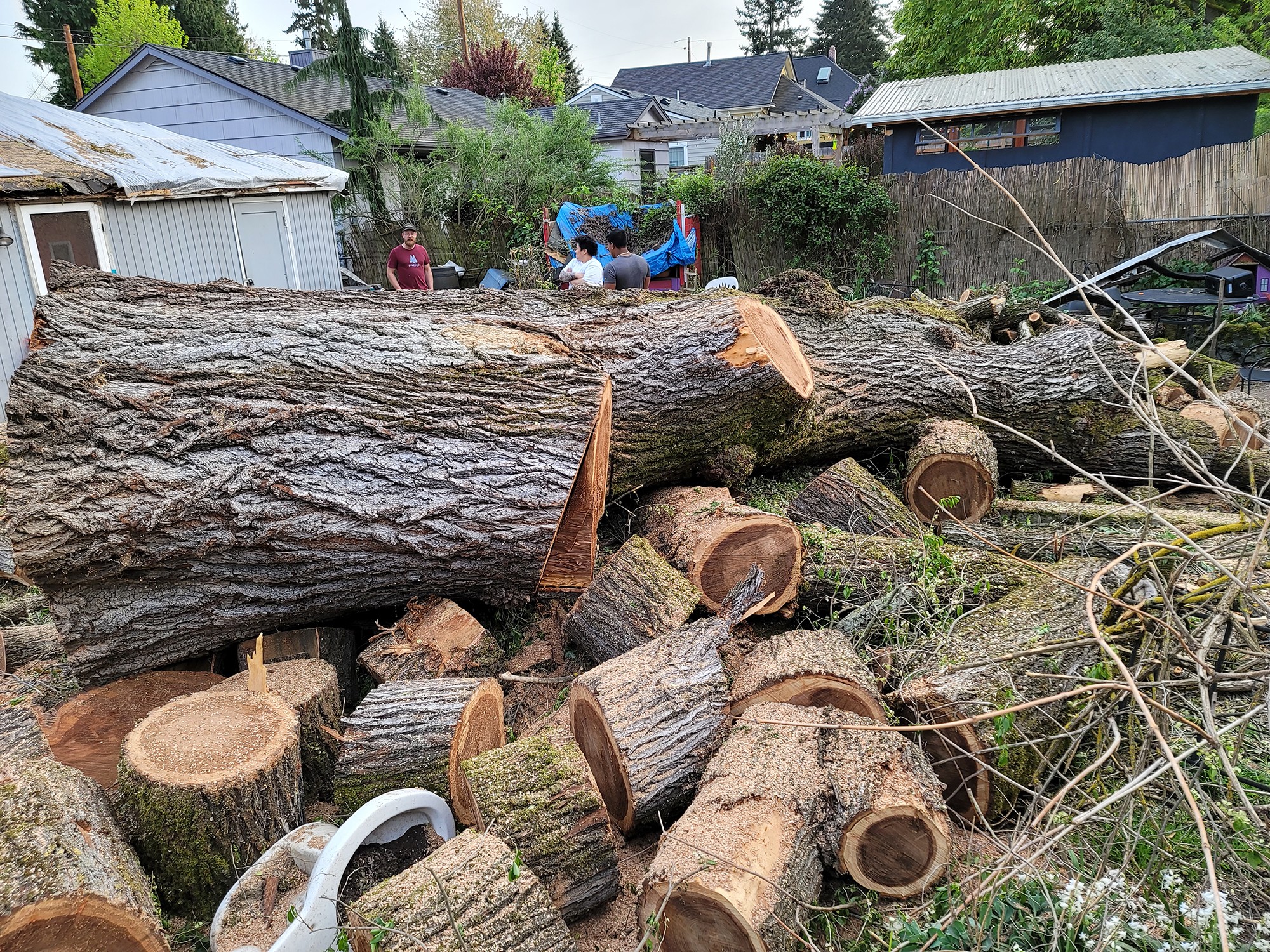
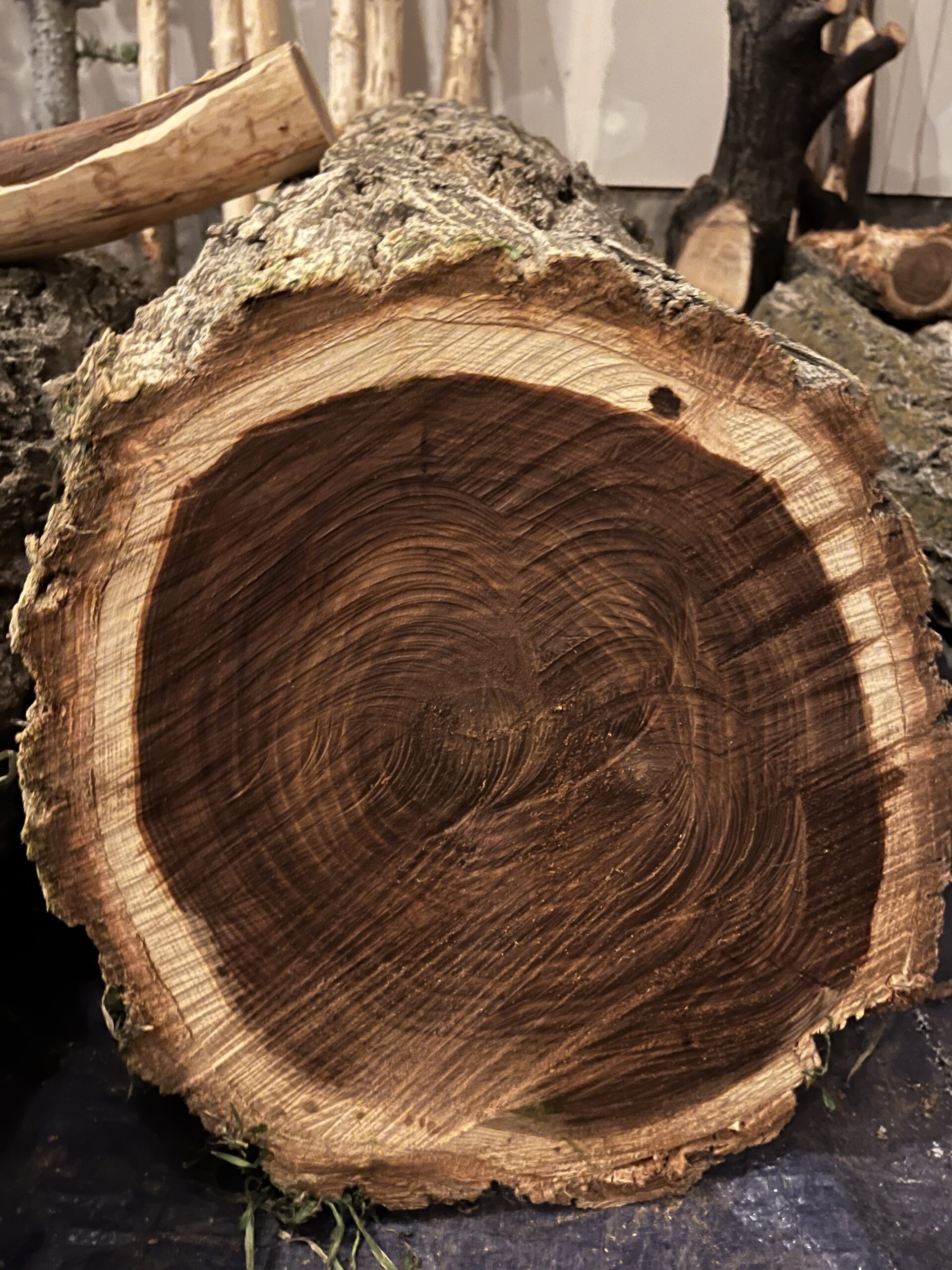
Ash wood is known for its light color and straight grain. It is often white or light brown. The wood is hard and strong. It can be bent easily without breaking. This makes it a favorite for many woodworkers. Ash wood is also elastic. It bounces back to its shape after bending. The wood is heavy but not too heavy to lift. Many people use it for furniture. It also has a smooth texture. People like to polish it for a shiny finish.
Ash wood is used in many ways. It is popular for making furniture. Chairs and tables are often made from it. People also use it for sporting goods. Baseball bats are a common example. The wood’s strength makes it ideal for these items. Ash wood is also used in making tools. Handles for tools are often made from it. Its elasticity is helpful for these purposes. Many people use it in flooring too. It gives a room a nice look.
Credit: www.wood-database.com
Origins Of Odor
Ash wood has a unique smell. This smell comes from its chemical makeup. The wood contains natural oils. These oils can produce a strong scent. Some people might find it unpleasant. These compounds change over time. As the wood ages, the scent might grow stronger.
The environment affects the wood’s smell. Moisture can make the odor worse. Wood stored in damp places might smell bad. Heat also plays a role. Warm areas can increase the smell. Air quality matters too. Poor air can make the scent stronger.
Factors Affecting Smell
Moisture makes wood smell. Wet wood smells stronger. It can rot. Rotting wood smells bad. Dry wood smells less. Keep ash wood dry. Dry wood keeps its smell light.
Old wood smells different. New wood smells fresh. Old wood can smell bad. Damaged wood smells worse. Cracks and breaks change smell. Keep wood in good shape. Good wood smells better.
Comparing Ash With Other Woods
Ash wood often emits an unpleasant smell due to its high moisture content and unique chemical composition. Unlike other woods, ash releases a sour odor when cut or burned, which can be off-putting. This distinct aroma makes it less favorable for indoor use compared to other, more fragrant woods.
Popular Alternatives
People often choose woods like oak, maple, and cherry. These woods have pleasant scents. Oak has a sweet, woody smell. Maple gives a light and gentle scent. Cherry smells like rich, sweet fruit. These scents make them popular for furniture and floors.
Odor Profiles
Different woods have different odors. Some smell fresh and clean. Others might smell strong or earthy. Ash wood can smell bad to some people. It has a pungent odor. This can be off-putting. It’s important to know the odor before choosing wood. A pleasant scent can enhance a room. A bad smell might cause discomfort.
Addressing Odor Issues
Ash wood often has a bad smell. This can be a problem in homes. The smell comes from natural oils in the wood. It can be worse in wet conditions. Mold can grow on wood and add to the smell. Keeping wood dry can help. Use fans to circulate air. This reduces moisture. Regular cleaning is important. Dust and dirt can trap smells. Wipe wood with a damp cloth. Avoid harsh chemicals. They can damage wood.
Preventive Measures
Choose high-quality ash wood. It smells less than low-quality wood. Store wood in dry places. This prevents mold growth. Use dehumidifiers in humid areas. They reduce moisture in the air. Seal wood with varnish. This locks in oils and reduces smell. Avoid storing wood near water sources.
Remedies And Treatments
Baking soda absorbs odors. Sprinkle it on the wood and wait. Then wipe it off with a cloth. Vinegar can clean and deodorize wood. Mix vinegar with water. Spray on the wood. Let it dry naturally. Essential oils can mask bad smells. Use oils like lemon or lavender. Apply a few drops on the wood. Repeat if needed.
Credit: www.wood-database.com
Cultural Perceptions
Ash wood has a unique smell. In ancient times, people had different views on this scent. Some thought it was unpleasant. They believed it was due to the tree’s nature. Others found the smell comforting. It reminded them of old forests and tradition. This divided opinion shows the cultural diversity. People used ash wood in many ways. They crafted tools and made furniture. The smell was a part of everyday life. It influenced how they lived and worked. It was important in their culture. The smell of ash wood tells a story. A story of how people interacted with nature.
Today, people still have mixed feelings about ash wood’s smell. Some dislike the odor. They find it too strong or earthy. Others embrace the scent. They feel it connects them to nature. The smell can be a reminder of rustic places. It brings memories of walks in the woods. This shows how scents affect our emotions. The smell of ash wood is not just a smell. It’s a link to history and tradition. It shows how nature and culture connect.
Frequently Asked Questions
Does Ash Wood Stink?
Ash wood generally does not stink. It has a mild, pleasant aroma that is often described as subtle. People usually find its scent agreeable, especially when used in furniture and flooring. Ash wood’s lack of strong odor makes it popular for indoor applications.
How To Get RID Of Fireplace Ash Smell?
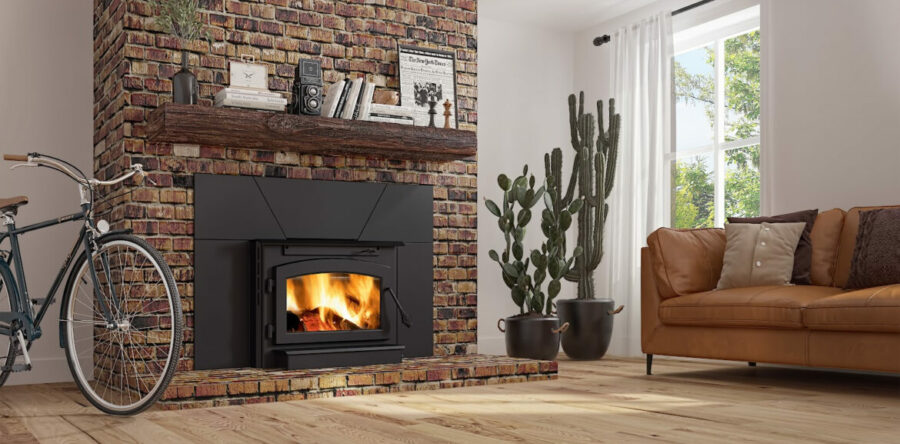
Clean the fireplace thoroughly to remove ash and soot. Use white vinegar to neutralize odors. Place bowls of baking soda nearby to absorb smells. Ensure proper ventilation by opening windows or using a fan. Regularly clean and maintain the fireplace to prevent future odors.
What Is The Most Smelly Wood?
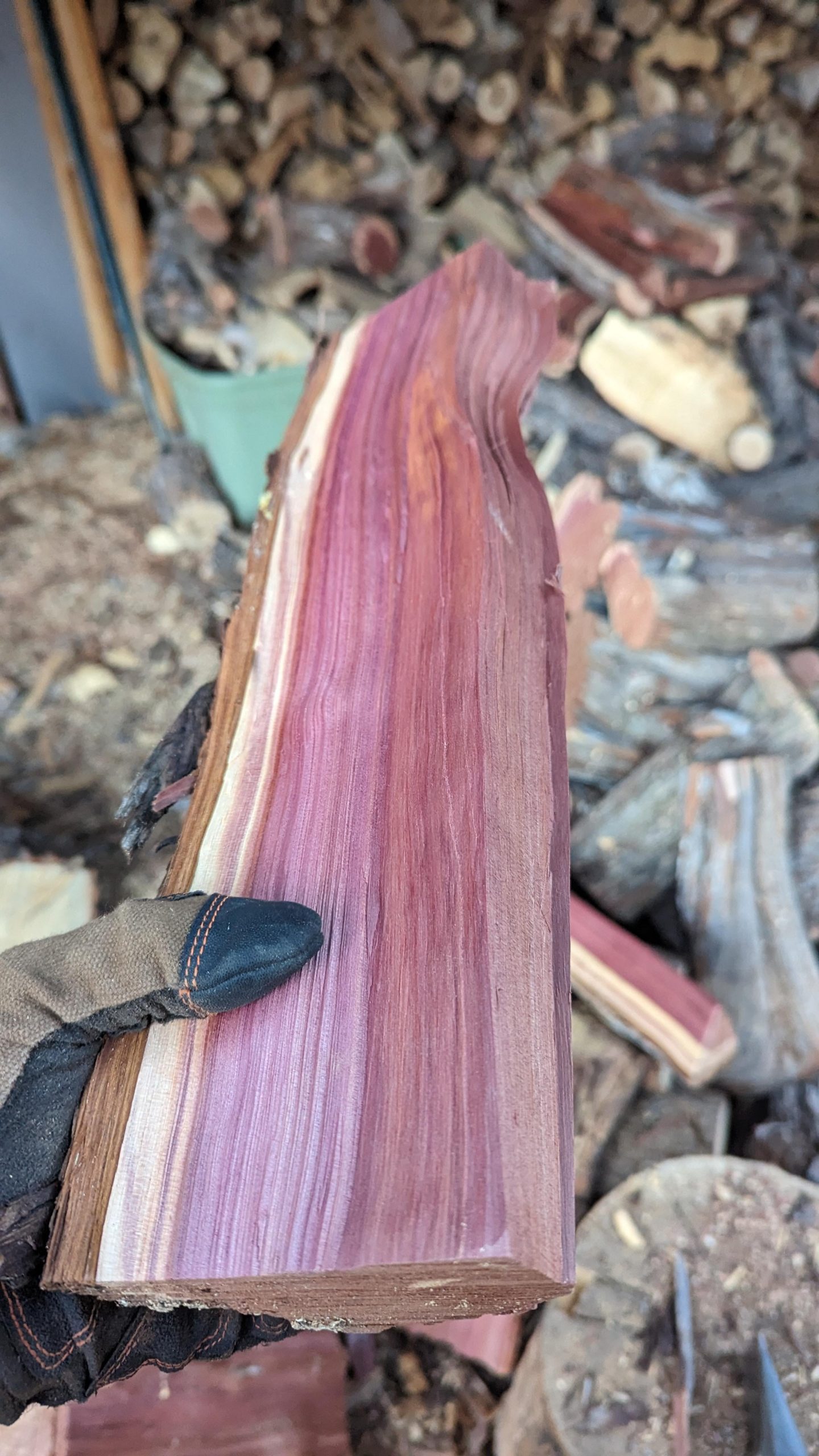
Cedar wood is known for its strong and pleasant aroma. While some find it delightful, others consider it overpowering. The scent comes from natural oils that also repel insects. Red cedar is particularly famous for its distinct smell, often used in closets and furniture to deter moths and pests.
How To Make Ash Not Smell?
To eliminate ash odor, mix ash with baking soda. Store ash in an airtight container to prevent smells. Regularly clean ash trays and areas to keep them fresh. Use essential oils or vinegar to mask lingering scents. Ensure proper ventilation in spaces with ash to reduce odor.
Conclusion
Understanding why ash wood smells bad helps you make smart choices. Different factors like moisture and fungal growth affect its odor. Choosing well-dried and treated wood reduces unpleasant smells. Keep ash wood dry to prevent bad odors. Ventilate your spaces properly.
Proper storage is key. An informed choice enhances your woodworking experience. Odor-free wood creates a pleasant environment. Do you know what causes that smell? Now you do! This knowledge lets you pick the best wood for your needs. Enjoy the beauty of ash wood without the unwanted aroma.
Make informed choices today.