How Does Walnut Wood Age? It Lightens, Not Darkens
Walnut is one of the few common furniture woods that lightens with age instead of darkening — UV light breaks down the pigments in its heartwood, fading it from chocolate-brown toward honey-tan, while oak, cherry, and mahogany all deepen over time. Leave one piece near a window and the mismatch with the rest of a set shows up within months. This guide covers the real aging timeline, why sapwood fades faster than heartwood, and which finishes actually slow the change.
Affiliate disclosure: as an Amazon Associate, we earn from qualifying purchases.
The Truth: Walnut Lightens, It Doesn’t Darken
Best Walnut Finish Pick
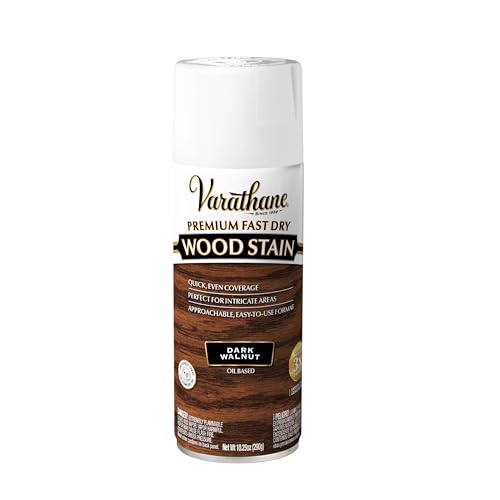
Watco Danish Oil Wood Finish, Dark Walnut
A penetrating oil that deepens grain and adds moderate UV resistance without hiding the wood’s natural texture.
- Best for: everyday walnut furniture that needs routine maintenance
- Why we picked it: easiest oil finish to reapply yourself every 6–12 months, no spray equipment needed
- Main drawback: won’t stop fading entirely — just slows it, and needs reapplication to keep working
Compare more walnut finish options
 Option 1 Howard SunShield Beeswax Polish
|
 Option 2 Tried & True Dark Walnut Stain & Finish
|
 Option 3 Rubio Monocoat Hybrid Wood Protector
|
As an Amazon Associate we earn from qualifying purchases.
Photobleaching is the process by which UV light breaks down the colored organic compounds in wood, and it’s the dominant force behind oak color change. Most hardwoods — oak, cherry, mahogany — darken as their surface oxidizes and tannins deepen with air exposure. Walnut oxidizes too, but the UV breakdown of its heartwood pigment overpowers that effect, so the net result is a lighter, warmer wood rather than a darker one.
The change is real, not a myth some retailers repeat: a walnut table left in front of a sunny window can fade close to the tone of maple within a few years, while a matching piece kept in a dim room barely shifts. Indoor ambient light causes the same reaction — just slower, since it lacks direct UV concentration.
Walnut’s Color-Change Timeline
Most of walnut’s fading happens fast, then the color settles for good. Here’s roughly how it plays out under normal indoor light:
| Timeframe | What happens |
|---|---|
| First 1–2 years | The bulk of the change — cool purple and near-black tones fade fastest, and most of the total color shift happens here |
| Years 3–5 | Wood settles into a honey-caramel range; the rate of change slows sharply |
| Years 7–10 | Color is essentially stable — further change is minor |
| Direct outdoor sun | Visible fading in as little as 2 weeks to a few months — far faster than indoor exposure |
That’s also why a brand-new walnut piece next to an older one from the same set can look like two different species — it usually isn’t a finish mismatch, it’s just years of UV exposure the older piece already went through.
Does a Finish Slow the Fading?
No finish stops walnut from lightening completely — UV still reaches through any clear topcoat over years of exposure — but some slow it down meaningfully more than others.
| Finish type | UV-slowing effect | Best for |
|---|---|---|
| Penetrating oil (Danish/tung) | Low–Moderate | Everyday furniture, easy reapplication |
| Beeswax / paste wax | Low | Light maintenance on already-finished pieces |
| Water-based polyurethane | Low | Durability over color retention |
| Pigmented stain/toner | Moderate–High | Locking in the current color deliberately |
| UV-inhibiting oil/hardwax | Moderate–High | Outdoor or high-sun-exposure pieces |
A quick way to see the effect for yourself without waiting years: tape a coin or a small offcut to a scrap of walnut and leave it in direct sun for a few weeks. The covered spot stays close to the original color while the exposed wood around it visibly lightens — the same masking effect that leaves a dark outline under a rug or picture frame moved after a few seasons.
Heartwood vs. Sapwood — Which Fades Faster?
Walnut boards aren’t uniform, and the two zones of the tree age at different rates:
| Zone | Starting color | Fading speed |
|---|---|---|
| Heartwood | Dark chocolate-brown, sometimes purplish | Slower — higher tannin concentration resists the shift longer |
| Sapwood | Pale cream to light tan | Faster — lighter starting tone shows UV change sooner and more visibly |
This is why furniture-grade walnut is usually cut to avoid sapwood along visible edges — not just for looks on day one, but because that lighter sapwood will keep drifting toward pale tan while the heartwood next to it settles into an amber-brown, widening the color gap between the two over several years instead of narrowing it.
How to Slow Walnut’s Color Change
- Keep new pieces out of direct sun for the first 2 years: this is the window where most of the total fading happens, so limiting UV exposure early has the biggest long-term payoff.
- Rotate furniture and rugs periodically: moving a piece, or shifting what covers part of it, evens out the fade instead of leaving a sharp sun-line or an uncovered patch that stands out.
- Add UV-filtering window film: a low-cost film on nearby windows cuts the UV reaching the wood without dimming the room.
- Apply and maintain a UV-inhibiting finish: reapply an oil, wax, or hardwax with UV blockers every 6–12 months — it won’t stop the change, but it measurably slows it.
Caring for Aged Walnut
Once walnut has settled into its aged color, day-to-day care is simple: wipe with a soft, slightly damp cloth, avoid ammonia-based or abrasive cleaners that can dull the patina, and dry the surface fully to prevent water spotting. Use coasters and placemats to prevent isolated dark or light spots from spills, and inspect finished surfaces yearly — a worn spot in the finish exposes bare wood to faster, uneven UV fading than the rest of the piece.
Frequently Asked Questions
Why is my walnut furniture turning lighter/tan instead of darker?
Yes, that’s normal — walnut is one of the few common furniture woods that lightens with UV exposure instead of darkening. The pigment in its heartwood breaks down under light, fading the surface from chocolate-brown toward a warmer honey-tan, which is the opposite pattern from oak, cherry, or mahogany.
How long does it take for walnut wood to fully change color?
Most of the shift happens in the first 1 to 2 years of normal indoor light exposure, with the color largely stabilizing by year 5 and essentially set by year 7 to 10. Direct outdoor sun speeds this up dramatically, producing visible fading in as little as a few weeks.
Does an oil finish slow down walnut’s fading?
Yes, but only partially. Penetrating oils and UV-inhibiting hardwax finishes measurably slow the color change compared to bare wood, but no clear finish blocks UV completely over years of exposure. Pigmented stains slow it more effectively because they add opaque color on top of the wood rather than relying on UV blockers alone.
Can you reverse or darken faded walnut wood back to its original color?
Not by exposing it to more light — that only continues the fade. To bring back a darker tone, you need to darken the wood deliberately with a pigmented stain, dye, or oil formulated for a darker finish, since UV fading itself isn’t reversible through light or time.
Do walnut cutting boards lighten too?
Yes, and often faster than furniture, since cutting boards get washed frequently and sit exposed on countertops near windows. A food-safe oil like mineral oil or a walnut-oil-based finish won’t stop the fade but keeps the wood conditioned between color changes.
Conclusion
Walnut’s fade toward honey-tan isn’t a defect or a sign of a bad finish — it’s the wood’s normal, well-documented response to light, and it’s the opposite of what happens to oak or cherry. If you want to speed the process up deliberately or match an older piece faster, see our guide on how to lighten walnut wood. Otherwise, a little UV caution in the first two years and a maintained finish afterward is all it takes to keep the transition even across a set of furniture.
Sponsored / affiliate links. As an Amazon Associate I earn from qualifying purchases. I may earn additional commission from eligible campaigns.