Why Does MDF Bow: Solutions to Prevent Warping
Imagine this: you’ve just crafted a beautiful piece of furniture or a custom shelf using MDF, and it looks stunning. But over time, you notice something disturbing.
The once-smooth surface starts to warp, and the edges curl up. MDF, or Medium Density Fiberboard, is a popular choice for its affordability and versatility. But why does MDF bow, and what can you do about it? If you’ve faced this frustrating issue or want to prevent it from happening, you’re in the right place.
Understanding why MDF bows can save you time, money, and headaches. Stick with us as we unravel the mystery behind this common problem and arm you with practical solutions to keep your projects in top shape.
Causes Of MDF Bowing
MDF can absorb water from the air. This makes it swell. Swelling causes the board to bend. It’s best to keep MDF dry. Avoid wet places. Use a dehumidifier if necessary. It helps keep moisture away.
Temperature changes make MDF expand and contract. This causes bowing over time. Hot and cold air affects the board. Keep MDF in stable temperature areas. It prevents bending. Proper temperature control is key.
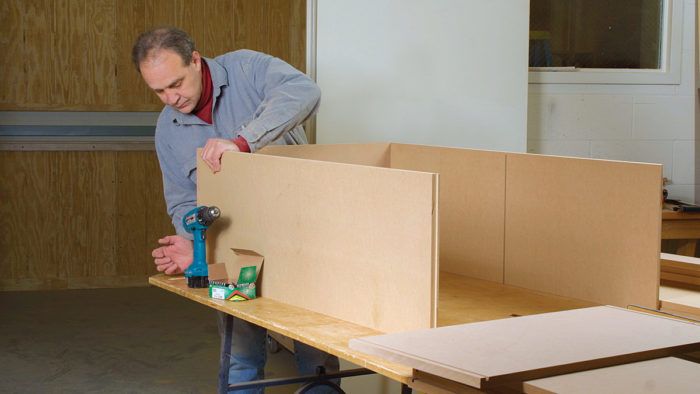
Storing MDF incorrectly leads to bending. Always store MDF flat. Do not place heavy items on it. Heavy weight causes bending. Ensure proper support underneath. Keep the storage area dry and stable. This prevents damage.
Credit: www.etsy.com
Impact Of Bowing On Projects
MDF can bow due to moisture absorption, leading to uneven surfaces. This affects project stability and quality. Proper storage and handling minimize this risk, ensuring smoother construction outcomes.
Structural Issues
MDF often bows because of humidity changes. This can lead to serious structural problems in projects. Bowing makes the material weak and less stable. Shelves might sag. Tables might wobble. This affects the overall strength of the furniture. Builders may need to use more supports. This adds to the cost and time of the project. Fixing bowed MDF can be difficult and costly. It might require replacing whole sections. The bowing might also lead to dangerous situations if not addressed.
Aesthetic Concerns
Bowed MDF looks unpleasant. It can ruin the visual appeal of furniture. The smooth surface gets distorted. This can make paint or veneer appear uneven. Doors might not close properly. Drawers could stick. This affects the overall design. People want their furniture to look perfect. Bowing makes it look flawed. This can cause dissatisfaction. Fixing aesthetic issues might require extra work. Sanding or trimming is needed. This adds to labor costs and time.
Choosing Quality MDF
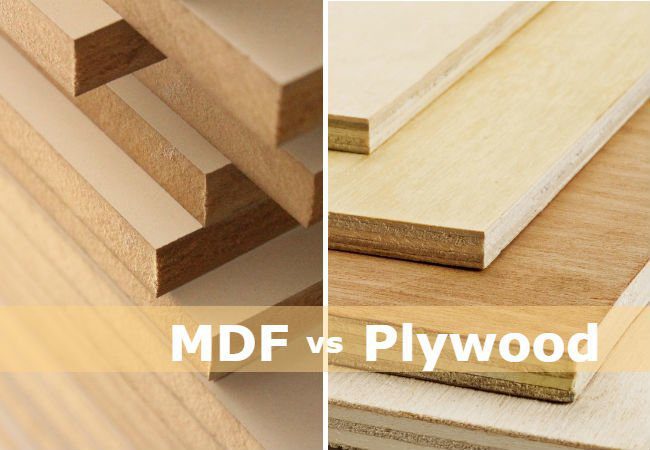
MDF comes in different grades. Each grade has a specific use. Higher grades are more durable. They resist warping and bending. Lower grades are cheaper. But they may bow easily. Always check the grade before buying. Make sure it suits your needs. This avoids problems later.
Good suppliers sell quality MDF. They have a solid reputation. Trusted suppliers ensure better material. This reduces the risk of bowing. Read reviews about suppliers. Ask questions about their product. Ensure they offer strong MDF. Avoid buying from unknown sources. This keeps your projects safe.
Credit: ubuyabox.com
Optimal Storage Practices
MDF can bend if the place is too wet or hot. Keep it in a controlled environment. Use a dehumidifier to reduce moisture. Keep the temperature steady. This helps the board stay flat. Avoid places with big temperature changes. It is better to store MDF inside. Indoor storage gives more control over the climate.
Stacking MDF boards flat is best. This helps avoid bending. Put the boards on a level surface. Use a support every 16 inches. Supports keep the boards straight. If you stack them, align the edges well. This reduces pressure on one side. Use a cover to protect from dust. Dust can hold moisture, which is not good.
Moisture Control Techniques
MDF is sensitive to water. Sealants and coatings can help. They protect the surface from moisture. Choose the right sealant. Some sealants are better for MDF. Water-based sealants are often used. They are safe and effective. Coatings can also be applied. They form a protective layer. This layer stops water from seeping in. It keeps the MDF strong. Regular maintenance is important. It helps in keeping MDF in good shape.
Humidity affects MDF. High humidity can cause bowing. Monitoring is key. Use humidity meters. They show the moisture level in the air. Place them near MDF. Check the readings often. Control indoor humidity. Use dehumidifiers if needed. Keep humidity levels stable. This reduces the risk of MDF damage. Ventilation helps too. Proper airflow prevents moisture buildup. It keeps the environment dry. Simple steps can save your MDF from bowing.
Installation Best Practices
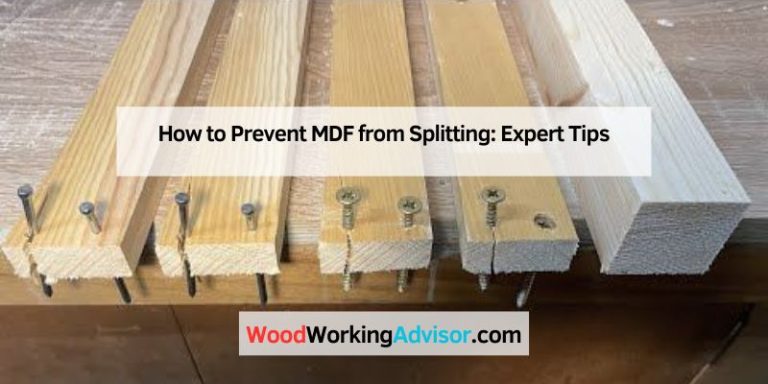
MDF needs proper fastening to avoid bowing. Use screws with a wide thread. They hold MDF better. Nails can also work but are less strong. Pre-drilling holes is important. This stops the MDF from splitting. Use glue for extra support. It helps keep the MDF flat. Fasten evenly across the surface. This prevents any part from lifting.
Supports under MDF are crucial. They stop bending and bowing. Place them close together. This gives more strength. Use beams or brackets. They hold the MDF firmly. Regular checks are important. Look for any signs of bending. Adjust supports if needed. Keep heavy items off MDF. This stops extra pressure and helps maintain its shape.
Regular Maintenance Tips
MDF can bow over time. To avoid this, check it often. Look for any signs of damage. A small crack can grow fast. Feel the surface. It should be smooth. Any bumps might mean trouble. Listen for strange sounds when you tap. If it sounds hollow, check it closely. Always keep your MDF dry. Moisture is a big enemy. Use a dry cloth to wipe dust.
Fix any problems right away. Small issues can grow big. If a corner is bent, use glue. Hold it tight till it dries. If you see a crack, fill it. Use wood filler. Sand it smooth after it dries. Always repair quickly. This keeps your MDF strong. A little care goes a long way. Protect your MDF from water. Use sealant for extra protection.

Credit: www.ebay.com
Frequently Asked Questions
How To Stop MDF From Bowing?
Store MDF flat on a level surface to prevent bowing. Ensure the environment is dry and humidity-controlled. Use supports or braces to maintain shape during storage or installation. Seal edges with paint or primer to protect from moisture. Avoid overloading or uneven weight distribution on the board.
How Do You Stop MDF Shelves From Bowing?
Use thicker MDF boards for strength. Add support brackets or a center support beam. Avoid overloading shelves.
Is MDF Prone To Warping?
MDF is less prone to warping than solid wood. Its dense structure minimizes movement with humidity changes. Proper sealing and installation further reduce warping risks. Avoid excessive moisture exposure to maintain stability. MDF is a reliable choice for indoor applications where humidity levels are controlled.
Why Does MDF Bubble?
MDF bubbles due to moisture exposure, causing the surface to swell and distort. Poor sealing or water damage leads to this. Ensure proper sealing and maintain dry conditions to prevent MDF from bubbling. Quality paint and sealant help protect MDF from moisture-related issues.
Conclusion
Understanding why MDF bows helps in choosing the right material. Knowing factors like moisture and weight can prevent future issues. Proper storage and installation play key roles in maintaining MDF’s shape. Always ensure MDF is kept dry and supported. This way, you maintain its quality and appearance.
Consider these factors before starting your next project. It saves time and money in the long run. Choose materials wisely for lasting results. With these insights, make informed decisions for your woodworking projects. MDF can serve well with the right care and attention.
Happy crafting!