How To Prevent MDF From Splitting: Pilot Hole Size & Edge Distance
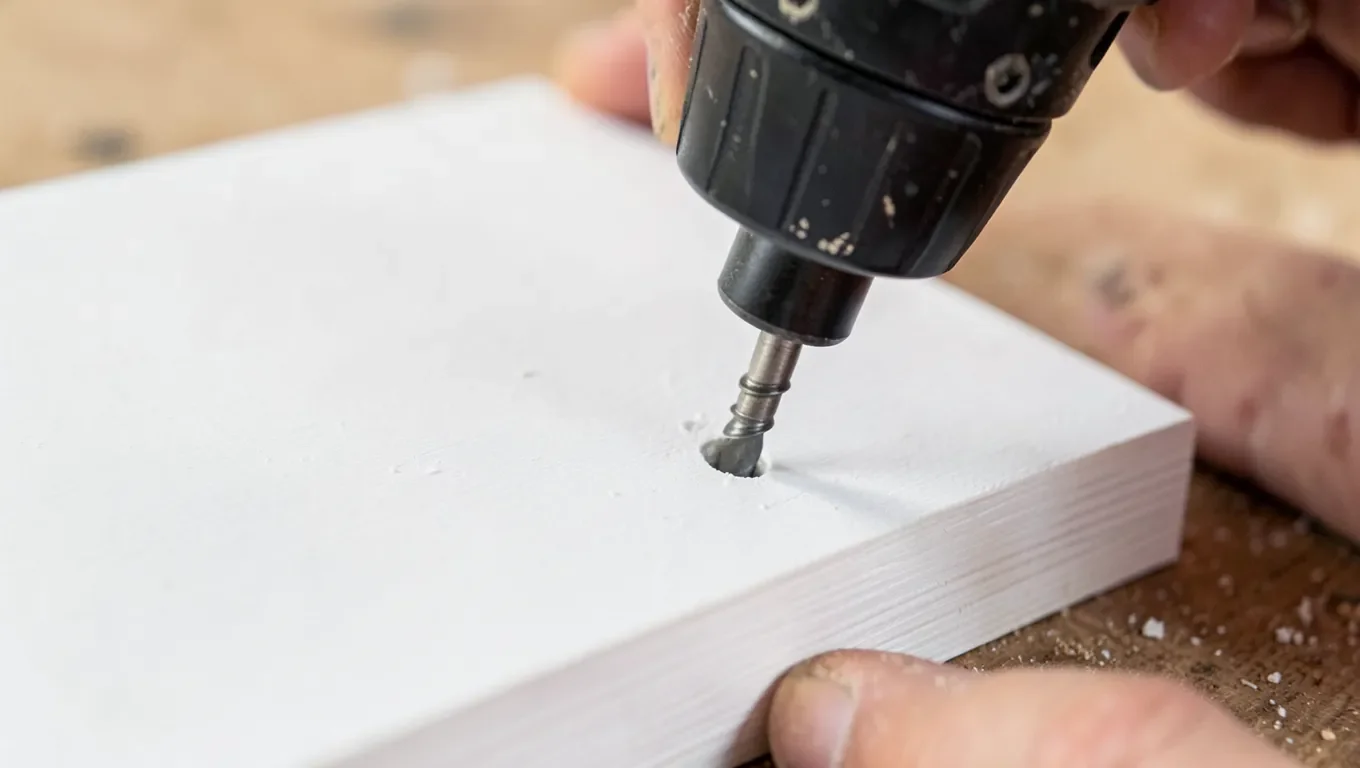
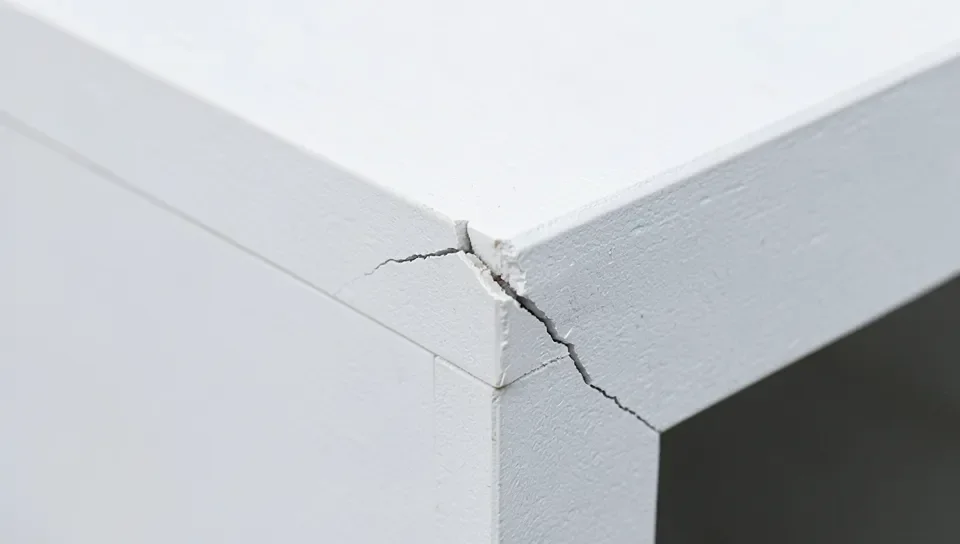
Two things cause almost every MDF split: a pilot hole that’s too small, and a fastener driven too close to an edge. MDF has no long wood-grain fibers to flex or resist a wedging screw the way solid wood does, so the standard “pilot hole = 60-70% of screw diameter” rule for solid wood is actually too small for MDF and will split it. This guide gives the real numbers — pilot hole sizing, minimum edge distance, and the screw type actually built for MDF — instead of generic “drill a pilot hole” advice.
Why MDF Splits More Easily Than Solid Wood
Best Screws For MDF
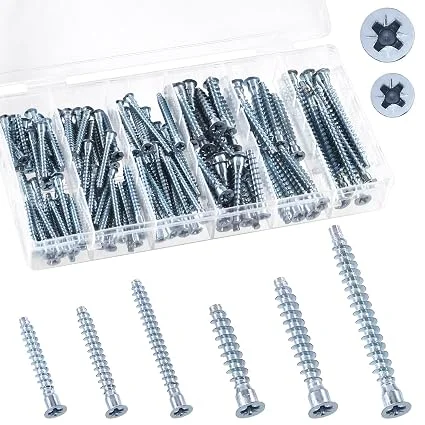 |
Confirmat Screw Assortment Kit (130pc, 6 Sizes) – $12.99 A standard wood screw’s coarse taper wedges MDF apart from the inside; Confirmat screws use a straight, deep thread built specifically for MDF and particleboard edges.
|
MDF is compressed wood fiber and resin with no continuous grain running through it, so there’s nothing to flex or bend around a fastener the way long wood fibers do in solid lumber. When a screw is driven in, it has to wedge the fiber apart to make room for its threads; in solid wood that wedging force travels along the grain and dissipates, but in MDF it has nowhere to go and cracks the board outward instead — especially near an edge or corner, where there’s less surrounding material to absorb the pressure.
Pilot Hole Sizing: The Number Most Guides Get Wrong
For solid wood, a pilot hole around 60-70% of the screw’s outer thread diameter is standard. For MDF, that’s too tight — the fiber has no flex to absorb the difference, so a wood-sized pilot hole still wedges and cracks the board. Size the pilot hole closer to the screw’s minor (root) diameter — roughly 85-90% of the screw’s outer diameter for standard MDF screws, and check the screw packaging or manufacturer spec for the exact recommended bit size when using a specialty MDF or Confirmat screw, since those come with a specific matched drill bit size.
Minimum Edge Distance: The Rule Most Guides Skip Entirely
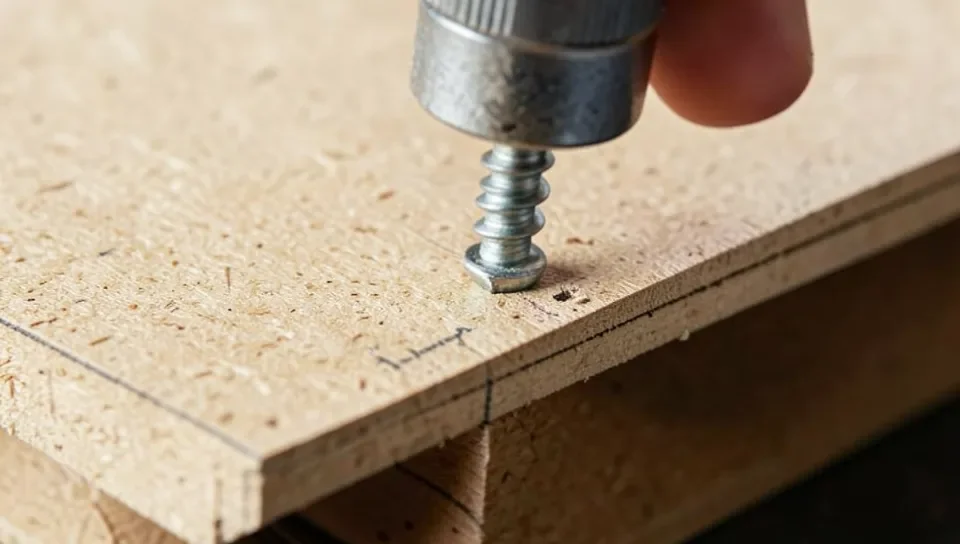
Splits happen most often when a screw goes in too close to an edge or corner, because there isn’t enough surrounding material to absorb the wedging force. Keep fasteners at least 3/4″ to 1″ (19-25mm) from any edge whenever the design allows it, and never less than 1/2″ (13mm) even on a tight cabinet-face-frame joint. If a project genuinely needs a fastener closer than that, pre-drill an oversized pilot hole and back it with wood glue rather than relying on thread grip alone.
The Screw That’s Actually Built For MDF
A standard wood screw has a coarse taper that’s designed to wedge into solid wood grain — exactly the mechanism that splits MDF. Confirmat screws (also sold as “MDF screws” or “particleboard connector screws”) use a straight, non-tapered shank with a fine, deep thread that cuts into the fiber instead of wedging it apart, which is why they’re the standard fastener in flat-pack and cabinet-grade MDF furniture assembly. They do require a specific two-step pilot hole (a larger clearance hole through the first panel, a smaller pilot hole into the second) — follow the size printed on the packaging rather than guessing.
Cutting MDF Without Splitting The Edge
- Use a sharp, fine-tooth carbide blade — a dull or coarse blade tears the fiber at the cut edge instead of shearing it cleanly.
- Score the cut line with masking or painter’s tape before cutting to reduce chip-out on the top face, especially with a jigsaw or circular saw.
- Support the board fully on both sides of the cut line — an unsupported overhang flexes and cracks along the cut as the blade exits.
- Cut slowly through the last inch of any cut — rushing the exit point is where most edge chip-out and small cracks start.
Repairing A Split: What Actually Works
A clean split with the two pieces still aligned can usually be saved: work wood glue fully into the crack with a small brush or a thin scrap of wood, clamp the pieces together tightly, and let it cure fully (check the glue’s stated cure time rather than guessing) before removing the clamps. Sand the repaired area flush once cured, then prime and paint or refinish to match. A split near a screw hole often means the hole itself is now oversized — if so, fill the stripped hole with wood filler or a golf tee dipped in glue, let it cure, then re-drill a correctly sized pilot hole in the same spot rather than just driving the screw back into the enlarged hole.
Frequently Asked Questions
Why Does MDF Split When I Screw Into It?
MDF has no long wood grain to flex around a fastener, so a screw’s tapered threads wedge the fiber apart instead of bending around it, which is what causes the crack. Using too small a pilot hole or driving the screw too close to an edge both make this worse.
What Size Pilot Hole Should I Use For MDF?
Size the pilot hole to roughly 85-90% of the screw’s outer thread diameter for standard MDF screws – noticeably larger than the 60-70% rule used for solid wood, since MDF fiber has no flex to absorb the difference. For a specialty screw like Confirmat, use the exact bit size listed on the packaging.
How Far From The Edge Should A Screw Go In MDF?
Keep fasteners at least 3/4 to 1 inch (19-25mm) from any edge whenever possible, and never less than 1/2 inch (13mm) even on a tight joint. Most MDF splits happen because a screw was driven too close to an edge or corner.
Can You Fix Split MDF?
A clean split with the pieces still aligned can be repaired with wood glue worked fully into the crack and clamped until cured, then sanded flush and refinished. A split at an oversized screw hole needs the hole filled and re-drilled at the correct size before refastening.
Conclusion
Most MDF splits trace back to one of two things: a pilot hole sized for solid wood instead of MDF’s 85-90% rule, or a fastener placed closer than 3/4″ to an edge. Fix those two numbers, use a Confirmat or MDF-specific screw on load-bearing joints, and cut with a sharp fine-tooth blade, and splitting stops being a recurring problem on MDF projects.
Sponsored / affiliate links. As an Amazon Associate I earn from qualifying purchases. I may earn additional commission from eligible campaigns.