Why is MDF So Expensive? Unveiling the Cost Factors
Are you wondering why MDF seems to be taking a bigger bite out of your budget? You’re not alone.
Many people are baffled by the rising costs of Medium Density Fiberboard, commonly known as MDF. It’s a popular choice for furniture, cabinetry, and many home projects due to its versatility and smooth finish. But what exactly is driving up its price?
You’ll uncover the hidden factors that contribute to the cost of MDF. By the end, you’ll have a clear understanding of why you might be paying more than you expected and how to make smarter decisions for your projects. Dive in to discover the surprising reasons behind MDF’s price tag!

Credit: jinfengwood.en.made-in-china.com
Material Composition
MDF is made from wood fibers and resin. These fibers are tiny pieces of wood. Resin is like glue. It holds the fibers together. This mix makes MDF strong. The fibers and resin are pressed tight. This gives MDF its shape. It is smooth and flat. MDF is used to make furniture and shelves. It is stronger than regular wood.
MDF is very dense. Density means how packed it is. More density means stronger material. It does not bend easily. MDF lasts longer than many woods. It can hold heavy things. It is hard to break. This makes MDF special for builders. People use it in kitchens and offices. It is great for cabinets and tables. MDF is tough and reliable.
Manufacturing Process
MDF, or Medium-Density Fiberboard, is made using complex techniques. Wood fibers are broken down into small pieces. Then, these pieces are mixed with wax and resin. The mixture is pressed into flat sheets. This process needs special machines and skilled workers.
Making MDF uses a lot of energy. Machines need electricity to work. Heating is needed to dry the wood fibers. This uses more power. More energy means higher costs. This adds to the price of MDF. So, energy use makes MDF expensive.
Quality Control
MDF is checked by experts before it is sold. They follow strict standards and certifications. This makes sure the quality is very good. Factories use special machines to test the wood. They look for any bad spots or mistakes. If they find any, the wood is fixed. This can take a lot of time and money.
Each piece of MDF must be the same. It has to be consistent and reliable. Workers check the size and thickness. This helps builders trust the wood. They know it will work well. Mistakes can cause big problems later. So, they try very hard to make it perfect. This care makes the price go up.
Transportation Costs
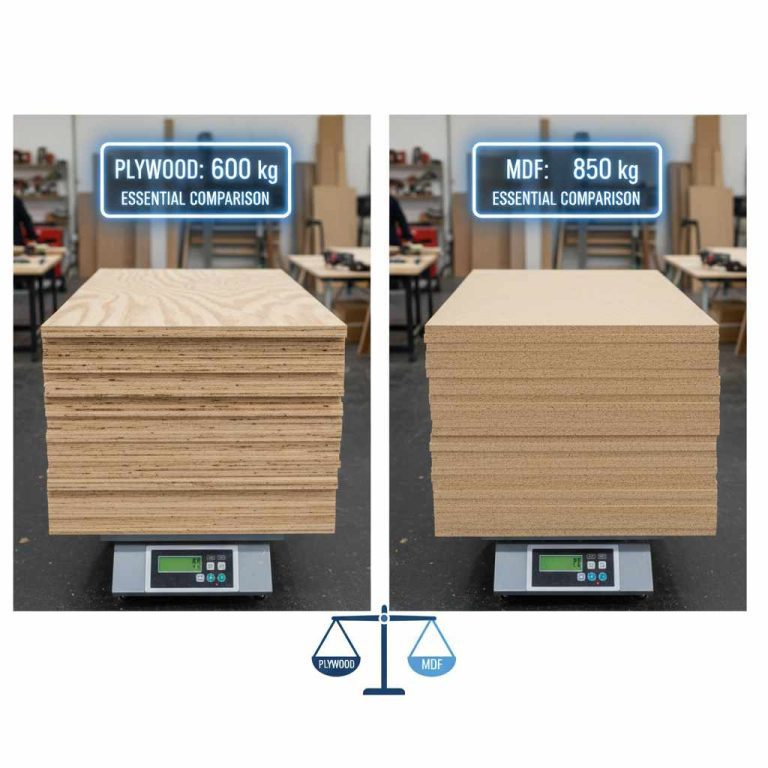
MDF boards are big and heavy. They are tough to move around. Transporting them needs special trucks. These trucks use a lot of fuel. Fuel prices can go up and down. When fuel prices rise, so do shipping costs. This makes MDF more costly.
MDF goes through many steps before it reaches stores. Factories make the boards first. Then, they send them to warehouses. From warehouses, they go to shops. Each step adds more cost. Each place takes a small fee. This makes the final price higher. So, more steps mean a higher cost for MDF.
Market Demand
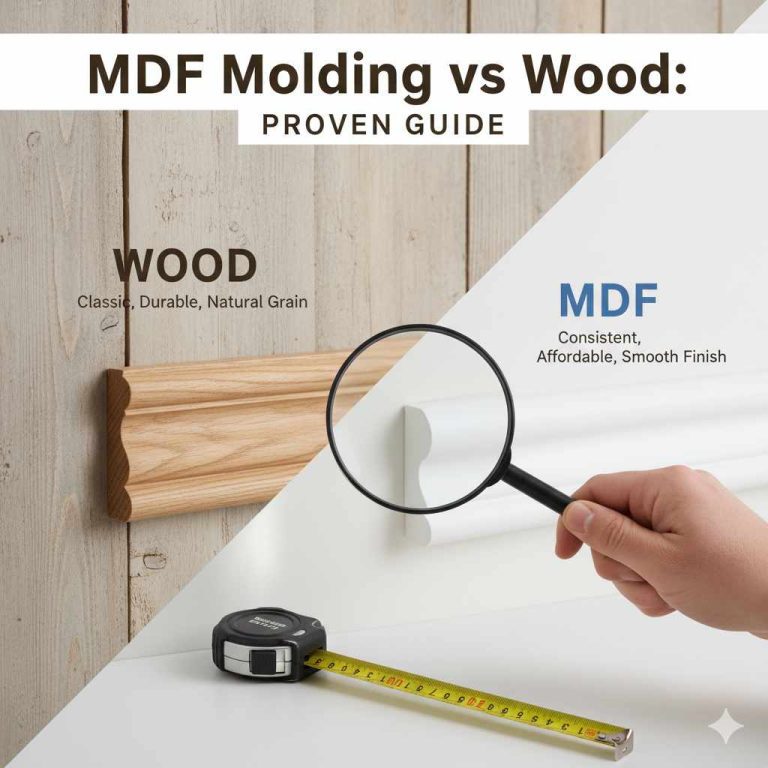
MDF is popular for its smooth surface. It is easy to paint. Many people prefer it over real wood. MDF is used in making furniture and cabinets. Its demand is always high. People choose MDF for its affordable quality. MDF lasts longer than many other materials. It is strong and reliable.
Interior design is changing fast. Many designers use MDF for new ideas. MDF is easy to shape. It fits well in modern styles. Designers love MDF for its versatility. It is perfect for trendy designs. MDF helps in creating unique looks. It is loved by many for its flexibility. The demand keeps growing with new trends.
Environmental Regulations
MDF production must follow strict sustainability practices. Factories must use eco-friendly materials and processes. This helps in reducing environmental impact. It also increases production costs. Using recycled wood can be more costly. Factories must also manage waste efficiently. These steps ensure the product is sustainable. But they add to the final price.
Regulations make factories follow many rules and standards. They must ensure safe working conditions. This means buying special equipment. Also, training workers costs money. Factories often face inspections. Failing an inspection can be costly. Factories must pay fines or fix issues. All these compliance costs increase the price of MDF.
Economic Factors
MDF prices depend on global demand. Many countries want more MDF. High demand means higher prices. Factories make MDF from wood fibers. These fibers need machines to process them. Machines and technology cost money. This adds to MDF’s price.
Currency changes affect MDF costs. When a country’s money is weak, MDF becomes costly to import. Strong currency makes it cheaper. Factories also pay for shipping. Shipping costs depend on currency too. Exchange rates can change every day. This makes planning hard for companies. They might raise prices to be safe.
Frequently Asked Questions
When Did MDF Get So Expensive?
MDF prices surged in 2020 due to pandemic-related disruptions, increased demand, and supply chain challenges. Rising raw material costs and production delays further contributed to the price hike. The construction boom also intensified competition for materials, pushing MDF costs higher.
Keep an eye on market trends for future price changes.
What Are 5 Disadvantages Of MDF?
MDF absorbs moisture easily, leading to swelling. It lacks the strength of solid wood. Fasteners can loosen over time. MDF releases formaldehyde, posing health risks. It is prone to damage from heavy impacts.
Why Is MDF Banned In The Us?
MDF isn’t banned in the US. Concerns arise due to formaldehyde emissions and health risks. Regulations ensure safety standards. Consumers often opt for low-emission MDF options. Always check labels for compliance with EPA guidelines.
Is MDF The Cheapest Wood?
MDF is often cheaper than solid wood and plywood. It is budget-friendly for furniture and cabinet projects. While affordable, it offers durability and versatility for various applications. For cost-effective solutions in woodworking, MDF is a popular choice.
Conclusion
The cost of MDF stems from several factors. Quality materials play a big role. Manufacturing processes add to the expense. Labor costs also impact prices. Transportation and demand influence market rates. MDF’s durability and versatility justify its price. Many prefer MDF for its reliable performance.
Despite the higher cost, its benefits stand out. Understanding these factors helps in making informed choices. MDF remains a popular choice for many projects. Its value often outweighs its cost. Consider your needs and budget when choosing materials. MDF might be the right fit for your project.