Best Glue for MDF: Titebond, Epoxy and Edge-Sizing Tips
The best glue for MDF is a PVA wood glue such as Titebond II or Titebond III for face and edge joints, 2-part epoxy when you are bonding MDF to metal, plastic or a poorly fitting joint, and construction adhesive when the MDF is going onto a wall. The catch most guides skip is that MDF drinks glue through its raw edges. An unsealed edge can starve the joint, so the glue you pick matters less than how you prepare the surface.
This page is about choosing and applying the adhesive. If you are weighing the board itself, see our comparison of MDF vs particle board. For how long a PVA bond needs before you can load it, we cover that in how long PVA glue takes to dry.
Quick Answer: Which Glue Works Best on MDF
Best MDF Glue Pick
|
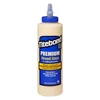
Titebond II Premium Wood Glue, 16 oz
|
| Job | Best glue | Why |
|---|---|---|
| MDF face to MDF face | Titebond II or III (PVA) | Dense, smooth faces bond well; clamp until set |
| MDF edge to edge or edge to face | PVA after a sizing coat | Raw edges absorb glue; size first so the bond coat stays on the surface |
| MDF to wall or drywall | Construction adhesive (Liquid Nails, Loctite PL) | PVA does not grip drywall paper; add screws into studs |
| Painted or laminated MDF | CA glue with activator, or epoxy | Paint and laminate block PVA; scuff and bond to the surface |
| MDF to metal, plastic or tile | 2-part epoxy | Fills gaps and bonds non-porous materials |
| Quick tack or jig work | Hot glue | Fast but weak; fine for temporary holds only |
Why MDF Is Harder to Glue Than Solid Wood
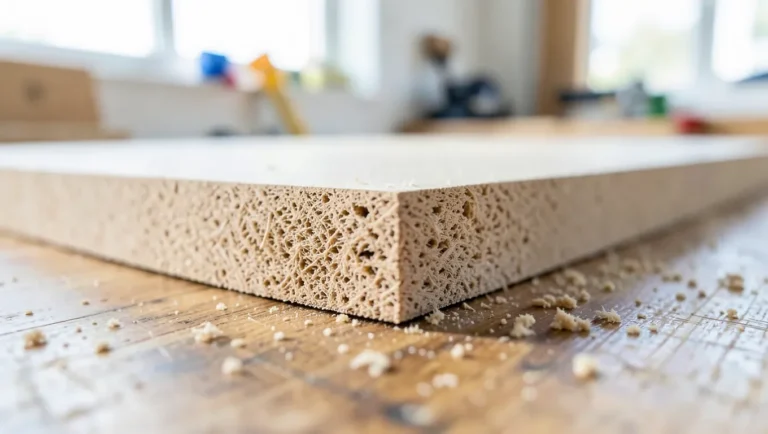
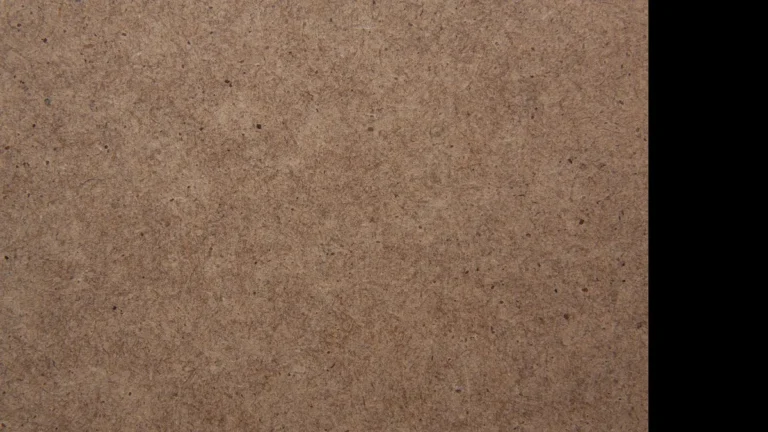
MDF is wood fiber bound with resin and pressed into a board. The faces are pressed dense and smooth, so glue sits on top and bonds well. The edges and any cut or routed surface expose the loose fiber in the core, which wicks glue away like a sponge. That is the reason a joint that looks fine when clamped can pull apart later: the glue line went dry.
The fix is a sizing coat. Brush a thin layer of glue, thinned with a little water, onto the edge and let it soak in and tack up. Then apply the full-strength coat and clamp. This gives the second coat something to sit on. Treat the exact dilution and wait as a starting point and test on an offcut, since boards and glue brands vary.
Also keep in mind that PVA is water-based. Moisture is the thing MDF handles worst, so use only as much glue as you need and wipe squeeze-out right away. If the finished piece will see damp air, read our guide on sealing MDF against moisture, and see why MDF skirting goes mouldy in humid rooms.
PVA Wood Glue Compared: Titebond II, Titebond III and Gorilla
For most MDF projects, a PVA wood glue is all you need. These figures come straight from the manufacturers and apply at roughly 70 degrees F and 50 percent humidity.
| Glue | Open time | Total assembly | Rating | Notes |
|---|---|---|---|---|
| Titebond II Premium | 3-5 min | 10-15 min | ANSI Type II water-resistant | 3,750 psi on hard maple; apply above 55 F |
| Titebond III Ultimate | 8-10 min | 20-25 min | ANSI/HPVA Type I waterproof | 4,000 psi on hard maple; apply above 47 F |
| Gorilla Wood Glue | Not listed | Clamp 20-30 min, cure 24 hr | ANSI/HPVA Type II | Apply 55-75 F; service range 0-150 F |
The strength numbers were measured on hard maple, not MDF, so do not read them as MDF joint strength. What they do tell you is that every one of these glues is stronger than you need. The practical differences are working time and moisture rating. Titebond III gives you roughly twice the open time, which helps on large panels or a cabinet carcass with many joints. Titebond II sets faster, which suits a small, quick glue-up.
A common myth is that you need the waterproof Type I glue to get a strong bond on MDF. You do not. Type I only protects the glue line from water. The MDF around it will still swell if it gets wet, so the board is usually the weak point, not the glue. Pick Titebond III for convenience and longer open time, not because MDF demands it.
Epoxy, CA Glue, Polyurethane and Hot Glue on MDF
2-part epoxy
Epoxy does not rely on soaking into the fiber, which makes it useful where PVA is a poor fit: MDF to metal brackets, plastic, tile or glass, and joints with gaps. It costs more and is messier, and for a normal, tight wood-to-MDF joint it is no improvement over PVA. Wear gloves and follow the mix ratio on the pack.
CA (super) glue with activator
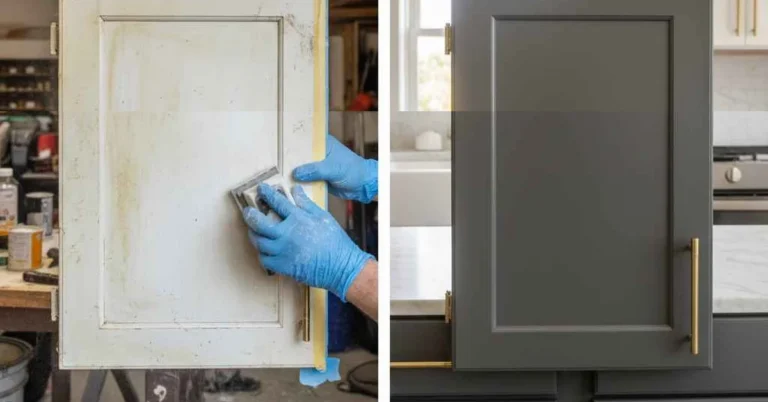
CA glue bonds in seconds and works on painted surfaces and small repairs such as a chipped corner or loose trim. Use activator on one face for an instant grab. It is brittle and a poor choice for large panels or anything under load.
Polyurethane glue
Polyurethane cures with moisture and foams as it does, filling small gaps. That foam can squeeze out and is hard to clean, and the moisture it wants is what MDF dislikes, so we reach for it rarely on MDF. Our polyurethane glue guide covers where it does make sense.
Hot glue
Hot glue grabs fast and is fine for holding a template or a temporary jig. It stays flexible and creeps under load, so it is not a structural adhesive for furniture.
Gluing MDF to a Wall or Drywall
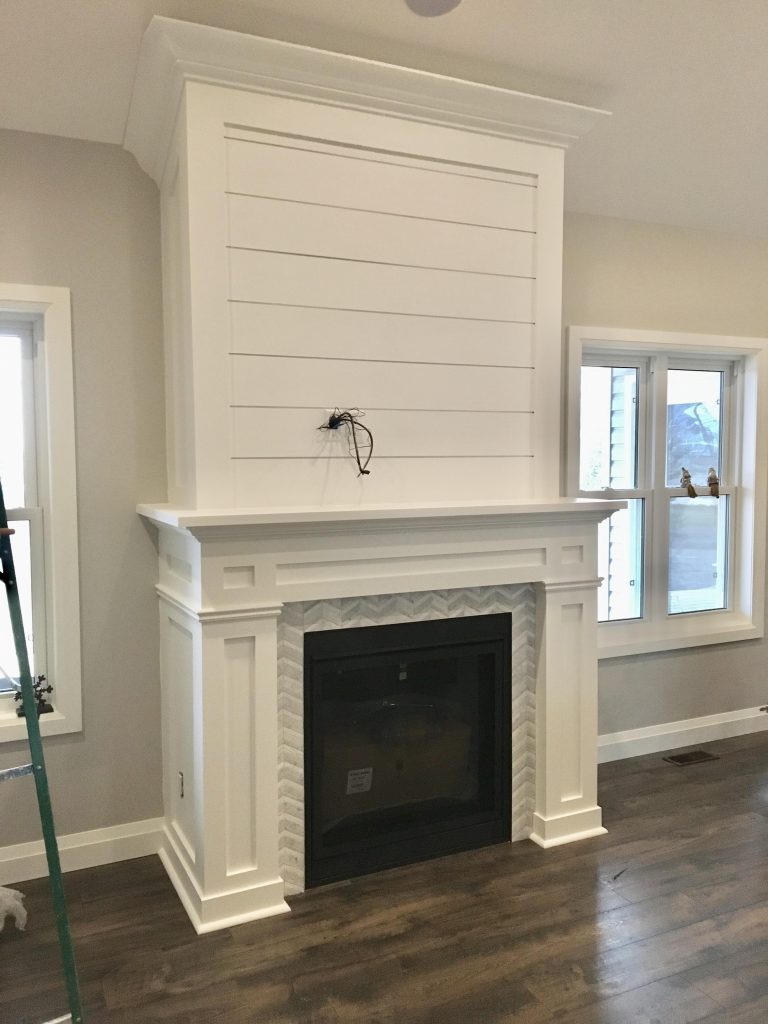
PVA does not bond reliably to the paper face of drywall, so use a construction adhesive such as Liquid Nails Heavy Duty or Loctite PL Premium. Run a zigzag bead on the back of the panel, press it into place, and fasten through the MDF into studs with screws while the adhesive cures. The screws carry the load during cure and give permanent backup. Check the cure time printed on your cartridge before you load the panel.
How to Glue MDF Step by Step
- Dry-fit the parts and have clamps set to the right opening.
- Clean dust off the faces and edges with a dry cloth or brush. MDF dust blocks the bond.
- Size any raw edge or routed surface with a thin glue coat and let it tack up.
- Spread a full coat on one face, join the parts and clamp with even pressure.
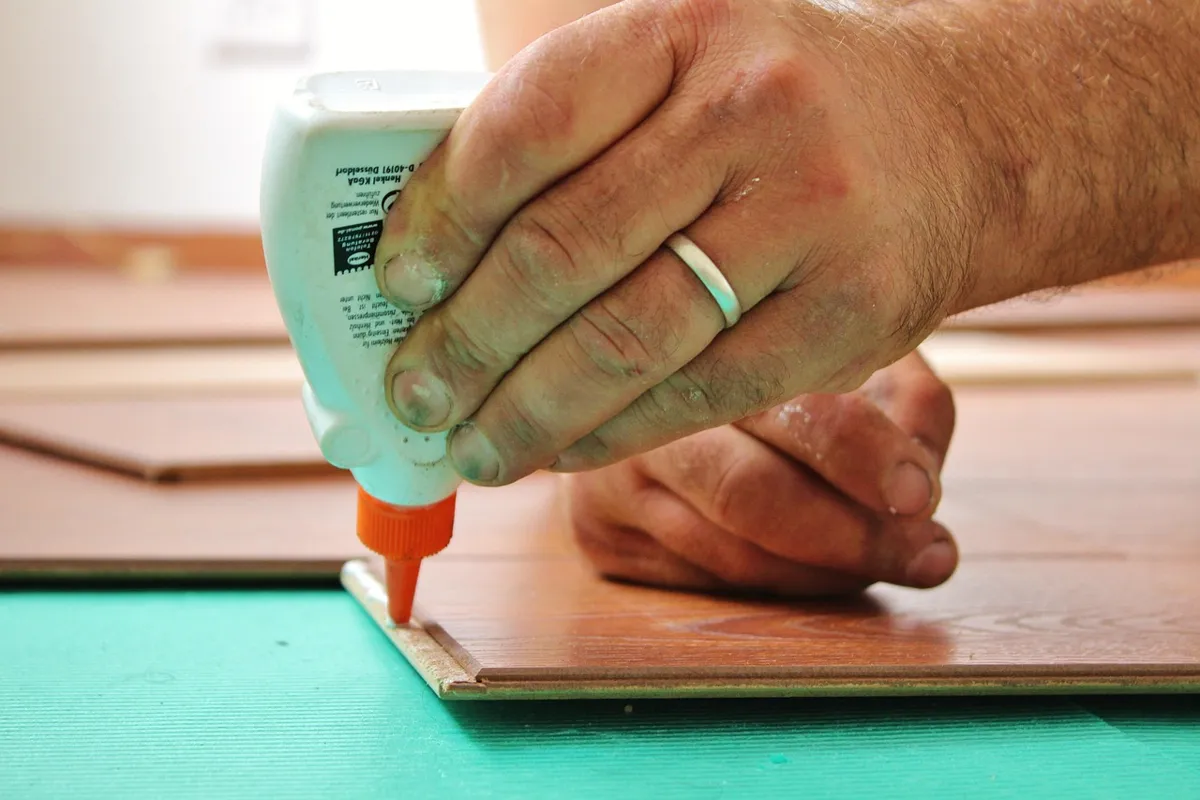
- Wipe squeeze-out with a damp cloth while it is wet, then leave the joint clamped for the glue maker clamp time.
- Pre-drill pilot holes if you add screws, and keep them well back from the edge, since MDF splits near the edge.
Wear a dust mask when you cut or sand MDF, since the dust is fine. If you are finishing the piece afterward, see how to make MDF look good.
Frequently Asked Questions
What is the best glue for MDF?
A PVA wood glue such as Titebond II or Titebond III is the best all-round glue for MDF. Size raw edges first, clamp the joint, and use construction adhesive for walls or epoxy for non-wood materials.
Can you use Titebond on MDF?
Yes. Titebond II and Titebond III both work on MDF. Titebond II is water-resistant to ANSI Type II, and Titebond III is rated Type I waterproof with a longer open time of 8-10 minutes.
What is the best glue for MDF edges?
Use PVA wood glue and size the edge first with a thin coat that soaks in and tacks up, then apply a full coat. Without sizing, the porous edge absorbs the glue and the joint can be weak.
What is the best adhesive for MDF to drywall?
Construction adhesive such as Liquid Nails Heavy Duty or Loctite PL Premium, plus screws into studs. PVA wood glue does not bond reliably to drywall paper.
What glue works on painted MDF?
CA glue with activator or 2-part epoxy. Paint blocks PVA from soaking in, so scuff the paint or bond with an adhesive that grips the surface.
Sponsored / affiliate links. As an Amazon Associate I earn from qualifying purchases. I may earn additional commission from eligible campaigns.