Will Japanese Maple Grow in Texas
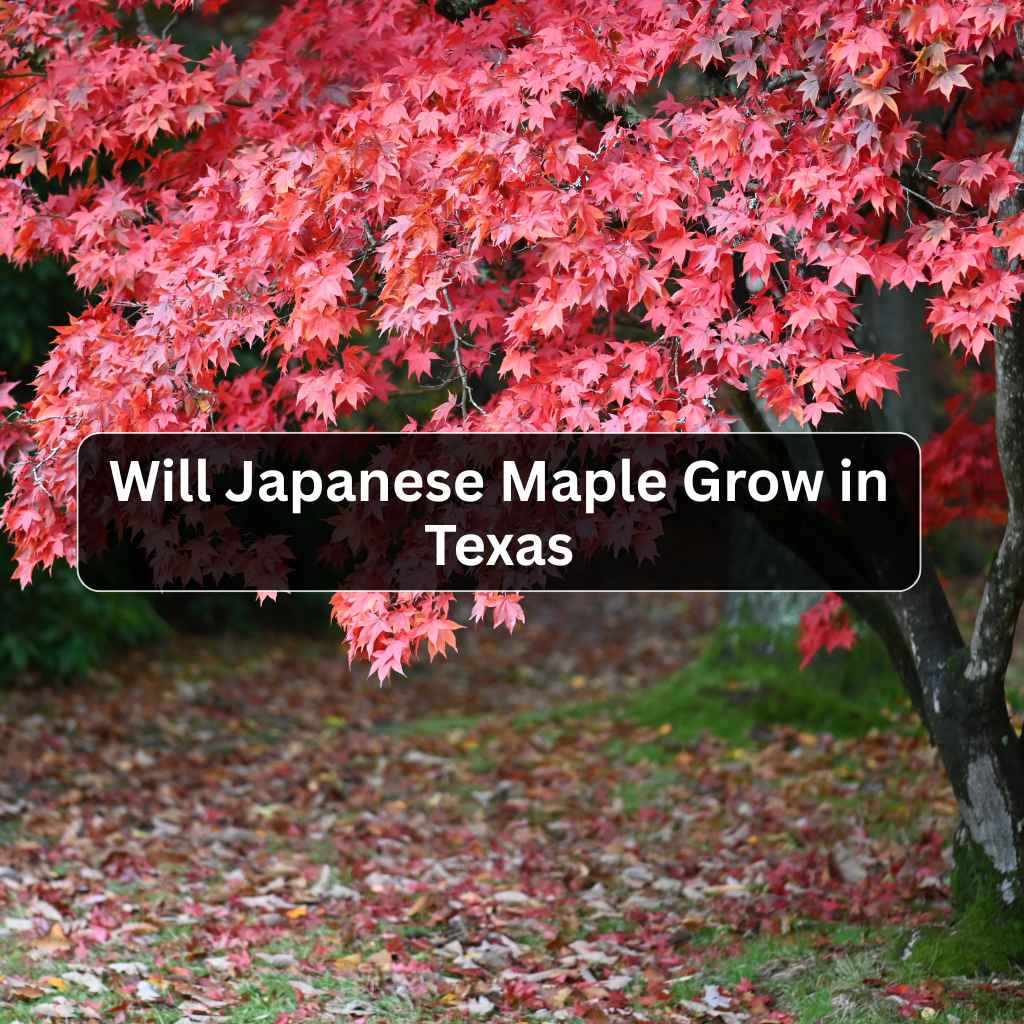
Many people dream of adding a beautiful Japanese maple to their garden. They ask, Will Japanese Maple Grow in Texas?. This is a common question because Texas summers can be very hot.
Beginners sometimes find it tricky. But don’t worry! We’ll walk through it step by step.
We’ll show you how to make it work. Get ready to learn about picking the right spot and caring for your tree.
Japanese Maple in Texas Climate
Texas weather presents unique challenges for plants that prefer cooler, shadier conditions. Understanding these challenges is the first step to success. Many gardeners worry about the intense Texas sun and heat.
Understanding Texas Heat
Texas is known for its high temperatures, especially during the summer months. Long periods of extreme heat can stress many plants. Japanese maples, native to cooler climates, can suffer if not given proper protection.
Heat Stress Symptoms
When a Japanese maple is struggling with heat, you might see its leaves droop or scorch. The edges of the leaves can turn brown and crispy. The vibrant colors may fade, and the tree can look generally unhealthy.
This is its way of telling you it’s too hot or dry.
Humidity Factors
While some parts of Texas are dry, others have high humidity. High humidity combined with high temperatures can create a suffocating environment for some plants. It can also make them more prone to fungal diseases if not properly cared for.
Will Japanese Maple Grow in Texas Soils?
Soil is another important factor. Texas soils can vary greatly. Some are heavy clay, while others are sandy.
Japanese maples prefer well-draining soil that is slightly acidic.
Clay Soil Issues
Heavy clay soil can hold too much water. This can lead to root rot, which is very harmful to Japanese maples. It also makes it hard for roots to spread and breathe properly.
Sandy Soil Needs
Sandy soil drains very quickly. This can cause the soil to dry out too fast, especially in the Texas heat. The tree will need more frequent watering if planted in very sandy soil.
Choosing the Right Japanese Maple Variety
Not all Japanese maples are the same. Some varieties are tougher and can handle warmer climates better than others. Picking the right kind is a big part of ensuring your tree thrives.
Hardier Varieties for Texas
Certain Japanese maple cultivars have shown a better ability to cope with Texas conditions. These are often selected for their resilience and adaptability.
‘Bloodgood’ Japanese Maple
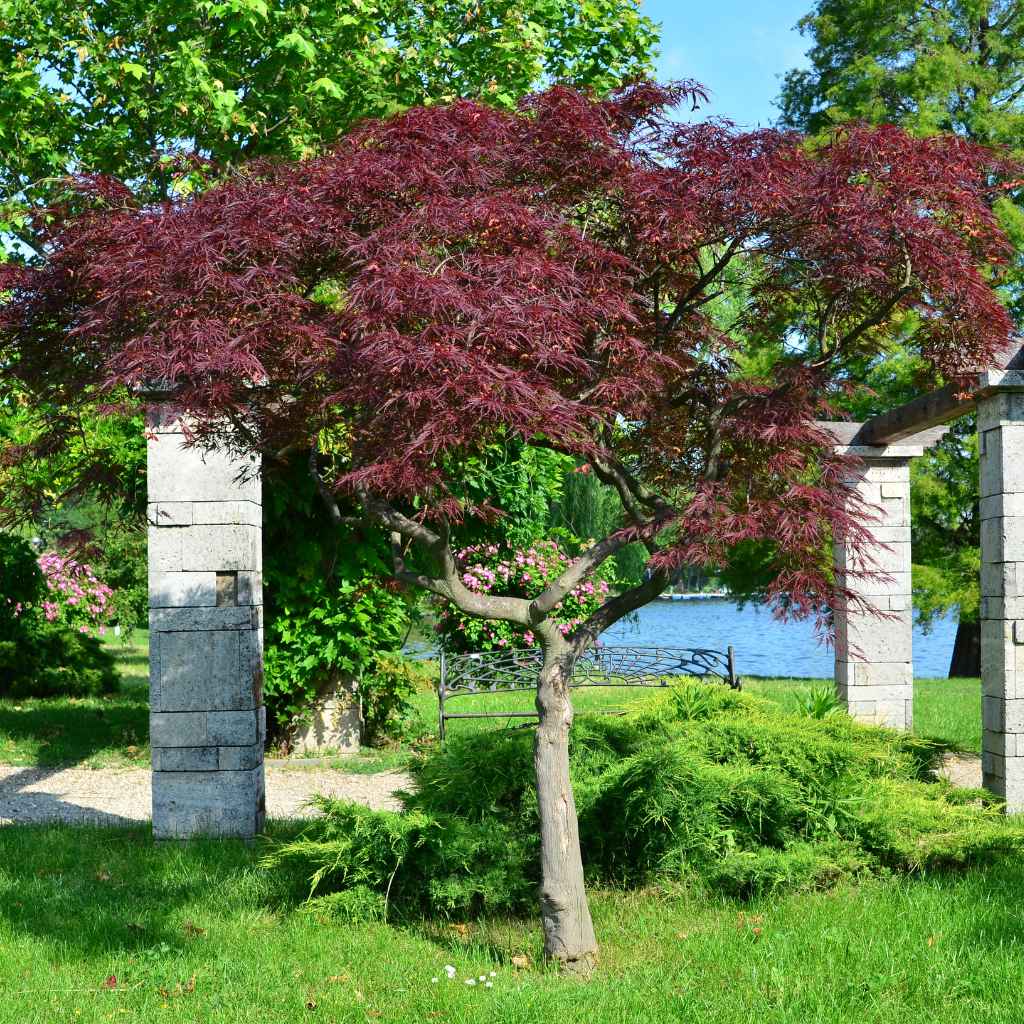
This is a very popular and reliable choice. ‘Bloodgood’ has deep red leaves throughout the summer and is known for being one of the more heat-tolerant varieties. It can still benefit from some shade during the hottest part of the day.
‘Emperor I’ Japanese Maple
Another excellent option, ‘Emperor I’ is often considered even more heat and sun tolerant than ‘Bloodgood’. Its upright growth habit and deep red foliage make it a stunning addition to any garden.
‘Burgundy Lace’ Japanese Maple
This variety offers beautiful, deeply lobed burgundy leaves that are a bit more delicate-looking. It is known for its good performance in warmer zones when given appropriate care.
Understanding Cultivar Differences
Each cultivar has unique traits. These can include leaf shape, color, growth habit, and tolerance to different conditions. Learning about these differences helps you make the best choice for your Texas garden.
For instance, some maples have very thin, lace-like leaves that are more susceptible to scorching. Others have thicker leaves that can withstand more sun. The mature size of the tree is also important for planning.
Best Practices for Planting Japanese Maples in Texas
Where and how you plant your Japanese maple can make all the difference. Proper planting helps the tree establish a strong root system and reduces stress from the Texas climate.
Location, Location, Location
Choosing the right spot in your yard is crucial. Avoid areas that get direct, scorching sun all day long. Afternoon shade is your friend in Texas.
Morning Sun Afternoon Shade
The ideal spot receives gentle morning sun but is protected from the intense, harsh afternoon sun. This is especially important during the hot summer months. A north or east-facing side of a house or a large tree can provide this.
Protection from Wind
Strong winds can dry out leaves and damage branches. Planting your Japanese maple in a somewhat sheltered location will help it thrive.
Planting Techniques
The way you plant the tree is just as important as the location.
When you plant, dig a hole that is two to three times wider than the root ball, but only as deep as the root ball. This encourages roots to grow outward.
Proper Hole Depth
The top of the root ball should be level with or slightly above the surrounding soil. Planting too deep is a common mistake that can suffocate the roots and lead to decay.
Soil Amendment
You can amend the soil with organic matter like compost to improve drainage and fertility. Avoid using too much fertilizer when planting, as this can burn young roots.
Watering Strategies
Watering is critical, especially during the establishment phase and hot Texas summers.
Water deeply and regularly, particularly during the first few years after planting. This helps the roots grow strong and deep.
Deep Watering
Water thoroughly until the soil is moist several inches down. This encourages roots to seek water deeper in the ground, making the tree more drought-tolerant over time.
Mulching Benefits
Apply a layer of organic mulch around the base of the tree, keeping it a few inches away from the trunk. Mulch helps retain soil moisture, suppress weeds, and regulate soil temperature.
Ongoing Care for Japanese Maples in Texas
Once planted, your Japanese maple will need consistent care to flourish in the Texas heat. This includes regular watering, appropriate feeding, and protection from pests and diseases.
Watering and Feeding Schedule
Adjust your watering based on the weather. More frequent watering is needed during heat waves and dry spells. Less frequent watering is necessary during cooler, wetter periods.
Seasonal Watering Needs
In spring and fall, water when the top inch of soil feels dry. In summer, you may need to water deeply every few days, especially if there’s no rain. Winter watering might be needed during dry spells, but avoid waterlogged soil.
Fertilizing Wisely
Japanese maples generally don’t need heavy fertilization. A light feeding in early spring with a balanced, slow-release fertilizer is usually enough. Over-fertilizing can lead to weak, leggy growth that is more susceptible to problems.
Pruning and Shape Maintenance
Pruning helps maintain the tree’s shape and health. It also allows for better air circulation, which is beneficial in humid climates.
When to Prune
The best time to prune is typically in late winter or early spring before new growth begins. Light shaping can be done throughout the summer if needed, but avoid heavy pruning during hot weather.
Pruning Techniques
Remove any dead, damaged, or crossing branches. Prune to enhance the tree’s natural form, aiming for an open, airy structure. Avoid pruning too much at once, as this can shock the tree.
Pest and Disease Management
While Japanese maples are relatively disease-resistant, they can sometimes face issues, especially when stressed by heat or improper care.
Common Pests
Aphids and scale insects can sometimes bother Japanese maples. These are usually managed with horticultural oils or insecticidal soaps. Regular inspection of leaves and branches is key to early detection.
Preventing Fungal Issues
Good air circulation and avoiding overhead watering can help prevent fungal diseases like powdery mildew. Ensure the tree is planted in a location with good airflow and avoid dense foliage.
Will Japanese Maple Grow in Texas A Comparison
Comparing the challenges and success factors highlights the importance of specific choices. Here’s a quick look at what works best.
| Factor | Challenge in Texas | Solution |
|---|---|---|
| Heat | Intense summer sun can scorch leaves and stress the tree. | Plant in a location with morning sun and afternoon shade. Choose heat-tolerant varieties. |
| Soil | Heavy clay or fast-draining sandy soils can be problematic. | Amend soil with organic matter to improve drainage and moisture retention. Plant at the correct depth. |
| Watering | Drought conditions are common, requiring consistent moisture. | Water deeply and regularly, especially during hot months. Use mulch to conserve moisture. |
| Variety | Not all Japanese maples are suited for warmer climates. | Select cultivars known for their resilience, like ‘Bloodgood’ or ‘Emperor I’. |
Frequently Asked Questions
Question: Can I plant a Japanese maple in full Texas sun?
Answer: It is not recommended to plant a Japanese maple in full Texas sun all day. They prefer morning sun and protection from the harsh afternoon heat. Direct sun can scorch their leaves.
Question: What is the best soil for a Japanese maple in Texas?
Answer: The best soil is well-draining and slightly acidic. If your soil is heavy clay or very sandy, amend it with organic compost to improve its texture and drainage.
Question: How often should I water a Japanese maple in Texas?
Answer: During the hot Texas summer, water deeply every few days if there is no rain. In cooler months, water when the top inch of soil feels dry. Always check soil moisture before watering.
Question: Which Japanese maple varieties are best for Texas?
Answer: Varieties like ‘Bloodgood’, ‘Emperor I’, and ‘Burgundy Lace’ are often recommended because they tend to be more heat-tolerant than others.
Question: Can I grow a Japanese maple in a pot in Texas?
Answer: Yes, growing a Japanese maple in a pot is possible in Texas, but it requires more careful attention. You will need to ensure the pot has good drainage and provide extra shade and frequent watering as pots can dry out quickly.
Wrap Up
Growing a Japanese maple in Texas is achievable. By choosing the right variety, planting in a suitable location with afternoon shade, and providing consistent watering and care, you can enjoy its beauty. Focus on soil drainage and protecting it from the hottest sun to ensure your tree thrives.