Will My Japanese Maple Come Back Expert Answer
It’s a common worry for many plant lovers. You love your Japanese maple, but after a tough winter or a dry summer, you see it looking a little sad. The big question on your mind is: Will My Japanese Maple Come Back?
Expert Answer. It can feel like a mystery, especially if you’re new to gardening. This guide will make it simple.
We’ll walk through exactly what to look for and what to do. Get ready to give your tree the best chance to thrive again.
Assessing Your Japanese Maple’s Health
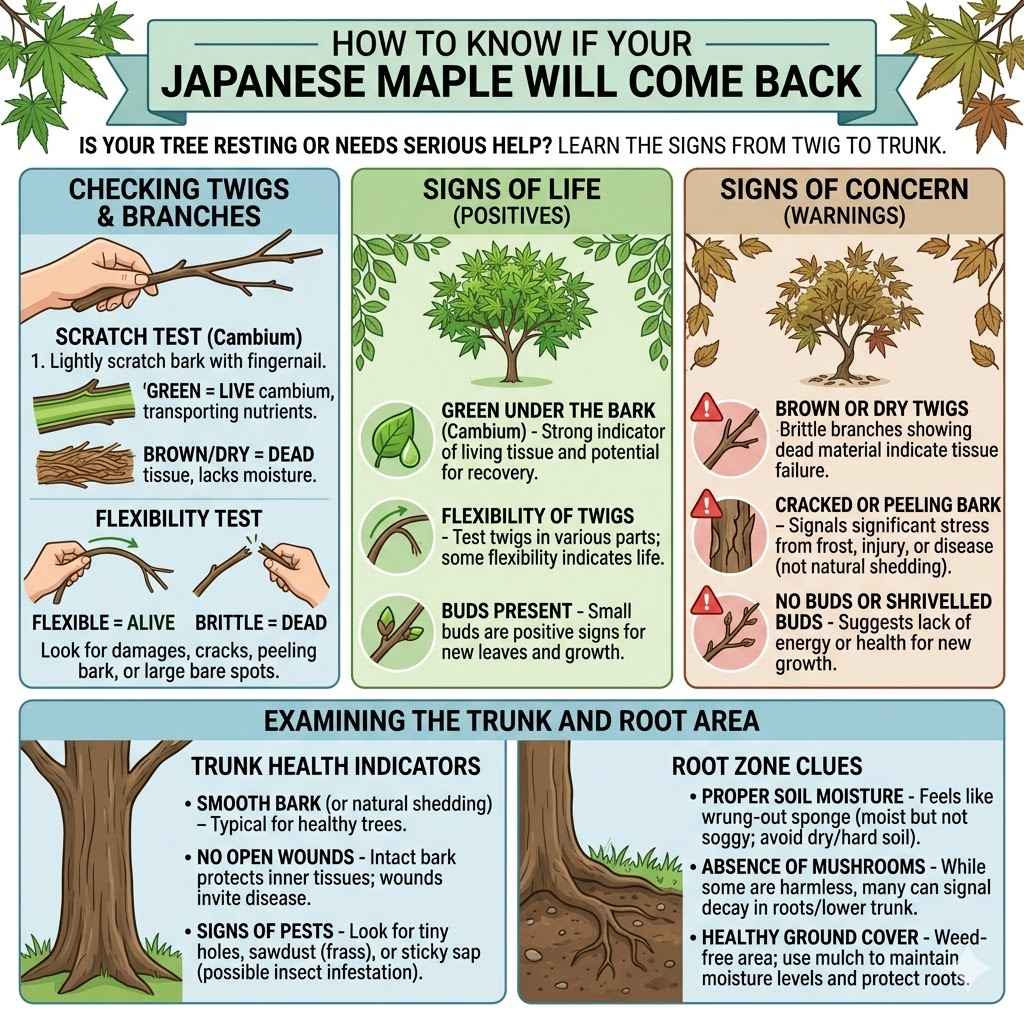
How to Know if Your Japanese Maple Will Come Back
Seeing a Japanese maple that looks less than vibrant can be concerning. Many people wonder if their beautiful tree has seen its last season. This section will help you figure out if your tree is just resting or if it needs serious help.
We will cover the signs to look for, from the smallest twig to the main trunk.
Checking the Twigs and Branches
One of the first steps to figuring out if your Japanese maple will come back is to look closely at its smaller parts. These are the twigs and branches. They can tell you a lot about the tree’s current state.
Gently scratch a small twig with your fingernail. If you see green underneath the bark, that’s a good sign. It means the twig is still alive and has moisture.
If you scratch and see brown or dry material, that part of the twig is likely dead.
You should also look for any signs of damage. Are there any cracks or breaks in the branches? Is the bark peeling off in large sections?
These can be indicators of stress or disease.
Spend time observing the overall shape and density of the branches. Are there many bare spots where leaves should be? Does it look sparse compared to previous years?
Signs of Life
- Green Under the Bark: When you lightly scrape the outer bark of a twig, seeing a green layer beneath is a strong indicator of living tissue and the potential for recovery. This green layer is the cambium, which transports water and nutrients.
- Flexibility of Twigs: Live twigs will be somewhat flexible. If a twig snaps cleanly and is dry and brittle, it is likely dead. Test a few different twigs in various parts of the tree to get a good overview.
- Buds Present: Look for small buds on the branches. Even if they haven’t opened yet, the presence of healthy-looking buds is a very positive sign for the upcoming growing season. These buds contain the promise of new leaves and growth.
Signs of Concern
- Brown or Dry Twigs: If twigs are brittle and break easily, showing brown or dry material when scratched, they are dead. This indicates that the tissue within has dried out or perished due to lack of water, extreme cold, or disease.
- Cracked or Peeling Bark: Large cracks or sections of peeling bark, especially if they are not related to natural shedding on older trees, can signal significant stress. This can be caused by frost damage, physical injury, or fungal infections, which compromise the tree’s protective outer layer.
- No Buds or Shrivelled Buds: The absence of buds, or buds that appear shrivelled, discolored, or dry, suggests that the tree may not have the energy or health to produce new growth. This is a worrying sign, especially in spring when buds should be swelling.
Examining the Trunk and Root Area
The trunk and the area around the base of your Japanese maple are like its core. Problems here can be serious and affect the entire tree’s health. We need to check these parts carefully to understand the full picture.
Look at the bark on the main trunk. Are there any deep cracks, open wounds, or signs of insect activity like small holes? The bark is the tree’s armor, and damage here can let in diseases.
Check the base of the tree. The soil should be moist but not waterlogged. If the ground is consistently soggy, the roots might be suffering from too much water, which can lead to root rot.
Conversely, if the soil is bone dry and hard, the roots are not getting enough water.
Sometimes, you might see mushrooms growing around the base of the tree. While not always a bad sign, they can sometimes indicate decay in the roots or lower trunk, which is something to watch out for.
Trunk Health Indicators
- Smooth Bark: For younger trees, smooth bark is typical. For older trees, some natural shedding of bark is normal. However, large, irregular patches of missing bark or deep, gaping cracks are cause for concern. These could be from frost, physical damage, or pests.
- No Open Wounds: Open wounds on the trunk are entry points for disease and pests. They may look like dark, moist areas or sunken spots. Healthy trees have intact bark that protects their inner tissues.
- Signs of Pests: Look for tiny holes in the bark, sawdust-like material (frass), or sticky sap oozing from the trunk. These can indicate insect infestations that are harming the tree.
Root Zone Clues
- Proper Soil Moisture: The soil around the base of your tree should feel like a wrung-out sponge – moist but not dripping wet. If it stays soggy for days, it can drown the roots. If it’s bone dry and cracks, the roots are thirsty.
- Absence of Mushrooms: While some mushrooms are harmless decomposers, a sudden appearance of many mushrooms at the base of your tree can sometimes signal that there is decay in the root system or lower trunk. This needs further investigation.
- Healthy Ground Cover: The area around the trunk should ideally be free of weeds that compete for water and nutrients. A layer of mulch can help keep the soil at a consistent moisture level and protect the roots.
Common Reasons for Japanese Maple Decline
Why Your Japanese Maple Might Not Be Thriving
Several things can make a Japanese maple look unwell. Understanding these common issues is key to helping your tree recover. We will explore factors like water, sunlight, and soil that play a big role in your tree’s well-being.
Watering Issues
Water is vital for all plants, but getting the amount right for a Japanese maple can be tricky. Both too much and too little water can cause serious problems.
When a Japanese maple doesn’t get enough water, especially during hot, dry periods, its leaves can turn brown and crispy. This is the tree’s way of trying to conserve moisture.
On the other hand, too much water is just as bad. If the soil stays wet for too long, the roots can’t get enough air. This can lead to root rot, where the roots start to decay.
Sick roots can’t supply the tree with water and nutrients, making the whole tree weak.
It’s important to check the soil moisture regularly. Stick your finger about two inches into the soil. If it feels dry, it’s time to water.
If it feels wet, hold off.
Underwatering Signs
- Wilting Leaves: Leaves may droop and appear less perky, especially during the hottest parts of the day. This is a sign that the tree is struggling to get enough water to keep its foliage turgid.
- Crispy, Brown Leaf Edges: The edges of the leaves might turn dry, brittle, and brown. This browning often starts at the tips and edges and can spread inwards, a clear sign of dehydration stress.
- Leaf Drop: In severe cases of underwatering, the tree might shed its leaves prematurely to conserve energy and water, leaving it looking bare and unhealthy.
Overwatering Signs
- Yellowing Leaves: Leaves might turn yellow and may fall off. This can happen because waterlogged soil prevents the roots from taking up essential nutrients, leading to chlorosis (yellowing due to lack of chlorophyll).
- Root Rot Symptoms: A general decline in health, wilting despite moist soil, and a foul smell from the soil are indicators of root rot. This fungal disease thrives in constantly wet conditions and destroys the root system.
- Fungal Growth: The appearance of mushrooms or other fungi around the base of the tree can sometimes be a sign of excessively wet conditions and underlying root or trunk decay.
Sunlight Exposure
Japanese maples are known for their delicate foliage, and their light needs can vary. The right amount of sunlight is crucial for their health and appearance.
Most Japanese maples prefer dappled shade or morning sun with afternoon shade. Direct, intense sunlight, especially during the hottest part of the day, can scorch their leaves. This is especially true for varieties with thin, red, or lace-like leaves.
If your tree is in too much sun, you might see the leaves turning brown or looking bleached. They can appear burnt, particularly on the parts most exposed to the sun’s rays.
On the other hand, if a Japanese maple is planted in too much shade, it may not develop its best color, and its growth could become leggy and weak. It might still survive, but it won’t look as vibrant.
Consider the location of your tree and the amount of direct sun it receives throughout the day. Moving it or providing shade might be necessary.
Too Much Sun
- Leaf Scorch: This is the most common sign. The edges and tips of the leaves turn brown, dry, and brittle, as if they have been burnt. This happens when the leaves lose water faster than the roots can supply it due to intense heat and sunlight.
- Bleached or Faded Foliage: The vibrant colors of the leaves, especially reds and purples, can become dull, faded, or even take on a yellowish or whitish tint. This indicates the leaves are struggling to maintain their pigment under harsh light.
- Wilting During Peak Sun: The tree may droop and wilt significantly during the hottest hours of the day, even if the soil is adequately moist, as a way to protect itself from excessive heat and water loss.
Too Little Sun
- Poor Color Development: The distinctive red, orange, or burgundy colors of many Japanese maple varieties may not appear or will be much less intense. The leaves might remain a duller green or paler shade than expected.
- Leggy Growth: The tree might produce long, thin stems with sparse foliage. This “stretching” for light indicates the tree is not photosynthesizing efficiently and is weak.
- Reduced Vigor: Overall growth may be slower, and the tree may not develop the dense, attractive form characteristic of a healthy Japanese maple.
Soil and Nutrient Imbalances
The soil is the foundation for your Japanese maple’s health. What’s in the soil and how it’s structured matters a lot.
Japanese maples prefer well-draining soil. This means water can flow through it easily, preventing roots from sitting in soggy conditions. If your soil is heavy clay, it can hold too much water, leading to root problems.
Nutrients are also key. If the soil lacks essential elements like nitrogen, phosphorus, or potassium, the tree won’t grow well. Its leaves might be pale, or it might not produce new growth.
However, too many nutrients can also be harmful. Over-fertilizing can burn the roots or create imbalances that weaken the tree.
The pH of the soil also plays a role. Japanese maples generally prefer slightly acidic soil. If the pH is too high or too low, the tree can’t absorb nutrients properly, even if they are present.
Soil Drainage Problems
- Waterlogged Roots: Heavy, compacted soil prevents air from reaching the roots, essentially drowning them. This leads to root rot, making the tree unable to absorb water and nutrients.
- Standing Water After Rain: If puddles of water remain on the soil surface for extended periods after rain or watering, it indicates poor drainage. The soil is not allowing excess water to move away from the root zone.
- Yellowing and Drooping Leaves: Despite moist soil, the tree may show signs of wilting and yellowing leaves, as the damaged or suffocated roots cannot function properly.
Nutrient Deficiencies or Excesses
- Pale or Yellow Leaves: A common sign of nutrient deficiency, especially nitrogen deficiency, is pale green or yellowing foliage. The vibrant colors of some Japanese maples might also be muted.
- Stunted Growth: If the tree isn’t getting the nutrients it needs, its growth will be slow and weak. New shoots will be shorter, and the overall size of the tree will be smaller than expected.
- Leaf Tip Burn: Sometimes, nutrient imbalances or the effects of over-fertilizing can cause the tips of the leaves to turn brown and dry, similar to drought stress.
Pests and Diseases
Even healthy trees can be attacked by pests or fall victim to diseases. Identifying these problems early is important for recovery.
Common pests for Japanese maples include aphids, scale insects, and spider mites. Aphids are small, sap-sucking insects that can cluster on new growth, weakening the plant and causing distorted leaves. Scale insects are small, immobile bumps on stems and leaves that also feed on sap.
Diseases can be caused by fungi or bacteria. Verticillium wilt is a serious fungal disease that can block the tree’s vascular system, causing wilting and death of branches. Powdery mildew is a fungal disease that appears as a white, powdery coating on leaves, often in humid conditions.
Checking your tree regularly for any unusual spots, sticky substances, or visible insects is key. Early detection makes treatment much more effective.
Common Pests
- Aphids: Tiny, pear-shaped insects often found in clusters on new growth, buds, and the undersides of leaves. They suck sap, weakening the plant and causing distorted leaves. They can also spread diseases.
- Scale Insects: Small, immobile bumps that attach to stems and leaves, feeding on sap. They can be difficult to spot and can weaken the tree significantly over time if left untreated.
- Spider Mites: Tiny arachnids that are hard to see without a magnifying glass. They cause stippling (tiny dots) on leaves and fine webbing, especially in dry conditions.
Common Diseases
- Verticillium Wilt: A serious fungal disease that enters through the roots and blocks the tree’s water transport system. It causes wilting and death of branches, often starting on one side of the tree. There is no cure, so prevention is key.
- Powdery Mildew: A common fungal disease appearing as a white, powdery coating on leaves, especially in humid, shady conditions. It can weaken the tree but is usually not fatal if managed.
- Anthracnose: A fungal disease that causes dark spots on leaves, twig dieback, and can distort new growth. It is often worse in wet spring weather.
Steps to Help Your Japanese Maple Recover
Helping Your Japanese Maple Come Back Stronger
If you’ve assessed your Japanese maple and found it’s not in its best shape, don’t despair. There are concrete steps you can take to help it recover and thrive again. This section will guide you through the process of revitalizing your tree.
Proper Watering Techniques
Correct watering is one of the most important things you can do to help your Japanese maple recover. It’s not just about how much water, but also how and when you give it.
For a struggling tree, consistent moisture is key, but avoid waterlogging. Water deeply and less frequently rather than shallowly and often. This encourages roots to grow deeper into the soil, making the tree more resilient.
When you water, aim to soak the entire root zone. This is typically an area that extends out to the drip line of the tree, which is the edge of its canopy. Use a soaker hose or drip irrigation for best results, as it delivers water slowly and directly to the roots.
Check the soil moisture regularly. Stick your finger about two to three inches down into the soil. If it feels dry, it’s time to water.
If it feels moist, wait a bit longer.
Mulching around the base of the tree can also help. A layer of organic mulch, like wood chips or shredded bark, helps retain soil moisture, suppress weeds, and regulate soil temperature. Make sure to keep the mulch a few inches away from the trunk itself to prevent rot.
Deep Watering for Recovery
- Watering Frequency: Instead of light, daily sprinkles, aim for a thorough soaking of the root system about once a week, or more often during extreme heat or drought. The goal is to moisten the soil deeply.
- Watering Method: Use a hose with a gentle spray, a soaker hose, or a drip irrigation system. Allow water to penetrate the soil slowly and deeply, reaching as far down as the root zone extends.
- Checking Soil Moisture: Regularly check the soil’s moisture level by inserting your finger or a moisture meter into the ground. This prevents over or under-watering by letting you know precisely when the tree needs hydration.
Benefits of Mulching
- Moisture Retention: A layer of organic mulch acts like a blanket, reducing evaporation from the soil surface. This helps keep the soil consistently moist, which is crucial for a recovering tree.
- Temperature Regulation: Mulch insulates the soil, keeping it cooler in the summer and warmer in the winter. This protects the delicate root system from extreme temperature fluctuations.
- Weed Suppression: A thick layer of mulch can prevent weed seeds from germinating and growing. Weeds compete with the tree for water and nutrients, so reducing them aids recovery.
Adjusting Sunlight and Shelter
Sometimes, the environment your Japanese maple is in might be contributing to its struggles. Adjusting its exposure to sunlight can make a significant difference.
If your tree is in a location that receives harsh, direct afternoon sun, consider providing some temporary shade. You can use shade cloth, netting, or even place a temporary barrier on the sunny side during the hottest part of the day.
This shade should be especially important during the peak summer months when the sun is strongest. The goal is to reduce the stress on the leaves and prevent further scorching.
If your tree is in too much shade, and its color is dull, there’s not much you can do besides being patient. If it’s a young tree, it might be possible to transplant it to a sunnier spot, but this should be done with extreme care and at the right time of year.
The ideal spot for most Japanese maples is one that gets morning sun and then dappled shade or protection from the intense afternoon heat. Aiming for this balance can greatly improve its health and appearance.
Providing Temporary Shade
- Shade Cloth or Netting: Drape shade cloth or horticultural netting over the tree during the hottest parts of the day. This significantly reduces the intensity of the sun’s rays while still allowing air circulation.
- Temporary Barriers: Placing a temporary screen or barrier on the west or south side of the tree can block the harshest afternoon sun. Ensure the barrier allows for good airflow to prevent overheating.
- Strategic Planting: If possible, plant companion plants that will grow to provide natural shade for the young Japanese maple. However, ensure these companions don’t compete too aggressively for resources.
Assessing Sunlight Needs
- Observe Leaf Color and Condition: If leaves are scorched, bleached, or wilting during peak sun, it’s a sign of too much direct light. If the tree’s color is dull and growth is leggy, it might need more light.
- Understand Variety Differences: Different Japanese maple cultivars have varying light tolerances. Research your specific variety to understand its ideal light conditions. Some are more tolerant of sun than others.
- Seasonal Changes: Remember that the intensity of sunlight changes throughout the year. A spot that is perfect in spring might be too harsh in summer.
Soil Improvement and Feeding
A healthy soil environment is crucial for a Japanese maple’s recovery. Making some improvements can give your tree the nutrients and structure it needs to bounce back.
If your soil is heavy and drains poorly, consider amending it. You can gently loosen the soil around the root zone and mix in some organic matter like compost or well-rotted manure. This helps improve drainage and aeration.
Avoid deep tilling near the roots, as this can damage them. Focus on top-dressing or gently incorporating amendments into the top few inches of soil.
When it comes to feeding, less is often more for a stressed tree. Avoid heavy fertilization. Instead, a light application of a balanced, slow-release fertilizer in early spring can provide the necessary nutrients without overwhelming the tree.
Look for fertilizers that are formulated for trees and shrubs. Ensure the N-P-K ratio is appropriate for established trees. Over-fertilizing can burn the roots and worsen the problem.
If you suspect a specific nutrient deficiency, a soil test can be very helpful. This will tell you exactly what your soil is lacking and what you need to add.
Improving Soil Drainage
- Adding Organic Matter: Gently incorporate compost, aged bark, or leaf mold into the top layer of soil around the tree. This improves soil structure, allowing for better water and air penetration.
- Avoiding Compaction: Be careful not to compact the soil by walking or placing heavy objects on it, especially when it is wet. Compacted soil restricts root growth and drainage.
- Raised Beds or Mounds: For severely problematic drainage, consider planting the tree on a slight mound or in a raised bed to ensure water can drain away from the roots.
Fertilizing Strategies
- Use a Slow-Release Fertilizer: Opt for a balanced, slow-release fertilizer in early spring before new growth begins. This provides nutrients gradually, minimizing the risk of root burn.
- Apply Sparingly: A stressed tree doesn’t need a lot of fertilizer. Follow the package directions carefully, and consider using half the recommended amount for a recovering tree.
- Consider a Soil Test: If you’re unsure about nutrient levels, get a soil test. This will tell you precisely what your tree needs, allowing for targeted nutrient applications rather than guesswork.
Managing Pests and Diseases
Dealing with pests and diseases requires a vigilant approach. Early detection and appropriate action are key to preventing them from causing long-term damage.
For common pests like aphids, a strong blast of water from a hose can often dislodge them. If the infestation is more severe, insecticidal soap or horticultural oil can be effective. These treatments are generally gentler on the plant and the environment.
For scale insects, rubbing them off with a cloth dipped in rubbing alcohol or using horticultural oil is often recommended. Remember to treat the undersides of leaves and stems where pests hide.
If you suspect a fungal disease like powdery mildew, improving air circulation around the tree can help. Pruning out affected areas and ensuring good watering practices can also reduce its spread. Fungicides can be used if the problem is severe, but proper identification is important.
For more serious diseases like Verticillium wilt, unfortunately, there is no cure. The best approach is prevention by choosing resistant varieties and maintaining tree health. If a tree is severely affected, it may need to be removed to prevent spreading the disease.
Pest Control Measures
- Horticultural Oils and Insecticidal Soaps: These are generally safe and effective treatments for many soft-bodied insects like aphids and spider mites. They work by smothering the pests or disrupting their cell membranes.
- Water Blasts: For minor aphid infestations, a strong spray of water from a hose can physically dislodge the pests from the leaves and stems. Repeat as needed.
- Manual Removal: For scale insects or larger pests, they can often be physically scraped or wiped off the plant with a cloth or soft brush. For scale, using rubbing alcohol on a cotton swab can be effective.
Disease Management Strategies
- Improve Air Circulation: Pruning out dense branches helps improve airflow through the tree’s canopy. This reduces humidity and makes conditions less favorable for fungal diseases like powdery mildew.
- Sanitation Practices: Remove and destroy any fallen leaves or diseased plant material. This prevents diseases from overwintering and reinfecting the tree in the next growing season.
- Resistant Varieties: When selecting new Japanese maples, choose varieties known to be more resistant to common diseases in your region. This is the most proactive approach to disease prevention.
Pruning for Health and Recovery
Pruning is an important tool for managing the health of your Japanese maple, especially when it’s recovering. It’s not just about shaping the tree; it’s about removing dead wood and improving its overall vigor.
Start by removing any branches that are clearly dead, diseased, or damaged. These will often be brittle and lack any green beneath the bark. Cutting these out prevents them from becoming entry points for pests or diseases and allows the tree to focus its energy on healthy growth.
When pruning, use sharp, clean tools. This makes clean cuts that heal faster. Avoid leaving stubs; cut branches back to the branch collar, which is the slightly swollen area where the branch meets the trunk or a larger branch.
For a tree that has been stressed, pruning should be light. The goal is to remove what’s necessary for health, not to drastically reshape it. Over-pruning can further stress a weakened tree.
If the tree has been damaged by frost, you may need to prune back to healthy wood. Wait until spring to assess frost damage, as some seemingly dead branches might bud out later.
Identifying and Removing Dead Wood
- Look for Brittle Branches: Dead branches will be dry, brittle, and snap easily. They will not bend and will show brown or grey tissue when scratched, rather than green.
- Check for Discoloration and Disease: Diseased branches might show unusual spots, cankers, or signs of fungal growth. Remove these to prevent further spread.
- Prune to the Collar: Make clean cuts just outside the branch collar, the slightly raised area at the base of the branch. This allows the tree to heal the wound effectively.
Light Pruning for Recovery
- Focus on Health, Not Shape: The primary goal for a recovering tree is to remove unhealthy parts. Avoid heavy aesthetic pruning until the tree shows clear signs of robust growth.
- Remove Crossing Branches: If branches are rubbing against each other, one should be removed to prevent wounds that can lead to disease.
- Thinning for Airflow: Selectively remove a few smaller branches to improve air circulation within the canopy, which helps prevent fungal issues.
When to Consider Professional Help
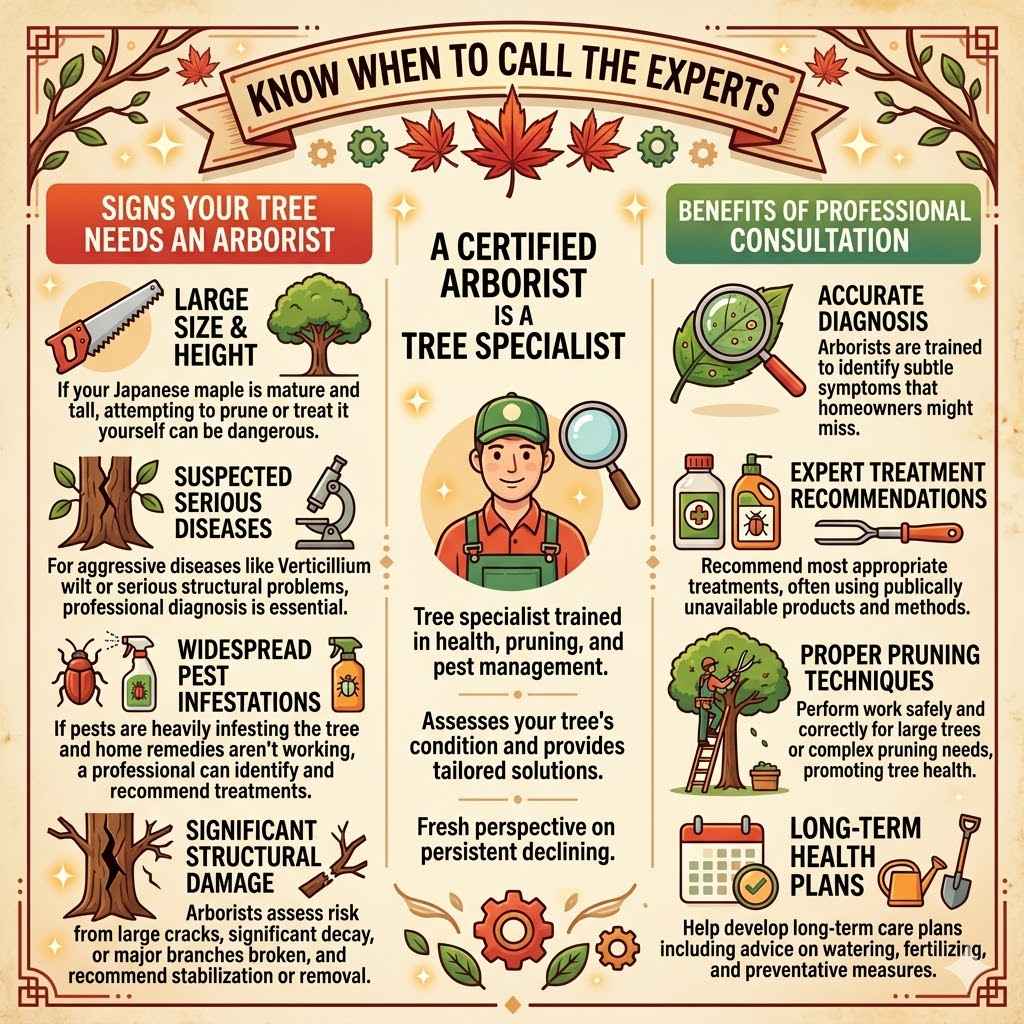
Know When to Call the Experts
While many Japanese maple issues can be addressed by a dedicated gardener, there are times when professional help is the best course of action. Knowing these signs can save your tree.
If your tree is very large, working on it can be dangerous. Professionals have the right equipment and expertise to handle tall trees safely.
For complex problems like suspected severe fungal diseases or widespread pest infestations, an arborist can provide accurate diagnoses and treatment plans. They have specialized knowledge that can be hard to find elsewhere.
If you’ve tried various methods to help your tree and it’s still declining, it’s time to bring in someone who has seen it all. They can offer a fresh perspective and identify issues you might have missed.
A certified arborist is a tree specialist who has passed rigorous exams and is trained in tree health, pruning, and pest management. They can assess your tree’s condition and provide tailored solutions.
Signs Your Tree Needs an Arborist
- Large Size and Height: If your Japanese maple is mature and tall, attempting to prune or treat it yourself can be dangerous. Arborists have the necessary safety equipment and training for high work.
- Suspected Serious Diseases: For aggressive diseases like Verticillium wilt or serious structural problems, a professional diagnosis is essential. They can identify the exact issue and advise on the best course of action, which may include removal.
- Widespread Pest Infestations: If pests are heavily infesting the tree and home remedies aren’t working, an arborist can identify the specific pest and recommend or apply professional-grade treatments.
- Significant Structural Damage: If the trunk has large cracks, significant decay, or major branches are broken, an arborist can assess the risk and recommend stabilization or removal if necessary.
Benefits of Professional Consultation
- Accurate Diagnosis: Arborists are trained to identify subtle symptoms of diseases and pest problems that the average homeowner might miss, leading to more effective treatment.
- Expert Treatment Recommendations: They can recommend the most appropriate treatments, whether it’s specific fungicides, insecticides, or specialized care, often using products and methods not available to the public.
- Proper Pruning Techniques: For large trees or complex pruning needs, an arborist can perform the work safely and correctly, promoting tree health and preventing further damage.
- Long-Term Health Plans: They can help develop a long-term care plan for your tree, including advice on watering, fertilizing, and preventative measures to ensure its continued health and longevity.
Frequently Asked Questions
Question: How long does it take for a Japanese maple to recover?
Answer: Recovery time varies greatly. For minor stress, you might see improvement within one growing season. For more severe issues like root rot or significant damage, it could take two to three years of consistent care to see full recovery.
Patience is key.
Question: Can I transplant a struggling Japanese maple?
Answer: Transplanting a struggling tree is risky. It adds more stress. It’s usually better to try and address the current issues in its existing location first.
If transplanting is necessary, do it during the dormant season and prepare the new site thoroughly.
Question: My Japanese maple dropped all its leaves. Is it dead?
Answer: Not necessarily. Dropping all its leaves can be a sign of severe stress, like drought, extreme heat, or frost damage. Check the twigs for green beneath the bark.
If there’s still green, it likely has a chance to recover with proper care.
Question: How often should I fertilize my Japanese maple?
Answer: Generally, Japanese maples don’t need a lot of fertilizer. Once in early spring with a balanced, slow-release fertilizer is usually sufficient for established trees. Over-fertilizing can be harmful.
Struggling trees should be fertilized very sparingly or not at all until they show signs of recovery.
Question: What is the best mulch for a Japanese maple?
Answer: Organic mulches like wood chips, shredded bark, or compost are excellent. They help retain moisture, suppress weeds, and improve soil over time. Keep the mulch a few inches away from the trunk to prevent moisture buildup and potential rot.
Summary
Your Japanese maple can likely come back if you address the right issues. Look for green under the bark to confirm life. Consistent, deep watering and proper sunlight are vital.
Improving soil drainage and managing pests are key steps. Light pruning to remove dead wood helps it heal. With careful attention and patience, your tree can regain its beauty.