Small Wood Chipper Buying Guide: Branch Size Limits Explained
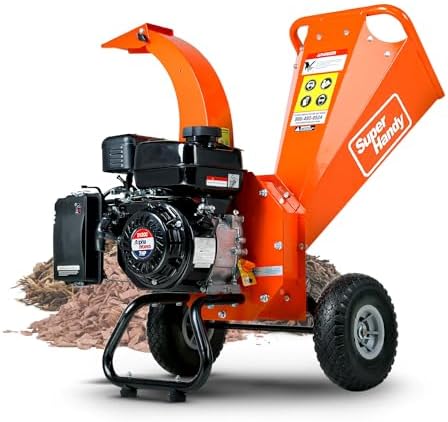
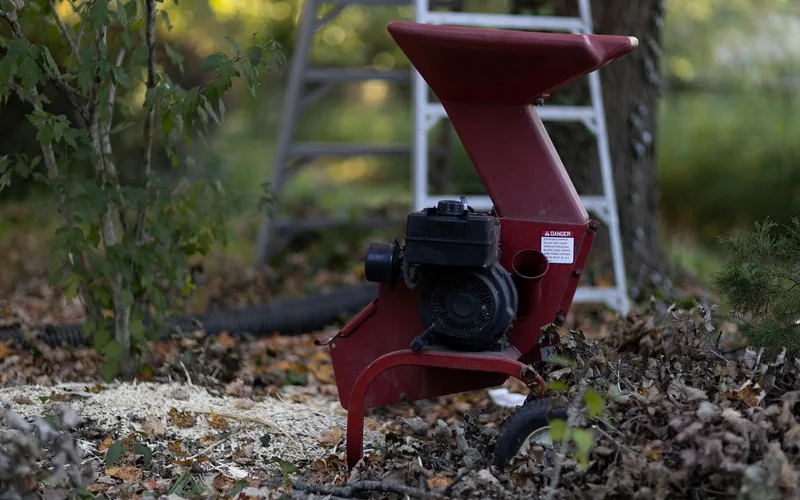
A small wood chipper is a compact machine that turns yard branches into mulch — most 15-amp electric models cut branches up to 1.8 inches thick, while gas units with a 4+ HP engine handle up to 3 inches. Push a branch past your unit’s rated capacity and you’ll stall the motor or jam the rotor, not chip faster. This guide covers branch-size limits by power type, disc vs. drum cutting designs, and which size actually fits a residential yard.
Affiliate disclosure: Woodworking Advisor is reader-supported. If you buy through a link on this page, we may earn a commission at no extra cost to you.
Quick Answer
For most residential yards, a 15-amp electric chipper rated for 1.5–1.8 inch branches covers routine pruning and storm cleanup. Only step up to a 4+ HP gas model if you regularly cut branches over 2 inches thick or need to process large volumes in one session.
Choosing the Right Size
Best Small Wood Chipper Pick
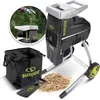
Sun Joe CJ603E Wood Chipper Shredder – $199.99
A 15-amp electric chipper rated for 1.7-inch branches — matches the branch-diameter guidance above for a typical residential yard without the noise or maintenance of a gas engine.
- Best for: Routine pruning and seasonal brush cleanup up to 1.7-inch branches
- Why we picked it: Its drum-style cutter with 12 cutting edges resists the jamming that plagues cheaper dual-blade disc chippers, per verified owner reviews
- Main drawback: Produces coarse chips, not fine mulch, and won’t shred loose leaves
Compare more small wood chipper options
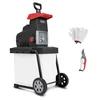 Quietest Option Scheppach GS60 Garden Shredder – $691.49
|
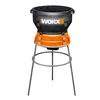 Budget Pick Worx WG430 Leaf Mulcher – $124.99
|
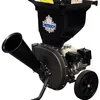 For Bigger Branches Patriot CSV-2540H Gas Chipper – $1,699.00
|
As an Amazon Associate we earn from qualifying purchases.
The spec that matters most is branch or cutting diameter, not the overall size of the machine. A corded electric chipper rated for 1.8 inches will bog down, trip its overload switch, or jam on anything thicker — feeding it slower does not change the rated limit. Match the machine to the thickest branch you realistically cut, not your biggest tree.
Assessing Your Needs
- Branch diameter: Walk your yard and check the thickest branches you actually prune. Most homeowners rarely exceed 1.5 inches; if storm cleanup or annual tree work regularly produces 2–3 inch limbs, size up to gas.
- Volume per session: A 15-amp electric chipper processes a few dozen branches comfortably in an afternoon. Clearing a full acre of brush in one day calls for the higher throughput of a 4+ HP gas unit.
- Material type: Dry, straight branches feed cleanly through almost any small chipper. Green, forked, or stringy material (vines, palm fronds) is harder on the cutter regardless of rated capacity — see the jamming question in the FAQ below.
Considering Available Space
- Storage: Most 15-amp electric chippers fold or disassemble to fit in a corner of a garage or shed; gas models with a collection bag need roughly a 24 x 35 inch footprint.
- Maneuverability: Look for a wheeled base under 40 pounds if you need to move the chipper through gates or up a slope by hand.
- Power access: Electric models need a heavy-gauge extension cord (12-gauge for runs up to 50 feet, 10-gauge beyond that) — factor that into where you can realistically use one.
Electric vs. Gas: Which Small Chipper Fits Your Yard?
If the brush and saplings still need cutting down before they can be chipped, see our comparison of land clearing machines for the step that comes before this one. Once you are down to branches, the choice is mostly electric vs. gas.
| Spec | 15-Amp Electric | 4–9 HP Gas |
|---|---|---|
| Branch diameter | 1.5–1.8 in | 2.5–3 in |
| Typical weight | 20–40 lb | 90–150 lb |
| Noise | Quieter, no exhaust | Louder, engine exhaust |
| Typical price | $120–$700 | $1,000–$2,000+ |
| Best for | Routine pruning, small/suburban yards | Storm cleanup, acreage, frequent heavy brush |
Disc vs. Drum Chippers: What’s Actually Different
Disc and drum chippers are the two cutting designs used inside nearly every small wood chipper, and the difference explains why two machines with the same amp rating can behave very differently in your yard. A disc chipper mounts blades to the face of a spinning flywheel, which shears the branch in a single fast pass; a drum chipper mounts knives around a rotating cylinder with a wider throat, which whittles the branch away more gradually.
In practice: disc-style cutters (the classic dual-blade design used in older electric models) cut faster on straight, dry branches but jam more easily on forked or stringy material and need more frequent blade sharpening. Drum-style cutters — the Sun Joe CJ603E’s 12-edge “squirrel cage” rotor and the Scheppach GS60’s slow roller cutter are both examples — feed more forgivingly and run quieter, at the cost of slightly coarser chips.

Whichever design you buy, what comes out the other end is genuinely useful: fresh wood chips work as garden mulch, though not every species is equally safe to spread and freshly chipped material needs to sit before it goes near termite-prone areas — see how far to keep chip mulch from your foundation. If you plan to use chips for smoking rather than mulch, they need very different prep — our guide on whether to soak wood chips before smoking covers that separately.
Key Features to Look For
Beyond branch diameter, a few specs and safety features separate a chipper that lasts from one that frustrates you within a season.
Power and Capacity
Amp rating (electric) or horsepower (gas) determines how much resistance the cutter can push through before stalling. A 13-amp motor and a 15-amp motor sound similar on paper, but the extra 2 amps measurably reduces stalling on knotty or slightly oversized branches — check the rated cutting diameter directly rather than comparing amps alone.
Safety Features
- Emergency Stop: An easy-to-reach stop button or lever that cuts power instantly.
- Overload Protection: Automatically stops the motor when it’s overwhelmed, preventing burnout.
- Feed Control / Reverse: A reverse switch clears jams without opening the housing — a genuine time-saver on drum-style units.
- Push Stick or Tamper: Keeps your hand well clear of the feed throat on thinner material.
📊 CDC data covering 1992–2002 recorded 31 deaths and 2,042 injuries — 155 of them amputations — from wood chipper operation, the large majority on commercial tow-behind and industrial units, not the small electric chippers covered in this guide. It’s still the reason every safety feature above matters even on a 15-amp homeowner model. — Source: CDC/NIOSH, wood chipper injury surveillance
Verified owner reviews of 15-amp electric chippers consistently flag one detail most buying guides skip: motor burnout is usually an extension-cord problem, not a machine defect. Manufacturers spec at least a 12-gauge cord for runs up to 50 feet, and a thinner cord causes exactly the overheating and stalling that gets blamed on the chipper itself.
Maintenance and Durability
Regular maintenance is what actually determines how long a small chipper lasts — the motor rarely fails first; a dull or chipped blade does, because it forces the motor to work harder on every branch.
Ease of Maintenance
Look for a unit where the cutting housing opens with a hex key and no special tools, since you will be doing this periodically to clear jams and check blade sharpness — not just at the end of the season.
Material and Build Quality
Hardened-steel cutting rollers and blades hold an edge far longer than mild steel. Direct-drive gas models (no belts or pulleys between engine and rotor) lose less power in transfer and have one less wear part to replace.
Making Your Decision
Match the machine to the branch diameter you actually cut, not the biggest tree on your property. Most homeowners are well served by a 15-amp electric chipper rated for 1.5–1.8 inch branches; step up to a 4+ HP gas unit only if you regularly process 2-inch-plus limbs or clear more than an afternoon’s worth of brush at a time.
Budget and Value
A quality 15-amp electric chipper runs $120–$200; gas units with real branch capacity start closer to $1,000. Paying more doesn’t buy a bigger branch limit on electric models — amperage is capped by standard household circuits, so once you need more capacity, gas is the only real step up.
Reading Owner Reviews
Weight the reviews that mention specific branch sizes and jam frequency over star ratings alone — a 4-star average with recurring “jams on anything over an inch” comments tells you more than the number itself.
Conclusion
A small wood chipper earns its space in the garage when you buy to the branch diameter you actually cut. Electric 15-amp models handle routine pruning quietly and affordably; gas units only pay off once you are regularly feeding branches past 2 inches. Whichever you choose, a drum-style cutter and a properly sized extension cord will save you more frustration than any spec sheet number.
Frequently Asked Questions
Are small wood chippers worth it?
Yes, for routine yard maintenance. A 15-amp electric chipper costs $120–$200, handles branches up to about 1.8 inches, and turns a season’s worth of pruning waste into usable mulch instead of bagged trash — it typically pays for itself within a year or two of avoided yard-waste pickup fees.
What is the difference between a shredder and a chipper?
A shredder is built for soft material — leaves, small twigs, and green waste — using string-line or fine blades. A chipper uses a disc or drum cutter designed to cut woody branches into chips. Many small units marketed as “chipper shredders” combine both, but check the rated branch diameter separately from the leaf capacity before buying for wood.
What size branch can a small wood chipper cut?
Most 15-amp electric chippers are rated for 1.5 to 1.8 inches in diameter. Gas-powered small chippers with a 4 to 9 HP engine handle 2.5 to 3 inches. The rated size is a hard limit set by motor torque, not a suggestion — forcing a thicker branch through stalls the motor or jams the cutter rather than cutting slower.
Do small wood chippers jam easily?
Disc-style cutters with only 1–2 blades jam more often, especially on green, wet, or forked branches. Drum-style cutters with more cutting edges around the rotor — like the Sun Joe CJ603E’s 12-edge design — feed more forgivingly. Feeding branches straight, dry, and one at a time reduces jams on any design.
Is a PTO wood chipper worth it?
Only if you already own a tractor with a matching PTO output and regularly process large volumes of brush or land-clearing debris. For typical residential yard work, a standalone electric or gas chipper is cheaper and far more practical than adding PTO attachment costs.
What is the lightest wood chipper?
Compact corded leaf mulchers like the Worx WG430 weigh about 20 pounds, but those are leaf shredders, not true branch chippers. Among machines that actually cut wood, the lightest small electric chippers run 25–40 pounds; once you need real branch-cutting capacity with a steel cutting drum, expect 90–100+ pounds even in “compact” gas models.
Sponsored / affiliate links. As an Amazon Associate I earn from qualifying purchases. I may earn additional commission from eligible campaigns.