Wood Glue That Dries Fast: Quick Set Solutions!
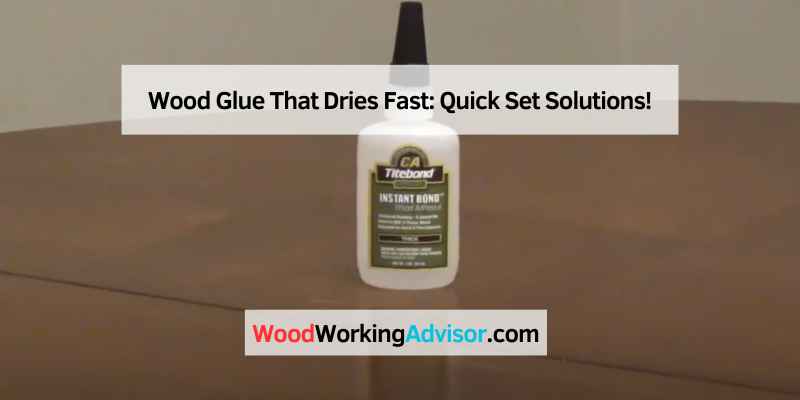
For fast-drying wood glue, consider Titebond III or Gorilla Wood Glue. Both options bond quickly and provide strong adhesion.
Wood glue plays a crucial role in woodworking projects, ensuring durability and strength. Choosing the right type can significantly impact your project’s success. Fast-drying wood glue is particularly valuable for those who need quick results. It allows for efficient assembly, reducing waiting time between steps.
Many brands now offer formulas that set quickly while maintaining robust bonds. Understanding the features of various wood glues helps you select the best option for your needs. Whether you’re crafting furniture or completing repairs, using a fast-drying adhesive can streamline your workflow and enhance your results. Explore the benefits and applications of these effective products to elevate your woodworking skills.
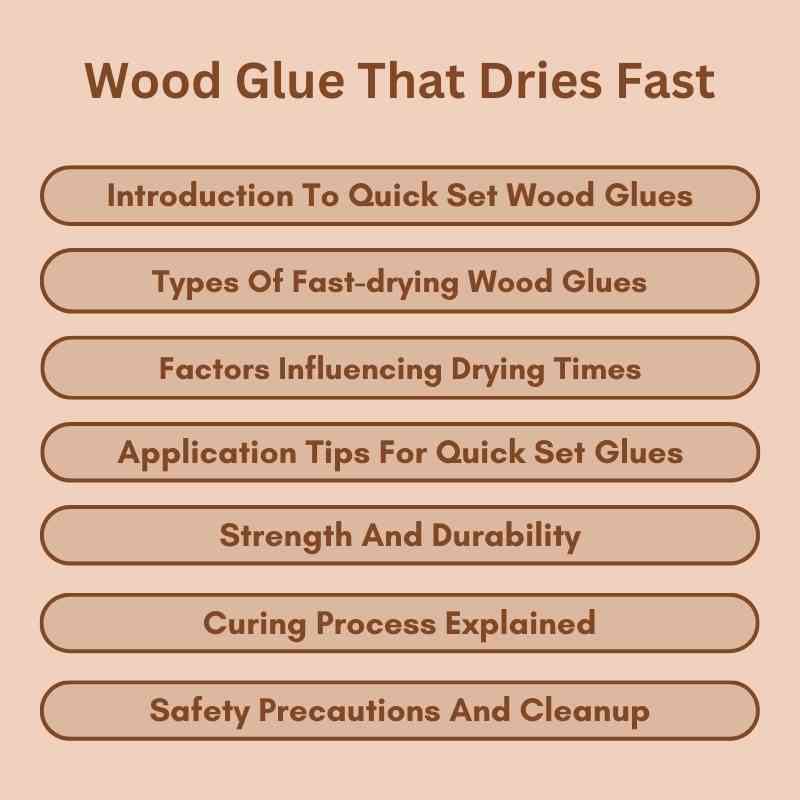
Introduction To Quick Set Wood Glues
Quick set wood glues are essential for fast-paced woodworking projects. They save time while maintaining strong bonds. Knowing their features helps you choose the best option for your needs.
The Demand For Speed In Woodworking
Woodworkers today need efficiency. Quick set wood glues meet this demand perfectly. Here are some reasons for their popularity:
- Time-Saving: Fast drying times allow for quicker project completion.
- Increased Productivity: Less waiting means more work done.
- Versatile Use: Ideal for various woodworking tasks.
Basics Of Quick-drying Glues
Quick-drying glues come in various types. Each has unique features. Here’s a basic overview:
| Type | Drying Time | Strength |
|---|---|---|
| PVA Glue | 30 minutes | Medium |
| Cyanoacrylate (CA) Glue | 10-30 seconds | High |
| Epoxy | 5-10 minutes | Very High |
Choose the right glue based on your project. Consider drying time and bond strength. Quick-drying glues allow for efficient repairs and creations.
Types Of Fast-drying Wood Glues
Fast-drying wood glues come in various types. Each type has unique properties. Understanding these can help you choose the right one. Below are the main types of fast-drying wood glues.
Cyanoacrylate Adhesives
Cyanoacrylate adhesives are often known as super glue. They bond quickly and strongly. Here are some key points:
- Dries in seconds to minutes.
- Best for small repairs.
- Works well on wood and other materials.
These adhesives create a strong bond but can be brittle. Use sparingly for best results.
Polyurethane-based Formulas
Polyurethane-based formulas are versatile and durable. They expand as they cure, filling gaps. Key features include:
- Water-resistant and great for outdoor projects.
- Takes about 30 minutes to set.
- Can bond different materials like wood, metal, and plastic.
These glues can be messy. Clean excess glue before it dries for a tidy finish.
Epoxy Resins
Epoxy resins are strong and durable. They consist of two parts: resin and hardener. Here are some benefits:
- Sets in about 5 to 30 minutes.
- Waterproof and chemical-resistant.
- Ideal for heavy-duty repairs.
Mix carefully for the best bond. Use in well-ventilated areas due to fumes.
Factors Influencing Drying Times
Several factors impact how quickly wood glue dries. Understanding these factors helps in achieving strong bonds efficiently. Key influences include temperature and humidity, wood porosity, and adhesive thickness.
Temperature And Humidity
Temperature and humidity significantly affect drying times. Higher temperatures generally speed up drying. On the other hand, high humidity can slow it down.
- Ideal Temperature: 70°F to 80°F (21°C to 27°C)
- Low Humidity: Promotes faster drying
- High Humidity: Can cause glue to remain tacky longer
Testing your environment is crucial. Use a thermometer and hygrometer for accurate readings.
Wood Porosity
The porosity of the wood plays a vital role. More porous woods absorb glue quickly, affecting drying times.
| Wood Type | Porosity Level | Drying Time |
|---|---|---|
| Pine | High | 30-60 minutes |
| Oak | Medium | 60-120 minutes |
| Maple | Low | 120-180 minutes |
Choose wood carefully. Different woods require different drying times.
Adhesive Thickness
The thickness of the adhesive layer affects drying time. Thicker layers take longer to dry.
- Use a thin layer for quick drying.
- Thick layers may lead to uneven bonding.
- Apply glue evenly for the best results.
Consider these factors to optimize your woodworking projects. Understanding them can save time and ensure strong bonds.
Application Tips For Quick Set Glues
Using quick set wood glue can save time and effort. Proper application ensures strong bonds. Follow these tips for the best results.
Surface Preparation
Start by preparing your surfaces. This step is crucial for a strong bond.
- Clean the surfaces thoroughly. Remove dust and dirt.
- Sand the surfaces lightly. This helps the glue stick better.
- Ensure surfaces fit together well. Gaps can weaken the bond.
For best results, consider the following:
| Surface Type | Preparation Method |
|---|---|
| Wood | Sand and clean |
| Metal | Wipe with solvent |
| Plastic | Clean with rubbing alcohol |
Glue Dispensing Techniques
How you dispense glue matters. Use these techniques for even application:
- Use a precision tip. It helps control the flow.
- Apply a thin layer. Too much glue can weaken the bond.
- Spread the glue evenly. Use a brush or a spatula.
These methods ensure uniform coverage. This leads to a stronger bond.
Clamping For Success
Clamping helps secure the pieces together. Proper clamping is essential for a solid bond.
- Use clamps that apply even pressure.
- Clamp for at least 30 minutes. This allows the glue to set.
- Check for excess glue. Wipe away any spills before it dries.
Choose the right clamp type based on your project:
| Clamp Type | Best Use |
|---|---|
| Bar Clamps | Large surfaces |
| C-Clamps | Small joints |
| Spring Clamps | Quick projects |
Strength And Durability
Wood glue that dries fast must offer strong bonds. Strength and durability are key factors for successful projects. You need a reliable adhesive that withstands stress and time.
Comparing Bond Strengths
Different wood glues provide various bond strengths. Here’s a quick comparison of some popular options:
| Type of Wood Glue | Bond Strength (psi) |
|---|---|
| PVA Glue | 3,000 – 4,000 |
| Polyurethane Glue | 3,000 – 5,000 |
| Epoxy | 2,500 – 6,000 |
| Hide Glue | 1,500 – 3,000 |
Choose a glue based on your project needs. A higher psi means a stronger bond.
Long-term Durability Concerns
Durability is crucial for wood glue. Some types resist water better than others. Consider these factors:
- Moisture Resistance: Polyurethane glues excel in wet environments.
- Temperature Tolerance: Epoxy can handle extreme temperatures.
- Ageing: PVA glue may weaken over time.
Test your glue for long-lasting results. Check the label for durability claims. Strong bonds ensure your project lasts.
Curing Process Explained
The curing process of wood glue is crucial for strong bonds. It involves chemical reactions that transform liquid glue into a solid state. Understanding this process helps users choose the best glue for their projects. Let’s explore the details below.
Chemical Reactions During Curing
Wood glue cures through specific chemical reactions. Here are the main types:
- Polymerization: This forms long chains of molecules. It increases the glue’s strength.
- Evaporation: Water or solvents escape. This thickens the glue.
- Cross-linking: Molecules bond together. It creates a durable network.
Each reaction plays a key role. Together, they ensure a robust bond between surfaces. Temperature and humidity can impact these reactions significantly.
Accelerating The Curing Process
Sometimes, you need faster results. Here are ways to speed up curing:
- Increase Temperature: Warm environments help glue cure quicker.
- Use a Fan: Air circulation can promote evaporation.
- Apply Pressure: Clamping surfaces together enhances bonding.
- Choose Fast-Drying Glue: Opt for formulations designed for quick curing.
Using these methods can save time. Always follow the manufacturer’s instructions for best results.
Safety Precautions And Cleanup
Using wood glue that dries fast can be convenient. However, safety is key. Proper handling and cleanup ensure a safe workspace. Follow these guidelines for a worry-free experience.
Handling And Storage
Storing wood glue properly keeps it effective and safe. Here are some tips:
- Keep away from children and pets.
- Store in a cool, dry place.
- Close the cap tightly after each use.
- Avoid exposure to extreme heat or cold.
Check the label for specific storage instructions. Always use the glue within its shelf life for best results.
Effective Cleanup Methods
Cleaning up wood glue spills quickly prevents messes. Follow these steps:
- Use a damp cloth to wipe excess glue.
- For dried glue, gently scrape with a plastic scraper.
- Soak the area with warm, soapy water.
- Rinse with clean water and dry thoroughly.
For stubborn spots, try rubbing alcohol or vinegar. Always wear gloves during cleanup to protect your skin.
| Cleanup Method | Best For |
|---|---|
| Damp Cloth | Fresh spills |
| Plastic Scraper | Dried glue |
| Warm Soapy Water | General cleanup |
| Rubbing Alcohol | Stubborn spots |
Brand Comparisons And Reviews
Choosing the right wood glue can make a big difference. Fast-drying options save time and ensure strong bonds. Here, we compare popular brands and share user reviews. This will help you find the best wood glue for your needs.
Top Market Picks
| Brand | Drying Time | Strength | Price |
|---|---|---|---|
| Gorilla Wood Glue | 20-30 minutes | Very Strong | $5.99 |
| Titebond III | 30 minutes | Strong | $7.99 |
| Elmer’s Carpenter’s Wood Glue | 20-25 minutes | Moderate | $3.49 |
| Loctite PL Premium | 30-60 minutes | Very Strong | $8.99 |
User Reviews And Ratings
- Gorilla Wood Glue:
Users love its quick drying time. It bonds well on various materials. Many rate it at 4.8 out of 5 stars.
- Titebond III:
Great for outdoor projects. Users appreciate its waterproof feature. It gets a solid 4.7 out of 5 stars.
- Elmer’s Carpenter’s Wood Glue:
This glue is perfect for beginners. It’s affordable and easy to use. Users rate it 4.5 out of 5 stars.
- Loctite PL Premium:
Highly rated for its strength. It works on various surfaces. Users give it a 4.6 out of 5 stars.
DIY Projects Featuring Fast-drying Glue
Fast-drying wood glue is a game changer for DIY enthusiasts. It saves time and effort. Quickly bonding materials allows for immediate use. Here are some fun projects where fast-drying glue shines.
Home Repair Hacks
Use fast-drying glue for quick home repairs. Here are some common hacks:
- Fixing Furniture: Repair broken legs or loose joints.
- Sealing Cracks: Fill gaps in wooden surfaces.
- Reattaching Trim: Secure loose moldings or baseboards.
These simple fixes save you money. Fast-drying glue bonds quickly and strongly. Follow these steps for best results:
- Clean the surfaces to remove dust.
- Apply a small amount of glue.
- Press the pieces together firmly.
- Allow the glue to dry as per instructions.
Creative Crafting With Quick Set Glue
Fast-drying glue enhances your crafting experience. Whether you’re making decorations or gifts, it’s ideal. Here are some creative ideas:
- DIY Picture Frames: Create unique frames using wood scraps.
- Wooden Toys: Assemble toys quickly for kids.
- Seasonal Decor: Craft holiday ornaments or centerpieces.
Using quick set glue allows for instant crafting. It’s easy to use and dries clear. Follow this simple guide for crafting:
- Gather your materials and tools.
- Apply glue to edges or surfaces.
- Join pieces and hold until set.
- Let your project dry completely.
Fast-drying glue opens a world of possibilities. Enjoy your DIY projects with speed and creativity!
Environmental And Health Considerations
Choosing wood glue involves considering its impact on the environment and health. Fast-drying glues may contain harmful chemicals. Understanding eco-friendly options helps in making safer choices.
Eco-friendly Glue Options
Eco-friendly wood glues offer a safer alternative. They use natural ingredients and reduce harmful emissions. Here are some popular eco-friendly options:
- PVA Glue: Made from natural sources, non-toxic.
- Plant-Based Adhesives: Derived from soy or corn, biodegradable.
- Water-Based Glues: Low in volatile organic compounds (VOCs).
Choosing these options minimizes environmental harm. They are safe for indoor use, reducing health risks.
Health Risks And Safety Gear
Using conventional wood glue can expose you to health risks. Many contain toxic chemicals that may cause irritation or allergies. Risks include:
| Health Risk | Symptoms |
|---|---|
| Skin Irritation | Redness, itching |
| Respiratory Issues | Coughing, difficulty breathing |
| Allergic Reactions | Rashes, swelling |
Always wear safety gear to protect yourself. Recommended gear includes:
- Gloves: Prevent skin contact.
- Mask: Avoid inhaling fumes.
- Goggles: Protect eyes from splashes.
Prioritize safety when using wood glue. Choose eco-friendly options and wear protective gear.
Conclusion: Balancing Speed And Quality
Choosing the right wood glue involves finding a balance. Fast-drying glues save time. Yet, quality remains crucial for strong bonds. Users must evaluate their project needs carefully. Speed can lead to mistakes if not paired with reliability.
Making The Right Choice For Your Project
Different projects require different types of wood glue. Consider these factors:
- Material Type: Softwoods may need different glue than hardwoods.
- Project Size: Larger projects might benefit from faster drying times.
- Environmental Conditions: Humidity affects drying times and adhesion.
Here’s a quick comparison of popular wood glues:
| Glue Type | Drying Time | Best For |
|---|---|---|
| PVA Glue | 30 minutes | Indoor projects |
| Polyurethane Glue | 1-2 hours | Outdoor projects |
| Epoxy | 5-10 minutes | Heavy-duty bonding |
Future Developments In Adhesive Technology
Technology in wood glue is evolving rapidly. Researchers focus on creating faster and stronger adhesives. Possible trends include:
- Eco-friendly Options: Sustainable materials are becoming popular.
- Smart Adhesives: Glues that change properties based on conditions.
- Rapid Curing Methods: Techniques that speed up drying without quality loss.
Staying informed on these trends helps users choose wisely. Balancing speed and quality is key to successful projects.
Frequently Asked Questions
What Is The Best Fast-drying Wood Glue?
The best fast-drying wood glue is polyurethane glue. It bonds quickly and provides a strong hold. Another excellent option is cyanoacrylate glue, often known as super glue. Both types cure rapidly and are ideal for quick projects. Always choose the right glue based on your specific project needs.
How Long Does It Take For Wood Glue To Dry?
Typically, wood glue takes about 30 minutes to set. However, full curing can take up to 24 hours. Fast-drying varieties may set even quicker, sometimes in just 10 minutes. Always check the manufacturer’s instructions for specific drying times. This ensures your project achieves maximum strength.
Can I Use Fast-drying Glue On All Wood Types?
Fast-drying glue can be used on most wood types. However, ensure surfaces are clean and dry for the best results. Some hardwoods may require specific types of glue for optimal adhesion. Always test on a small area if unsure. This helps avoid any unwanted reactions.
Is Fast-drying Wood Glue Waterproof?
Many fast-drying wood glues are water-resistant but not fully waterproof. Polyurethane glue is typically more water-resistant than others. For outdoor projects, consider using a waterproof wood glue specifically designed for such conditions. Always read the label for specific waterproof claims before use.
Conclusion
Choosing the right wood glue that dries fast can significantly enhance your woodworking projects. Quick-drying options save time and ensure strong bonds. Remember to consider the specific needs of your project. With the right glue, you can achieve professional results efficiently.
Happy crafting, and may your projects be successful!