How To Remove Super Glue From Skin Safely
Soak the area in warm, soapy water for 10-15 minutes and gently roll or peel the skin apart rather than pulling; if that doesn’t fully release it, acetone-based nail polish remover on a cotton ball will dissolve cyanoacrylate glue. Never use acetone near the eyes, and never try to pry open glued eyelids yourself – that specific situation needs a doctor, not a home remedy. This guide covers the methods that actually work, the ones that are just internet folklore, and when to stop and call for medical help.
Why Super Glue Bonds So Fast To Skin
Super glue is cyanoacrylate, an adhesive that cures almost instantly when it contacts moisture – and skin always has enough surface moisture to trigger that reaction. That’s why it bonds fingers together in seconds during a woodworking or craft project, far faster than it sets on the actual material you meant to glue. The bond itself isn’t dangerous to skin in small amounts (cyanoacrylate is even used medically in tiny amounts for wound closure), but a tight bond between fingers, or between skin and another surface, needs to come apart carefully to avoid tearing skin.
Step 1: Warm Soapy Water First
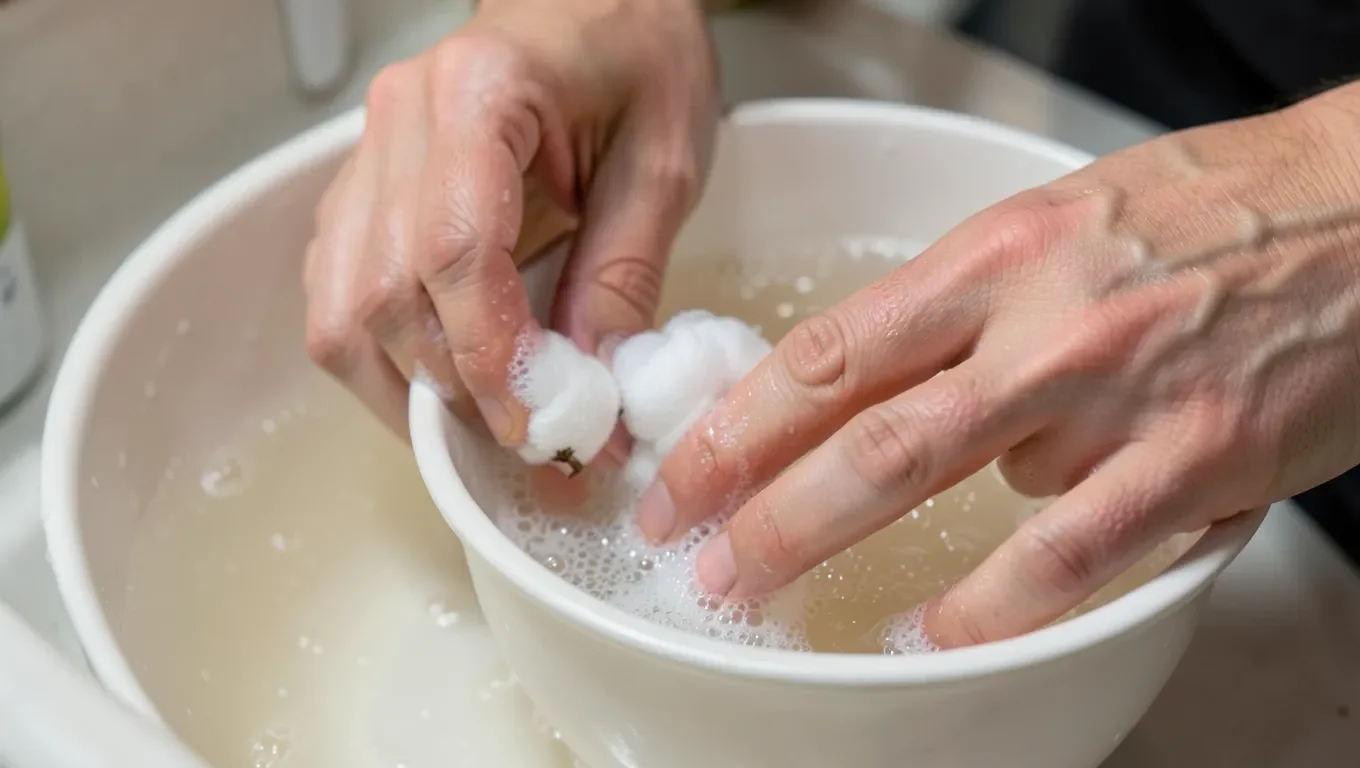
Soak the affected area in warm water with a few drops of dish soap for 10 to 15 minutes. This softens the bond enough that you can often gently roll or peel the skin apart with your fingers, rather than pulling straight, which risks tearing skin that’s still bonded. If the glue hasn’t released after soaking, don’t keep soaking indefinitely – move on to acetone rather than repeating a step that’s already shown it isn’t enough on its own.
Step 2: Acetone (When Soap And Water Isn’t Enough)
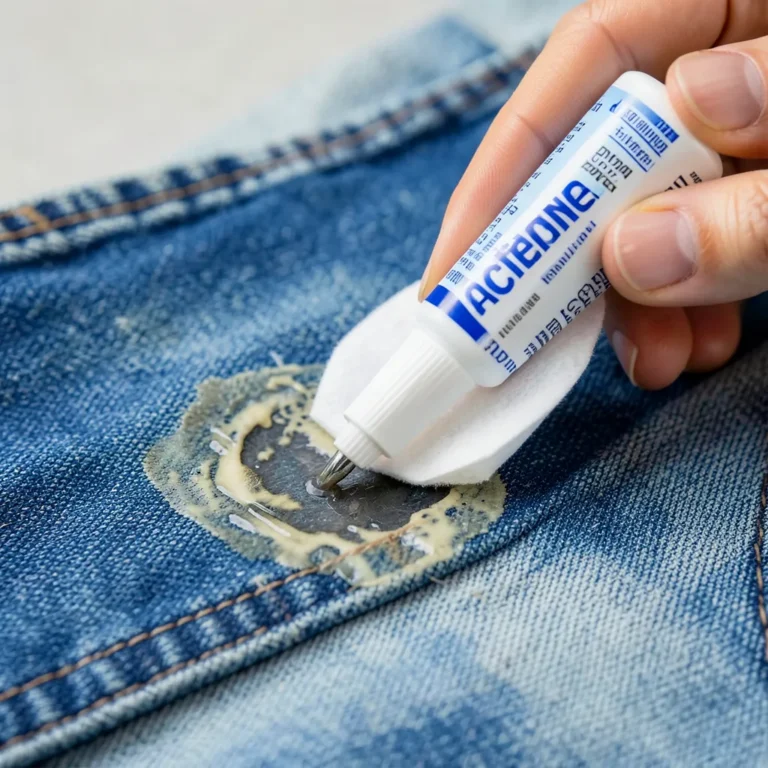
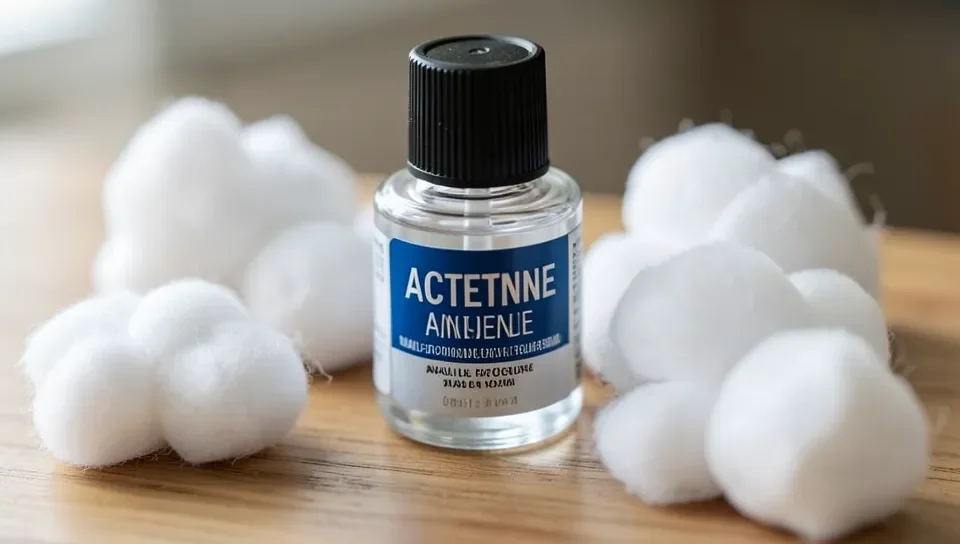
Acetone is a genuine solvent for cured cyanoacrylate, which is why it’s the standard second-line method – pure acetone or acetone-based nail polish remover both work. Apply it to a cotton ball and hold it against the glued area for a minute or two, then gently rub; the glue should soften and roll away. A few real precautions matter here: test on a small area first if your skin is sensitive, since acetone is drying and can irritate skin with repeated or prolonged use. Never use it near the eyes or on broken skin, and don’t use it on a young child’s skin without care, since acetone fumes and skin contact are both harsher for kids.
Gentler Alternatives: Oils And Petroleum Jelly
Petroleum jelly, vegetable oil, or margarine won’t chemically dissolve the glue the way acetone does, but they lubricate the bond enough to help work skin apart gently, and they’re a genuinely better choice than acetone for sensitive skin, children, or anywhere you want to avoid a harsh solvent. Apply a generous amount directly on the glued area, let it sit for a few minutes, and gently work the skin apart rather than pulling.
What Doesn’t Actually Work
Vinegar and a lemon-juice-and-baking-soda mix show up often in “natural remedy” advice for super glue, but there’s no real chemical basis for either one dissolving cured cyanoacrylate the way acetone does – acetic acid and mild abrasives simply aren’t strong enough solvents for this adhesive. If you try them and the glue eventually comes off, it’s more likely the soaking and gentle rubbing that did the work, not the vinegar or lemon juice itself. Skip straight to warm soapy water or acetone instead of losing time on a remedy that isn’t doing much.
When It’s A Medical Emergency, Not A DIY Fix
Super glue near or in the eyes is the one scenario where home remedies are the wrong move entirely. If glue gets on the eyelid or the eyelids stick together, do not try to pry them open and do not use acetone anywhere near the eye – acetone in the eye causes real chemical injury. Flush the area gently with lukewarm water and get to a doctor or emergency room; eyelids bonded shut with cyanoacrylate typically release on their own within a day or two as the skin naturally exfoliates, and a doctor can speed that safely. The same caution applies to glue on lips or inside the mouth – gentle warm water and patience, not scrubbing or solvents, and medical attention if it doesn’t release or if swallowing is a concern.
Preventing It Next Time
- Work in a well-ventilated area and apply glue away from your fingers, using a scrap piece of wood or cardboard to control the flow if the tip is prone to drips.
- Wear nitrile or latex gloves for any project involving repeated cyanoacrylate use – cotton gloves will bond to the glue just as fast as skin does.
- Keep the cap on and store upright when not actively gluing; a slow leak onto a workbench is a common source of accidental contact.
- Keep it away from kids and pets, and store it somewhere it won’t get mistaken for eye drops or another small bottle, which is a real cause of the eye-contact emergencies above.
Frequently Asked Questions
How Can I Remove Super Glue From Skin?
Soak the area in warm, soapy water for 10-15 minutes and gently roll or peel the skin apart. If that doesn’t fully release it, acetone-based nail polish remover on a cotton ball will dissolve the remaining glue – avoid using it near the eyes or on broken skin.
Is Super Glue Harmful To Skin?
In small amounts it isn’t dangerous – cyanoacrylate is even used medically for minor wound closure. The real risk is tearing skin by pulling apart a bond too forcefully, or getting it near the eyes, which needs medical attention rather than a home remedy.
Does Vinegar Dissolve Super Glue?
Not really. Vinegar shows up often in home-remedy advice, but there’s no strong chemical reason it would dissolve cured cyanoacrylate. Warm soapy water followed by acetone if needed is the combination that actually works.
What Should I Do If Super Glue Gets In My Eye?
Don’t try to pry the eyelids open and don’t use acetone anywhere near the eye. Flush gently with lukewarm water and see a doctor – eyelids bonded shut with cyanoacrylate typically release safely within a day or two, and a doctor can help that process along.
Conclusion
Warm soapy water first, acetone if that’s not enough, and oil or petroleum jelly if you want a gentler option for sensitive skin or kids – those three cover nearly every super glue skin situation. Skip the vinegar and lemon-juice folk remedies, and treat glue anywhere near the eyes as a reason to call a doctor rather than reach for a cotton ball.
Sponsored / affiliate links. As an Amazon Associate I earn from qualifying purchases. I may earn additional commission from eligible campaigns.