Yellow Pressure Treated Wood: Durable Decking Solution
Have you ever wondered why some wooden structures last longer than others? The secret often lies in the type of wood used.
Yellow pressure treated wood is a standout choice for those who want their projects to withstand the test of time. Imagine your deck, fence, or outdoor furniture looking as good as new for years to come. This type of wood is not just about durability; it’s about ensuring your investment pays off in the long run.
You deserve materials that promise reliability and peace of mind. Dive into this article to discover how yellow pressure treated wood can transform your building projects and why it might just be the perfect solution for your next big idea. Keep reading to unlock the secrets behind its enduring appeal and how it can benefit you.
Credit: www.homedepot.com
Features Of Yellow Pressure Treated Wood
Yellow pressure treated wood is very strong. It lasts for many years. This wood can handle heavy things. It is great for building. People use it for decks and fences. It does not break easily. Builders trust this wood for big projects.
This wood is resistantto rain and sun. It does not rot quickly. Bugs like termites stay away. It is safe in wet places. The wood stays good in all weather. It keeps its shape and color.
Yellow pressure treated wood is affordable. It costs less than other woods. You get good quality for the price. It does not need much care. This saves money over time. Many people choose it for their homes.
Benefits For Decking
Yellow pressure treated woodlasts a long time. It fights against rot and insects. Decks stay strong for many years. This wood is tough and durable.
Beautiful decks
Taking care of this wood is easy. It needs less work than other woods. Cleaning is simple. Just wash and dry. It saves time and effort.
Installation Tips
Start with a clear plan. Measure the area for the wood. Calculate how many pieces you need. Draw a simple layout. This helps avoid mistakes. Check the weather forecast. Choose a dry day for installation. Wet wood can warp. Make sure the ground is level. Uneven surfaces cause problems later.
A few basic tools are needed. Gather a hammer, saw, and drill. You also need measuring tape and pencil. Safety goggles protect eyes. Gloves keep hands safe. Gather nails or screws. Choose the right size. Use a level for straight lines. The right tools make the job easier.
Safety is very important. Wear goggles to protect your eyes. Gloves protect your hands. Keep tools away from children. Work in a well-lit area. Always check tools before use. Make sure they are in good condition. Clear the area of debris. Trip hazards can cause falls. Safety first, always.
Environmental Impact
Yellow pressure treated woodcan harm nature. Chemicals used in treatment process are not safe for the earth. They can pollute soil and water. This wood lasts long but is not always the best. Choosing sustainable wood helps the planet. It protects plants and animals. Consider using wood from well-managed forests. Certification labelsguide us to eco-friendly choices. These labels show the wood was responsibly sourced. They offer peace of mind.
Many eco-friendly wood optionsexist. Bamboo grows quickly and is strong. Recycled wood is another good choice. It uses old wood for new projects. Composite materials mix wood with plastic. These last long and need little care. They offer a cleaner choice. Each option helps save the earth.
Comparisons With Other Wood Types
Cedar wood is naturally resistant to bugs. It doesn’t need chemicals. This makes it safe for gardens. Pressure-treated wood has special chemicals. They keep bugs away. But, it needs care and attention. Cedar looks nice and smells good. It’s a favorite for fences. Pressure-treated wood is often used for decks. It’s strong and lasts long. Cedar is softer. But, it can still handle weather. Pressure-treated wood is tougher. It can take more weight.
Composite wood is made from plastic and wood. It doesn’t rot. Natural wood is from trees. It can rot if wet. Composite wood is easy to clean. It doesn’t need paint. Natural wood looks and feels nice. It’s warm to touch. Composite wood can be hot in the sun. Natural wood needs oil or paint. This keeps it safe. Composite wood is heavy. But, it lasts a long time.
Common Challenges
Yellow pressure treated wood faces many challenges. Sunlight can make it fade over time. Rain and snow can make the wood swell. This can cause the wood to crack. Wind can also be a problem. It can make the wood dry and brittle.
Temperature changes are another challenge. Hot and cold weather can make the wood warp. This can affect how it looks and works. Mold and mildew can grow on the wood. This happens when the wood stays wet for a long time.
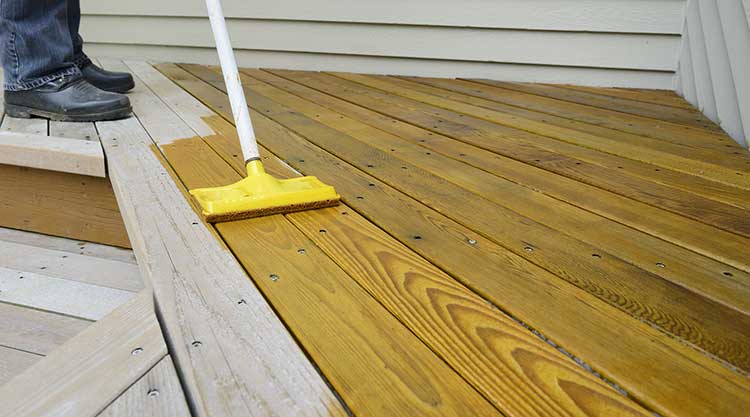
Regular care is needed for yellow pressure treated wood. It needs to be cleaned often. Dirt and leaves can get stuck. This can lead to rot. Sealing the wood can help. It keeps water out. Water is the enemy.
Checking for damage is important. Look for splinters and cracks. These can hurt people. Nails and screws can get loose. They need to be tightened. Taking care of the wood makes it last longer.
Future Trends In Decking Materials
Wood is getting new treatments. These treatments make it last longer. Yellow pressure treated wood is popular. It fights bugs and rot. This keeps the deck strong. It also stays nice for many years.
New treatments use less chemicals. This is better for the earth. Kids and pets stay safe. Wood stays strong and looks great. More people choose these treatments.
Decks are changing. Natural colors are in style. People like soft, warm shades. These colors feel cozy. They match the outdoors.
Simple designs are trendy. Clean lines make decks look neat. People use cool shapes and patterns. This makes decks special. Everyone wants a deck that stands out.
Credit: www.yellawood.com
Frequently Asked Questions
What Is Yellow Pressure Treated Wood?
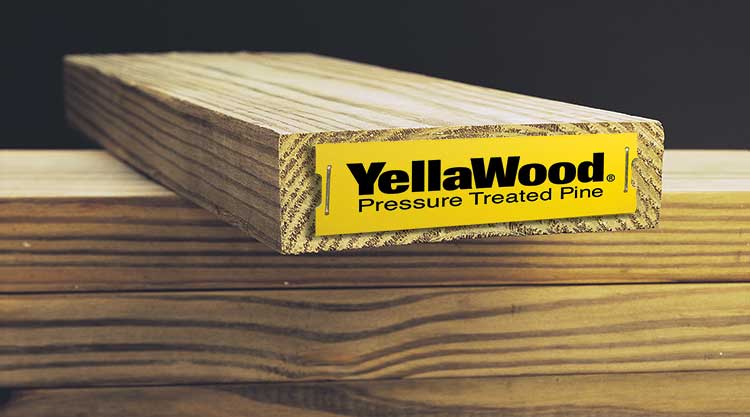
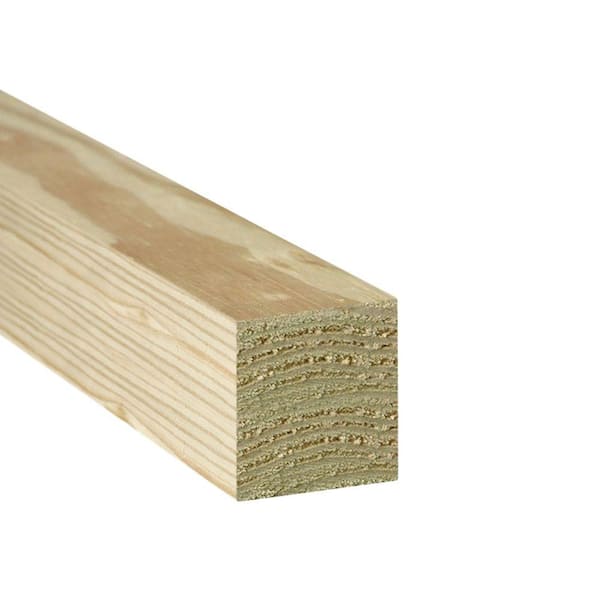
Yellow pressure treated wood is lumber treated with chemical preservatives. It resists rot, insects, and decay. The yellow tint is due to the chemical treatment process. This type of wood is ideal for outdoor projects like decks and fences. It ensures durability and longevity in various weather conditions.
Is Yellow Pressure Treated Wood Safe For Gardens?
Yes, it is generally safe for garden use. Modern treatments are less toxic than previous versions. However, it’s essential to use it responsibly. Avoid using treated wood where it might directly contact edible plants. Consider lining raised beds with plastic for extra safety.
How Long Does Yellow Pressure Treated Wood Last?
Yellow pressure treated wood typically lasts 15 to 20 years. Its longevity depends on environmental conditions and maintenance. Proper sealing and staining can extend its lifespan. Regular inspections and maintenance help prevent damage from moisture and insects. It’s a reliable choice for outdoor structures.
Can Yellow Pressure Treated Wood Be Painted?
Yes, you can paint yellow pressure treated wood. Ensure it’s completely dry before painting. Use a primer for better adhesion, followed by a quality exterior paint. This helps protect the wood from moisture and UV damage. Painting enhances its appearance and extends its life.
Conclusion
Yellow pressure treated wood offers reliable protection against decay. Its durability makes it ideal for outdoor projects. This wood resists insects and moisture, ensuring long-lasting structures. It’s a practical choice for decks, fences, and garden beds. Using this wood means fewer repairs and replacements.
It’s cost-effective and easy to maintain. Consider its safety features and environmental impact. Always follow safety guidelines during installation. Proper care extends its lifespan. Choosing yellow pressure treated wood provides peace of mind. Enhance your outdoor spaces with this robust material.
Enjoy the benefits of strength and resilience.