Is Pressure-Treated Wood Safe for Bird Houses? CCA vs Modern ACQ
Pressure-treated wood is unsafe for birdhouses only if it’s the old kind — chromated copper arsenate (CCA), banned for residential use since December 31, 2003, still leaches arsenic. Modern treated lumber uses arsenic-free copper azole or ACQ, but no peer-reviewed study has tested it on cavity-nesting birds confined for weeks with eggs and hatchlings. This guide covers spotting old vs. new treated wood, safer species, and non-toxic finishing.
Quick Answer
Avoid any pressure-treated wood made before 2004 — it likely contains arsenic-based CCA, unsafe for birdhouses. Modern ACQ or copper azole lumber (sold since 2004) is arsenic-free and lower-risk, but untreated cedar, redwood, or pine remain the safest choice since no study has tested treated wood specifically on nesting birds.
What Is Pressure-Treated Wood, and What’s Actually Inside It Today?
Best Bird-Safe Finish Pick
Hope’s 100% Pure Tung Oil, Food-Safe Wood Finish
A food-safe, waterproof oil for sealing the exterior of an untreated birdhouse without introducing any chemical birds could contact.
- Best for: Sealing exterior-only surfaces on cedar or pine birdhouses
- Why we picked it: Food-safe and waterproof with no synthetic additives — the type of finish this guide recommends over paint or stain
- Main drawback: Needs several coats and full cure time before outdoor installation
Compare more bird-safe finish & build options
 Option 1 Walrus Oil 100% Pure Tung Oil, 32oz
|
 Option 2 SparkJump Build-It-Yourself Birdhouse Kit
|
 Option 3 JGFinds 5-Pack Unfinished Cedar Planks
|
As an Amazon Associate we earn from qualifying purchases.
Pressure-treated wood goes through a vacuum-and-pressure process that forces liquid preservative deep into the wood fibers, not just onto the surface. That’s what makes it resist rot and insect damage for decades outdoors — and also what makes the chemical choice matter so much for anything birds will live inside.
The preservative used has changed dramatically since 2004. Older stock and reused lumber (pre-2004 decks, fences, playsets) were almost always treated with chromated copper arsenate (CCA). New pressure-treated lumber sold at home centers today uses arsenic-free formulas instead.
| Era | Common Preservative | Contains Arsenic? |
|---|---|---|
| Before 2004 | Chromated Copper Arsenate (CCA) | Yes |
| 2004–present | Alkaline Copper Quaternary (ACQ) | No |
| 2004–present | Copper Azole (CA-B, CA-C) | No |
| 2004–present | Micronized Copper Azole (MCA) | No |
These chemicals help the wood last 20+ years outdoors. But “lasts longer” and “safe for a nest box” are two separate questions — durability against weather says nothing about what happens when a nestling spends three weeks pressed against that wood.
Why Older (Pre-2004) CCA-Treated Wood Is Unsafe for Bird Houses
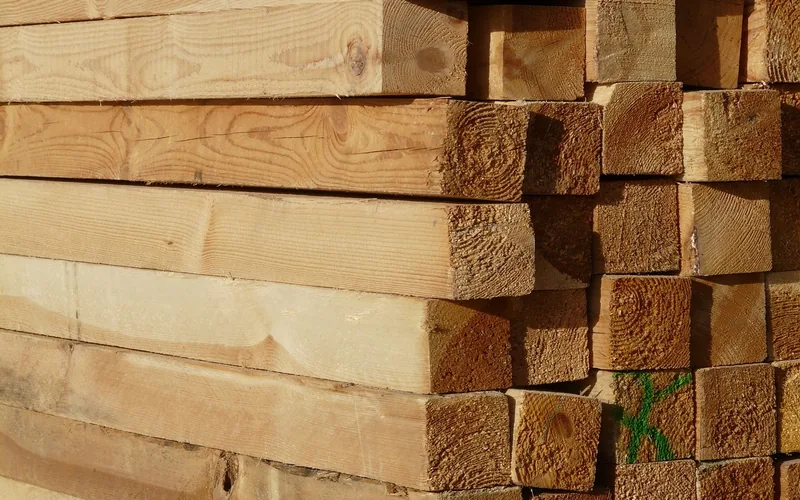
CCA was patented in 1934 and dominated the U.S. residential lumber market from 1975 through 2003. It’s a genuinely effective wood preservative — chromium and copper fight fungus and insects, while arsenic adds broad-spectrum toxicity. That same toxicity is the problem for birds.
Arsenic leaches out of CCA-treated wood faster when it’s wet, cut, or sanded — exactly the conditions inside an outdoor nest box that gets rained on and pecked at. The wood treatment industry voluntarily stopped selling CCA-treated lumber for homeowner use on December 31, 2003, after the EPA raised concerns about arsenic exposure.
📊 CCA-treated wood has been restricted to commercial uses only (utility poles, pilings, permanent foundations) since the December 31, 2003 residential phase-out. — Source: U.S. EPA, Chromated Arsenicals (CCA)
The catch: CCA-treated wood already installed before 2003 wasn’t required to come down. If you’re building a birdhouse from reclaimed deck boards, old fence pickets, or leftover lumber from a pre-2004 project, assume it’s CCA unless you know otherwise. Never burn scrap you suspect is CCA-treated — burning concentrates the arsenic into the ash and smoke.
Is Modern ACQ or Copper Azole Wood Actually Safe for Birdhouses?
Modern pressure-treated lumber (ACQ, copper azole, micronized copper azole) contains no arsenic. The active ingredient is copper, plus a smaller amount of an organic co-biocide. Copper is a required trace mineral for most animals in tiny amounts, and the EPA considers casual-contact risk to humans and pets minimal.
That’s not the same as “safe for a nest box.” Copper still leaches out of treated wood when it gets wet, and copper is highly toxic to fish and aquatic insects even in small concentrations — which matters if a birdhouse drains near a pond, gutter, or garden bed.
“Less toxic doesn’t mean non-toxic.”
That caution matters because no peer-reviewed study has actually tested modern treated wood on eggs or nestlings confined in a box for weeks at a time — the research gap runs in both directions, but it means “probably fine” is currently an assumption, not a confirmed result.
A cavity-nesting bird is a species — bluebirds, chickadees, wrens, and similar — that raises its young inside an enclosed box or hole rather than an open nest. Parents and chicks stay in direct, prolonged contact with the interior walls for the entire nesting cycle, which is why “safe enough for a deck” doesn’t automatically mean “safe enough for a nest box.”
Until that research exists, treating modern pressure-treated wood as “probably fine, but why risk it” — not a confirmed-safe material — is the more honest position than either extreme.
How to Tell If a Board Is Pressure-Treated (or How Old It Is)
- Check the end tag: Lumber sold as pressure-treated carries a stamped or printed tag naming the retention chemical (look for “ACQ,” “CA-B,” “CA-C,” or “MCA”) and an ICC-ES or AWPA certification mark.
- Look for incising marks: Many treated boards have small, uniform slits cut into the surface to help preservative penetrate — untreated lumber doesn’t have these.
- Check the color: Fresh ACQ and copper azole lumber often has a faint green or brown tint, though newer micronized formulas are treated to look more natural.
- Assume older reused lumber is CCA: If a board came from a structure built before 2004 and has no visible tag, treat it as CCA and don’t use it for a birdhouse.
- When in doubt, buy new untreated stock: A cedar or pine board marked “kiln-dried” with no treatment tag removes the guesswork entirely.
Best Untreated Wood Alternatives for Bird Houses
Cedar is the most common choice for a reason — its natural oils resist rot and insects without any added chemicals, and it holds up outdoors for 10–15+ years untreated. Redwood offers similar natural durability. Both cost more than treated lumber but need zero chemical treatment to last.
Untreated pine is the budget option — cheap and easy to find, but it will need repainting, resealing, or full replacement sooner (often within 3–5 years) since it has no natural rot resistance. For a full side-by-side on lifespan, see our cedar vs. treated wood comparison.
If you want to extend the life of any untreated wood without introducing chemicals birds could contact, finish only the exterior surfaces — never the inside of the nest chamber — with a food-safe oil like pure tung oil or beeswax, and let it cure fully (several days, not hours) before installing the box outdoors.
Designing a Bird-Safe House: Ventilation, Drainage, and Safe Finishes
Beyond the wood itself, a handful of design details matter as much as the material. Drill a few small ventilation gaps under the roofline so the box doesn’t overheat in summer, and cut 2–4 small drainage holes in the floor so rainwater doesn’t pool where eggs sit.
Sand any cut edges and the entry hole smooth — splinters and rough plywood edges injure adults squeezing in and out dozens of times a day. Size the entry hole to the species you’re hoping to attract; too large an opening invites predators and competing birds. For measurements and cut lists by species, see our free birdhouse plans.
Never paint or treat the inside of the nest chamber with anything — leave it bare wood. If you finish the exterior at all, keep it to a light, breathable natural oil and avoid glossy paints or sealants that trap moisture inside.
Pressure-Treated Wood vs. Untreated Alternatives: Quick Comparison
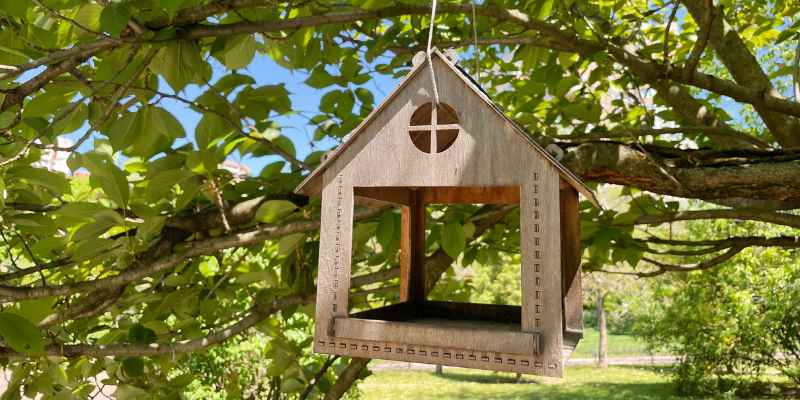
| Material | Contains | Birdhouse-Safe? | Best For |
|---|---|---|---|
| CCA-Treated (pre-2004) | Chromium, copper, arsenic | No — avoid entirely | Never use for birdhouses |
| ACQ / Copper Azole (2004+) | Copper-based, no arsenic | Caution — unproven for nest chambers | Framing, decks — not nest interiors |
| Cedar (untreated) | Natural oils, no chemicals | Yes | Best overall birdhouse material |
| Redwood (untreated) | Natural tannins | Yes | Long-lasting alternative to cedar |
| Pine (untreated) | None | Yes, shorter lifespan | Budget builds, replace every few years |
Frequently Asked Questions
Is pressure-treated wood safe for birds?
It depends on the era. Pre-2004 CCA-treated wood is not safe — it contains arsenic that leaches into the nest cavity. Modern ACQ or copper azole wood (sold since 2004) is arsenic-free and lower risk, but no study has tested it specifically on nesting birds, so untreated cedar or pine remains the safer default.
What’s the difference between old and new pressure-treated wood?
Wood treated before December 31, 2003 almost always used chromated copper arsenate (CCA), which contains arsenic. Lumber treated since 2004 uses arsenic-free alternatives like ACQ or copper azole. The switch happened industry-wide, so the age of the lumber — not just the fact that it’s “treated” — determines the actual risk.
Can you use pressure-treated wood for a bird feeder platform instead of a nest box?
The risk is lower but not zero. A feeding platform doesn’t confine a bird for weeks the way a nest cavity does, so brief perching contact is less concerning than prolonged enclosure. Even so, untreated cedar or pine is the safer choice for any surface birds will peck at directly, including feeder trays.
How can you tell if a piece of wood is pressure-treated?
Check the end for a stamped tag listing the retention chemical (ACQ, CA-B, CA-C, or MCA) and a certification mark. Treated boards also often have small incising slits and a faint green or brown tint. Reused lumber with no visible tag from a structure built before 2004 should be treated as CCA and avoided.
What is the safest wood for a birdhouse?
Untreated cedar is the most common recommendation — it naturally resists rot and insects without chemical treatment and typically lasts 10 to 15 years outdoors. Redwood performs similarly. Untreated pine is a safe, budget-friendly option that simply needs replacing sooner.
Conclusion
Choosing wood for a birdhouse comes down to one real distinction: how old the treatment is, not whether the label says “pressure-treated.” Pre-2004 CCA lumber contains arsenic and has no place in a nest box. Modern ACQ and copper azole formulas are arsenic-free, but the research on nesting birds simply doesn’t exist yet, so untreated cedar, redwood, or pine remains the safer, better-tested choice for any wood a bird will spend its life inside.
Sponsored / affiliate links. As an Amazon Associate I earn from qualifying purchases. I may earn additional commission from eligible campaigns.