Pressure Treated Lumber Steps: Riser, Tread & Grade Rules
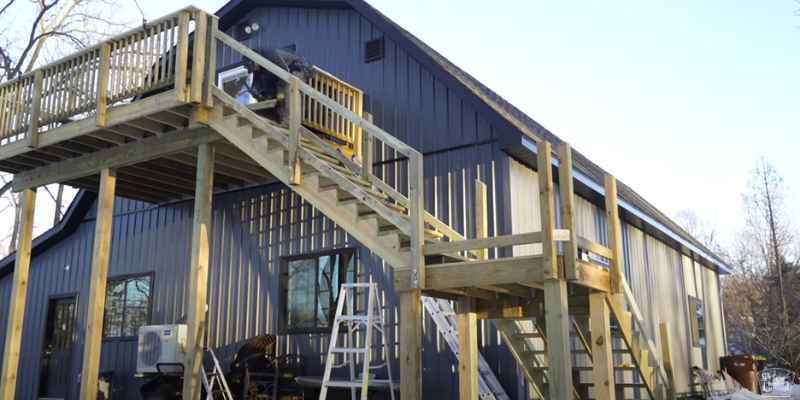
Pressure-treated lumber steps need ground-contact (UC4A) rated stock for any stringer touching soil or concrete — the above-ground (UC3B) grade sold for railings isn’t rated for that connection and can rot within a few years. IRC R311.7 caps risers at 7-3/4 inches, sets a 10-inch minimum tread, and requires stringers to keep at least 3-1/2 inches of solid wood after notching. This guide covers grade selection, exact code numbers, stringer layout, and fasteners.
What You’ll Need
Best Stair Stringer Connector Pick
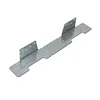
Simpson Strong-Tie LSCZ LSC 18-Gauge ZMAX Galvanized Adjustable Stringer Connect
A galvanized adjustable bracket that replaces toe-nailing with a code-recognized mechanical connection between the stringer and the deck frame.
- Best for: Attaching stringers to a rim joist or ledger without notching a seat cut
- Why we picked it: ZMAX galvanized coating matches the corrosion resistance ACQ-treated stringers need
- Main drawback: Needs a 2×10 or 2×12 header/rim board to seat against — not for freestanding stringers
Compare more stair-stringer fastener options
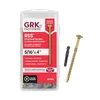 Option 1 GRK Fasteners RSS™ 5/16 x 4 Rugged Structural Framing Screws, 25 PCS
|
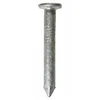 Option 2 Simpson Strong Tie N10D5HDG Structural Connector 1-1/2-Inch by .148-In
|
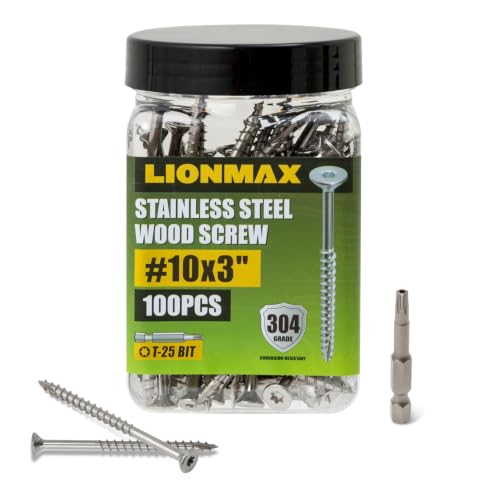
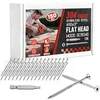 Option 3 #10×3 Inch 304 Stainless Steel Deck Screws 150 PCS – Corrosion-Resista
|
As an Amazon Associate we earn from qualifying purchases.
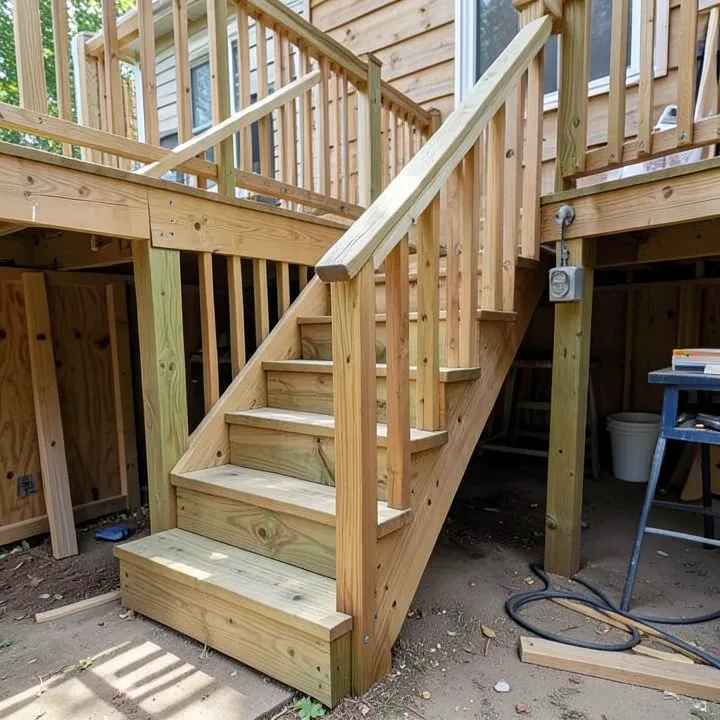
A basic outdoor stair build uses these materials and tools:
- 2×12 ground-contact (UC4A) rated pressure-treated lumber for stringers
- 2×6 or 5/4 pressure-treated boards for treads
- 1×8 or 2×8 pressure-treated boards for risers (optional, open stringers skip this)
- Framing square and stair gauges
- Circular saw and jigsaw
- Adjustable stair-stringer connectors or joist hanger hardware
- Hot-dip galvanized or stainless structural screws/nails
- Copper-naphthenate end-cut sealer
- Level, tape measure, safety glasses and gloves
These numbers apply to exterior stairs. Pressure-treated lumber used indoors follows different handling rules, and not every species treats or performs the same way — Douglas fir, for example, accepts preservative less readily than southern yellow pine. Grade stamps also carry a separate lumber-grading mark alongside the use-category rating — see our guide on what an SPIB No. 2 stamp means if you’re unsure how to read one.
What Grade of Pressure-Treated Lumber Do Stair Stringers Need?
Ground-contact (UC4A) lumber is pressure-treated wood rated by the American Wood Protection Association for direct, continuous contact with soil, concrete, or fresh water. It carries roughly 2.5 times the preservative retention of above-ground (UC3B) stock, which is only rated for wood that stays dry and off the ground.
Most home centers shelve pressure-treated 2×12s together without separating grade — the only way to tell them apart is the small ink stamp on the board itself. That matters directly for stairs: if a stringer’s bottom notch will rest on a concrete pad, footing, or bare soil, code requires ground-contact (UC4A) lumber. Above-ground (UC3B) is fine for treads, risers, and railings that stay off the ground, but it is not the right grade for a stringer sitting on concrete.
| Grade | Rated For | Use on Stair Stringers? |
|---|---|---|
| Above-Ground (UC3B) | Treads, risers, railings — anything that stays off the ground and dries between rains | Only if the stringer sits on a raised metal base — never on soil or concrete |
| Ground Contact (UC4A) | Stringers resting on a slab/footing, deck posts, anything touching soil or concrete | Yes — required wherever the stringer contacts concrete or soil |
📊 AWPA UC4A lumber carries roughly 0.40 lb/ft³ of preservative retention for southern pine, versus about 0.15 lb/ft³ for UC3B — nearly 2.7x more chemical protection where a stringer actually needs it. Source: American Wood Protection Association, Use Category System (U1 Standard).
“I’ve replaced more than one stair stringer that rotted through in under five years because the original build used standard above-ground treated lumber where the bottom of the stringer sat directly on a concrete pad. Ground-contact stock costs maybe a dollar or two more per board — it’s the cheapest insurance you’ll buy on a stair project.”
— Md Meraj, Woodworking Advisor
For a full breakdown of where ground-contact lumber is required beyond stair stringers — posts, footings, ledgers — see our complete ground-contact pressure-treated wood guide.
IRC Code Numbers for Pressure-Treated Steps
These are the core numbers from IRC R311.7 that apply to most exterior wood stairs, including pressure-treated deck and porch steps. Always confirm with your local building department — some jurisdictions amend the base IRC numbers.
| Code Element | IRC R311.7 Requirement |
|---|---|
| Max riser height | 7-3/4″ (196mm) |
| Min tread depth | 10″ (254mm) |
| Riser/tread uniformity | Largest and smallest can differ by no more than 3/8″ |
| Min. net stringer section after notching | 3-1/2″ of solid wood must remain at the deepest cut |
| Stringers required | One per 16″ of stair width, 2 minimum |
| Max stringer spacing | 36″ on-center (40″ allowed with nominal 4″-thick treads) |
| Handrail required | Any stairway with 4+ risers, mounted 34″–38″ above the nosing |
| Guard/baluster opening | 4-3/8″ max between balusters on stairs; triangular gap under the guard can’t pass a 6″ sphere |
Choosing Fasteners for Pressure-Treated Stair Stringers
Modern pressure-treated lumber uses copper-based preservatives (ACQ or copper azole), and that copper reacts with standard carbon-steel fasteners — the coating wears through and the fastener rusts, staining the wood and losing holding power. Use only hot-dip galvanized or stainless steel fasteners rated for ACQ contact.
Toe-nailing a stringer to the deck frame is not enough on its own. Use an approved connector — an adjustable stair-stringer bracket or joist-hanger-style hardware — fastened with structural screws or hot-dip galvanized joist hanger nails, then attach treads with corrosion-resistant deck screws.
How to Build Pressure-Treated Stair Stringers
- Calculate total rise and run: Measure the total vertical rise from the landing to the deck surface, then divide by a target riser height between 7 and 7-3/4 inches to get the number of risers. Divide the number of treads (one fewer than risers) into your available run to get tread depth — keep it at 10 inches or more.
- Choose ground-contact rated 2×12 stock: Buy 2×12 pressure-treated lumber stamped ground-contact (UC4A) for every stringer that will touch concrete or soil at the bottom. Sight down each board and reject any with excessive crown or knots near the notch lines.
- Lay out the pattern with a framing square: Set stair gauges on a framing square to your calculated riser height and tread depth, then trace the saw-tooth pattern down the board, leaving the 3-1/2-inch minimum below each notch.
- Cut the stringers: Use a circular saw for the long, straight cuts and stop just short of the inside corner to avoid weakening the board, then finish each inside corner with a jigsaw or handsaw.
- Test-fit against the deck rim joist or landing: Set the stringers in place and confirm they sit level and plumb, with the bottom resting on a stable surface — concrete pad, footing, or pavers, never bare dirt.
- Install stringer connectors: Attach each stringer to the deck frame with an adjustable stair-stringer connector or joist-hanger-style bracket, fastened with hot-dip galvanized or stainless structural screws or joist hanger nails.
- Attach treads and risers: Fasten treads with corrosion-resistant deck screws, leaving a 1/8 to 3/16-inch gap between boards for drainage and seasonal expansion.
- Seal every cut end: Factory treatment doesn’t penetrate a fresh cut. Brush a copper-naphthenate end-cut sealer on every stringer notch and board end before or immediately after installation.
How Many Stringers Do You Need?
IRC R311.7.1 caps the spacing between stringers at 36 inches on-center (40 inches if the treads are a nominal 4 inches thick), with a minimum of two stringers regardless of width. The simplest field rule: divide your stair width by 16 and round up. A 36-inch-wide staircase needs 3 stringers (36 ÷ 16 = 2.25, rounded up to 3); a 48-inch staircase needs 3 as well (48 ÷ 16 = 3 exactly). Add one extra stringer if the treads feel springy when you walk the mock-up.
Common Mistakes to Avoid
- Using above-ground (UC3B) lumber where ground-contact (UC4A) is required — the single most common cause of early stringer rot.
- Skipping cut-end sealer — every notch and cut edge exposes untreated wood at the core.
- Undersized stringers — a 2×10 rarely leaves the required 3-1/2 inches of solid wood after notching; use 2×12.
- Standard steel fasteners on ACQ-treated wood — they corrode within a year or two and stain the wood.
- Ignoring the 3/8-inch uniformity tolerance — uneven risers are a documented trip hazard and a common inspection failure.
- Installing wet PT lumber with no expansion gap — treated wood shrinks as it dries; tight-fit boards cup and crack.
How Long Do Pressure-Treated Steps Last?
Properly built pressure-treated steps typically last 15 to 25 years, with ground-contact-rated stringers on the long end of that range and misapplied above-ground lumber failing much sooner. Let new PT lumber dry before sealing or staining — it usually needs several weeks to a few months depending on climate — then reseal every 2 to 3 years, especially on treads that see direct sun and rain.
For a deeper look at expected lifespan by application, see our full breakdown of how long pressure-treated wood lasts on a deck.
Frequently Asked Questions
What is pressure treated lumber?
Pressure treated lumber is wood that has had preservative chemicals (typically ACQ or copper azole) forced into its fibers under high pressure. That treatment resists rot, fungal decay, and insect damage, which is why it is the standard material for outdoor steps, stringers, and deck framing.
What grade of pressure-treated lumber do stair stringers need?
Stair stringers need ground-contact (UC4A) rated lumber wherever the stringer touches soil, concrete, or a footing. Above-ground (UC3B) lumber, the grade commonly sold for railings and treads, is not rated for that contact and can fail years earlier than UC4A stock in the same spot.
How many stringers do I need for deck stairs?
Use one stringer for every 16 inches of stair width, with 2 as the minimum. A 36-inch-wide staircase needs 3 stringers (36 ÷ 16 = 2.25, rounded up). IRC R311.7 allows up to 36 inches between stringers, or 40 inches if the treads are a nominal 4 inches thick.
Can I use 2×10 lumber for stair stringers instead of 2×12?
No. After the tread and riser notches are cut, code requires at least 3-1/2 inches of solid wood remaining at the deepest point of the cut. A 2×10 typically doesn’t leave enough material after notching, which is why 2×12 is the standard size for cut stringers.
Should I use nails or screws for stair stringers?
Attach stringers to the deck frame with an approved connector — an adjustable stair-stringer bracket or joist-hanger hardware — fastened with structural screws or hot-dip galvanized joist hanger nails, not toe-nails alone. Always use hot-dip galvanized or stainless fasteners; standard steel corrodes quickly against ACQ-treated wood.
How long do pressure-treated stair steps last outdoors?
Properly built pressure-treated steps typically last 15 to 25 years, depending on climate, ground contact, and maintenance. Sealing cut ends at installation and resealing the wood every 2 to 3 years both extend that lifespan; skipping ground-contact-grade lumber where it’s required is the most common reason stairs fail early.
Conclusion
Pressure-treated lumber steps hold up for decades when the grade matches the application — ground-contact (UC4A) wherever the stringer touches concrete or soil, 2×12 stock for the stringers themselves, and code-correct riser, tread, and stringer-spacing numbers. Get the grade and the fasteners right and the rest of the build is straightforward carpentry.
For more on choosing, cutting, and maintaining treated lumber across other outdoor projects, browse our full treated wood guide hub.
Sponsored / affiliate links. As an Amazon Associate I earn from qualifying purchases. I may earn additional commission from eligible campaigns.