23/32 Vs 3/4 Plywood: Which is Best for Your Project?
When you’re diving into a home improvement project or a new piece of furniture, choosing the right materials can feel overwhelming. One of the key decisions you face is selecting the right type of plywood.
You might have come across the terms 23/32 and 3/4 plywood, and wondered what they mean for your project. Do these numbers make a difference, or are they just a matter of preference? Understanding the nuances between these two types of plywood can impact the strength, durability, and even the cost of your project.
You want to make sure you’re making the most informed decision possible. Whether you’re aiming for a sturdy floor, a reliable roof, or a beautiful piece of furniture, this guide will help you make the best choice. Stick around to discover how these seemingly small details can make a big difference in your work.

Credit: www.reddit.com
Plywood Thickness Explained
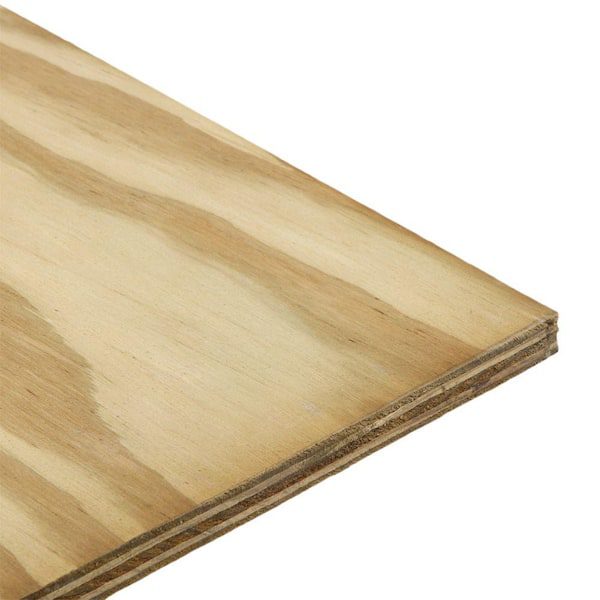
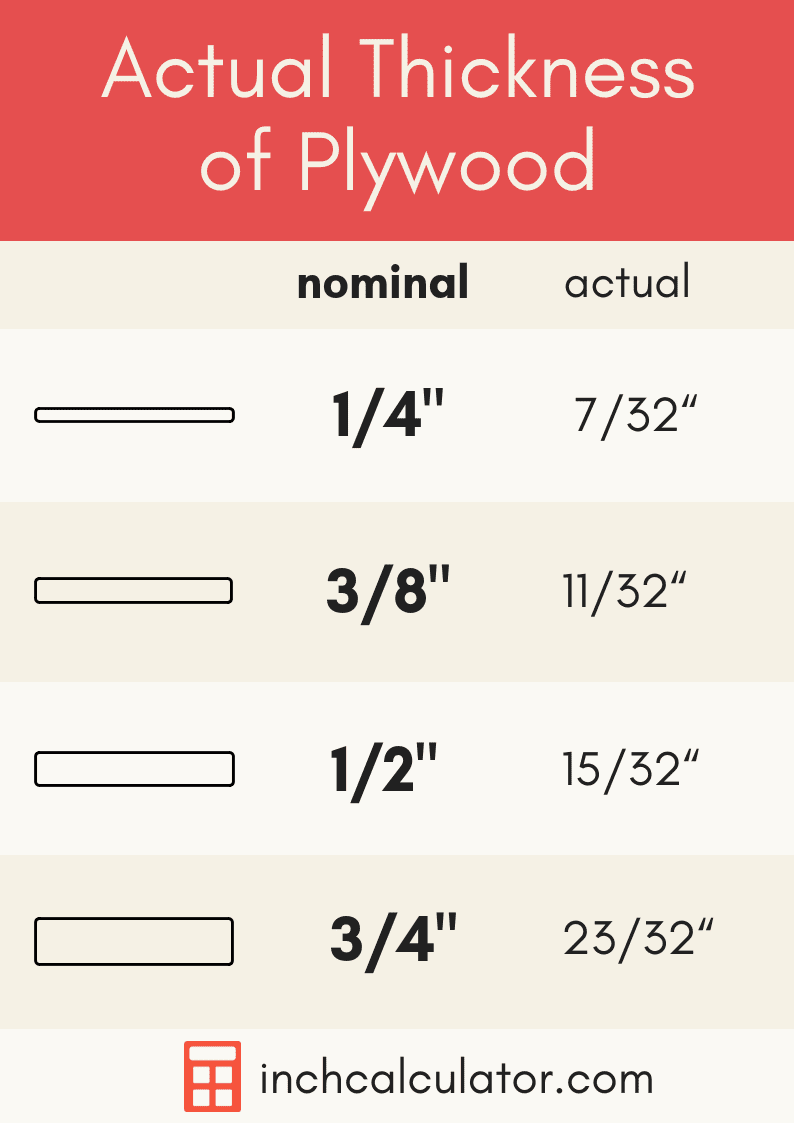
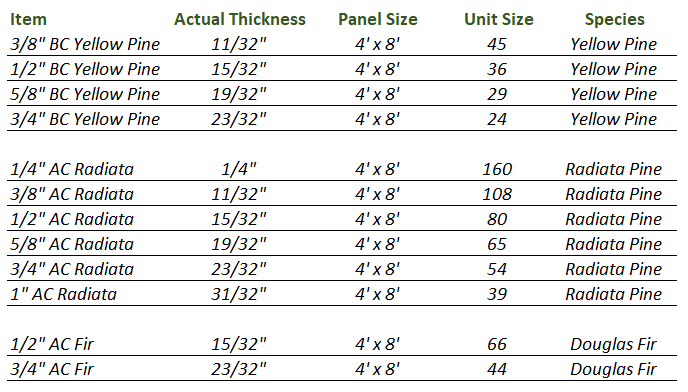
Plywood is a popular material. It comes in different thicknesses. The thickness is measured in fractions. Common sizes include 23/32 and 3/4 inches. These numbers seem close. But they matter a lot in building. 23/32 is just a bit less than 3/4. Builders often choose based on need. Some projects need exact sizes. Others can be more flexible.
Choosing the right thickness is important. It affects strength and durability. Thick plywood is stronger. It can hold more weight. Thin plywood is lighter. It is easier to cut. Each has its own use. For floors, thicker is better. For cabinets, thinner might work. Always check what your project needs. This ensures safety and quality. Picking the right size helps avoid problems.
23/32 Plywood Features
23/32 plywood is used in many projects. It is great for flooring. Builders use it for roof decking. It supports walls well. People use it in furniture making. It is strong and reliable. Cabinet makers like it too. It is easy to cut and shape. Good for shelves and tables.
Pros include its strength and durability. It holds weight well. It is less likely to break. It is affordable for most people. Cons are its weight. It can be heavy to lift. It might need extra support. Some people find it hard to work with. It is not very water-resistant. It can swell if wet.
3/4 Plywood Characteristics
3/4 plywood is used for floors, walls, and furniture. Builders love it. It’s strong and durable. Perfect for cabinets and shelves. Many use it for home projects. Easy to paint or stain. Great for outdoor use too. Keeps its shape well. It’s a favorite in construction.
Advantages include strength and versatility. It’s easy to work with. Cuts smoothly with tools. Holds screws and nails well. Disadvantages are its weight and cost. Heavy to move around. More expensive than thinner options. Not ideal for ceiling use. Can swell with water exposure. Needs proper sealing.
Credit: www.gclumber.com
Cost Comparison
Choosing between 23/32 and 3/4 plywood impacts cost. 23/32 is typically cheaper, suitable for basic projects. 3/4 offers better durability and strength, justifying its higher price for heavy-duty uses.
Price Differences
The price of 23/32 plywood is often lower than 3/4 plywood. This is because 23/32 is slightly thinner. It uses less material. For people on a budget, 23/32 plywood is a good choice. It offers strong value. Yet, 3/4 plywood is thicker. It can be more durable. This might be a better choice for some projects.
Value For Money
Quality and cost are important. 23/32 plywood offers good quality at a lower price. This makes it a popular choice. But, for heavy-duty needs, 3/4 plywood might be better. It is stronger. It can support more weight. Consider your project’s needs. Choose what fits your budget and purpose best.
Durability And Strength
Plywood is strong and can hold heavy items. The 3/4 inch plywood is slightly thicker than 23/32 inch. This gives it a bit more strength. Both types can support heavy loads. But, 3/4 inch can handle more weight. Builders often choose the thicker plywood for floors. It helps floors stay steady and safe.
Plywood is used in many projects. It is tough against scratches and bumps. The 23/32 plywood is good for many uses. It resists wear well. 3/4 inch plywood lasts even longer. It can handle more rough use. This makes it great for high-traffic areas. Both types are reliable and strong.
Ease Of Installation
Plywood sheets are often large and heavy. They require careful handling. 23/32 plywood is slightly lighter than 3/4 plywood. This makes it easier to move around. Cutting plywood needs a good saw. Both types cut easily with the right tools. A clean cut is important for a good fit. When cutting, make sure to wear safety gear. Dust can be harmful. Measure twice before cutting. This avoids mistakes.
Installing plywood takes time and patience. 23/32 plywood may take less time to install. It fits well in many spaces. 3/4 plywood provides strong support. It might need more effort. Proper alignment is key. Plywood must sit flat and even. Always check for gaps. Secure with screws or nails. This keeps it stable. Plan before starting. This helps finish faster.
Suitability For Different Projects
23/32 plywood is often chosen for indoor work. It is sturdy and reliable for floors and walls. It holds weight well, making it a good choice for rooms inside the house. 3/4 plywood is similar but slightly thicker. This can make it better for outdoor projects. It can handle the weather better. It is less likely to warp or bend. So, it is often used for outdoor furniture or sheds.
For an indoor bookshelf, 23/32 plywood is a good pick. It supports books and looks nice. For a garden bench, 3/4 plywood is stronger. It can last longer outside. A doghouse can use either type. But 3/4 plywood will last longer in rain. Choose based on where your project will be. This helps in making the right choice.

Credit: www.reddit.com
Frequently Asked Questions
Is 23/32 Equivalent To Three Quarter Inch Plywood?
23/32 inch is slightly thinner than three-quarter inch plywood. 23/32 inch equals 0. 71875 inches, while three-quarter inch equals 0. 75 inches. They are often used interchangeably in construction, but they are not exactly the same thickness.
Is 23/32 The Same As 3/4?
No, 23/32 is not the same as 3/4. Simplify both fractions to compare them. 23/32 is approximately 0. 71875, while 3/4 equals 0. 75. They are close but not equal.
Is Subfloor 3/4 Or 23/32?
Subfloor thickness often measures either 3/4 inch or 23/32 inch. Both options are commonly used in construction. Choose based on specific building codes and structural requirements for optimal performance. Ensure installation aligns with these standards for durability and efficiency.
What Is 23 32 Plywood Used For?
23/32 plywood is commonly used for subflooring in construction. It provides strong, stable support for flooring materials. Builders also use it for roof decking and wall sheathing. This plywood ensures durability and resistance to warping. It is ideal for areas requiring sturdy, reliable structural components.
Conclusion
Choosing between 23/32 and 3/4 plywood depends on your project needs. Both options offer strength and durability. 23/32 plywood is slightly thinner but still robust. It’s great for lightweight applications. 3/4 plywood provides extra thickness. Perfect for heavy-duty use. Consider cost and availability too.
Think about the environment where you’ll use the plywood. Both types serve well in different situations. Your choice impacts project success. Pick wisely based on your specific requirements. Ensure your materials match your project goals. This decision affects the final outcome.
Always prioritize quality and suitability.