Is Plywood Toxic to Burn? What’s Actually in the Smoke
Yes, burning plywood is toxic. The urea-formaldehyde or phenol-formaldehyde resin that bonds its veneer layers releases formaldehyde gas and other harmful compounds once it’s exposed to flame.
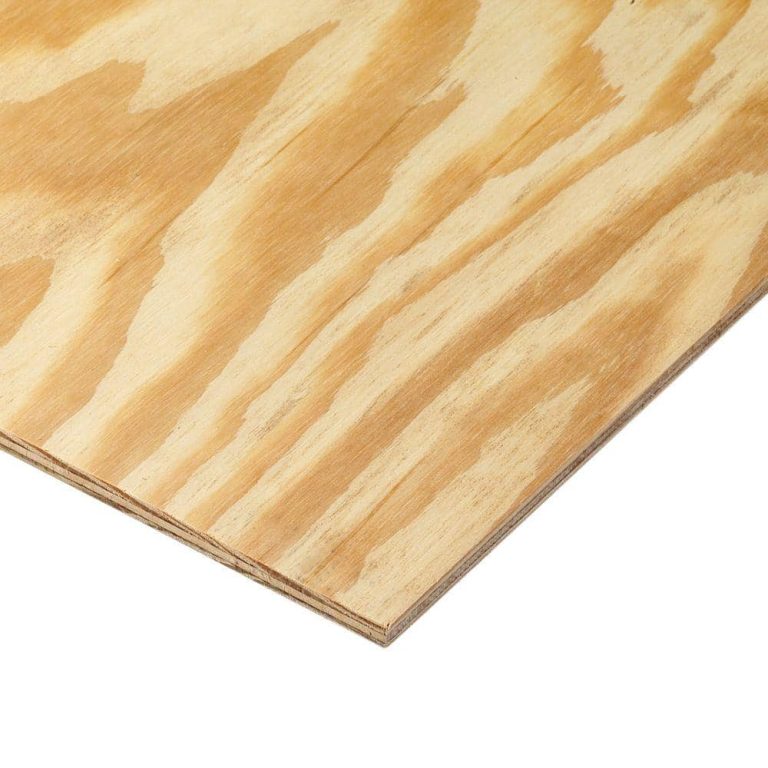
That’s the short answer, but it undersells how the toxicity actually works. Plywood isn’t solid wood — it’s thin wood veneers glued together under heat and pressure, and that glue is the real source of the danger. Below is what’s actually in the resin, what combustion turns it into, how that compares to real exposure limits set by OSHA, and what to do with plywood scraps instead of burning them.
What’s Actually in Plywood’s Glue
Best Respirator For Plywood Dust & Fumes
 |
3M OV/P100 Multi-Purpose Respirator 65021 – $32.99 If you cut, sand, or handle plywood regularly, this half-face respirator filters the wood dust and the organic vapors (including formaldehyde) that its resin sheds during normal shop work — protection burning plywood outdoors simply can’t give you.
|
Most interior-grade plywood sold for furniture and cabinetry uses a urea-formaldehyde (UF) resin. It’s cheap, cures quickly, and holds up fine indoors, but it isn’t very water- or heat-stable. Exterior and marine-grade plywood generally switches to phenol-formaldehyde (PF) resin instead, which is more heat- and moisture-resistant but still built around the same base chemical.
Formaldehyde itself is classified by the International Agency for Research on Cancer as a Group 1 carcinogen, meaning there’s sufficient evidence it causes cancer in humans at high enough exposure. That classification is about long-term occupational exposure, not a single afternoon near a fire, but it’s the reason formaldehyde emissions from composite wood products are regulated at all, both in finished furniture and in how plywood is manufactured.
What Happens When Plywood Actually Burns
Combustion doesn’t just release the formaldehyde that was already in the resin — heat breaks the resin’s chemical bonds apart and creates new compounds in the process. Along with formaldehyde gas, burning plywood produces volatile organic compounds like acrolein and benzene, both recognized irritants, plus fine particulate matter from the wood itself. If the resin or any surface coating contains nitrogen compounds, combustion can also generate nitrogen oxides.
Painted, stained, or pressure-treated plywood adds another layer of risk. Older pressure-treated lumber sometimes used chromated copper arsenate, and burning any treated wood can release the treatment chemicals along with the resin byproducts. If you don’t know how a piece of plywood was finished or treated, treat it as unsafe to burn rather than assuming it’s just “wood.”
A common assumption is that burning plywood is basically the same as burning firewood, just a little faster. It isn’t. A split log of seasoned firewood is solid wood all the way through — no adhesive, no resin layer, nothing extra to break down. Plywood is wood veneer stacked with a synthetic resin between every single layer, so a sheet the same thickness as that log has dozens of thin glue lines running through it. Burn the log and you get wood smoke. Burn the plywood and you get wood smoke plus whatever that resin turns into at combustion temperatures — which is the formaldehyde, VOCs, and particulate matter covered below.
How Much Formaldehyde Is Actually Dangerous
OSHA’s workplace standard sets the permissible exposure limit (PEL) at 0.75 ppm averaged over an 8-hour shift, with a short-term exposure limit (STEL) of 2 ppm over any 15-minute period. The “action level” — the point at which OSHA requires increased monitoring — is 0.5 ppm as an 8-hour average. Those numbers were built for controlled industrial settings with monitoring equipment, not backyard fires, but they’re a useful reference point for how little formaldehyde it actually takes to matter.
| Exposure Level | What It Means |
|---|---|
| 0.5 ppm (8-hr average) | OSHA action level — triggers required workplace air monitoring |
| 0.75 ppm (8-hr average) | OSHA permissible exposure limit (PEL) |
| 2 ppm (15-min window) | OSHA short-term exposure limit (STEL) |
A single small fire in an open, well-ventilated area is unlikely to put someone standing several feet back anywhere near those numbers for long. The real risk comes from sustained exposure: burning plywood repeatedly in the same spot, burning it in an enclosed or poorly ventilated area, or standing directly downwind of the smoke for an extended period.
Health Symptoms From Breathing Plywood Smoke
Short-term exposure to formaldehyde and the other compounds in plywood smoke typically shows up as eye, nose, and throat irritation, coughing, and headaches — the same symptoms you’d get from any strong chemical fume. Those symptoms usually clear up once you’re away from the smoke and back in fresh air.
| Exposure Duration | Typical Symptoms |
|---|---|
| Short-term (single exposure) | Eye and throat irritation, coughing, headache, nausea |
| Repeated or long-term | Chronic respiratory irritation, worsened asthma, increased cancer risk with sustained occupational-level exposure |
Repeated or heavy exposure is where the more serious risks show up: chronic respiratory irritation, aggravated asthma, and — at sustained, occupational-level exposure — an increased cancer risk tied to formaldehyde’s Group 1 classification. Children, older adults, and anyone with existing respiratory conditions are more sensitive to even short-term exposure.
Is It Actually Legal to Burn Plywood?
This is a separate question from toxicity, and the answer depends entirely on where you live. Most states and municipalities restrict or ban open burning of construction debris — including glued wood products like plywood — under local air-quality and fire-code ordinances, but the specific rules, permit requirements, and exceptions vary widely by state and even by county. We cover the legal side in detail, state by state, in our full guide to whether you can burn plywood. The short version: check your local fire authority before burning any plywood, treated or not.
Safer Ways to Get Rid of Plywood Scraps
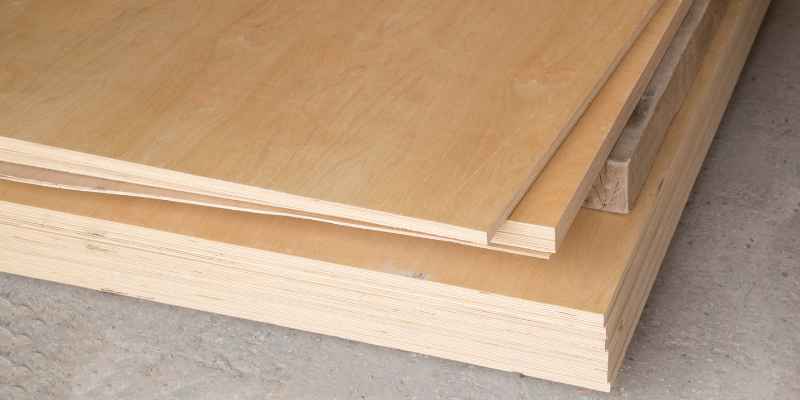
Recycling is the best option where it’s available. Many construction-material recycling centers and some municipal wood-waste programs accept plywood and chip it down for use in particleboard, mulch, or other engineered wood products.
Other disposal options worth checking first:
- Donate usable offcuts to a school shop program, makerspace, or community woodworking group
- Repurpose smaller pieces for shop jigs, shelving, or craft projects instead of throwing them out
- Ask local construction or demolition companies whether they run a wood-recycling program you can drop scraps at
- Landfill disposal as a last resort, following your local waste authority’s rules for construction debris
Any of these keeps the resin’s formaldehyde out of the air entirely, which is the real advantage over burning — there’s no exposure limit to worry about if the plywood never gets set on fire in the first place.
Frequently Asked Questions
Is It Safe to Burn Plywood in a Fireplace or Wood Stove?
It’s not a good idea. Unlike a split log, every layer in a sheet of plywood is held together with synthetic resin, and an indoor appliance traps whatever that resin gives off in the same room you’re standing in. On top of the air-quality issue, the resin tends to leave behind more creosote-like residue in a flue than plain firewood does, which is a chimney-fire risk over time. A wood stove or fireplace should stick to seasoned, untreated firewood.
What Exactly Makes Plywood Smoke Toxic?
The glue is the culprit, not the wood grain. As the resin between plywood’s veneer layers hits combustion temperature, it breaks apart and gives off formaldehyde gas, along with irritant compounds like acrolein and benzene and a load of fine particulate matter. Painted, stained, or pressure-treated sheets can throw additional substances into that mix, since whatever was on or in the wood burns along with it.
How Much Formaldehyde Exposure Is Actually Dangerous?
Federal workplace rules cap continuous exposure at 0.75 ppm over an 8-hour shift and allow no more than 2 ppm in any single 15-minute stretch, with monitoring required once levels pass roughly 0.5 ppm. Those thresholds were designed for factory floors, not campfires, but they show how little it takes to matter. Someone standing well back from a small, open-air fire probably isn’t near those numbers; someone downwind of a smoldering burn pile, or breathing smoke indoors, can get there fast — particularly kids, older adults, and anyone with asthma.
What’s the Safest Way to Get Rid of Plywood Scraps?
Skip the fire altogether. A construction-debris recycling center or a municipal wood-waste drop-off will usually take plywood off your hands and chip it into particleboard or mulch instead of ash. If a piece is still in good shape, a school shop class, makerspace, or local rebuild charity is often happy to take it as a donation, and only the odd unusable scrap should end up going to the landfill.
Conclusion
Plywood is toxic to burn because of what holds it together, not the wood itself. The formaldehyde-based resin in its veneer layers releases formaldehyde gas and other harmful byproducts once it’s exposed to flame, and that risk goes up with painted, stained, or treated plywood. Recycling or donating scraps avoids the exposure question entirely, and if you’re cutting or sanding plywood regularly in a shop, a NIOSH-approved respirator handles the dust and vapor risk that burning it can’t solve.
Sponsored / affiliate links. As an Amazon Associate I earn from qualifying purchases. I may earn additional commission from eligible campaigns.