4×8 Plywood Cheap: Real 2026 Prices By Grade (Plus Hidden Fees)
A 4×8 sheet of plywood runs $25-$100+ depending on grade and thickness, but the “cheap” price on the sign is rarely the price you pay at checkout. Cut fees, delivery charges, and grade upsells routinely add $15-$60 to a single sheet. This guide breaks down real 2026 prices by grade, shows you where the hidden costs come from, and gives five ways to legitimately cut your bill.
What a 4×8 Sheet of Plywood Actually Costs in 2026
Half-inch CDX or C-D grade pine plywood, the construction-grade sheet used for sheathing, subfloors, and shop projects, typically runs $25 to $40 at Home Depot, $28 to $35 at Lowe’s, and around $29.80 at Menards. That’s the sheet most people mean when they say “cheap plywood.” Step up to a birch-faced or A-grade sheet, the kind you’d want visible in a bookshelf or cabinet, and the price jumps to $45-$65. Full 3/4-inch sheets in the same grades run roughly 40-70% higher than their 1/2-inch counterparts because you’re paying for nearly double the wood volume and glue layers.
Best Pick to Skip the Delivery Fee
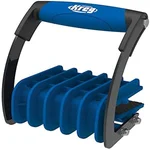 |
Kreg Panel Carrier, KMA3000 – $24.00 Most stores charge $59-$89 to deliver a single sheet, a fee this tool lets you skip entirely by hauling the plywood home yourself.
|
Why Prices Swing So Much: Grade, Species, and Thickness
Three variables explain almost every price difference you’ll see between two sheets that look identical from across the store.
- Grade: Plywood is graded A through D on each face (an “A-C” sheet has a clean A face and a rougher C back). A sanded, void-free face costs more to produce, so A and B-grade sheets cost noticeably more than C-D construction grade.
- Species and face veneer: Softwood pine and fir sheets are the cheapest. Birch and maple-faced sheets, and true hardwood plywoods like oak, cost more because the face veneer itself is a pricier material.
- Thickness: Price doesn’t scale evenly with thickness. A 3/4-inch sheet uses roughly 50% more wood and adhesive than a 1/2-inch sheet of the same grade, so expect a bigger jump than the thickness difference alone suggests.
One budget-friendly swap worth knowing: OSB (oriented strand board) typically runs 10-20% cheaper than comparable CDX plywood at the same thickness, often $3-$5 less per 7/16-inch sheet. For sheathing, subfloors, and other applications where the surface won’t be seen, OSB is structurally sound and the cheapest way to cover square footage.
The Hidden Costs That Erase Your “Cheap” Price
The sticker price on the shelf is rarely the number on your receipt. Three charges catch first-time buyers off guard:
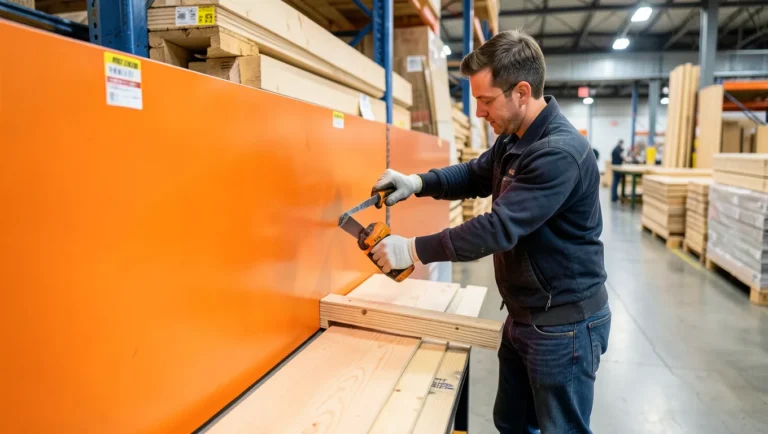
- Cut fees: Most big-box stores charge $0.50-$1 per cut, or a flat fee after the first couple of free cuts. Breaking one 4×8 sheet into six pieces can add $3-$6 before tax.
- Delivery: Delivery for a small load of sheet goods commonly runs $59-$89 depending on the retailer and distance, more than doubling the cost of a single cheap sheet.
- Waste from oversized cuts: Buying one extra sheet “just in case” instead of calculating exact square footage is one of the most common ways budget-conscious buyers overspend, since a leftover partial sheet is hard to resell or reuse.
A sheet’s true cost is the shelf price plus whichever of these apply to your trip. Factor them in before comparing two retailers’ “cheap plywood” prices side by side.
Where to Actually Find the Lowest Price
Pricing also depends heavily on which retailer and which thickness you’re comparing. We’ve broken those out in dedicated guides so you can check exact current numbers:
- Comparing Home Depot, Lowe’s, and Menards specifically on 1/2-inch plywood sheet prices
- Buying at Lowe’s specifically, see current Lowe’s 4×8 plywood prices by grade
- Looking beyond the big three retailers, our guide on where to buy cheap plywood covers lumberyards, online marketplaces, and second-hand sources
Beyond the big three chains, independent lumberyards frequently beat big-box pricing on full sheets because they buy in larger bulk from mills, even though their retail markup on small hardware items is often higher.
5 Ways to Cut Your Plywood Bill Without Buying Junk Wood
- Buy the lowest grade that’s still hidden. If the surface won’t be seen, structural CDX or C-D grade performs the same as a sanded A-grade sheet for a fraction of the cost, often 30-40% less.
- Haul it yourself. Skipping a $59-$89 delivery charge on one sheet, using a panel carrier or a roof rack, covers more savings than almost any coupon or sale will.
- Buy in bulk if you have a real, ongoing need. Suppliers and lumberyards will often shave a per-sheet discount once you’re buying 10+ sheets for a project, but this only pays off if you’ll actually use them, not as a hedge against future price increases.
- Time it around clearance and seasonal sales. Spring home-improvement season and major holiday sales (Memorial Day, Labor Day, Black Friday) are when retailers discount overstocked sheet goods.
- Consider OSB for hidden structural work. As covered above, OSB is 10-20% cheaper than CDX plywood for jobs where appearance doesn’t matter, like subfloor underlayment or wall sheathing.
Common Mistakes That Cost You More Later
A cheap sheet that fails on the job costs more than a fairly-priced one that lasts. Before you buy, pull the sheet off the stack and check it, not just the top one, which stores often keep in the best shape for display.
- Delamination: Look at the edges for any layers that are separating or show daylight between plies. This usually means the sheet got wet in storage.
- Warping: Stand the sheet on edge and sight down its length. A slight bow can sometimes be worked with in cutting, but a twisted sheet will fight you on every joint.
- Excessive knots or voids: A few small knots on the back face are normal on construction-grade sheets. Large voids or knots on the face you’ll be using are a sign of a lower grade than the price tag suggests, worth asking the associate to check the grade stamp.
A sheet with any of these issues is rarely a deal, even at a steep discount, since it will waste more material in cutting around the defect than you saved on the price.
Price is only half the decision. Before you buy, read the APA stamp on the sheet: our guide to 4×8 plywood panels, grades and types explains what each stamp means and which panel fits which job.
Frequently Asked Questions
How much does a 4×8 sheet of plywood cost in 2026?
A 1/2-inch CDX or C-D grade sheet typically runs $25 to $40 at Home Depot, $28 to $35 at Lowe’s, and around $29.80 at Menards. Birch-faced or A-grade sheets cost more, usually $45 to $65, and 3/4-inch sheets run roughly 40-70% higher than 1/2-inch sheets in the same grade.
Why is my “cheap” plywood costing more at checkout?
Cut fees ($0.50-$1 per cut), delivery charges ($59-$89 for a small load), and buying an extra sheet to cover waste all add to the shelf price. Factor these into the total before comparing prices between retailers.
Is OSB cheaper than plywood, and is it a good substitute?
Yes, OSB typically runs 10-20% cheaper than comparable CDX plywood, often $3-$5 less per 7/16-inch sheet. It’s structurally sound for hidden work like subfloor underlayment and wall sheathing, but plywood is generally preferred where appearance or moisture resistance on the visible face matters.
What’s the best way to actually save money on a 4×8 plywood sheet?
Buy the lowest grade that will still be hidden in your project, haul the sheet yourself to skip the delivery fee, and time your purchase around seasonal sales like Memorial Day or Labor Day. Buying in bulk only saves money if you have a confirmed, ongoing need for the extra sheets.
Bottom Line
Real 4×8 plywood prices in 2026 range from about $25 for a basic CDX sheet to $100+ for premium hardwood-faced grades, but the total you actually pay depends just as much on cut fees, delivery, and grade choice as it does on the shelf price. Match the grade to whether the surface will actually be seen, factor in delivery before you compare stores, and you’ll consistently land on the genuinely cheap sheet instead of the one that only looks that way on the sign.
Sponsored / affiliate links. As an Amazon Associate I earn from qualifying purchases. I may earn additional commission from eligible campaigns.