3/8 vs 1/2 Drill: What Makes Them Different?
Figuring out the differences between a 3/8 vs 1/2 Drill: Key Differences is a common puzzle for those starting with tools. Choosing the correct size can seem tricky at first, making it feel like a puzzle. Don’t worry, though! This post breaks down these differences in a simple, step-by-step way. We’ll explore exactly what sets these drills apart and how to pick the best one for your tasks. After reading, you’ll feel confident in your choice for the job at hand.
What Exactly Is a Drill Chuck?
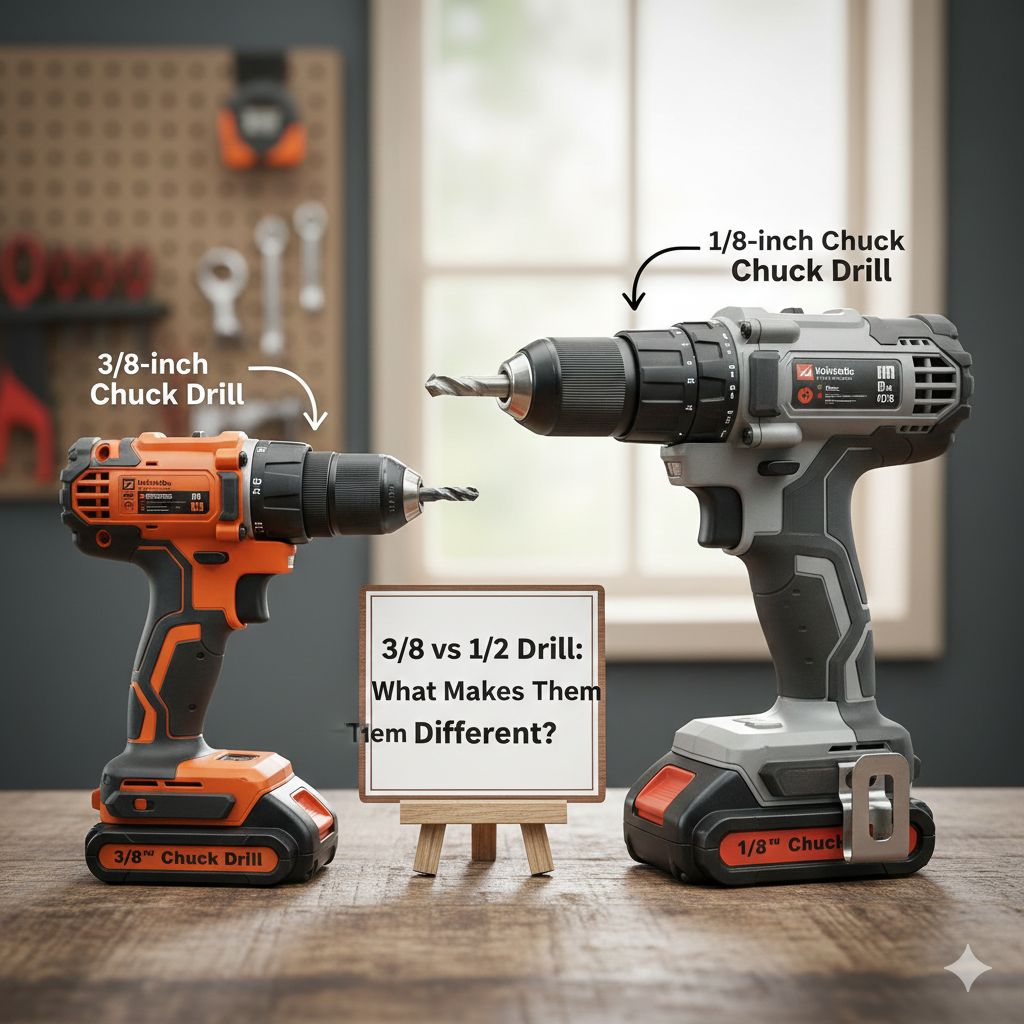
The chuck is the part of the drill that holds the drill bit. It’s like the drill’s grip, keeping the bit securely in place while you work. The size of the chuck determines the size of the drill bits you can use. Understanding the chuck’s size is the first step toward understanding the difference between a 3/8-inch and a 1/2-inch drill. A bigger chuck can grip bigger bits, allowing you to drill larger holes.
Chuck Size Matters
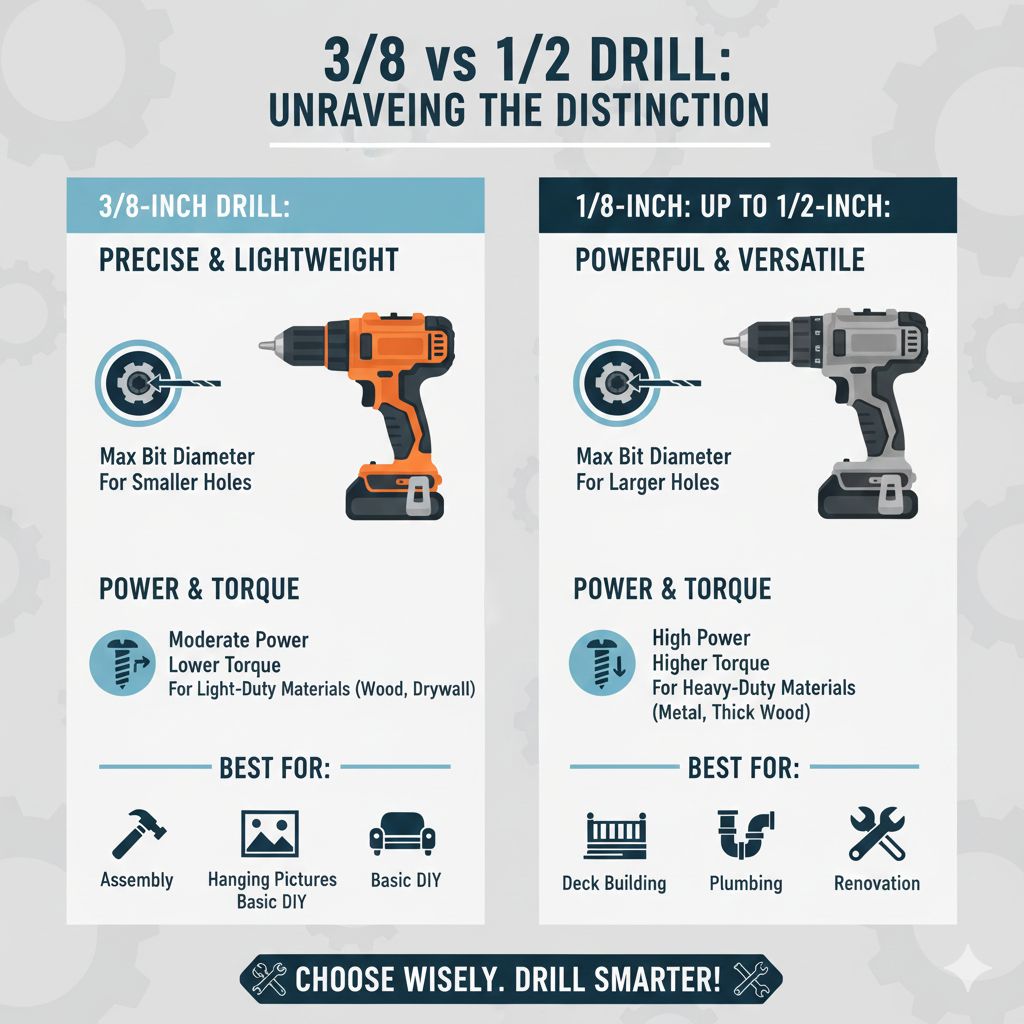
The primary distinction between a 3/8-inch and a 1/2-inch drill lies in their chuck sizes. This measurement refers to the largest diameter of the drill bit that the chuck can accommodate. A 3/8-inch drill can hold bits up to 3/8 of an inch in diameter, whereas a 1/2-inch drill can handle bits up to 1/2 inch in diameter. This difference in chuck size directly impacts the types of projects you can undertake. A 1/2-inch drill provides more flexibility for heavier-duty tasks. The chuck size, therefore, is the starting point for comparing these two types of drills.
- Holding Capacity: The most significant difference is in the size of the bits they can hold. 1/2-inch drills can use bigger bits.
- Task Suitability: Larger projects often require bigger bits, making the 1/2-inch drill the better choice for those types of tasks.
- Versatility: If you need to tackle a variety of projects, the 1/2-inch drill provides more options due to its greater bit capacity.
In essence, the chuck size is a fundamental factor dictating the drill’s range of capabilities. A 3/8-inch drill might be perfect for smaller home projects. In contrast, a 1/2-inch drill is generally better for heavier-duty tasks. The chuck size sets the limits of what each drill can handle, which is a key aspect of making the right choice.
Power and Torque Considerations
While chuck size is the defining factor, power and torque are also important. Power, usually measured in amps, tells you how much work the drill can do. Torque, measured in pound-feet, is the twisting force that helps the drill bore through materials. 1/2-inch drills often have more power and torque than 3/8-inch drills. This is because they’re made for tougher jobs that need more force. The combination of chuck size, power, and torque gives each drill its work capabilities. When choosing, consider how much force you’ll need.
- Power: Drills with larger chucks usually have more power, often indicated by higher amp ratings.
- Torque: Torque is the twisting force. Higher torque allows the drill to drive through tougher materials more easily.
- Material Compatibility: Both power and torque impact the type of materials a drill can handle.
A higher amp rating and increased torque usually suggest the drill is suited for harder jobs. A 3/8-inch drill might be enough for typical household tasks, but a 1/2-inch drill will be necessary for tasks such as drilling into thick wood or metal. Considering the power and torque requirements is essential when picking the right drill for the project.
When to Pick a 3/8-inch Drill
Choosing a 3/8-inch drill comes down to the types of projects you typically do. These drills are great for everyday household projects and smaller tasks. They’re lighter, making them easier to handle, and they often cost less than 1/2-inch drills. If you’re mainly dealing with smaller projects, a 3/8-inch drill is a solid choice. It’s an excellent tool for many tasks and offers good performance without being overly bulky or expensive.
Ideal Projects for 3/8-inch Drills
3/8-inch drills shine in various projects that don’t need large drill bits. They are perfect for hanging pictures, assembling furniture, and other light tasks. They’re also helpful for more detailed work. This includes tasks where you need a bit of precision. Their smaller size and weight make them easier to control. This is especially good when accuracy is critical. Think about what you typically work on to decide if a 3/8-inch drill is the better pick for you.
- Household Tasks: Hanging pictures, installing shelves, and assembling furniture are perfect for a 3/8-inch drill.
- DIY Projects: Many DIY projects, like building small planters or crafting, are well-suited to this size.
- Precision Work: For tasks that need more detail and less force, like working with soft wood, a 3/8-inch drill works best.
The 3/8-inch drill is a great pick if you mostly work on smaller projects and household repairs. It’s a versatile tool that can handle a wide range of tasks. Its size and weight make it user-friendly, and it provides enough power for many common projects.
Advantages of the 3/8-inch Drill
There are several benefits to choosing a 3/8-inch drill. One of the main advantages is its portability. It’s easier to carry around the house and work with. 3/8-inch drills tend to be more affordable, making them a budget-friendly option. Also, they are usually lighter and easier to handle, which is perfect for beginners or those who don’t need excessive power. If you’re not dealing with large-scale projects, the benefits of the 3/8-inch drill are worth considering.
- Portability: A 3/8-inch drill is lighter and easier to handle for tasks in tight spaces.
- Cost: Generally, these drills are cheaper to purchase than 1/2-inch models.
- Ergonomics: The lighter weight and compact size make them less tiring to use for extended periods.
The advantages of a 3/8-inch drill are clear, from its portability to its price. It’s an excellent option for those who want a capable tool that is easy to manage and cost-effective. These features make it a great selection for everyday home improvement and light DIY tasks.
Using a 1/2-inch Drill for Heavier Work
If you have projects that need more power and can handle bigger drill bits, then a 1/2-inch drill is the better selection. These drills are built for tougher jobs. They handle tasks that demand more strength and can drill larger holes. While they might be bigger and heavier, the extra power and chuck capacity make them essential for certain kinds of tasks. They’re also better for working with hard materials. If you work on larger or more demanding tasks, a 1/2-inch drill will get the job done more easily.
Tasks Suited to a 1/2-inch Drill
1/2-inch drills are ideal for construction, woodworking, and metalworking tasks. This is because they can handle bigger bits and offer more power. These drills can be used for everything from framing a house to drilling through steel. They are designed for jobs that require more force. This includes drilling into thicker materials or working on larger projects. The added power and chuck size give these drills an advantage when dealing with heavy-duty applications.
- Construction: Framing, installing door frames, and other structural work are perfect for the 1/2-inch drill.
- Woodworking: Tasks like drilling large holes for dowels or using spade bits for wider holes are often done with these drills.
- Metalworking: The power and torque can drive through metal for various projects.
For demanding jobs in construction, woodworking, and metalworking, the 1/2-inch drill is the preferred tool. It is designed to deliver power and handle larger bits. It offers the performance you need for tasks that require more strength and durability.
The Benefits of a 1/2-inch Drill
1/2-inch drills come with several advantages, particularly for more demanding projects. The main advantage is its chuck size and power, which enables them to drill into tougher materials. They are generally more durable and built to withstand frequent use in harsh conditions. Although they may be larger and heavier, the extra capability is worth it if you work on heavy-duty projects. The extra power and capacity give them an edge when you are dealing with challenging materials or larger projects.
- Power: Higher power means the ability to tackle tougher tasks and drill through tougher materials.
- Durability: Built to withstand heavy use, 1/2-inch drills can last longer.
- Versatility: Its larger chuck can hold more bit types, providing a wider range of project possibilities.
A 1/2-inch drill offers the power and versatility needed for more demanding projects. Their durability and ability to handle various materials make them a great pick for people who often work on construction, woodworking, or metalworking. The benefits of a 1/2-inch drill are clear for anyone who tackles demanding tasks.
Making Your Drill Choice: A Comparison
Making the right drill selection involves weighing the benefits of both 3/8-inch and 1/2-inch drills against your project needs. Understanding the tasks you typically tackle helps to narrow down the selection. It is essential to weigh the benefits of each drill size to make an informed choice that best matches your needs. Think about factors such as chuck size, power, versatility, and the range of projects you anticipate doing.
Direct Drill Comparison
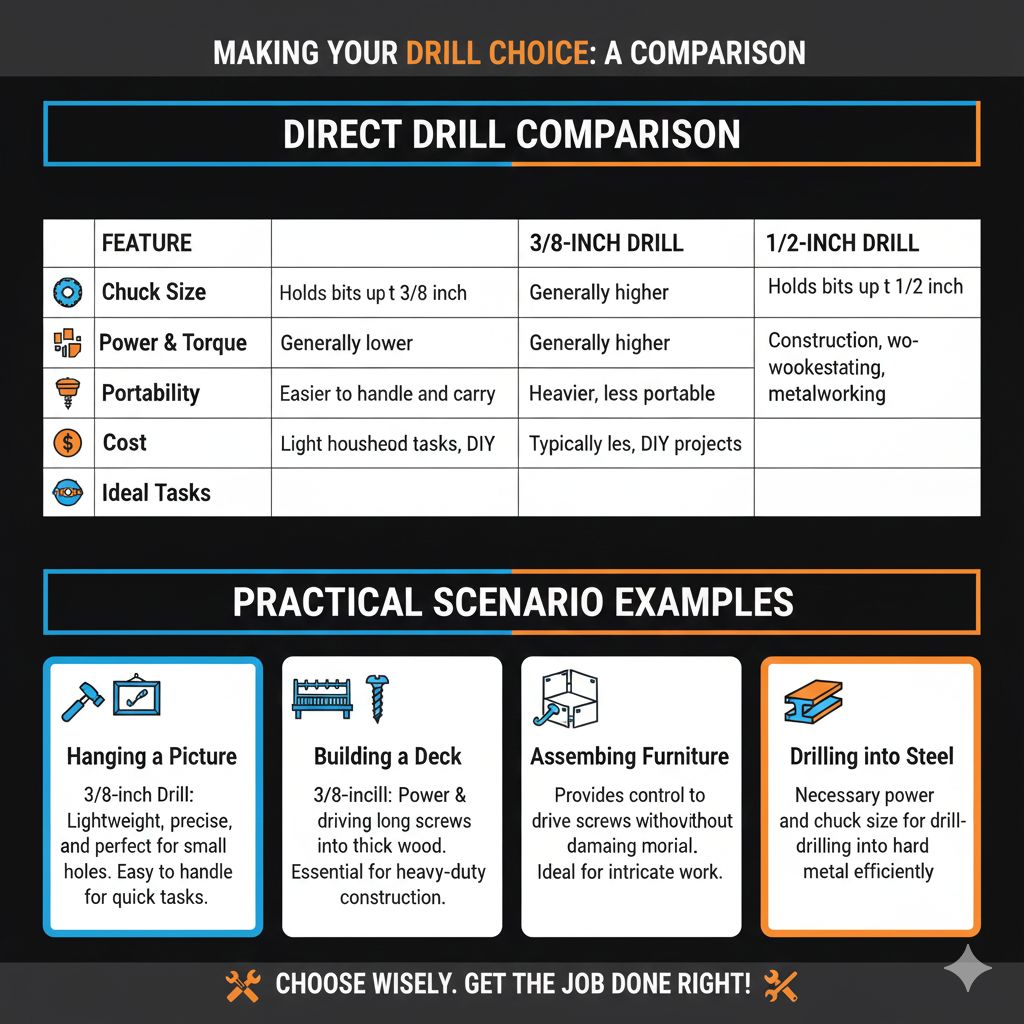
Here’s a comparison table to see the key differences at a glance: The comparison makes it easy to see the key distinctions between 3/8-inch and 1/2-inch drills.
| Feature | 3/8-inch Drill | 1/2-inch Drill |
|---|---|---|
| Chuck Size | Holds bits up to 3/8 inch | Holds bits up to 1/2 inch |
| Power & Torque | Generally lower | Generally higher |
| Portability | Easier to handle and carry | Heavier, less portable |
| Cost | Typically less expensive | Typically more expensive |
| Ideal Tasks | Light household tasks, DIY projects | Construction, woodworking, metalworking |
The table clearly shows the main differences, helping you see which drill fits your needs. Each row is designed to show the pros and cons of each drill size.
Practical Scenario Examples
-
- Scenario 1: Hanging a picture. For hanging a picture, a 3/8-inch drill would be ideal. It is lightweight, easier to handle, and capable of drilling the small holes needed for a picture hook.
Using a 3/8-inch drill ensures you have enough power for small tasks without being bulky or hard to manage. It delivers accuracy and simplicity. The small holes needed for a picture hook are drilled quickly and efficiently.
-
- Scenario 2: Building a deck. When building a deck, you will require the power and bit capacity of a 1/2-inch drill. This type of drill can handle the larger screws and drill bits used in construction.
Using a 1/2-inch drill, you can handle the requirements of deck construction. It provides the needed power to drive long screws and drill larger holes for the deck structure. It ensures the construction proceeds smoothly and efficiently.
-
- Scenario 3: Assembling flat-pack furniture. A 3/8-inch drill is suitable for assembling flat-pack furniture. It is easy to use and provides enough torque for driving screws without damaging the material.
The 3/8-inch drill is an excellent choice for these smaller projects. The drill lets you efficiently assemble the furniture. It ensures screws are driven without any risk of damaging the particleboard.
-
- Scenario 4: Drilling into steel. For drilling into steel, a 1/2-inch drill is necessary. It provides the power and chuck size needed to accommodate the right drill bits for this hard material.
Using a 1/2-inch drill is vital when working with steel. It has the necessary power to drill through steel without difficulty. It also ensures the job gets done correctly and with the appropriate tools.
These scenarios highlight how important the choice is for any project. Each example highlights when the 3/8-inch or 1/2-inch drill is the better selection.
Frequently Asked Questions
Question: Can I use a 3/8-inch bit in a 1/2-inch drill?
Answer: Yes, you can. A 1/2-inch drill can hold bits up to 1/2 inch, including 3/8-inch bits. You can use an adapter to make a smaller bit fit.
Question: Is a 1/2-inch drill better for all jobs?
Answer: Not always. A 1/2-inch drill is great for heavy-duty tasks. A 3/8-inch drill is a good option for household tasks or light DIY projects.
Question: Are 3/8-inch drills good for beginners?
Answer: Yes. 3/8-inch drills are often better for beginners because they’re lighter and easier to control. They’re also less intimidating.
Question: What’s more important, power or chuck size?
Answer: It depends on the job. Chuck size determines what bits you can use. Power affects how easily you can drill through different materials.
Question: Which drill should I pick for general home use?
Answer: For general home use, a 3/8-inch drill is usually sufficient. It is easier to handle and can do most jobs around the house.
Final Thoughts
Knowing the 3/8 vs 1/2 Drill: Key Differences gives you the upper hand when picking the right tool for your project. Remember, a 3/8-inch drill is great for lighter tasks and everyday projects. If you’re building a deck, or working with hard materials, the 1/2-inch drill provides the extra strength. You now know that chuck size, power, and the kinds of projects you plan to tackle are important to think about. Whether you’re hanging a picture frame or taking on a larger build, choosing the right drill makes every task easier. Remember to consider the types of projects you’ll be doing. You can then choose the drill that best suits your needs.