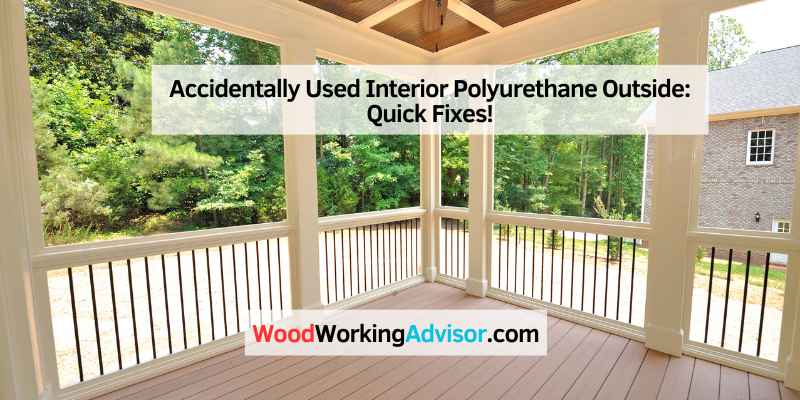
Accidentally Used Interior Polyurethane Outside: Quick Fixes!
Using interior polyurethane outside is not recommended, as it is not suitable for exterior surfaces. This can lead to premature fading, peeling, and cracking due to exposure to harsh environmental conditions.
When it comes to finishing outdoor wood, it’s crucial to use products specifically designed for exterior use to ensure durability and protection against the elements. Interior polyurethane lacks the necessary properties to withstand outdoor exposure, potentially compromising the wood’s longevity and aesthetic appeal.
To avoid these issues, it’s essential to choose the right type of finish for your outdoor projects, such as spar urethane or exterior-grade polyurethane, to provide adequate protection and maintain the wood’s appearance over time.
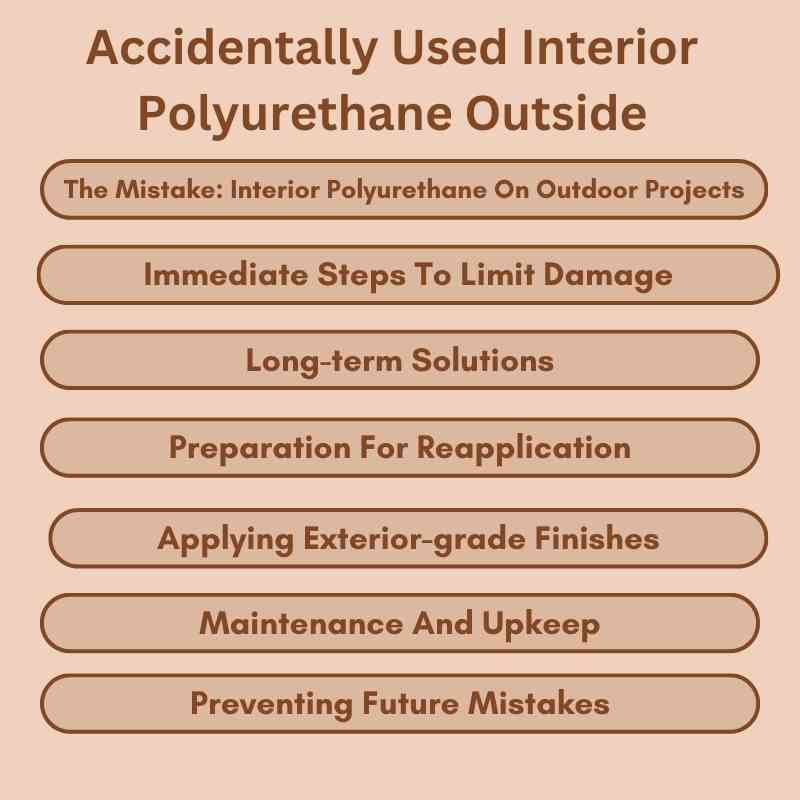
The Mistake: Interior Polyurethane On Outdoor Projects
Using interior polyurethane on outdoor projects is a common mistake that can lead to significant issues. While interior polyurethane is designed to protect and enhance indoor surfaces, it is not suitable for use outside. In this blog post, we will discuss why interior polyurethane fails outside and the immediate effects on your outdoor project.
Why Interior Polyurethane Fails Outside
Interior polyurethane lacks the necessary additives to withstand the harsh outdoor elements such as UV rays, wind, and rain. It also does not have the flexibility needed to expand and contract with outdoor surfaces as temperatures fluctuate.
As a result, interior polyurethane applied on outdoor surfaces will quickly degrade, leading to color fading, cracking, and peeling. The lack of protection will also allow moisture to penetrate the surface, leading to wood rot and other structural damage.
Immediate Effects On Your Outdoor Project
When interior polyurethane is used on outdoor surfaces, the immediate effects can be seen within a few weeks. The color will start to fade, and the surface will start to crack and peel. The project will lose its luster and beauty, and the structural integrity of the wood can be compromised.
To avoid these issues, it is essential to use the correct products for outdoor projects. Always use exterior-rated polyurethane or varnish that is specifically designed for outdoor use. This will ensure that your project will remain beautiful and protected for years to come.
Identifying The Damage
When it comes to accidentally using interior polyurethane outside, identifying the damage is crucial. It can manifest in various ways, from color changes to structural weaknesses. Understanding how to spot these issues is essential to addressing them effectively.
Spotting Color Changes
One of the most apparent signs of using interior polyurethane outside is the quick fading of the color. When an interior product is exposed to external elements, the pigments may deteriorate rapidly, resulting in an uneven and washed-out appearance.
Detecting Structural Weaknesses
Aside from visual cues, it’s important to assess the structural integrity of the wood. Exterior exposure can lead to weakened bonds and compromised durability. Look for cracking, peeling, or softening of the wood, as these indicate potential structural weaknesses.
Immediate Steps To Limit Damage
In the event of accidentally using interior polyurethane outside, take immediate steps to limit damage. Start by removing the polyurethane as much as possible using a paint stripper or sanding. Then, apply an exterior-grade polyurethane to protect the surface from further damage.
Accidentally using interior polyurethane outside can lead to potential damage to your project. However, taking immediate steps to limit further exposure can help minimize the negative effects. By following these steps, you can protect your project and prevent any additional harm.
Protecting The Project From Further Exposure
The first step in limiting damage is to protect the project from any further exposure to the elements. This can be done by moving the project to a covered area, such as a garage or shed, where it will be shielded from rain, sunlight, and extreme temperatures. If moving the project is not possible, consider covering it with a tarp or plastic sheeting to provide temporary protection.
Temporary Fixes To Consider
While using interior polyurethane outside is not ideal, there are some temporary fixes that you can consider to mitigate the damage. Here are a few options:
- Remove the polyurethane: If the polyurethane has not fully dried or cured, you may be able to remove it using a paint stripper or sandpaper. This will allow you to start fresh and apply the appropriate exterior finish.
- Apply a protective coating: If removing the polyurethane is not feasible, you can apply a protective coating, such as a spar varnish or exterior polyurethane, over the interior polyurethane. This will provide an additional layer of protection against the elements.
- Monitor and maintain: Keep a close eye on the project and regularly inspect for any signs of damage or deterioration. If you notice any issues, take immediate action to address them, whether it’s reapplying a protective coating or seeking professional assistance.
Remember, while these temporary fixes can help limit damage, it’s important to eventually remove the interior polyurethane and apply the appropriate exterior finish to ensure long-term protection for your project.
Long-term Solutions
Accidentally using interior polyurethane outside can lead to premature fading, peeling, and cracking due to exposure to harsh environmental conditions. Fortunately, there are long-term solutions to rectify this mistake and protect your outdoor wood surfaces effectively.
Stripping The Interior Polyurethane
The first step in finding a long-term solution is to strip off the interior polyurethane from the outdoor wood surface. This process involves removing the existing finish to prepare the wood for a new exterior finish. There are several methods you can use to strip the polyurethane, including:
- Chemical strippers
- Sanding
- Heat guns
Each method has its advantages and considerations, so it’s essential to choose the one that suits your specific needs and preferences. Make sure to follow safety guidelines and use appropriate protective gear when stripping the polyurethane.
Choosing The Right Exterior Finish
After stripping off the interior polyurethane, it’s crucial to select the right exterior finish to ensure long-term protection for your outdoor wood surfaces. There are various options available, each with its unique features and benefits. Consider the following factors when choosing the right exterior finish:
- Weather resistance: Look for finishes that provide excellent resistance against sunlight, water, and temperature changes.
- Durability: Opt for finishes that can withstand the elements and offer long-lasting protection.
- UV protection: Choose finishes that include UV inhibitors to prevent fading and discoloration caused by sun exposure.
- Application method: Consider whether you prefer a brush-on, spray-on, or wipe-on finish, depending on your skills and preferences.
Some popular options for exterior finishes include:
| Finish Type | Advantages |
|---|---|
| Spar urethane | Provides excellent protection against sunlight, water, and temperature changes. |
| Exterior varnish | Offers a durable and long-lasting finish with good resistance to the elements. |
| Water-based exterior finish | Provides environmentally-friendly protection with quick drying times. |
Before applying the chosen exterior finish, make sure to prepare the wood surface properly by sanding and cleaning it. Follow the manufacturer’s instructions for application and drying times to ensure optimal results.
By stripping the interior polyurethane and selecting the right exterior finish, you can correct the accidental mistake and provide long-term protection for your outdoor wood surfaces. Remember to follow the recommended guidelines and take appropriate safety precautions throughout the process.
Preparation For Reapplication
Using interior polyurethane outside can lead to premature fading, peeling, and cracking due to harsh environmental conditions. It’s important to only use exterior polyurethane or spar varnish for outdoor wood projects. If you accidentally used interior polyurethane outside, you’ll need to sand down the surface and apply the appropriate exterior finish to protect it from further damage.
Cleaning Your Project
Before reapplying polyurethane, you need to clean the project surface thoroughly. Use a clean cloth to remove any dirt, dust or debris. If there is any residue left from the previous application, use mineral spirits or denatured alcohol to clean it off. Make sure the surface is completely dry before proceeding.
Sanding Your Project
After cleaning, sand the surface of the project to remove any remaining polyurethane. Sanding helps to create a smooth surface and allows the new polyurethane to adhere properly. Start with a coarse grit sandpaper and gradually move to a finer grit until the surface is smooth. Be sure to wipe away any sanding dust before moving on to the next step.
Applying A Test Patch
Before applying the polyurethane to the entire project, it is important to perform a test patch. This ensures that the new polyurethane adheres properly and does not cause any unwanted reactions. Apply a small amount of polyurethane to a hidden area and let it dry completely. Check for any discoloration, peeling or cracking before proceeding with the full application.
By following these steps, you can ensure that your project is properly prepared for reapplication of polyurethane. Cleaning and sanding the surface and performing a test patch will help to ensure a successful and long-lasting finish.
Applying Exterior-grade Finishes
Applying exterior-grade finishes is crucial for protecting outdoor surfaces from harsh environmental conditions. However, accidentally using interior polyurethane outside can lead to premature fading, peeling, and cracking. Interior stains are not as durable as exterior stains and should be sealed with polyurethane or varnish for additional protection.
It’s important to use the appropriate products designed specifically for exterior use to ensure long-lasting results.
Selecting The Right Products
When it comes to applying finishes on outdoor wood surfaces, it’s essential to choose the right products. Interior polyurethane is not suitable for use outside, as it lacks the necessary ingredients to withstand harsh environmental conditions, such as UV rays and moisture. Using interior polyurethane outside can cause the color to fade quickly, and it may develop white specks under the poly film. To avoid this, select exterior-grade finishes that are specially formulated to protect wood from outdoor elements.
Best Practices For Application
Applying exterior-grade finishes requires following some best practices to ensure a durable and long-lasting finish. Here are some tips to consider:
- Prepare the surface by cleaning it thoroughly and removing any old finish or dirt.
- Apply the finish in a well-ventilated area and avoid applying it in direct sunlight or high humidity.
- Apply thin coats of the finish, allowing each coat to dry completely before applying the next one.
- Use a high-quality brush, roller or spray gun, depending on the type of finish you’re using.
- Apply at least two coats of finish to ensure adequate protection.
- Follow the manufacturer’s instructions and recommended dry times.
By following these best practices, you can ensure that your exterior wood surfaces are protected from the elements and maintain their beautiful appearance for years to come.
Maintenance And Upkeep
Using interior polyurethane outside can lead to premature fading, peeling, and cracking due to exposure to harsh environmental conditions. It’s important to use exterior polyurethane for outdoor projects to ensure durability and protection against the elements. Always opt for the appropriate finish to maintain the longevity and aesthetics of your outdoor surfaces.
Routine Checks For Wear And Tear
Regularly inspecting your exterior wood surfaces is crucial to maintaining their longevity and appearance. Here are some routine checks you should perform to identify any signs of wear and tear:
- Inspect the surface for any cracks, peeling, or fading of the polyurethane finish. These are indications that the interior polyurethane used outside is not providing adequate protection against harsh environmental conditions.
- Check for any white specks developing beneath the poly film. This is a common issue when using interior polyurethane in an exterior setting.
- Observe the color of the wood. If you notice rapid color fading, it’s a clear sign that the interior polyurethane is not suitable for outdoor use.
When To Reapply Exterior Finishes
Reapplying the appropriate exterior finish is essential to maintain the beauty and protection of your wood surfaces. Here are some factors to consider when determining when to reapply exterior finishes:
- Monitor the durability of the existing polyurethane finish. Exterior finishes are designed to withstand the elements, whereas interior finishes are not. If you notice significant wear or damage, it’s time to reapply.
- Keep an eye out for any signs of water damage or moisture penetration. If the wood appears dull or shows signs of swelling or warping, it’s essential to reapply the exterior finish to prevent further damage.
- Consider the climate and weather conditions in your area. If your wood surfaces are exposed to intense sunlight, heavy rain, or extreme temperatures, they may require more frequent reapplication of the exterior finish.
Remember, using interior polyurethane outside can lead to premature fading, peeling, and cracking. It’s important to always use the appropriate exterior finishes to ensure the long-lasting beauty and protection of your wood surfaces. Regular maintenance and timely reapplication will help maintain the integrity of the wood and extend its lifespan.
By following these routine checks and knowing when to reapply exterior finishes, you can keep your wood surfaces looking their best and protect them from the damaging effects of the elements.
Preventing Future Mistakes
Using interior polyurethane outside can lead to premature fading, peeling, and cracking due to exposure to harsh environmental conditions. Interior polyurethanes are not formulated to withstand outdoor elements. To prevent future mistakes, always use exterior polyurethane for outdoor projects to ensure durability and protection against the elements.
Understanding The Differences Between Finishes
When it comes to preventing future mistakes like accidentally using interior polyurethane outside, it’s crucial to have a clear understanding of the differences between finishes. Interior polyurethane is specifically designed for use on indoor surfaces and is not suitable for outdoor use. It lacks the durability and weather resistance required to withstand harsh environmental conditions.
Exterior finishes, on the other hand, are formulated to provide protection against sunlight, water, and temperature changes. They are designed to withstand the elements and provide long-lasting performance on outdoor surfaces. By understanding these distinctions, you can avoid using the wrong finish on your projects.
Labeling And Storage Tips
Proper labeling and storage are essential to prevent future mistakes and ensure that you use the correct finish for each project. Here are some tips to help you stay organized:
- Labeling: Clearly label all your finishes, indicating whether they are meant for interior or exterior use. Additionally, it is helpful to include the type of finish and the date of purchase on the label. This will help you easily identify the right product for your specific needs.
- Storage: Store your interior and exterior finishes separately to avoid confusion. Keep them in a cool, dry place away from direct sunlight. This will help preserve the quality and effectiveness of the finishes for future use.
- Expiration Dates: Check the expiration dates on your finishes and discard any expired products. Using expired finishes can lead to poor results and may not provide the desired level of protection.
By following these labeling and storage tips, you can ensure that you always have the right finish at hand and minimize the chances of accidentally using the wrong product.
In conclusion, preventing future mistakes when it comes to using the correct finish is crucial for successful projects. Understanding the differences between interior and exterior finishes, as well as implementing proper labeling and storage practices, will help you avoid costly errors and achieve the desired results.
Frequently Asked Questions
Can Interior Polyurethane Be Used Outside?
No, interior polyurethane should not be used outside. It is not designed to withstand outdoor elements.
What Will Happen If You Use Interior Stain Outside?
Using interior stain outside will lead to premature fading, peeling, and cracking. The product cannot effectively protect exterior surfaces from harsh environmental conditions, resulting in damage to the wood. It’s essential to use exterior stains or sealants designed to withstand outdoor elements for proper protection.
Can Minwax Polyurethane Be Used Outdoors?
No, minwax polyurethane should not be used outdoors. It is formulated for interior use and is not designed to withstand the harsh environmental conditions that outdoor surfaces are exposed to. Using interior polyurethane outside can result in premature fading, peeling, and cracking.
It is recommended to use a protective clear finish specifically formulated for exterior wood.
Can Interior Stains Be Used Outside If Sealed?
No, interior stains should not be used outside even if they are sealed. Interior stains are not as durable and weather-resistant as exterior stains, and they cannot effectively protect exterior surfaces from harsh environmental conditions. This can lead to premature fading, peeling, and cracking when utilizing interior stain on an outdoor surface.
To protect exterior wood, it is recommended to use exterior stains and sealants specifically formulated for outdoor use.
Conclusion
Using interior polyurethane outside can lead to premature fading, peeling, and cracking. It’s essential to use exterior-specific products for outdoor projects to ensure durability and protection against harsh environmental conditions. Always check product labels and seek expert advice to avoid such mistakes in the future.