Are Black Walnut Trees Worth Money? Discover Their Hidden Value
Yes, black walnut trees are worth money. Their wood is highly valued, and the nuts are marketable.
Black walnut trees hold a unique position in the world of forestry and agriculture. Renowned for their dark, dense wood, these trees are a favorite among woodworkers and furniture makers. The wood’s durability and rich color fetch high prices on the market.
Moreover, black walnut trees produce nuts that are not only nutritious but also sought after for culinary uses. Growing these trees can be a profitable venture, whether you have a small backyard or large acreage. Their value extends beyond just the timber and nuts; they also contribute to the environment by providing habitat for wildlife. So, planting black walnut trees can be a smart investment for both your wallet and the planet.
Introduction To Black Walnut Trees
Black walnut trees have been valued for centuries. Native people used them for food and medicine. Early settlers used the wood for furniture and tools. Over time, these trees became known for their high quality.
Today, black walnut trees are still popular. Their wood is highly sought after. Many people plant them for their nuts and timber. The trees are also valued for their beauty in landscapes. They add a unique touch to any garden.
Credit: burroughselijah.com
Economic Value
Black walnut trees are valuable in the timber market. Their wood is strong and beautiful. Many furniture makers love this wood. It is dark and rich in color. This makes it perfect for fine furniture. The demand for black walnut wood is high. Thus, it sells at a good price. Harvesting these trees can be profitable.
The woodworking industry values black walnut wood. It is easy to work with. Craftsmen can carve it into many shapes. It finishes well and looks elegant. Many musical instruments use this wood. Items like gunstocks are also made from it. The wood is durable and lasts a long time. This makes it a top choice for many projects.
Agricultural Benefits
Black walnut trees help improve the soil. Their roots add organic matter. This keeps the soil healthy. The fallen leaves also add nutrients. These nutrients improve soil quality. Soil with more nutrients grows better crops. Black walnut trees are good for soil health.
Black walnut trees don’t get along with all crops. Some crops grow poorly near these trees. They release a chemical called juglone. Juglone can harm other plants. Corn, beans, and tomatoes are sensitive. But some crops do well. Squash, melons, and carrots grow fine. Choose the right crops for best results.
Nutritional Benefits
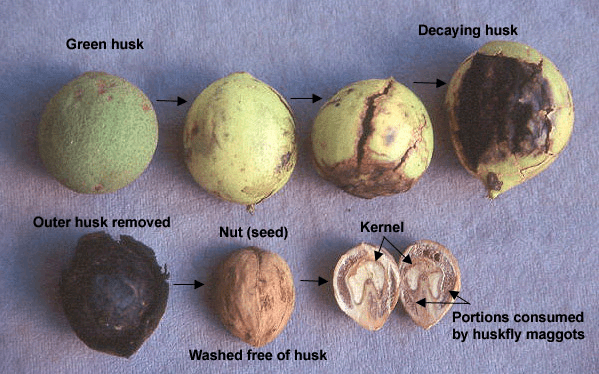
Black walnuts are rich in antioxidants. They help fight free radicals. They also contain omega-3 fatty acids. These are good for the heart. The nuts are a great source of fiber. This helps in digestion. Black walnuts have protein. This is essential for muscle growth. They also provide vitamins and minerals. These include magnesium and potassium.
Black walnuts can be used in many dishes. They add a rich flavor to baked goods. Use them in cookies, cakes, and bread. Sprinkle them on salads for a crunchy texture. Add them to oatmeal for extra nutrition. Black walnuts are also used in ice cream. They make a tasty addition to trail mix. You can even use them in sauces and dressings.
Environmental Impact
Black walnut trees help many animals. Birds, squirrels, and insects live there. These trees give them food and shelter. The nuts feed wildlife during winter. Birds build nests in the branches. It’s a safe place for them.
These trees also help the planet. They take in carbon dioxide from the air. This helps reduce pollution. Their leaves clean the air. They give us fresh oxygen to breathe. Black walnut trees are good for our world.
Challenges And Considerations
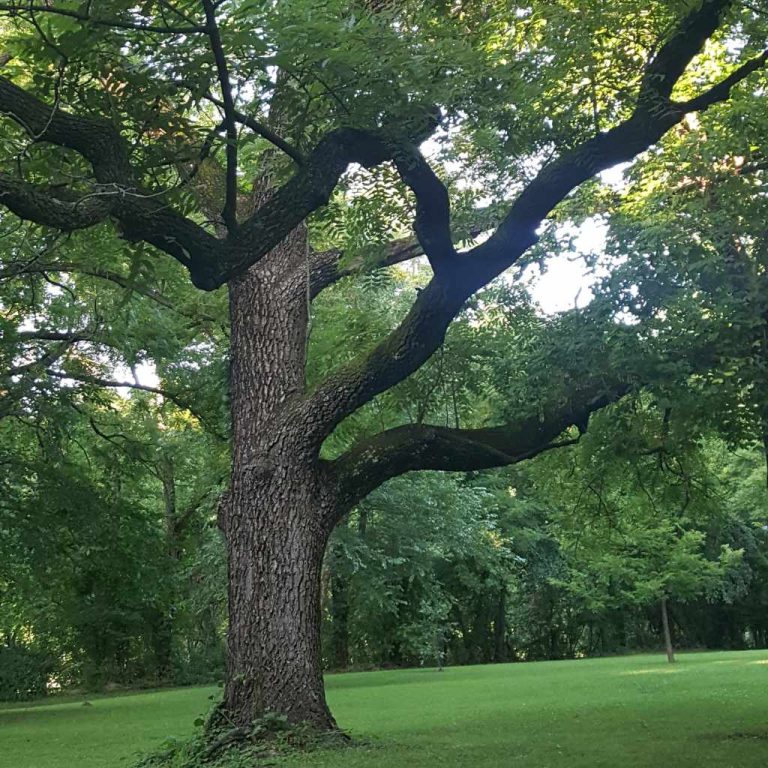
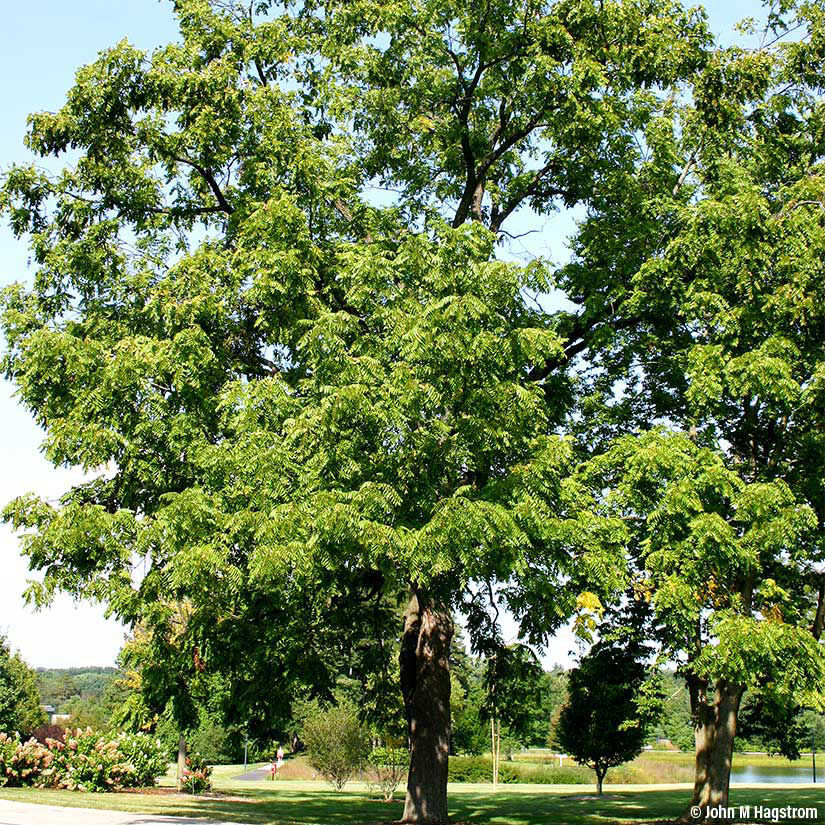
Black walnut trees need rich, well-drained soil to grow well. They also require full sunlight for optimal growth. Deep watering during dry periods is important. Space between trees is crucial to avoid competition. These trees can grow up to 100 feet tall and need room to spread out.
Black walnut trees can suffer from pests and diseases. Walnut caterpillars and aphids are common pests. Cankers and anthracnose are common diseases. Regular inspection and treatment can help manage these issues. Healthy trees are less likely to get sick. Proper care is essential for long-term health.
Investment Potential
Black walnut trees can be a good investment. They produce valuable wood. This wood is used in furniture and cabinets. Their value increases over time. It can take years for trees to mature. But the return can be worth it. Mature trees can sell for high prices. You may need patience. But the reward can be great.
The demand for black walnut wood is strong. It is often sought after. Woodworkers love its quality. The price for this wood has been rising. This trend may continue. Planting these trees now could be wise. Future market conditions look promising. People will pay more for high-quality wood. This could mean good profits.

Credit: burroughselijah.com

Credit: burroughselijah.com
Frequently Asked Questions
Are Black Walnut Trees Valuable?
Yes, black walnut trees are valuable. Their wood is highly prized for its dark, rich color and durability.
How Much Is A Black Walnut Tree Worth?
The worth of a black walnut tree varies. It can range from hundreds to thousands of dollars, depending on size and quality.
Can You Sell Black Walnut Trees?
Yes, you can sell black walnut trees. Many timber buyers and woodworkers seek them for their high-quality wood.
What Are Black Walnut Trees Used For?
Black walnut trees are used for furniture, cabinetry, and flooring. Their nuts are also harvested for food.
Conclusion
Black walnut trees hold significant value. Their wood is highly prized for furniture. Nuts are also a valuable crop. They offer financial benefits and environmental advantages. Planting these trees can boost income. They also improve soil quality and provide wildlife habitat.
Overall, black walnut trees are a wise investment. They contribute to both economy and ecology. Consider planting them for long-term gains. Their benefits are truly worthwhile.