How to Use Walnut Oil on Wood (Real Drying Time & Safety Notes)
To use walnut oil on wood: clean and lightly sand the surface, rub in a thin coat with a cloth, let it absorb for 30 minutes, then wipe off the excess — except walnut oil cures much slower than tung or linseed oil, often taking days to fully harden, not hours. That slow cure is why a “finished” piece can still feel tacky a day later, and why anyone with a tree-nut allergy in the house should know the finish is walnut-derived before it’s used on food-contact items. This guide covers the real drying timeline, when it’s genuinely food-safe, and how to layer other finishes over it.
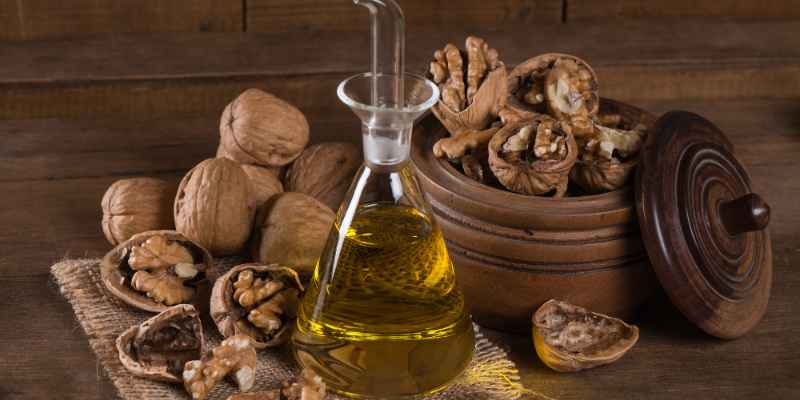
Introduction To Walnut Oil
Best Pure Walnut Oil Pick
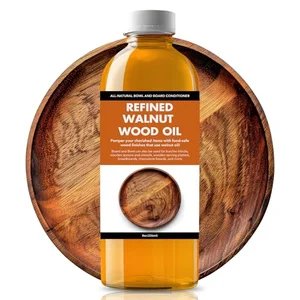
High-Performance Walnut Wood Oil Bowl Conditioner, 8oz
Purpose-built for bowls and cutting boards, not a repurposed cooking oil — formulated specifically to condition and protect wood rather than double as a kitchen ingredient.
- Best for: wooden bowls, cutting boards, and neglected wood needing conditioning
- Why we picked it: made specifically for wood care, not a food-aisle substitute
- Main drawback: smaller 8oz size means more frequent reordering for large projects
Other walnut oil finishing options
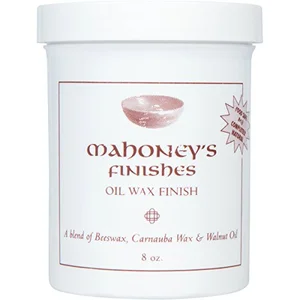 Option 1 Mahoney’s Walnut Oil Wax
|
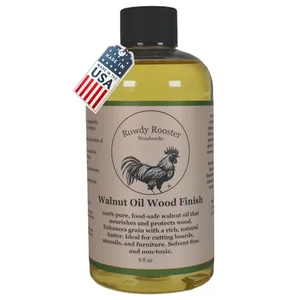 Option 2 Refined Walnut Oil, 9oz
|
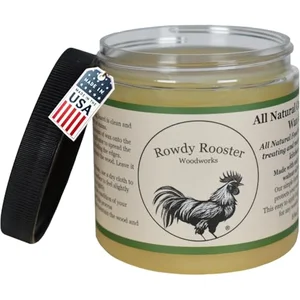 Option 3 Walnut Oil & Beeswax Conditioner
|
As an Amazon Associate we earn from qualifying purchases.
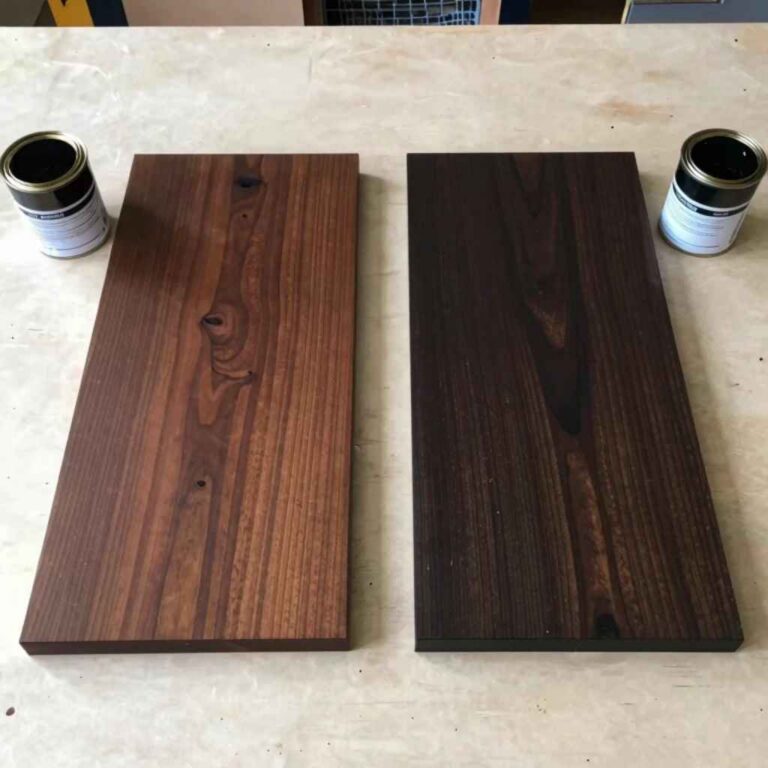
Walnut oil offers a natural and beautiful finish for wood surfaces. It enhances the color and grain of the wood. This oil is non-toxic, making it safe for your home.
Applying walnut oil is easy and requires minimal effort. Use a clean cloth to apply a thin layer. Allow it to soak into the wood for about 30 minutes. Wipe off any excess oil to prevent a sticky feel.
Walnut oil provides several benefits for wood finishing:
- Enhances appearance: Gives a rich, warm tone.
- Protects: Acts as a barrier against moisture.
- Easy application: No special tools are needed.
- Slower to fully cure: Walnut oil is a semi-drying oil — it can feel dry to the touch in a day but often takes several days to a couple of weeks to fully harden, longer than tung or boiled linseed oil.
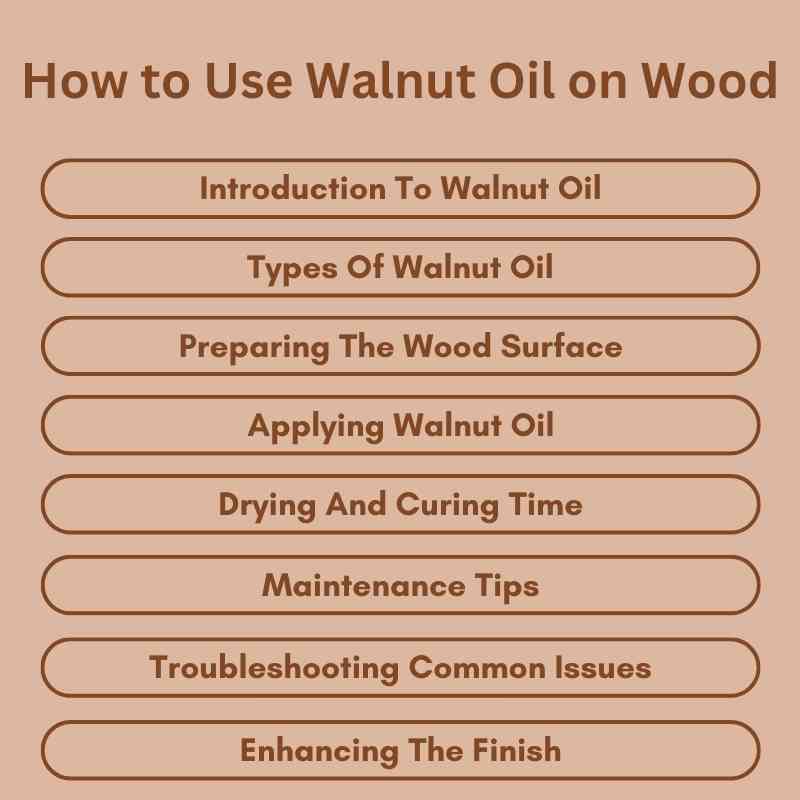
Types Of Walnut Oil
Refined walnut oil is processed to remove impurities. This makes it clear and light. It has a higher smoke point, making it great for cooking. However, it may lose some natural flavor and nutrients.
Unrefined walnut oil retains its natural flavor and nutrients. It has a darker color and a rich taste. This oil is perfect for salad dressings and drizzling over dishes. It can also be used for wood finishing.
Cold-pressed walnut oil is made by pressing walnuts without heat. This method keeps its nutrients and flavor intact. It is often considered the best choice for wood care. It provides a beautiful finish and enhances wood grain.
Preparing The Wood Surface
Start by removing dust and dirt from the wood. Use a damp cloth for this task. Make sure the surface is completely dry before applying walnut oil.
Next, use sandpaper to smooth the wood. Start with a coarse grit and progress to a finer grit. This will help the oil to absorb better. Always sand in the direction of the grain.
Applying Walnut Oil
Using walnut oil on wood is easy and effective. Gather the right tools for application. You will need:
- Soft cloth or rag
- Brush with natural bristles
- Small bowl for oil
- Fine sandpaper
To achieve even coverage, start by cleaning the wood surface. Use fine sandpaper to smooth any rough spots. Dip the cloth or brush into the walnut oil. Apply a thin layer evenly across the wood. Work in the direction of the grain. Allow the oil to soak in for about 30 minutes. Wipe off any excess oil with a clean cloth. Repeat the process until the desired finish is achieved.
Drying And Curing Time
Walnut oil needs proper drying and curing time. Ideal conditions include a warm, dry area with good air circulation. Avoid direct sunlight, as it can cause uneven drying.
To test for dryness, gently touch the surface. If it feels tacky, it needs more time. A dry surface should feel smooth and not sticky. You can also use a soft cloth to check. If no oil transfers to the cloth, the wood is likely dry.
Maintenance Tips
To keep wood surfaces clean, regular cleaning is essential. Use a soft cloth and mild soap. Avoid harsh chemicals that can damage the wood. Wipe the surface gently to remove dust and dirt. This simple task helps maintain the beauty of your wood.
Reapplying walnut oil is crucial for protection. Aim to do this every 6 months. First, clean the surface thoroughly. Apply a thin layer of walnut oil using a clean cloth. Allow it to soak in for about 30 minutes. Wipe off any excess oil to prevent a sticky finish.
Troubleshooting Common Issues
If the finish feels sticky or tacky, it may need more drying time. Humidity can also cause this issue. Try applying a thin coat of walnut oil. Let it dry completely before adding more layers.
Dealing with stains and spills is essential for maintaining wood. Quickly blot spills with a clean cloth. Avoid scrubbing, as this can damage the wood. For tough stains, mix walnut oil with a little vinegar. Apply the mixture gently. Wipe off excess with a soft cloth.
Enhancing The Finish
Mixing walnut oil with other oils can enhance the wood’s finish. Linseed oil works well with walnut oil. This mixture adds richness and depth to the color. A ratio of 1:1 is often ideal for best results.
Using waxes can provide extra shine. Beeswax or carnauba wax are great options. Apply wax after the oil has dried completely. Buff the surface with a soft cloth for a smooth finish. This creates a beautiful, protective layer on the wood.
Safety And Precautions
Ensure proper ventilation when using walnut oil. Open windows and doors to allow fresh air in. This helps reduce strong odors and fumes.
Place fans strategically to improve airflow. Good ventilation keeps your workspace safe and comfortable.
Dispose of oil-soaked rags properly to prevent fires. Always store them in a metal container with a lid. This keeps oxygen away and reduces fire risk.
Do not leave rags lying around. They can spontaneously ignite if not stored correctly. Remember to follow local guidelines for hazardous waste disposal.
A Note On Tree-Nut Allergies
Walnut oil is derived from tree nuts, and highly refined versions contain very little residual protein — but “very little” isn’t “none.” Once fully cured, the oil forms a hardened, plastic-like film that binds any remaining protein, which is why reactions from finished wood items are rare. Still, if anyone using the piece has a diagnosed tree-nut allergy, it’s worth choosing a different food-safe finish (like mineral oil or a linseed-based product) rather than assuming the cured finish is risk-free, especially for cutting boards or utensils used daily.
Eco-friendly And Sustainable Practices
Sourcing ethical walnut oil is important for eco-friendly practices. Choose suppliers who focus on sustainable harvesting methods. Look for brands that support local farmers and fair trade. This helps preserve the environment and supports communities.
The impact on the environment can be significant. Sustainable sourcing reduces deforestation and promotes biodiversity. Using walnut oil from responsible sources ensures that resources are protected. This way, future generations can also enjoy beautiful wood products.
Always check for certifications that indicate eco-friendly practices. These labels show commitment to sustainability. By making informed choices, you contribute to a healthier planet.
Comparing Walnut Oil To Other Finishes
Walnut oil offers several advantages over synthetic finishes like polyurethane. First, it is natural and safe for food contact. This makes it a great choice for kitchen items and furniture. For a broader look at how it stacks up against stains, sealers, and other oils, see our wood finishing guide.
Unlike polyurethane, walnut oil penetrates wood deeply. This creates a rich, warm finish that enhances the wood’s natural beauty. Synthetic finishes often sit on the surface, which can look less appealing.
Walnut oil is also easy to apply. Simply rub it on with a cloth and let it soak in. Unlike polyurethane, it does not require sanding between coats.
Another benefit is that walnut oil can be reapplied easily. This keeps wood looking fresh without the need for extensive prep work.
Can You Put Lacquer Over A Walnut Oil Finish?
Yes, but only once the oil has fully cured — and even then, a barrier coat helps. Because walnut oil cures slowly, lacquer applied too soon can react with oil still hardening beneath the surface, leaving a tacky or hazy finish days later. The safer sequence: let the walnut oil cure fully (allow at least a week in a warm room, longer in cool or humid conditions), then apply a thin coat of wax-free shellac as a barrier before lacquering. Skipping the shellac step is the most common cause of adhesion problems when combining these finishes.
Common Mix-Up: “Tried & True” Walnut Oil
If you’ve seen “Tried & True” mentioned alongside walnut oil, it’s worth clarifying: Tried & True doesn’t actually make a walnut oil product. Their food-safe finishes (Original Wood Finish, Danish Oil) are polymerized linseed oil, not walnut oil. Both are legitimate food-safe options, but if you specifically want walnut oil, look for a product labeled as pure or refined walnut oil rather than a Tried & True product.
Does Direct Sunlight Speed Up Walnut Oil Drying?
Warmth and airflow speed up curing more reliably than direct sun exposure. Sunlight and UV can accelerate the oxidation that hardens the oil, but it also risks uneven color and can dry the surface layer faster than the oil underneath, trapping a soft, tacky layer beneath a dry-feeling skin. A warm, well-ventilated room out of direct sun is the safer choice for even curing.
Frequently Asked Questions
How Do I Apply Walnut Oil On Wood?
To apply walnut oil on wood, start by cleaning the surface thoroughly. Use a soft cloth to ensure no dust remains. Then, pour a small amount of walnut oil onto another clean cloth. Rub it into the wood in the direction of the grain.
Allow it to absorb for 30 minutes, then buff off excess oil.
Can Walnut Oil Protect Wood Surfaces?
Yes, walnut oil can effectively protect wood surfaces. It penetrates the wood fibers, providing a moisture barrier. This helps prevent cracking and drying. Additionally, walnut oil enhances the wood’s natural color and grain. Regular application can maintain the wood’s beauty and prolong its lifespan.
How Often Should I Use Walnut Oil On Wood?
You should use walnut oil on wood every 3 to 6 months. The frequency depends on the wood’s exposure to elements and usage. High-traffic areas may require more frequent applications. Always check the wood’s appearance; if it looks dull, it’s time for another coat.
Regular maintenance keeps wood looking vibrant.
Is Walnut Oil Safe For Food Contact Surfaces?
Yes, walnut oil is safe for food contact surfaces. It is a natural oil that is non-toxic and food-grade. However, ensure it is fully cured before using the surface for food preparation. Curing allows the oil to harden, providing a safe and durable finish for kitchen items.
Is Walnut Oil Safe If Someone Has A Tree-Nut Allergy?
Cured walnut oil poses low but not zero risk, since refined oils contain very little residual protein and the hardened film binds most of what remains. If anyone using the item has a diagnosed tree-nut allergy, choosing a different food-safe finish like mineral oil is the more cautious option, especially for daily-use items like cutting boards.
Can You Apply Lacquer Over A Walnut Oil Finish?
Yes, but only after the oil has fully cured, which can take a week or more. Applying lacquer too soon causes adhesion problems since the oil beneath the surface is still hardening. A thin coat of wax-free shellac as a barrier before lacquering further reduces the risk of a tacky or hazy result.
Does “Tried & True” Make A Walnut Oil Finish?
No — Tried & True’s food-safe finishes are polymerized linseed oil, not walnut oil. Both are legitimate food-safe wood finishes, but they’re different products. If you specifically want walnut oil, look for a product labeled as pure or refined walnut oil.
Conclusion
Using walnut oil on wood enhances both appearance and durability. This natural finish protects your furniture while showcasing its beauty. Regular application helps maintain the wood’s luster over time. Follow the steps outlined in this guide for best results. Embrace the charm of walnut oil for your woodworking projects today.
Sponsored / affiliate links. As an Amazon Associate I earn from qualifying purchases. I may earn additional commission from eligible campaigns.