Are Cherry Bomb Exhausts Legal? Laws Explained
You’ve seen them on cars, heard them rumble down the street, and maybe even considered one for your own ride. Cherry Bomb mufflers have a legendary sound. But as you’re cruising, have you ever wondered if that distinctive roar is actually legal?
It’s a common question for car enthusiasts, and the answer isn’t always a simple yes or no. This post will clear up the confusion about Are Cherry Bomb Exhausts Legal? Laws Explained so you can enjoy your vehicle with confidence.
Understanding Cherry Bomb Exhaust Legality
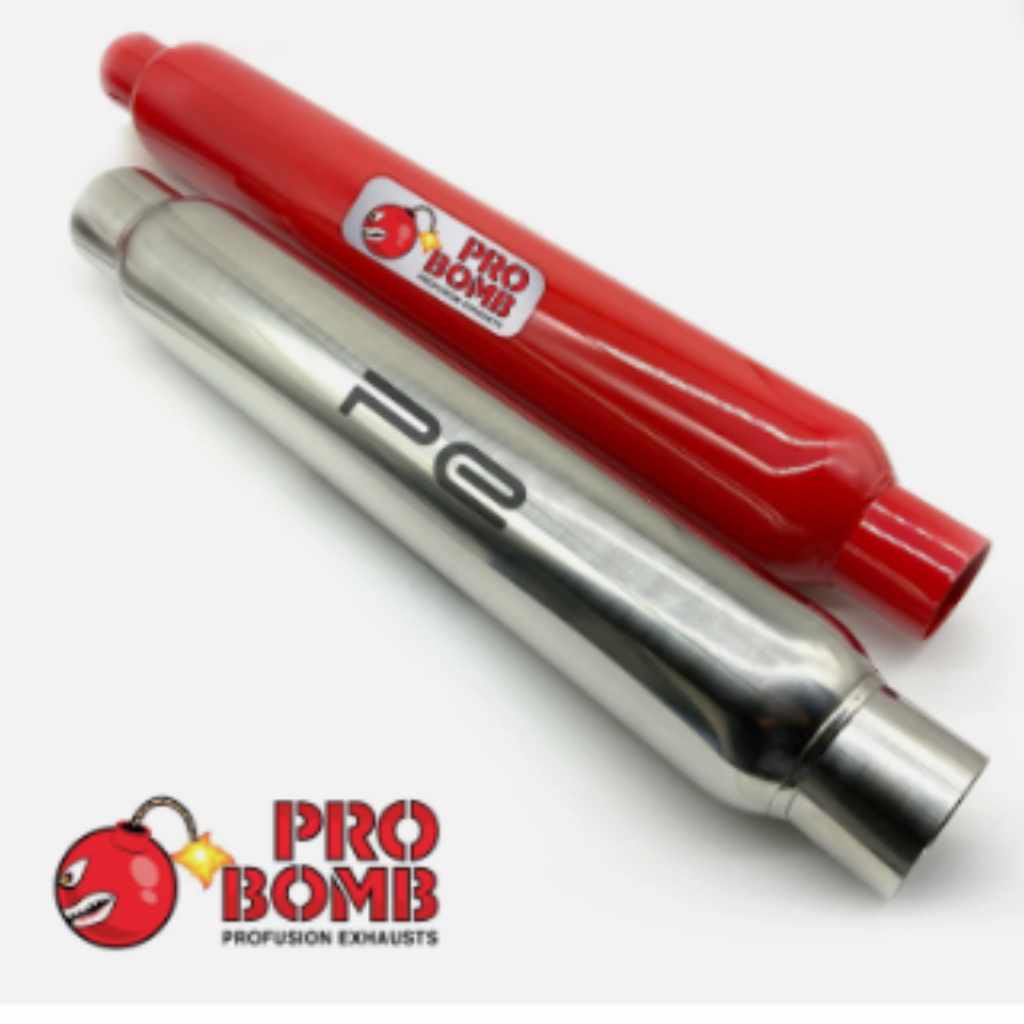
Cherry Bomb mufflers are a specific type of exhaust component known for producing a loud, aggressive sound. Their popularity stems from this characteristic sound, often desired by those looking for a more pronounced engine note. However, the legality of any exhaust system, including Cherry Bombs, hinges on a variety of local, state, and federal regulations concerning noise pollution and emissions. Understanding these laws is key to avoiding costly tickets or even vehicle impoundment. This guide will break down the factors that determine if your Cherry Bomb exhaust is compliant with current regulations.
Federal Regulations and Emissions
At the federal level, the primary agency overseeing vehicle emissions is the Environmental Protection Agency (EPA). The Clean Air Act sets standards for vehicle emissions, and modifications that circumvent or defeat emissions control systems are generally prohibited. While a Cherry Bomb muffler itself is not an emissions control device, its installation could be problematic if it leads to the removal or alteration of catalytic converters or other emissions-reducing components.
The Role of Catalytic Converters
Catalytic converters are vital parts of a vehicle’s exhaust system. They are designed to convert harmful pollutants into less harmful substances before they are released into the atmosphere. Federal law, enforced by the EPA, strictly prohibits the removal or tampering of catalytic converters. If a Cherry Bomb exhaust system is installed in a way that requires the removal of the catalytic converter, it would be illegal under federal law. Many aftermarket exhaust systems, including some that might be paired with a Cherry Bomb muffler, are sold with disclaimers stating they are for off-road use only. This is often because they are not designed to work with or maintain the original emissions control equipment.
State and Local Noise Ordinances
Beyond federal emissions standards, the most common reason Cherry Bomb exhausts can run afoul of the law relates to noise ordinances. These regulations vary significantly from state to state and even from city to city. They typically set decibel limits for vehicle noise, often measured at a certain distance from the vehicle and at specific engine RPMs.
Decibel Limits and Measurement
Many jurisdictions have specific decibel limits that vehicles must adhere to. For example, a state might stipulate that a vehicle’s exhaust cannot exceed 95 decibels when measured at 50 feet. Enforcement of these laws can vary. Some police officers may issue citations based on their judgment of excessive noise, while others may use decibel meters to measure the sound output. Without proper modifications and potentially a resonator, Cherry Bomb mufflers are often inherently louder than stock exhaust systems, making them more likely to exceed these legal limits in many areas.
Common Violations and Penalties
Violating noise ordinances can result in citations, fines, and sometimes requirements to bring the vehicle into compliance. Repeated offenses can lead to more severe penalties. It’s essential to be aware of the specific noise regulations in your area.
Aftermarket Exhaust Systems and Cherry Bombs
Cherry Bomb is a brand of muffler, but it’s often used generically to describe a loud exhaust. When people refer to a “Cherry Bomb exhaust system,” they might mean just the muffler or a complete aftermarket exhaust kit that includes a Cherry Bomb muffler along with new piping, headers, and potentially other components. The legality of a complete system depends on all its parts.
“Off-Road Use Only” Disclaimers
Many aftermarket exhaust components are sold with “off-road use only” labels. This is a legal disclaimer used by manufacturers to protect themselves from liability. It signifies that the product may not comply with federal or state emissions or noise regulations and should not be used on public roads. While a muffler alone might not violate emissions laws, if it’s so loud that it violates noise ordinances, it’s still illegal for street use.
What to Look for in a Legal Aftermarket Exhaust
If you’re considering an aftermarket exhaust that you hope to keep street-legal, you should look for components that:
- Do not require the removal or alteration of catalytic converters.
- Are designed to meet or not significantly exceed local noise ordinance limits.
- Are often advertised as street-legal or emissions-compliant.
Many reputable manufacturers offer performance exhaust systems that balance improved sound and performance with legal compliance.
Modifying Your Exhaust System
Modifying a vehicle’s exhaust system can impact its legality in several ways. The primary concerns are noise and emissions.
The Impact of Muffler Deletion
Removing the muffler entirely, often referred to as a “muffler delete,” will almost certainly result in an exhaust system that is too loud to be legal in most places. The muffler’s main job is to reduce the sound produced by the engine’s combustion. Even a Cherry Bomb muffler, while designed to be louder than stock, is still a muffler. Its effectiveness in suppressing sound will be compared against legal decibel limits.
Other Exhaust Modifications
Other modifications can also affect legality:
- Resonators: Adding a resonator can help to reduce drone and lower the overall decibel level, potentially making a louder muffler more compliant.
- Piping Diameter: While less directly tied to noise or emissions, excessively large piping diameter might be part of a system that pushes noise limits.
- Header Design: Performance headers can change the exhaust note, and some designs might be more prone to being excessively loud.
Determining Legality in Your Area
The most reliable way to determine if a Cherry Bomb exhaust, or any exhaust modification, is legal in your area is to check local laws.
Where to Find Information
- Your State’s Department of Motor Vehicles (DMV) or equivalent agency: They often have information on vehicle equipment regulations, including exhaust noise and emissions.
- Local City or County Ordinances: These are frequently available online through government websites. Search for “noise ordinance” and your city/county name.
- Law Enforcement: While they enforce the laws, local police departments can sometimes provide general guidance on what is considered a violation.
Consulting with Professionals
If you are unsure about a specific product or modification, consulting with a reputable auto repair shop or an exhaust specialist is a good idea. They are often familiar with local regulations and can advise on compliant performance options.
Cherry Bomb Exhausts and the Law A Summary
So, to directly address Are Cherry Bomb Exhausts Legal? Laws Explained, the answer is conditional. A Cherry Bomb muffler, by itself, isn’t inherently illegal. Its legality depends entirely on whether the resulting sound output from your vehicle’s exhaust system complies with federal, state, and local noise ordinances, and whether its installation leads to any violations of emissions laws.
Emissions Compliance
Under federal law, any modification that removes or disables emissions control equipment, such as catalytic converters, is illegal for use on public roads. If your Cherry Bomb installation involves such modifications, it will be non-compliant.
Noise Compliance
The primary hurdle for Cherry Bomb mufflers and other loud exhaust systems is noise. Most jurisdictions have decibel limits for vehicle exhaust noise. If your Cherry Bomb setup makes your vehicle louder than these limits, it is illegal for street use. The loudness of a Cherry Bomb muffler is often a key reason for its appeal, but it is also the most common reason for it to be deemed illegal in many areas.
“Off-Road Use Only”
Products labeled “off-road use only” are a strong indicator that they may not meet street-legal standards. While you might choose to use such a product, doing so on public roads carries the risk of citations.
Frequently Asked Questions
Question: Can I get a ticket for my Cherry Bomb exhaust being too loud?
Answer: Yes, if your Cherry Bomb exhaust makes your vehicle’s noise level exceed local decibel limits or local noise ordinances, you can receive a citation and be fined.
Question: Do Cherry Bomb exhausts affect emissions?
Answer: A Cherry Bomb muffler itself does not directly control emissions. However, if its installation requires the removal or alteration of emissions control devices like catalytic converters, then it indirectly leads to an emissions violation.
Question: Are all Cherry Bomb mufflers illegal?
Answer: No, not all Cherry Bomb mufflers are automatically illegal. Their legality depends on the specific noise levels they produce in combination with the rest of your exhaust system and whether they comply with local noise ordinances.
Question: What happens if I install a Cherry Bomb exhaust that’s illegal?
Answer: You could face fines, be required to remove the illegal exhaust and reinstall a compliant one, and potentially have your vehicle impounded for repeat offenses.
Question: Can I use a Cherry Bomb muffler for off-road use legally?
Answer: Yes, for off-road racing or private property use where noise regulations do not apply, a Cherry Bomb muffler is generally permissible. The restrictions apply to public roads.
Final Thoughts
Deciding whether a Cherry Bomb exhaust is legal for your vehicle involves looking at both noise and emissions. While the iconic sound is appealing, it’s crucial to prioritize compliance with federal, state, and local laws. Always verify that any exhaust modification doesn’t involve removing or tampering with catalytic converters, as this is a strict federal violation. Furthermore, research your local noise ordinances to ensure your vehicle’s sound output remains within legal decibel limits. Many aftermarket parts come with disclaimers for off-road use only, which serves as a warning about potential legal issues on public roads. If you’re aiming for a louder exhaust note that’s still street-legal, look for systems designed with compliance in mind, possibly including resonators, and consult with exhaust professionals. Making informed choices ensures you can enjoy your vehicle’s performance and sound without the worry of legal trouble.