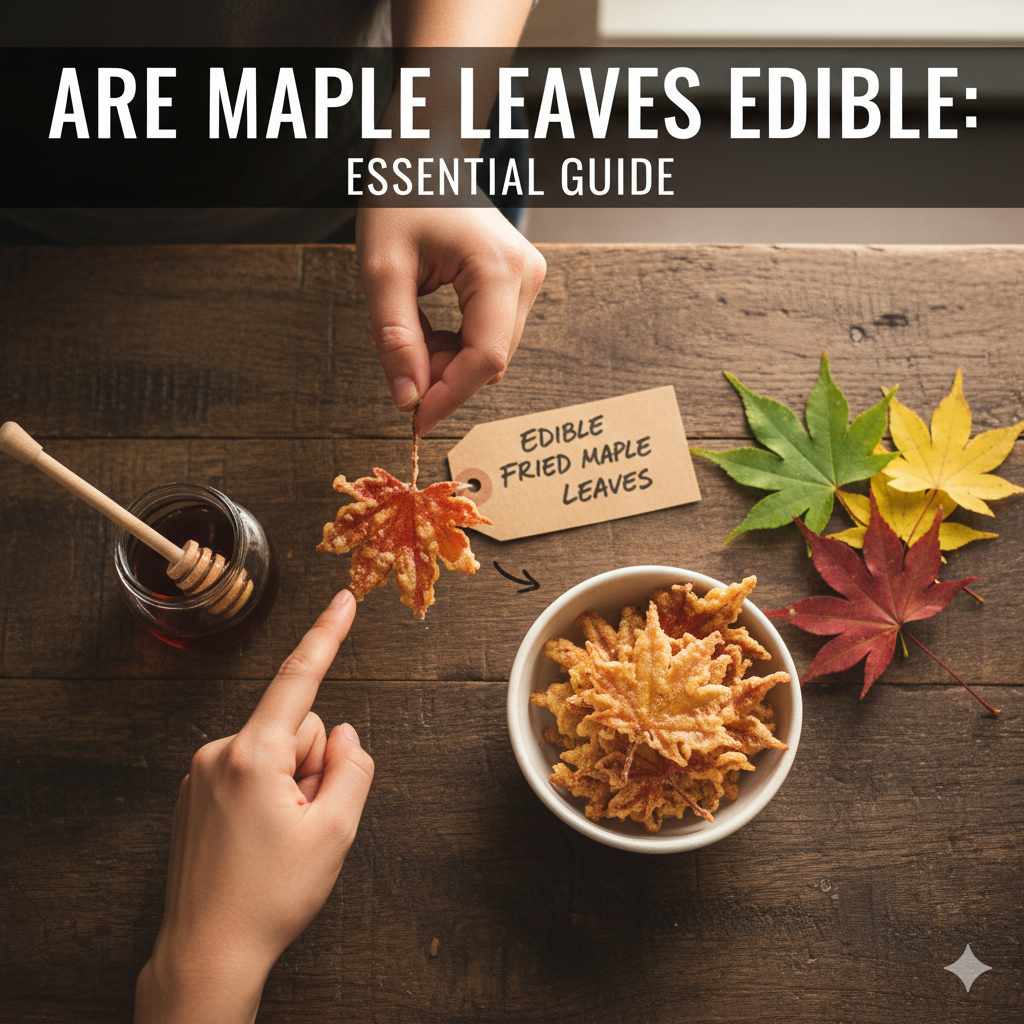
Are Maple Leaves Edible: Essential Guide
Yes, maple leaves are edible when young and prepared correctly! While often overlooked, these vibrant leaves can be a safe and surprisingly nutritious addition to your foraging diet. This guide will explore various maple species, preparation methods, and safety tips to help you confidently try this unique food source.
The crisp autumn air fills our lungs and paints the trees in stunning hues of red, orange, and yellow. Among these fiery spectacles, the iconic maple leaf stands out. It’s a symbol of nature’s beauty and often a familiar sight in our backyards. But have you ever paused and wondered, “Are maple leaves edible?” It’s a natural curiosity, especially as we often associate foraging seasons with berries, mushrooms, or nuts. While it might sound a bit unusual, the answer is a resounding yes! Many maple species’ leaves are edible, offering a unique foraging opportunity. Don’t worry if you’re new to this; we’re going to break it all down, making it super simple and safe. We’ll cover everything from identifying the right kind of maple to preparing them in ways that are actually quite tasty. Get ready to discover a new facet of the natural world around you!
Understanding Maple Species for Edibility
When we talk about edible maple leaves, not all maples are created equal. The good news is that most common species found in North America and Europe are generally considered safe to eat, provided they are harvested correctly and prepared properly. It’s still important to be able to identify them, though.
Common Edible Maple Varieties
Most of the widely recognized maple tree species are considered edible, with slight variations in taste and texture. Here are a few you’re likely to encounter:
- Sugar Maple (Acer saccharum): Famous for its sap used in maple syrup production, its young leaves are tender and have a delicate flavor.
- Red Maple (Acer rubrum): Known for its brilliant red fall color, young red maple leaves are also edible and can be used in similar ways to sugar maple leaves.
- Silver Maple (Acer saccharinum): This fast-growing tree has leaves that are a bit more lobed. Its young leaves are edible, though some find them slightly more bitter than sugar or red maples.
- Boxelder Maple (Acer negundo): While technically a maple, its leaves are compound (unlike the typical single palmate leaf of other maples). Young boxelder leaves are edible, but foraging experts often recommend focusing on the more common palmate-leaved maples for a milder flavor.
It’s always best practice to confirm the identity of any plant you intend to consume. If you’re unsure, it’s safer to err on the side of caution and avoid eating it.
What to Look For: Young vs. Old Leaves
The key to edible maple leaves lies in their age. Just like with many other edible plants, it’s the young, tender shoots and leaves that are most palatable and digestible.
- Young Leaves: Look for leaves that have recently emerged in the spring. They will be soft, pliable, and a lighter shade of green. These are the best for cooking and eating raw. They tend to have a milder, slightly sweet, or neutral flavor and a tender texture, similar to spinach or lettuce when cooked.
- Mature Leaves: As the season progresses, maple leaves become tougher, more fibrous, and can develop a more bitter taste. Older leaves are generally not recommended for consumption.
Think of it like asparagus or rhubarb. You harvest them when they’re young and tender for the best flavor and texture. Maple leaves follow the same principle.
Identifying Maple Leaves: A Beginner’s Guide
Before you even think about tasting a maple leaf, you need to be sure it’s actually a maple and that it’s one of the generally edible varieties. Maple trees are quite distinctive, but learning a few key features will boost your confidence.
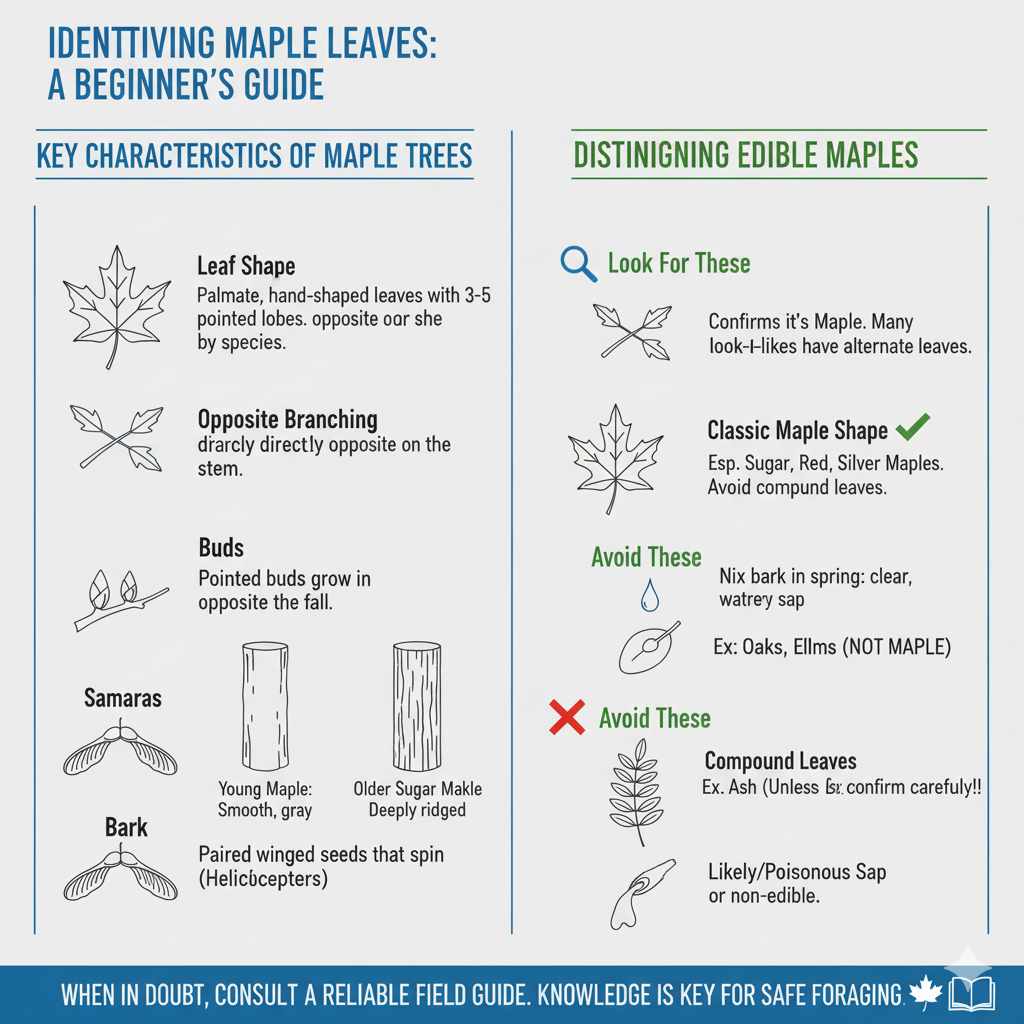
Key Characteristics of Maple Trees
Maple trees are known for several recognizable traits:
- Leaf Shape: The most iconic feature is their palmate, or hand-shaped, leaves. They typically have 3 to 5 lobes with pointed tips. The number of points and the depth of the cuts between them can vary by species. For example, sugar maples usually have 5 lobes, while red maples often have 3 to 5, and silver maples have deeply cut lobes.
- Opposite Branching: A good rule of thumb for maples is that their leaves grow in pairs directly opposite each other on the stem. This is a key identification feature that sets them apart from many other trees whose leaves are arranged alternately.
- Buds: Maple buds are also distinctive. They are typically pointed and grow in opposite pairs.
- Bark: The bark’s appearance can vary significantly with age and species. Young maples have smooth, gray bark, while older sugar maples develop deeper furrows and ridges. Red maples tend to have smoother, lighter gray bark even when mature.
- Samaras (Helicopters): In the fall, maple trees produce their characteristic winged seeds, often called “helicopters” or “whirlybirds.” These are usually paired and spin as they fall.
Distinguishing Edible Maples from Non-Edible Trees
While most common maple species are edible, it’s crucial to avoid mistaking them for other trees that might look similar but are not edible or could even be poisonous. Pay close attention to these differentiating features:
- Leaf Arrangement: Remember the opposite branching characteristic of maples. Many other trees, like oaks or elms, have alternately arranged leaves.
- Leaf Shape: While other trees might have lobed leaves, the classic maple shape, especially on sugar, red, and silver maples, is quite unique. Be cautious of trees with compound leaves (many leaflets on one stem) unless you are certain it’s an edible species like the boxelder, and even then, proceed with confirmed identification.
- Sap: If you make a small nick in the bark of a maple tree in late winter or early spring, you’ll see a clear, watery sap. The sugar maple produces a sweet sap ideal for syrup. While tasting sap is a way to confirm a maple, it’s also a good time to look for other identifying features.
When in doubt, consult a reliable field guide such as “Edible Wild Plants” by John Kallas or use a reputable plant identification app. The Native Plant Society of Oregon is a great resource for native plant information, and their guides can be very helpful.
Preparing Maple Leaves for Consumption
Once you’ve confidently identified young, tender maple leaves, the next step is preparing them for your plate. Raw maple leaves can be a bit unpleasant due to their texture and sometimes subtle bitterness. Cooking, however, transforms them into a delicious and nutritious food.
Harvesting Your Maple Leaves
Timing and technique are everything when harvesting. You want to gather the most tender leaves at the right time of year.
- Best Time: Aim for early to mid-spring, just as the leaves are unfurling. They should be small, soft, and bright green.
- Where to Harvest: Choose leaves from trees growing away from roadsides or areas that might be sprayed with pesticides or pollution. Aim for trees in cleaner, more natural environments.
- How to Harvest: Gently pick the young leaves or leaf clusters. Avoid taking too many from a single tree to ensure its health and continued growth. A good rule of thumb is to take no more than 10% of the available young leaves from any given branch or tree.
- Washing: Thoroughly wash all harvested leaves in clean, cold water to remove any dirt, dust, or insects.
Cooking Methods for Maple Leaves
Cooking maple leaves is similar to preparing other leafy greens like spinach or kale. The tender young leaves can be cooked quickly to retain their nutrients and develop a pleasant texture.
- Boiling/Blanching: This is often the first step to soften the leaves and reduce any potential bitterness.
- Bring a pot of water to a boil.
- Add the washed young maple leaves and boil for 2-5 minutes, or until they are tender.
- Drain the leaves and rinse them with cold water to stop the cooking process.
- Sautéing: After blanching, or sometimes even directly if the leaves are very young and tender, you can sauté them.
- Heat a little oil or butter in a pan.
- Add minced garlic or shallots and sauté until fragrant.
- Add the blanched and drained maple leaves (or very young raw leaves).
- Cook for 3-5 minutes until tender and lightly wilted.
- Season with salt, pepper, and other desired spices. You can add a splash of lemon juice or vinegar to brighten the flavor.
- Incorporating into Dishes: Cooked maple leaves can be used like spinach or other cooked greens.
- Add them to omelets, scrambles, or frittatas.
- Mix them into pasta dishes or casseroles.
- Use them as a side dish, seasoned simply with salt, pepper, and a touch of olive oil or butter.
- Blend them into smoothies for an extra nutrient boost (though the flavor might be more noticeable here).
Using Maple Leaves as a Wrap
In some cultures, larger, blanched maple leaves are used as natural food wraps, similar to corn husks or grape leaves. The leaves are blanched to make them pliable and then used to enclose fillings like rice, grains, or seasoned vegetables before being steamed or baked.
- Blanch several larger maple leaves until they are very soft and flexible.
- Lay a leaf flat, place your filling in the center, and fold the sides over to create a compact parcel.
- Steam or bake these parcels until the filling is cooked through.
Nutritional Value and Safety Considerations
Foraging for food can add a unique and healthy dimension to your diet, but safety is always the top priority. Maple leaves, when prepared correctly, offer some good nutritional benefits.
Nutritional Profile of Maple Leaves
While comprehensive nutritional data for edible maple leaves is not as extensive as for common vegetables, studies and traditional knowledge suggest they are a good source of certain nutrients.
| Nutrient | General Presence | Potential Benefits |
|---|---|---|
| Vitamins | Contain Vitamin A, Vitamin C, and some B vitamins. | Support vision, immune function, and energy metabolism. |
| Minerals | May provide potassium, calcium, and magnesium. | Contribute to blood pressure regulation, bone health, and muscle function. |
| Fiber | A source of dietary fiber. | Aids digestion and promotes gut health. |
| Antioxidants | Likely contain various antioxidant compounds. | Help protect cells from damage caused by free radicals. |
It is important to note that the exact nutritional content can vary based on the maple species, soil conditions, and the age of the leaf at harvest.
Potential Risks and How to Avoid Them
While generally safe, there are crucial safety considerations for foraging any wild food, including maple leaves.
- Misidentification: This is the biggest risk. Always be 100% certain of your identification before consuming any wild plant. Accidental ingestion of toxic look-alike plants can be very dangerous. Resources like the USDA Forest Service website offer identification guides for trees.
- Contamination: Maple trees growing in urban areas, along busy roads, or in agricultural fields may be exposed to pollutants, heavy metals, or pesticides. Only harvest from clean, uncontaminated sources.
- Allergies and Sensitivities: As with any new food, start with a small amount to test for any adverse reactions or allergies. Some individuals may be sensitive to certain compounds in plants.
- Digestive Upset: Eating large quantities of any unfamiliar wild food, especially if not properly prepared, can lead to digestive discomfort due to the fiber content or unfamiliar compounds.
- Preparation: Only consume leaves that are young and tender. Older, tougher leaves can be difficult to digest and may have a more unpleasant, bitter taste.
To stay safe, always follow the “if in doubt, throw it out” rule. Never consume a plant unless you are absolutely sure of its identity and edibility.
Exploring Maple Leaf Recipes and Uses
Once you’ve gotten over the initial hurdle of identifying and safely preparing maple leaves, you can start experimenting with them in the kitchen. Their mild flavor makes them versatile, allowing them to absorb the tastes of other ingredients.
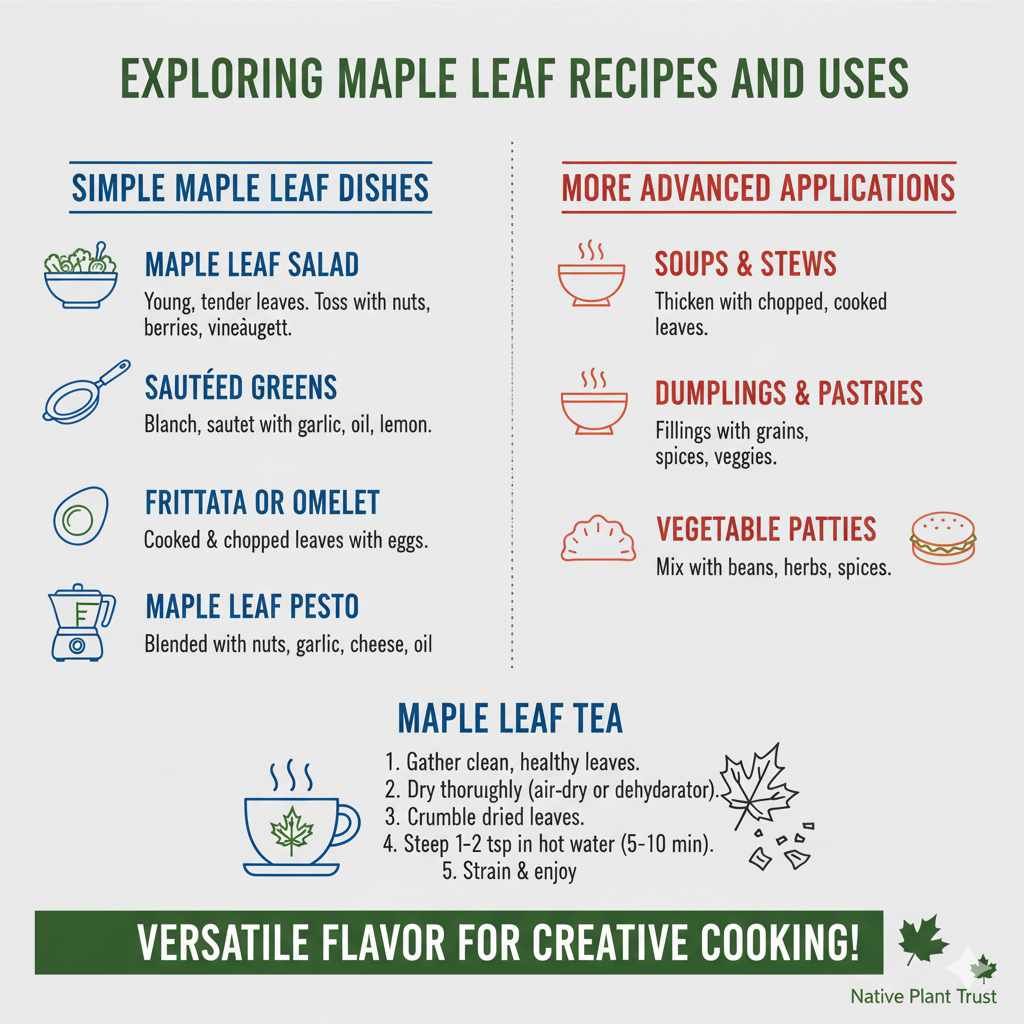
Simple Maple Leaf Dishes
Here are a few beginner-friendly ways to enjoy your maple leaf harvest:
- Maple Leaf Salad: Use very young, tender leaves that haven’t been cooked. Toss them with your favorite salad ingredients like nuts, seeds, berries, and a light vinaigrette. They can add a subtle green note.
- Sautéed Greens: This is perhaps the most common and straightforward use. Blanch the leaves, then sauté with garlic, olive oil, a pinch of red pepper flakes, and a squeeze of lemon juice. Serve as a healthy side dish.
- Maple Leaf Frittata or Omelet: Cooked and chopped maple leaves can be excellent additions to egg dishes. Sauté them with onions and mushrooms before adding your eggs for a nutritious breakfast or brunch.
- Maple Leaf Pesto: Blend blanched maple leaves with pine nuts (or walnuts), garlic, Parmesan cheese, olive oil, and a touch of lemon juice. Use this pesto on pasta, sandwiches, or as a dip.
More Advanced Culinary Applications
For those feeling more adventurous, maple leaves can be integrated into more complex dishes:
- Soups and Stews: Add chopped cooked maple leaves to thicken soups and stews and boost their nutritional content, much like you would with spinach or kale.
- Fillings for Dumplings or Pastries: Finely chopped cooked maple leaves can be combined with grains, spices, and other vegetables to create delicious fillings for savory pastries, ravioli, or dumplings.
- Vegetable Patties: Mix blanched and chopped maple leaves with mashed beans or grains, herbs, and spices to form patties that can be pan-fried or baked.
Maple Leaf Tea
Some traditions suggest that dried maple leaves can be used to make a tea. While the flavor might not be as robust as other herbal teas, it can be a mild, soothing beverage.
- Gather clean, healthy maple leaves.
- Dry them thoroughly. You can air-dry them by hanging them in a well-ventilated area or use a dehydrator on a low setting. They should be completely brittle.
- Crumble the dried leaves.
- Steep a teaspoon or two of the crumbled leaves in hot water for 5-10 minutes.
- Strain and enjoy.
Remember, the key to successful cooking with maple leaves is using them when they are young and tender, and preparing them adequately to ensure a pleasant taste and texture.
Frequently Asked Questions about Edible Maple Leaves
Here are some common questions beginner foragers have about eating maple leaves:
Q1: Are all maple leaves edible?
A1: While most common maple species are considered edible, it’s crucial to correctly identify the tree. Always focus on young, tender leaves harvested from confirmed edible species, and avoid leaves from trees near pollution sources.
Q2: When is the best time to harvest maple leaves for eating?
A2: The ideal time is early to mid-spring, shortly after they have unfurled. These young leaves are soft, tender, and have a milder flavor compared to older, mature leaves.
Q3: How do I identify a maple tree?
A3: Look for palmate, typically 3-to-5-lobed leaves (hand-shaped) and opposite branching, meaning leaves grow in pairs directly across from each other on the stem. In the fall, look for their characteristic “helicopter” seeds.
Q4: What do maple leaves taste like?
A4: Young, tender maple leaves have a mild, slightly sweet, or neutral flavor, often compared to spinach or lettuce when cooked. Older leaves can become more bitter and fibrous.
Q5: Can I eat maple leaves raw?
A5: While possible with very young, tender leaves, they are best cooked. Cooking softens their texture and reduces any bitterness, making them more palatable and digestible.
Q6: Are there any poisonous maple trees?
A6: Maple trees themselves are not generally considered poisonous in their common ornamental forms. The primary risk comes from mistaking a maple for a poisonous tree or harvesting leaves that have been contaminated with pollutants or sprays.