Can You Smoke With Maple Wood? Sugar Maple vs Red Maple
Yes, maple wood is safe and effective for smoking — it burns clean and produces a mild, slightly sweet smoke that won’t overpower delicate foods like fish or vegetables. The one exception: sugar maple and red maple aren’t interchangeable, since sugar maple is 1.5–2x denser and carries noticeably more natural sugar. This guide covers which maple species to buy, chips vs. chunks vs. pellets, and step-by-step smoking instructions.
Why Choose Maple Wood for Smoking?
Best Maple Smoking Wood Pick
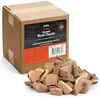
Camerons All Natural Maple Wood Chunks, 10lbs – $34.95
Kiln-dried sugar maple chunks — no soaking needed, just smolder them among hot coals the way this guide’s chunk-smoking steps describe.
- Best for: Longer charcoal or offset smoker sessions (1–3+ hours)
- Why we picked it: Matches the chunk-burn window and no-soak method this guide recommends
- Main drawback: Chunk sizes vary within the box, so smaller pieces burn out before larger ones
Compare more maple smoking wood options
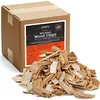 Option 1: Chips Camerons Maple BBQ Wood Chips, 5lbs – $24.95
|
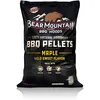 Option 2: Pellets Bear Mountain Maple Wood Pellets, 20lbs – $35.99
|
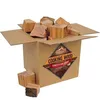 Option 3: Premium Smoak Firewood Maple Cooking Chunks, 8-10lbs – $42.56
|
As an Amazon Associate we earn from qualifying purchases.
Maple wood falls into the category of “mild” smoking woods, and that’s its advantage. Unlike stronger woods like hickory or mesquite that can dominate your food, maple provides a subtle, distinct smoky profile. This makes it forgiving for beginners and a versatile staple for anyone smoking meats, poultry, fish, and even vegetables. It’s a good starting point if you’d like the background on choosing and using wood for smoking more broadly before narrowing in on maple specifically.
Maple’s natural sugars caramelize during smoking, contributing to a golden-brown bark on meats and a touch of sweetness that’s never cloying. Here’s why home cooks and grill masters reach for it:
- Mild & Sweet: It imparts a delicate, slightly sweet, and nutty flavor. It’s not aggressive, making it perfect for foods where you want the natural taste of the ingredient to shine through.
- Versatility: Maple is a true all-rounder. It works on a wide range of foods, from pork and chicken to fish, vegetables, and even cheeses.
- Beautiful Color: It produces a light to medium smoke that gives foods an attractive golden-brown hue, often called “bark” in barbecue circles.
- Beginner-Friendly: Its forgiving nature means it’s harder to overdo. You’re less likely to end up with acrid, bitter smoke that ruins your meal.
- Pairs Well: It complements other flavors and rubs beautifully, acting as a supportive player rather than a lead singer.
Sugar Maple vs. Red Maple: Does the Species Matter?
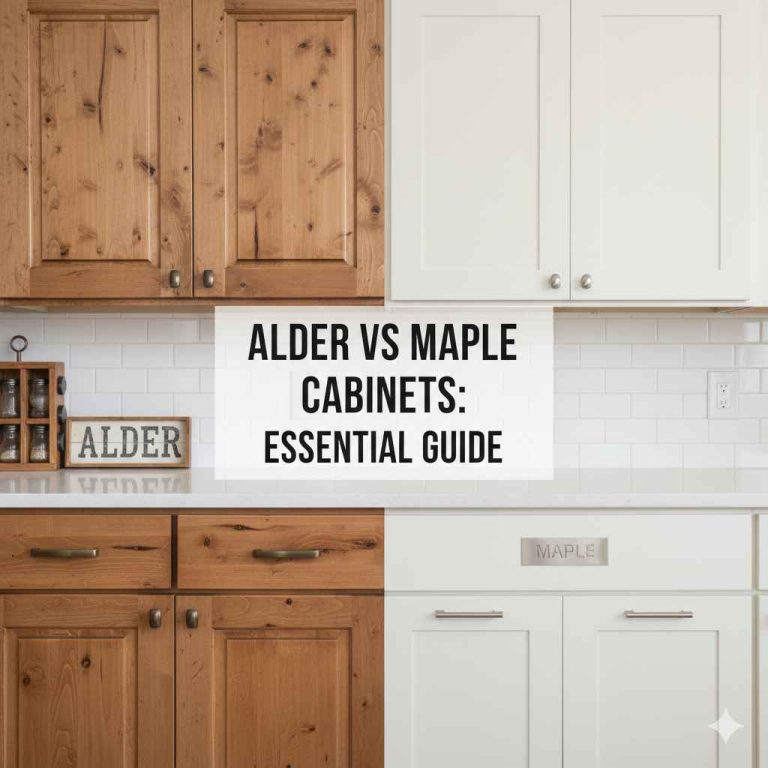
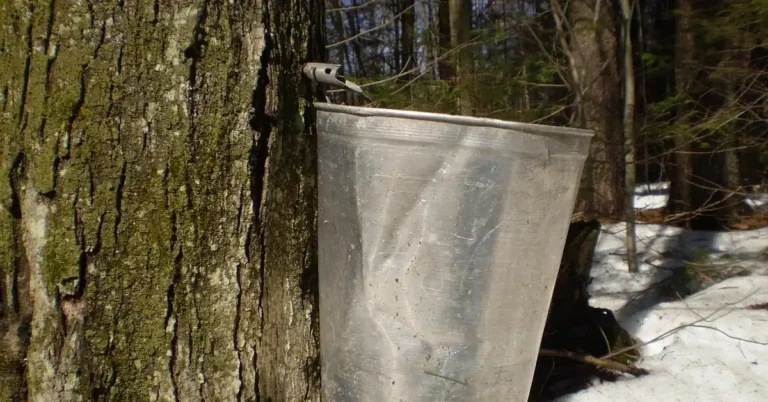
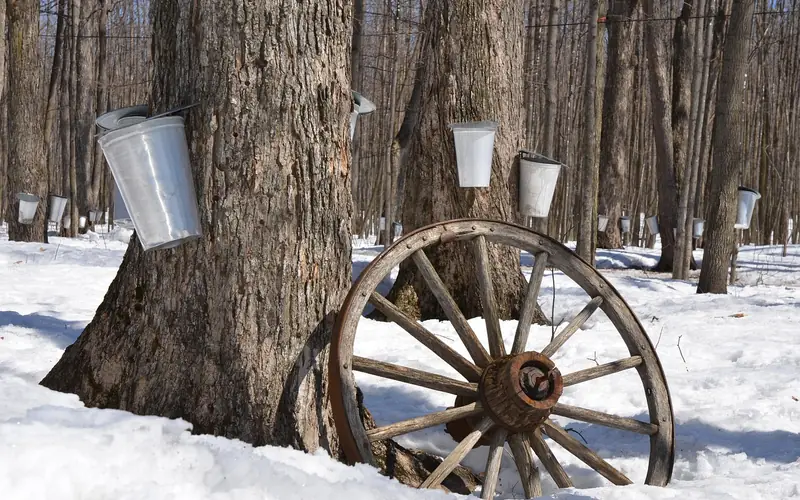
Sugar maple is a dense, hard maple species that is 1.5 to 2 times harder than red maple and carries a much higher sugar concentration in its sap — a 40:1 sap-to-syrup ratio compared to red maple’s 60:1, according to University of New Hampshire Extension. That extra sugar and density is exactly why sugar maple (also sold as “hard maple” or “rock maple”) is the species most smoking-wood brands specifically package, rather than a generic “maple” blend.
Practically, this means sugar maple chunks smolder longer and more evenly than softer red maple, and produce a slightly more pronounced caramelized-sugar note in the smoke — closer to what you’d expect from wood that also produces maple syrup. Red maple isn’t unsafe to burn, but if a bag or box doesn’t specify “sugar maple,” expect a milder, faster-burning result with less of that signature sweetness. Either way, buy from a bagged smoking-wood supplier rather than scavenging tree scraps — avoid wood from dead trees left on the ground (it can be moldy or insect-infested) and never burn painted, stained, or treated lumber, which releases toxic compounds when it smolders.
📊 Sugar maple is 1.5–2x harder than red maple and has a 40:1 sap-to-syrup ratio versus red maple’s 60:1 — Source: UNH Extension, 2024
Understanding Wood Types: Chips, Chunks, and Pellets
There are different forms of maple wood for smoking. Understanding these forms will help you choose the best one for your smoker and your cooking style.
1. Maple Wood Chips
Wood chips are small, uniform pieces of maple. They burn relatively quickly and produce smoke for a shorter duration, typically 10-30 minutes depending on their size and how they’re used. They’re excellent for quick smokes or when you need to add a burst of smoke flavor to grilling sessions. Because they burn fast, they’re often soaked in water (though some grillers prefer dry chips for more intense smoke) and placed directly into the coals of a charcoal grill or in a smoker box/foil packet on a gas grill. For more on the mechanics, see our guide on how to use wood chips in a smoker.
2. Maple Wood Chunks
Chunks are larger, irregular pieces of maple. They burn much longer than chips, releasing smoke for 1 to 3 hours or more. Chunks are ideal for longer smoking sessions where you need a consistent smoke output over an extended period. They are commonly used in charcoal smokers like the classic kettle grill, offset smokers, or kamado grills. You often place them directly among the coals to smolder slowly.
3. Maple Wood Pellets
Pellets are densified sawdust and other wood particles compressed into small rods. They are most commonly used in pellet grills and smokers, which are designed to automatically feed pellets into a fire pot for precise temperature control and smoke generation. Maple pellets provide a consistent, mild smoke flavor and are incredibly convenient for long, unattended cooks.
How to Smoke with Maple Wood: A Step-by-Step Guide
These five steps cover the basics for any smoker type, from choosing the right maple form to knowing when your food is done.
Step 1: Choose Your Maple Wood Form
Decide whether you’ll be using chips, chunks, or pellets based on your smoker type and the length of your cook:
- For Grilling (short bursts of smoke): Use Maple Wood Chips.
- For Long BBQ Sessions (on charcoal smokers): Use Maple Wood Chunks.
- For Pellet Grills: Use Maple Wood Pellets.
Step 2: Prepare Your Wood (If Necessary)
- Chips: Many people soak maple chips in water for about 30 minutes to an hour to prevent them from flaming up too quickly and to produce a more consistent smoke. However, some pitmasters prefer dry chips for a more intense initial smoke. Experiment to see which you prefer!
- Chunks: Chunks generally do not need soaking. You’ll want them to smolder rather than burn rapidly.
- Pellets: No preparation needed! Just load them into your pellet grill’s hopper.
Step 3: Prepare Your Smoker
This step is crucial for consistent results. Ensure your smoker is clean and ready to go. The method for adding wood will vary by smoker type.
- Charcoal Grills (Kettle, Barrel, etc.): If using chips, you can place them in a foil packet with a few holes poked in it, or directly onto the hot coals once they’ve mostly burned to an ash. For chunks, place them directly amongst the hot coals. You want the wood to smolder and produce smoke, not blaze up like a bonfire.
- Gas Grills: Place soaked wood chips in a smoker box or a tightly sealed foil packet with holes poked in the top. Place the box/packet over the heat source.
- Electric/Propane Smokers: These often have a dedicated wood chip/chunk tray. Follow your smoker’s manual for the best placement. You might use chips or small chunks here.
- Pellet Grills: Ensure the hopper is filled with your chosen maple pellets and fire up the grill to your desired temperature. The grill will manage the smoke production automatically.
For more detailed information on preparing your specific type of smoker, consult the manufacturer’s manual.
Step 4: Add Your Food and Smoke!
Once your smoker is at the target temperature and producing a nice, thin, blue smoke, add your food. The goal is thin, blue smoke – thick white smoke can be bitter. Maple wood should produce a pleasant, fragrant smoke when used correctly.
Maintain your smoker’s temperature consistently throughout the cook. For longer cooks, you may need to add more wood (chips, chunks, or pellets) as the previous batch burns out. Watch the smoke color, not the clock.
Step 5: Monitor and Enjoy the Flavor
The cooking time will vary greatly depending on the type and cut of food you’re smoking. Use a good meat thermometer to ensure your food is cooked to the proper internal temperature. Enjoy the delicious, mild maple smoke flavor that will infuse your meal.
What Can You Smoke with Maple Wood?
Maple wood is incredibly versatile. Its gentle flavor profile means it won’t compete with, but rather enhance, a vast array of dishes. Here are some of the best options:
Meats
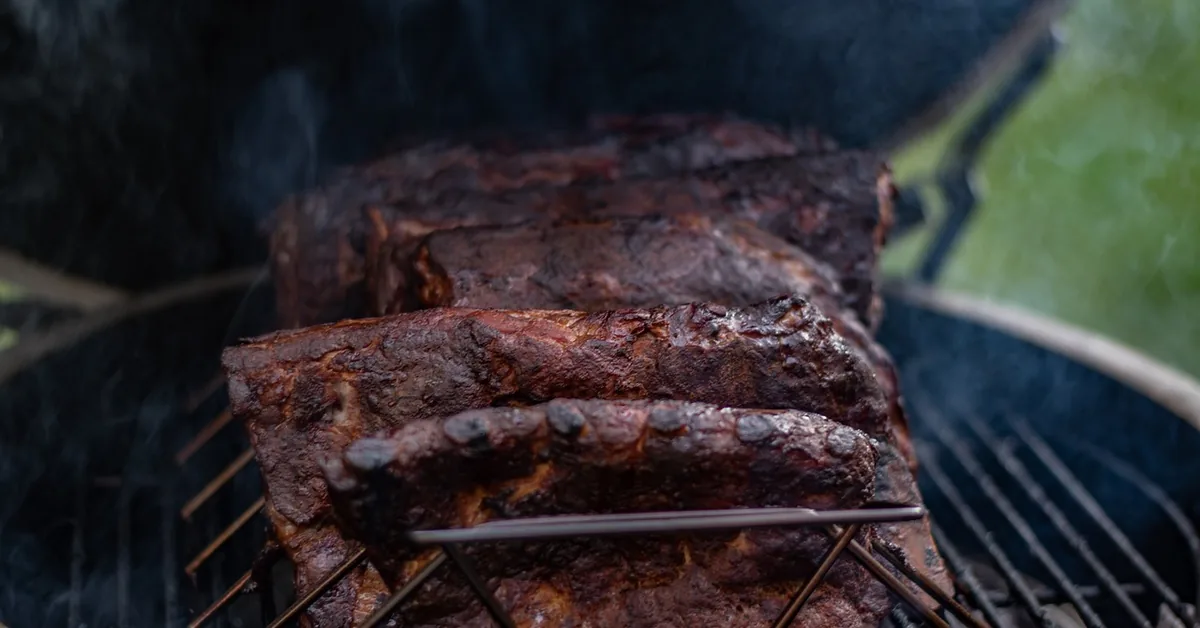
- Pork: Ribs, pulled pork, pork shoulder, pork chops – maple is a classic pairing for pork, offering a sweet smokiness that’s hard to beat.
- Chicken: Whole chickens, chicken thighs, and wings all take on a wonderful flavor from maple smoke. It’s especially good for poultry where you want the natural taste to come through.
- Beef: While stronger woods are often preferred for brisket, maple can provide a lovely subtle smoke for beef roasts, ribs, and even steaks.
- Bacon & Ham: Maple is a natural fit for cured and smoked pork products, enhancing their inherent sweetness.
Seafood
- Salmon: This is a match made in heaven! Maple smoke and salmon are classic partners, creating a delicate, flaky fish with a perfect smoky kiss.
- Other Fish: Try it with trout, cod, or even shrimp for a lighter smoky flavor.
- Scallops: A quick smoke with maple can add an incredible depth to grilled or smoked scallops.
Vegetables & Cheese
- Root Vegetables: Carrots, sweet potatoes, and parsnips turn wonderfully sweet and smoky.
- Asparagus & Brussels Sprouts: These veggies benefit from a touch of mild smoke.
- Corn on the Cob: A summer favorite, grilled or smoked corn with a hint of maple is superb.
- Hard Cheeses: Smoked cheddar, gouda, or even mozzarella can be fantastic. Be careful not to over-smoke or overheat cheese, as it can melt.
- Nuts: For a unique appetizer, try smoking nuts with maple.
Comparing Maple Wood to Other Popular Smoking Woods
To truly appreciate maple, it helps to see how it stacks up against some of the other common smoking woods. This comparison table can help you understand its unique place in your smoking arsenal.
| Wood Type | Flavor Profile | Smoke Color | Best For | Beginner Friendliness |
|---|---|---|---|---|
| Maple | Mild, slightly sweet, nutty, delicate | Light to medium | Poultry, pork, fish, vegetables, cheese | Very High |
| Oak | Medium, classic, robust but not overpowering | Medium | Beef (brisket, ribs), pork, large game animals | High |
| Hickory | Strong, classic barbecue flavor, bacon-like | Medium | Pork (ribs, pulled pork), beef, game birds | High |
| Mesquite | Very strong, earthy, intense | Medium to heavy | Beef (brisket, steak), game meats; often used for quick, high-heat grilling | Medium (can easily overpower food) |
| Apple/Cherry | Very mild, fruity, slightly sweet | Light | Poultry, pork, fish, baked goods | Very High |
As you can see, maple sits comfortably alongside other mild woods like apple and cherry, but offers a slightly more complex, nutty undertone thanks to its higher sugar content. It’s a fantastic bridge between the very subtle fruitwoods and more assertive oak or hickory, which makes it an excellent starting point for anyone venturing into smoking.
Tips for Maple Smoking Success
A few practical tips can take your maple smoking from good to great:
- Use Thin, Blue Smoke: This is perhaps the most important rule in smoking. Thick, white smoke is often a sign of incomplete combustion and can impart a bitter, acrid taste. Aim for a thin, wispy blue smoke. If your smoke is too thick and white, try adjusting your airflow or letting the wood burn a bit more before adding food.
- Don’t Overdo It: While maple is mild, you can still add too much. Start with a moderate amount of wood, and you can always add more if you feel it needs it. It’s easier to add smoke than to remove it!
- Soak or Not to Soak? (Chips): Soaking chips helps them smolder longer and produce smoke more consistently, reducing flare-ups. However, some argue that dry chips produce a more intense, initial smoke flavor. For maple chips, soaking for about 30 minutes is a great starting point for beginners.
- Know Your Smoker: Each smoker is different. Get to know how your specific smoker behaves, how it manages temperature, and how it handles wood. Read the manual, and don’t be afraid to perform test runs.
- Wood to Food Ratio: A good rule of thumb is to use about 2-3 chunks or a handful of chips for every hour of smoking for a standard charcoal grill. For pellet grills, refer to their usage guidelines.
- Safety First: Always handle hot coals and wood responsibly. Keep a fire extinguisher or water nearby, and ensure your smoker is on a stable, non-flammable surface. If using gas grills, ensure all connections are secure and check for leaks.
- Experiment: Don’t be afraid to try maple with different rubs, marinades, and foods. That’s where the real fun and learning happen!
Frequently Asked Questions About Smoking with Maple Wood
Is maple wood safe to smoke with?
Yes, maple wood is perfectly safe to smoke with. It’s a hardwood that burns cleanly and produces food-safe smoke when used correctly in a properly functioning smoker.
How much maple wood should I use?
For charcoal smokers, a good starting point is 2-3 chunks or a handful of soaked chips for every hour of cooking. For pellet grills, follow the manufacturer’s instructions for your specific model regarding hopper capacity and burn rates.
Do I need to soak maple wood chips?
Soaking maple wood chips for 30 minutes to an hour is a common practice that helps them smolder longer and produce more consistent smoke, reducing flare-ups. However, some prefer dry chips for a more intense initial smoke. It’s a matter of personal preference, so experiment to see what works best for you.
Can I mix maple wood with other woods?
Absolutely! Mixing wood types is a fantastic way to create unique flavor profiles. Maple pairs wonderfully with other mild woods like apple or cherry for a sweeter smoke, or can be blended with a bit of oak for a slightly more robust flavor without being overpowering.
What temperature is best for smoking with maple wood?
Maple wood can be used at a wide range of temperatures, but it’s particularly effective in the 200-275°F (93-135°C) range, which is typical for low-and-slow barbecue. It also performs well at higher temperatures for quicker smokes.
How do I know if I’m using too much maple wood?
If your smoke is thick and white, or if your food tastes bitter or overly “smoky,” you’re likely using too much wood, or the wood is burning too hot. Aim for thin, blue smoke and a pleasant aroma.
Does it matter if I use sugar maple or red maple?
Yes, somewhat. Sugar maple is denser and sweeter, so it burns longer and gives a slightly more pronounced caramelized flavor. Red maple works fine but burns faster and produces a milder result. If a product doesn’t specify the species, assume it’s a generic hardwood blend rather than pure sugar maple.
Conclusion: Maple Wood for Consistent, Balanced Smoke Flavor
Maple wood is a dependable choice for smoking, whether you’re a weekend griller or a regular backyard pitmaster. It delivers a balanced flavor that enhances food without demanding expert-level precision — just remember that sugar maple, not a generic blend, is what gives you the denser burn and sweeter smoke described in this guide.
Sponsored / affiliate links. As an Amazon Associate I earn from qualifying purchases. I may earn additional commission from eligible campaigns.