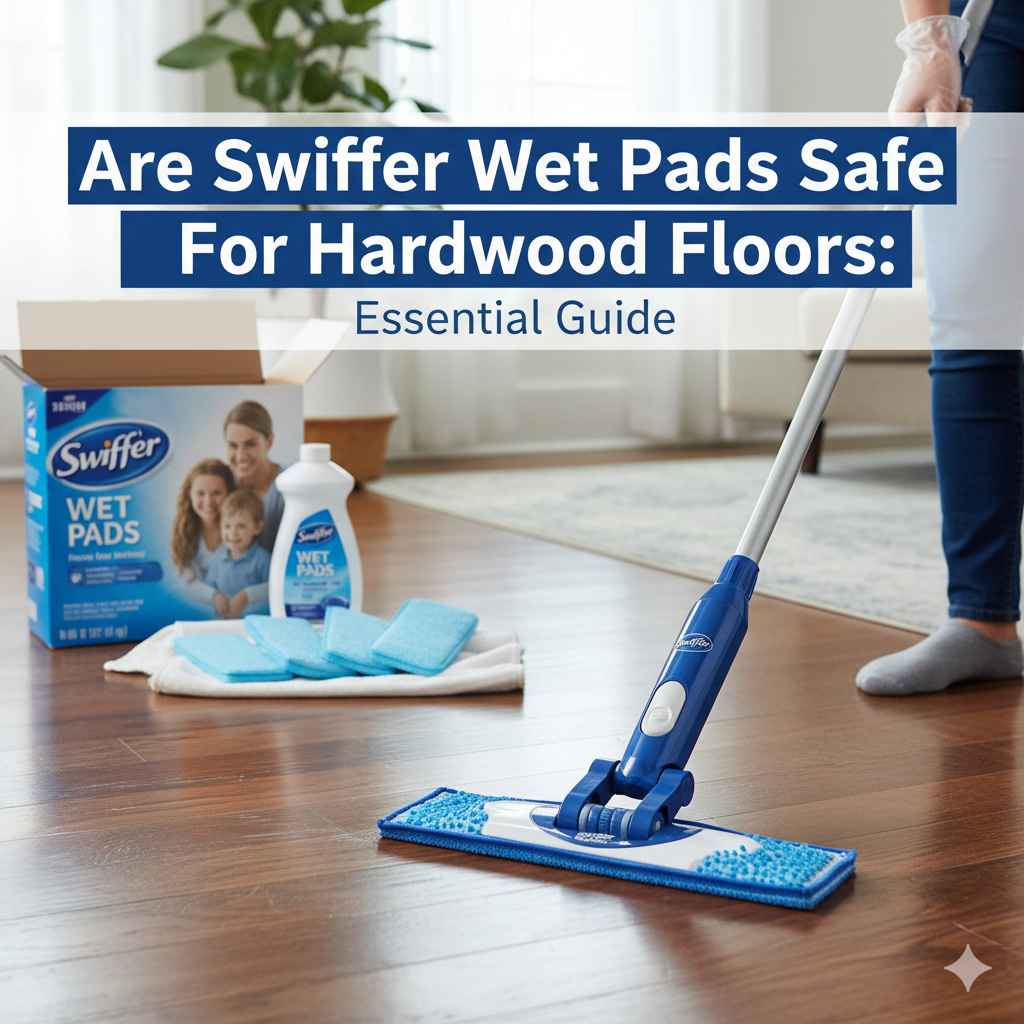
Are Swiffer Wet Pads Safe For Hardwood Floors: Essential Guide
Swiffer Wet Pads can be safe for sealed hardwood floors when used correctly and sparingly, but understanding their ingredients and your floor’s finish is crucial to avoid damage. Always test in an inconspicuous area first.
Hello there, fellow DIY enthusiasts and homeowners! Md Meraj here. Keeping our beautiful hardwood floors clean can feel like a real balancing act, can’t it? We want them sparkling, but we also want to protect that gorgeous wood. It’s a common worry: “Can I just use my Swiffer Wet Pad on my hardwood floors?” It’s a question many of us ponder when we see those convenient pads and think about tackling everyday messes. You want a quick solution, but not at the cost of damaging your investment. Don’t you worry, we’re going to break it down together, step-by-step. We’ll figure out exactly what you need to know to keep your floors looking their best, safely.
Understanding Your Hardwood Floors and Cleaning Pads
Before we dive into the nitty-gritty of Swiffer pads, let’s have a little chat about our hardwood floors. Think of your hardwood floor finish as a protective shield. It’s what keeps the wood itself safe from spills, scuffs, and general wear and tear. Most modern hardwood floors are finished with polyurethane, a durable, water-resistant coating. Other finishes exist, like wax or oil, but polyurethane is the most common for its longevity and ease of maintenance. Knowing your floor’s finish is the first and most important step in deciding which cleaning products are safe.
Now, about those Swiffer Wet Pads. They’re designed for convenience, offering a quick and easy way to mop up messes. They come pre-moistened with a cleaning solution. The key here is understanding what’s in that solution. While generally mild, some ingredients might not play nicely with certain floor finishes over time, especially if used too frequently or left to dry on the surface. We want to ensure our cleaning routine enhances our floors, not compromises them.
The Science Behind Floor Finishes
To truly understand why pad choice matters, let’s touch briefly on floor finishes.
- Polyurethane Finish: This is the most common type of finish for hardwood floors. It’s a clear, protective layer that sits on top of the wood. Polyurethane finishes are generally very durable and resistant to water, making them a good choice for high-traffic areas. There are two main types: water-based and oil-based. Water-based polyurethanes are known for their clear appearance and fast drying times, while oil-based ones tend to offer a warmer tone and can be slightly more durable but yellow over time, and take longer to cure. Most Swiffer Wet Pads are formulated to be safe for use on sealed floors, which usually refers to these polyurethane finishes.
- Wax Finish: Older homes or floors seeking a more traditional look might have a wax finish. Wax finishes penetrate the wood and create a softer, more natural sheen. They are less water-resistant than polyurethane and can be easily damaged by excessive moisture or harsh chemicals. Cleaning products that contain ammonia or strong solvents can strip away the wax, leaving the wood unprotected and dull.
- Oil Finish: Similar to wax, oil finishes penetrate the wood to protect and enhance its natural beauty. They offer a very natural look and feel. However, they require regular reapplication and are more susceptible to water damage and staining than polyurethane. Harsh cleaners can also degrade oil finishes.
The U.S. Environmental Protection Agency (EPA) offers guidance on maintaining home surfaces, including flooring. While they focus on health and safety, their recommendations often imply the type of products that are generally safe for sealed surfaces. You can find more information on product safety and material compatibility for floor care on reliable sources like the EPA’s website or through flooring manufacturer guidelines.
Are Swiffer Wet Pads Safe for Hardwood Floors? The Simple Answer
So, let’s get straight to it. For sealed hardwood floors, Swiffer Wet Pads can be safe when used appropriately. However, and this is a big “however,” it’s not a simple yes or no for every situation.
Swiffer Wet Pads, specifically the ones labeled for “wet mopping,” contain a cleaning solution. This solution is generally designed to be mild and effective on various sealed floor types. The key to safety lies in a few crucial factors:
- Your Floor’s Finish: As we discussed, the type of finish is paramount. If your floors have a polyurethane seal, Swiffer Wet Pads are generally okay for occasional use. If you have a waxed or oil-finished floor, you should avoid them entirely.
- Frequency of Use: These pads are fantastic for quick cleanups of spills or small messes. However, using them as your primary, everyday mopping solution can lead to a buildup of residue or, in some cases, strip certain finishes over time due to the cleaning agents.
- Proper Usage: It’s vital not to let the wet pad sit on the floor for too long. You want to mop and then allow the floor to dry quickly, rather than leaving pools of liquid.
Think of it this way: a quick dab of water won’t hurt your sealed floor, but soaking it is a bad idea. Swiffer Wet Pads are somewhere in between. They’re a convenient tool, but they’re not a substitute for a proper, deep clean with products specifically designed and recommended for hardwood floors by flooring manufacturers.
What’s in a Swiffer Wet Pad?
Curiosity is a great thing in woodworking and home care! Let’s peek at what’s typically found in a Swiffer Wet Pad cleaning solution. While the exact formula can vary slightly and Swiffer doesn’t always publicize every single ingredient, they are generally water-based and contain:
- Water: The primary component, acting as the solvent.
- Cleaning Agents (Surfactants): These are the ingredients that help lift dirt and grime from the floor. They are usually mild and designed to be effective without being overly harsh.
- Solvents: Help to dissolve greasy or oily residues.
- Preservatives: Prevent the liquid from spoiling in the packaging.
- Fragrance: To leave a pleasant scent.
- pH Adjusters: To maintain the ideal pH level for cleaning and safety.
The crucial point is that these cleaning agents are formulated to be relatively neutral. They aren’t designed to strip finishes or leave heavy residue when used as intended. However, prolonged contact or using them on unfinished or improperly sealed wood could cause issues. For instance, if a floor isn’t fully cured after refinishing, moisture from the pad could potentially affect the new finish.
When Swiffer Wet Pads Might NOT Be Ideal
Here are situations where you should probably think twice before reaching for a Swiffer Wet Pad:
- Unfinished or Bare Wood: Absolutely not. These pads are far too wet and contain cleaning agents that will damage unprotected wood.
- Waxed or Oil-Finished Floors: As we’ve stressed, these finishes are delicate. The solution in Swiffer Wet Pads can strip wax and potentially react poorly with oil finishes.
- Newly Sealed or Refinished Floors: Many wood floor finishes, especially polyurethane, need a specific curing time (which can be days or even weeks) before they are fully hardened and resistant to moisture and cleaning agents. Using a wet pad too soon could leave marks or soften the finish. Always check your flooring manufacturer’s recommendations for the curing period.
- Floors with Water Damage History: If your floors have previously had issues with warping or buckling due to moisture, it’s best to err on the side of caution and use very minimal moisture when cleaning.
- When You Need a Deep Clean: For ingrained dirt, scuffs that have penetrated the finish, or a thorough sanitization, a dedicated hardwood floor cleaner and a properly wrung-out mop are usually more effective.
How to Use Swiffer Wet Pads Safely on Hardwood Floors
If you’ve determined your floors are sealed polyurethane and you want to use Swiffer Wet Pads for a quick clean, here’s how to do it the smart and safe way:
Step-by-Step Guide
- Identify Your Floor’s Finish: This is non-negotiable. If you’re unsure, consult your home’s documentation, ask the previous owner, or test a tiny, hidden spot with a damp cloth and see if it discolors or any finish comes off. If it does, avoid wet pads.
- Do a Spot Test: Always, always, always test the Swiffer Wet Pad in an inconspicuous area first. This could be in a corner, under a rug, or in a closet. Mop a small section and observe for at least 24 hours. Look for any dulling, discoloration, stickiness, or damage to the finish.
- Sweep or Vacuum First: Before using a wet pad, ensure your floor is free of loose dirt, dust, and grit. Use a soft-bristled broom or a vacuum cleaner with a hardwood floor attachment. This prevents you from just pushing abrasive dirt around, which can scratch the floor even with a damp cloth.
- Attach the Pad Correctly: Secure the Swiffer Wet Pad to your Swiffer mop head according to the product instructions.
- Mop in Sections: Work in small, manageable sections. Mop in a single direction with the grain of the wood.
- Don’t Let It Sit: The key is to keep the floor from being saturated. Mop a section and feather it out, or move on to the next section immediately. The goal is a lightly damp surface that dries within a minute or two.
- Avoid Over-Wetting: If the pad feels overly saturated, or if you see excess liquid pooling on the floor, stop. You can either wring out the excess from the pad (though they’re meant to be disposable!) or switch to a less damp method.
- Allow to Dry: Let the floor air dry completely. This should happen very quickly if you haven’t used too much liquid. Ensure there’s good air circulation.
- Dispose of the Pad: Once you’re finished, remove and discard the used pad.
- Follow Up (Optional but Recommended): For a truly clean and cared-for floor, consider a gentle hardwood floor cleaner specifically designed for your floor type for more regular or deeper cleaning.
This methodical approach ensures you get the convenience without the risk.
What to Do If You’re Unsure About Your Finish
If you find yourself scratching your head about your floor’s finish, here’s a good strategy:
- Check Product Labels: If you have leftover flooring material or samples, check for labels indicating the finish type.
- Consult Manufacturer Documentation: If you know the brand and approximate age of your flooring, you might be able to find specifications online.
- Contact a Professional: A local flooring expert or refinisher can often identify finishes by sight or with a small test.
- When in Doubt, Go Less Invasive: If absolute certainty is elusive, it’s always safer to stick to methods that use minimal moisture and pH-neutral cleaners specifically formulated for hardwood floors. A dry dust mop or a vacuum with a soft brush attachment is always safe.
The National Wood Flooring Association (NWFA) is an excellent resource for understanding different wood flooring types and their care. Their website can provide detailed insights into wood finishes and recommended maintenance practices for various applications.
Alternatives to Swiffer Wet Pads for Hardwood Floors
Sometimes, even with caution, you might decide that Swiffer Wet Pads aren’t your ideal solution. That’s perfectly fine! There are many excellent alternatives available that are specifically formulated for the care of hardwood floors. They offer peace of mind and tailored cleaning power.
Recommended Alternatives:
- pH-Neutral Hardwood Floor Cleaners: These are the gold standard. Brands like Bona, Bruce, and Armstrong offer cleaners specifically designed not to damage polyurethane finishes. They are typically water-based and formulated to dry quickly without residue. Always check that the product explicitly states it’s for sealed hardwood floors.
- Wood Floor Cleaning Solutions with Microfiber Mops: A separate mop and a dedicated hardwood cleaner give you the most control. You can apply the cleaner to the mop head (rather than spraying directly on the floor) or lightly mist the floor and then mop. Microfiber pads are excellent because they trap dirt effectively and don’t leave lint.
- DIY Gentle Cleaner (Use with Extreme Caution): For polyurethane-sealed floors, some people use a solution of a few drops of mild dish soap (like Dawn, known for its grease-cutting but can be stripped easily if too much is used) in a bucket of warm water, thoroughly wrung out of the mop. Another option is a very dilute solution of white vinegar and water (no more than 1/4 cup vinegar per gallon of water). HOWEVER, vinegar is acidic and can dull some finishes over time if used too frequently or too strong. Always test any DIY solution in an inconspicuous spot first and use a mop that is barely damp.
- Dry Mops or Microfiber Dust Mops: For everyday dust and light debris, a good quality dry microfiber dust mop is incredibly effective and completely safe for all types of wood floors.
Choosing a dedicated hardwood floor cleaner is often the most straightforward and safest bet for maintaining your floor’s finish and appearance for years to come.
Pros and Cons of Using Swiffer Wet Pads on Hardwood
To help you make the best decision for your floors, let’s weigh the advantages and disadvantages of using Swiffer Wet Pads.
Table: Pros and Cons of Swiffer Wet Pads on Hardwood Floors
| Pros | Cons |
|---|---|
| Convenience: Pre-moistened pads and a ready-to-use system make quick cleanups very easy. | Potential for Damage: The cleaning solution may not be suitable for all finishes, or can cause damage if used too frequently or left to dry. |
| Quick Fixes: Great for immediate cleanup of spills and small messes. | Residue Buildup: Over time, the solution can leave a dulling film on certain finishes, especially if not rinsed or if the floor isn’t otherwise cleaned properly. |
| Accessibility: Widely available in most stores. | Cost: Disposable pads can become expensive over time compared to reusable mop heads and concentrated cleaners. |
| Controlled Moisture (when used correctly): If you manage the dampness, it’s less moisture than a soaking wet mop. | Not for Deep Cleaning: They are not designed for removing heavy grime or deeply embedded stains. |
| Generally Safe for Sealed Floors: For most polyurethane-finished floors, they pose a low risk when used sparingly and correctly. | Unsuitable for Older Finishes: Incompatible with waxed, oiled, or unsealed wood floors. |
This comparison should give you a clearer picture of whether Swiffer Wet Pads fit into your hardwood floor care routine.
FAQ: Your Swiffer & Hardwood Questions Answered
Here are some common questions beginners have about using Swiffer Wet Pads on their beautiful hardwood floors, along with straightforward answers.
Q1: Can I use Swiffer WetJet solution on my hardwood floors?
The Swiffer WetJet solution is generally formulated for sealed floors, which includes most polyurethane-finished hardwood. However, it’s always best to check the specific product label for compatibility with hardwood and to perform a spot test in an inconspicuous area first. Avoid using it on waxed or oiled floors.
Q2: How often can I safely use Swiffer Wet Pads on my hardwood floors?
For optimal floor health, it’s recommended to use Swiffer Wet Pads only for occasional spot cleaning or quick wipe-ups of spills. Making them your primary daily or weekly mopping solution might lead to residue buildup or wear on the finish over time. For regular cleaning, a dedicated hardwood floor cleaner is usually a better choice.
Q3: My Swiffer pads seem to leave a film. What should I do?
A film or dull residue often means the cleaning solution is not fully evaporating or is leaving behind its components. Ensure you aren’t over-wetting the floor, mop in smaller sections, and allow the floor to air dry. If the problem persists, you may need to use a cleaner specifically designed for hardwood floors that does not leave a residue, or consider gently cleaning the floor with a solution recommended by your flooring manufacturer to remove the buildup.
Q4: Are Swiffer Sweeper dry cloths safe for hardwood floors?
Yes, the dry cloths for the Swiffer Sweeper are generally safe for hardwood floors. They are designed to trap dust, dirt, and hair effectively without using any liquid. They are an excellent tool for daily or frequent dusting and maintenance of your hardwood floors.