How to Remove Hair Dye from a Hardwood Floor
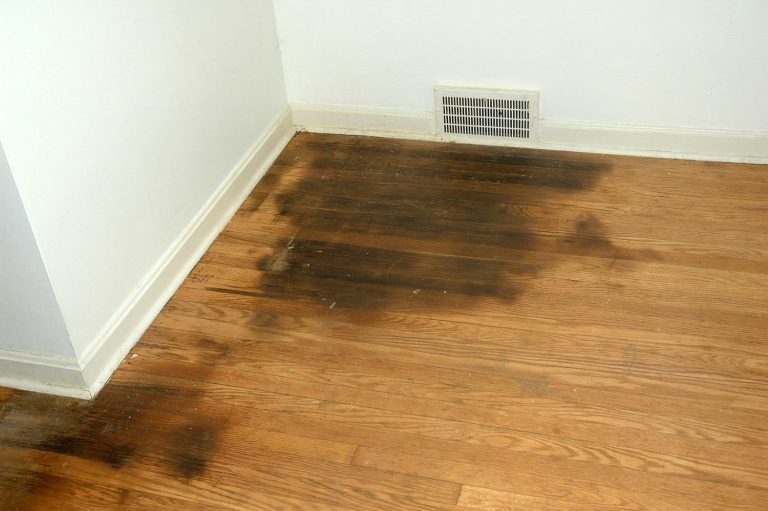
A hair dye spill on a hardwood floor is fixable in most cases, but the right method depends on two things: how long the dye has been sitting, and what kind of finish is on your floor. This guide covers fresh spills, dried stains, and the household products that actually lift dye without stripping your floor’s finish.
Know Your Floor’s Finish First
Surface-Safe Stain Lifter
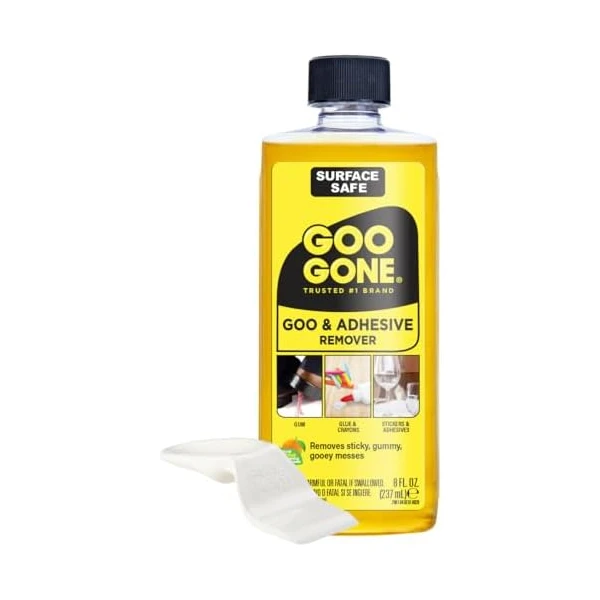 |
Goo Gone Original Liquid Adhesive Remover – $14.98 A citrus-based, surface-safe remover for dried dye and other stains that soap and water alone won’t lift on a sealed hardwood floor.
|
This is the step most guides skip, and it changes which cleaners are safe to use. Most hardwood floors installed since the 1970s have a polyurethane finish – a hard plastic-like coating sitting on top of the wood. Dye sits on the surface of a poly finish rather than soaking into the wood itself, which is good news: alcohol, mild soap, and surface-safe removers can lift the stain without touching the actual wood.
Older floors finished with wax or oil (linseed or tung oil) behave differently. Wax and oil finishes are more porous, so dye can soak in faster and rubbing alcohol can strip the wax itself, leaving a dull patch even after the stain is gone. If you’re not sure which finish you have, run a finger over the floor in an inconspicuous spot – a waxy residue that smudges means wax or oil, while a hard, glossy, scratch-resistant surface is polyurethane. On wax or oil finishes, start with the mildest option (dish soap and water) and re-wax the spot afterward rather than jumping straight to alcohol.
Removing a Fresh Hair Dye Stain
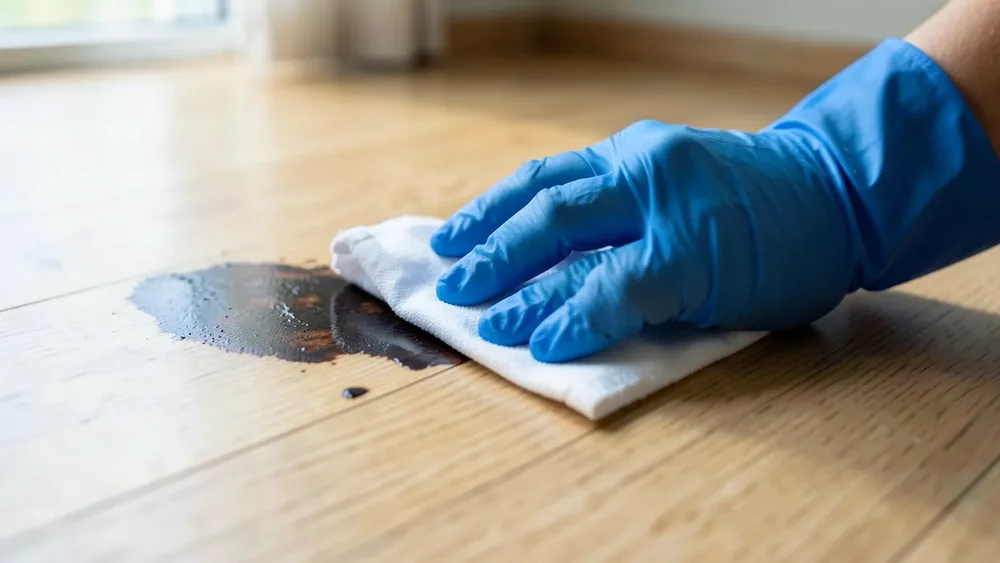
Speed matters here. A fresh spill hasn’t had time to bond with the finish, so gentle methods usually work.
- Blot immediately with a dry paper towel or cloth – press straight down, don’t wipe or rub, which just spreads the pigment further across the floor.
- Switch to a clean section of cloth as soon as color transfers onto it, so you’re not smearing dye back onto the floor.
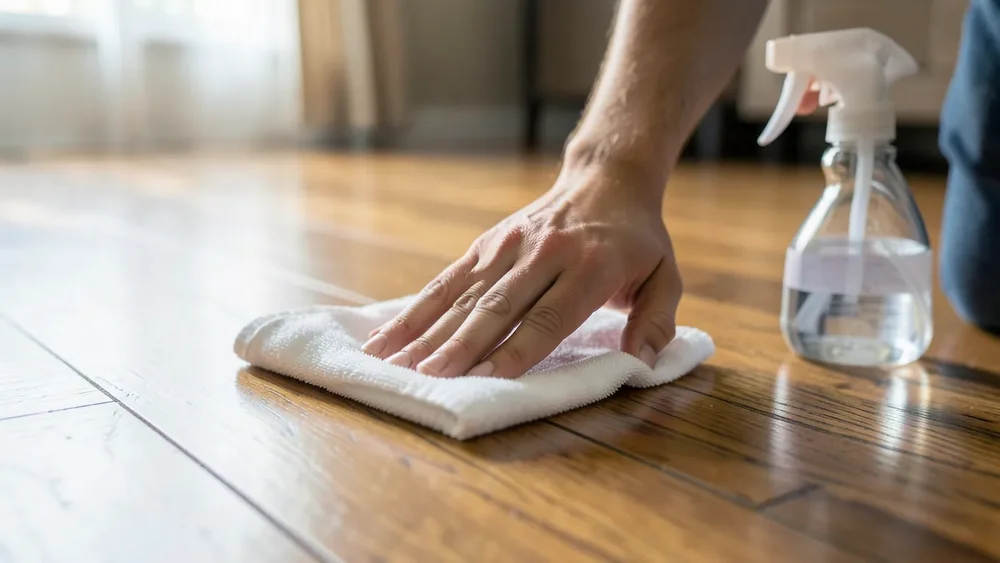
- Mix a few drops of mild dish soap into warm water, dampen a cloth (wrung out well, not soaked), and wipe the area.
- Rinse with a barely damp cloth and dry the spot immediately with a towel – standing water is what actually damages hardwood, not the dye itself.
Removing a Dried or Set-In Stain
Once dye has dried, soap and water alone usually won’t touch it. Work through these options from gentlest to strongest, testing each on a hidden spot first – inside a closet or under a rug edge works well.
Rubbing Alcohol (Polyurethane Finishes)
Isopropyl alcohol dissolves the pigment carriers in most hair dye without attacking a cured polyurethane finish. Dampen a cloth – don’t pour it directly on the floor – and rub the stain in small circles. Work in short passes and wipe with a dry cloth between attempts rather than scrubbing continuously, which can dull the finish’s sheen over time.
Baking Soda Paste
Mix baking soda with just enough water to form a thick paste. Baking soda is a very mild abrasive, gentle enough for wax and oil finishes where alcohol is riskier. Apply with a soft cloth, let it sit for 10 minutes, then wipe away with a barely damp cloth and dry the area.
A Surface-Safe Adhesive/Stain Remover
For stubborn, fully set stains on a sealed polyurethane floor, a citrus-based surface-safe remover formulated for hard surfaces can lift dye that alcohol alone won’t budge. Apply a small amount, work it in for no more than 30 to 60 seconds, then wipe clean and rinse the spot with a barely damp cloth – don’t let it sit longer than that, since prolonged contact can dull a finish just like alcohol can.
What Not to Do
- Don’t use bleach. It strips a finish’s protective coating and can permanently discolor wood, and it’s a poor stain lifter for hair dye pigments anyway.
- Don’t use steel wool or abrasive scouring pads. They scratch straight through a poly finish, which then traps dirt and dye even more easily next time.
- Don’t soak the floor. Standing water seeps into seams between boards and can cause cupping or warping – always dry the spot within a minute or two of applying any liquid.
- Don’t skip the hidden-spot test. A stronger cleaner can strip sheen from an aged finish even if it worked fine on a newer floor elsewhere in the house.
Restoring Shine After the Stain Is Gone
Cleaning a stain often leaves a slightly duller patch than the surrounding floor, especially after alcohol or a stain remover. A light pass with a wood floor polish made for your finish type (polyurethane-specific or wax-specific – check the label, they aren’t interchangeable) usually blends the spot back in. Apply in a thin, even layer with a soft cloth, working with the grain, and let it cure fully before walking on it.
If the spot was scrubbed hard enough to dull or scratch through the finish itself, a full polish won’t fix it – that requires a light sanding of the affected boards and a fresh coat of finish matched to what’s already on the floor.
Preventing the Next Spill
- Lay down a plastic sheet or old towel anywhere you mix or apply hair color, wide enough to catch drips well outside the immediate work area.
- Keep a damp cloth within reach while you work so a drip gets blotted in seconds, not minutes.
- Wear old clothes and gloves – most floor stains happen from a dripping sleeve or a dropped applicator bottle, not the dye bowl itself.
Frequently Asked Questions
How can I remove fresh hair dye from hardwood floors?
Blot the spill immediately with a clean cloth, then wipe with a mild dish soap and warm water solution. Rinse and dry the spot right away to keep water from sitting on the wood.
What household items remove hair dye stains on wood?
Rubbing alcohol works well on polyurethane-finished floors, and a baking soda paste is a gentler option safe for wax and oil finishes. Always test either one on a hidden spot first.
Is rubbing alcohol safe for hardwood floor stains?
It’s generally safe on a cured polyurethane finish when used in short passes and wiped dry afterward, but it can strip wax or oil finishes, so use baking soda paste instead on those.
Can hair dye permanently stain hardwood floors?
Yes, if it’s left to sit for days on a worn or unfinished spot, the pigment can penetrate into the wood grain itself. Cleaning within the first few hours dramatically improves your odds of full removal.
Conclusion
Most hair dye stains come off hardwood with nothing more than a damp cloth, mild soap, and a little patience – the key variables are how fresh the stain is and what finish your floor has. Work from the gentlest method up, always test on a hidden spot first, and dry the area promptly so water doesn’t cause its own damage.
Sponsored / affiliate links. As an Amazon Associate I earn from qualifying purchases. I may earn additional commission from eligible campaigns.