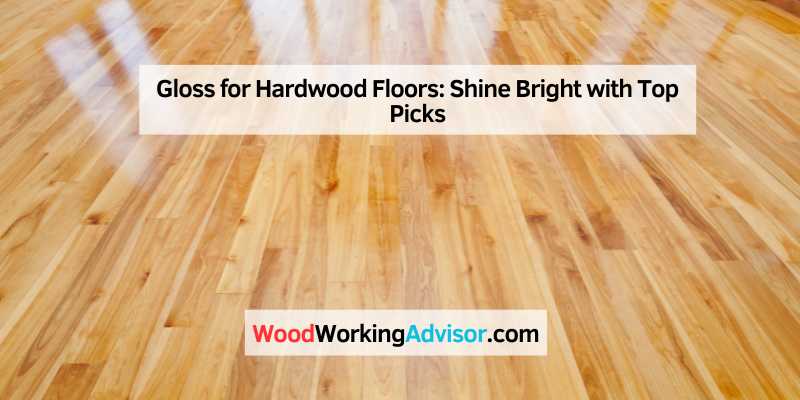
Best Gloss for Hardwood Floors (4 Sheen Levels Explained)
Polyurethane is the best gloss finish for hardwood floors — water-based formulas dry in 2-4 hours between coats and resist yellowing, while oil-based versions last longer in high-traffic areas but amber slightly over time. For a true high-gloss look (80%+ light reflection), plan on 3 coats with light sanding between the first and second coat. This guide covers the 4 sheen levels and what separates them, water-based vs. oil-based gloss, step-by-step application, and the top products available today.
Quick Answer
The best gloss for hardwood floors is a water-based polyurethane in semi-gloss (55-65% light reflection) or high-gloss (80%+) sheen. Apply 3 coats, wait 2-4 hours between each, and lightly sand with 220-grit after the first coat. Oil-based polyurethane lasts longer but takes 24 hours per coat to dry.
4 Gloss Levels for Hardwood Floors: What the Numbers Mean
Best Hardwood Floor Gloss Pick
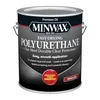
Minwax Fast Drying Polyurethane — Clear Gloss, 1 Gallon
An oil-based polyurethane in clear gloss sheen that has been a reliable choice for hardwood floors for decades. One gallon covers approximately 125 sq ft with 3 coats.
- Best for: High-traffic hardwood floors where long-term durability is the priority
- Why we picked it: Consistent, proven formula with genuine high-gloss sheen and excellent coverage per gallon
- Main drawback: Oil-based means 24-hour recoat time — a 3-coat job takes 3 days minimum
Compare more hardwood floor gloss options
 Option 1 Minwax Super Fast Drying Polyurethane — No Sanding Between Coats
|
 Option 2 Varathane Ultra Thick Floor Finish Semi-Gloss
|
 Option 3 Bona Mega Wood Floor Finish — Water-Based, Satin
|
As an Amazon Associate we earn from qualifying purchases.
Gloss level is a measure of light reflection, independent of the type of finish used. You can get any sheen level in either oil-based or water-based polyurethane — the chemistry controls durability, not the sheen. Here is how the four standard gloss levels compare on hardwood floors:
| Sheen Level | Light Reflection | Shows Scratches | Best For |
|---|---|---|---|
| Matte | 0-10% | Least | Homes with kids, pets, or heavy traffic |
| Satin | 25-35% | Low | Most residential floors (~70% of all installs) |
| Semi-Gloss | 55-65% | Moderate | Living rooms, dining rooms, formal spaces |
| High-Gloss | 80%+ | Most | Showrooms, foyers, low-traffic showcase rooms |
The higher the gloss, the more light bounces off the surface — which also means every footprint, dust particle, and scratch becomes more visible. High-gloss floors look spectacular when freshly cleaned but require daily maintenance to keep that mirror-like appearance. Satin, at 25-35% light reflection, accounts for approximately 70% of all hardwood floor installations in North America precisely because it strikes the balance between shine and practicality. For more on the visual differences between semi-gloss and high-gloss, see our detailed semi-gloss vs. high-gloss hardwood floors comparison.

Water-Based vs. Oil-Based Gloss for Hardwood Floors
Both water-based and oil-based polyurethane come in every sheen level from matte to high-gloss, so the choice here is really about drying time, odor, longevity, and color shift — not the gloss you can achieve. Here is how they compare across the factors that matter most:
| Factor | Water-Based | Oil-Based |
|---|---|---|
| Dry time between coats | 2-4 hours | 12-24 hours |
| Full cure time | 7 days | 30 days |
| Color shift over time | Stays clear | Ambering (warm yellow) |
| Odor during application | Low | Strong (solvent fumes) |
| Durability | Good (3-5 years high traffic) | Excellent (5-10 years) |
| Cleanup | Water and soap | Mineral spirits required |
For most DIYers wanting a high-gloss or semi-gloss hardwood floor, water-based polyurethane is the better choice: faster recoat times mean you can apply all 3 coats in a single weekend, and the clear finish preserves the wood’s natural color. Oil-based is the professional’s choice for high-traffic commercial floors or when a warm amber tone is wanted — oak floors often look richer with the slight yellowing oil-based poly adds over time.
How to Apply Gloss Finish to Hardwood Floors
Achieving a smooth, even gloss on hardwood floors takes preparation as much as product. A high-gloss finish amplifies every surface imperfection, so the prep work below is not optional — it is what separates a professional-looking result from a blotchy one.
- Sand to bare wood: Start with 60-grit sandpaper on a drum or orbital sander, moving with the grain. Progress to 80-grit and finish with 100-grit for a smooth, even surface that will hold the finish evenly.
- Vacuum and tack-cloth the floor: Remove all sanding dust with a vacuum, then wipe the entire surface with a tack cloth. Any remaining dust will create bumps in the finish that are impossible to fix without sanding down and recoating.
- Apply the first coat: Using a lambswool applicator or a quality synthetic pad (not a brush), apply a thin, even coat working with the grain. Thin coats level better than thick ones and are less likely to bubble or sag. Keep a wet edge and do not stop mid-board.
- Sand between first and second coat: Once the first coat is fully dry (2-4 hours for water-based, 24 hours for oil-based), lightly sand the entire floor with 220-grit sandpaper or a screen pad. This step removes any raised grain or dust nibs that cured into the first coat. Skip this on coat 2 to 3.
- Apply second and third coats: Apply two more thin coats following the same technique, letting each coat dry fully before the next. Three coats is the minimum for high-gloss; some professionals apply four for extra depth and durability.
- Allow full cure before traffic: Water-based polyurethane can handle light foot traffic in 24 hours, but full cure takes 7 days. Avoid rugs, furniture, and regular cleaning for the first week. Oil-based takes 30 days for full cure.
Maintenance Tips for Glossy Hardwood Floors
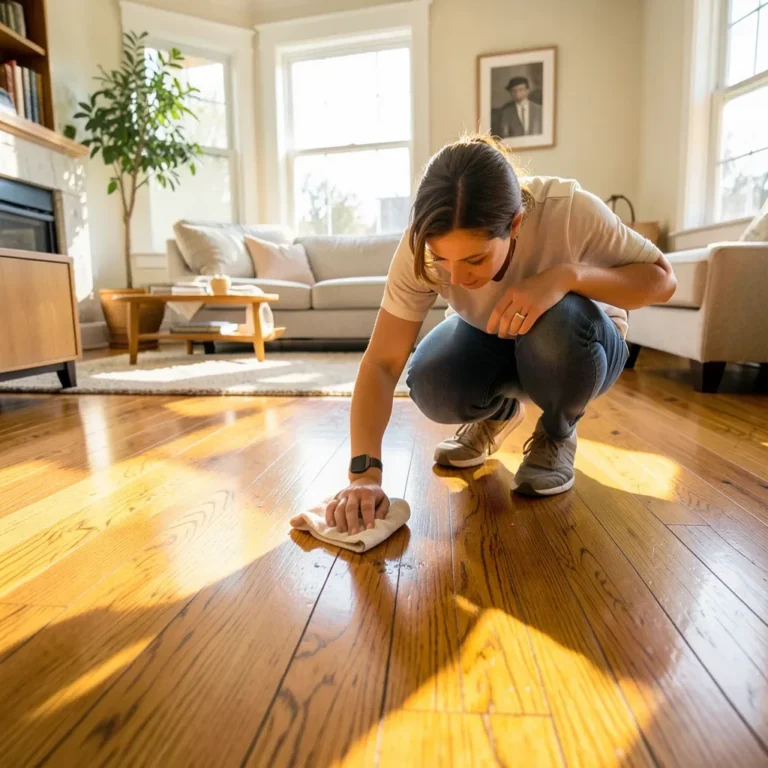
High-gloss and semi-gloss floors demand more frequent cleaning than matte or satin finishes because every footprint and dust particle is visible against the reflective surface. The good news: the right routine protects the finish and keeps it looking new for years.
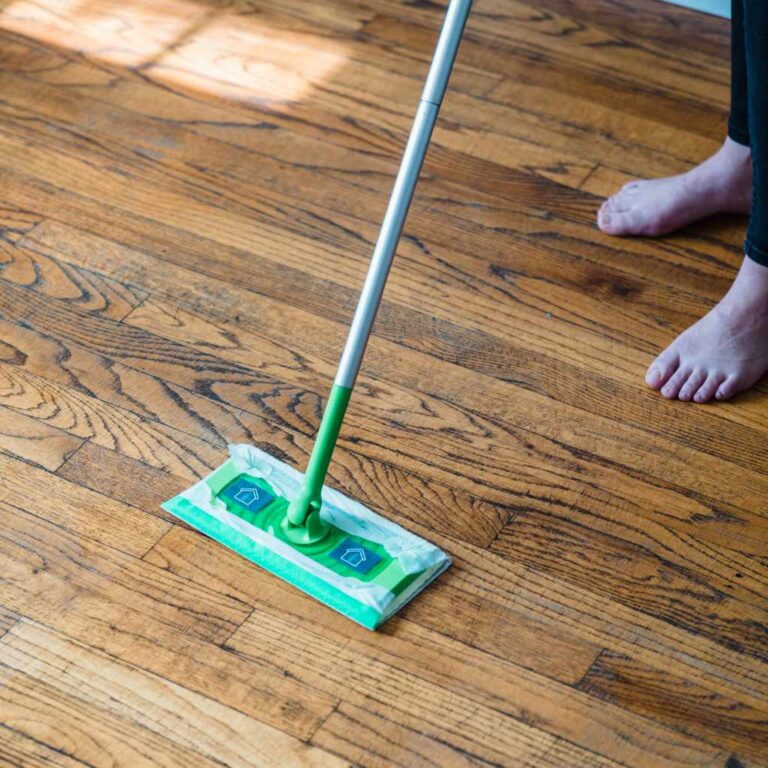
- Sweep or dust-mop daily in high-traffic areas. Use a microfiber dust mop rather than a broom — brooms spread fine grit that scratches gloss finishes over time.
- Damp-mop weekly with a pH-neutral hardwood floor cleaner. Never use water alone, vinegar, or steam mops — all three strip polyurethane gloss faster than normal wear.
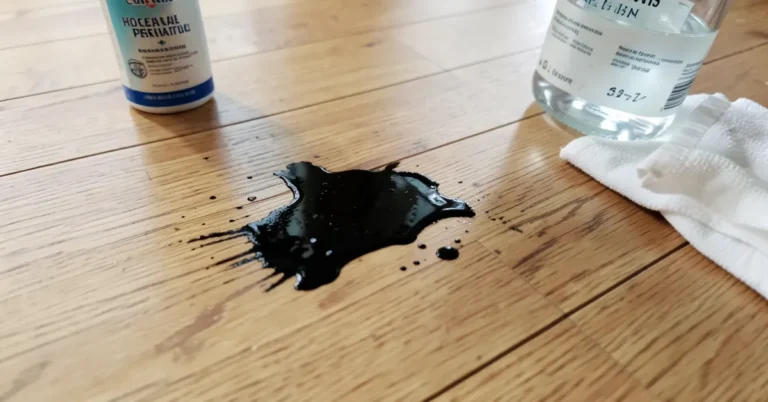
- Wipe spills immediately. Gloss polyurethane is water-resistant, not waterproof. Standing water or pet urine left for more than 10-15 minutes can penetrate seams and cause clouding or whitish hazing in the finish.
- Add felt pads to all furniture legs. Hard rubber or bare metal chair legs are the leading cause of scratch damage on gloss hardwood floors. Replace or add pads every 6 months.
- Avoid high heels and cleated shoes on high-gloss floors. A stiletto concentrates a person’s full body weight into a point less than 1 cm wide, enough to dent even polyurethane-hardened wood.
How to Deal With Scratches on Gloss Hardwood Floors
Surface scratches in the polyurethane layer (not the wood itself) can often be buffed out with a fine steel wool pad (0000 grade) and a fresh thin coat of polyurethane applied only to that area. Deeper scratches that reach the wood need a wood touch-up pen matched to the floor’s stain color, followed by a protective topcoat applied over the patch. For widespread scratching across the entire floor, a full screen-and-recoat (light buffing + one new polyurethane coat) typically restores the gloss without a complete refinish.
Eco-Friendly and Low-VOC Gloss Options
VOCs (volatile organic compounds) are the airborne chemicals responsible for the strong smell during polyurethane application. Standard oil-based polyurethane can contain 350-450 g/L of VOCs. Water-based polyurethane typically falls under 275 g/L, and low-VOC or zero-VOC water-based formulas are available under 100 g/L — nearly odor-free during application. If you are finishing floors in an occupied home with children, elderly residents, or anyone with respiratory sensitivity, a low-VOC water-based gloss is the responsible choice. Ventilate the room regardless — all polyurethane finishes emit some fumes during application and drying.
“In a room with limited ventilation, we have found that water-based low-VOC polyurethane is almost undetectable by smell after 6 hours, while oil-based finishes remain strong for 24-48 hours after application — a real practical difference for occupied homes.”
Frequently Asked Questions
What gloss level is best for hardwood floors?
Satin (25-35% light reflection) is the most popular gloss level for hardwood floors, used in approximately 70% of residential installations. It strikes the best balance between visible shine and practical maintenance. Semi-gloss (55-65%) is a better choice for formal spaces where aesthetics matter more than hiding everyday scuffs. Reserve high-gloss (80%+) for low-traffic areas or showcase rooms — it looks stunning but shows every footprint and scratch.
How do I make my hardwood floors more glossy?
To add gloss to existing hardwood floors without a full refinish, lightly sand the current finish with a screen pad, clean thoroughly, and apply 1-2 coats of polyurethane in your target sheen level. If the floors are badly scratched or the existing finish has completely worn through, a full sand-down to bare wood followed by 3 fresh coats of high-gloss polyurethane will give the best result. For a quick shine without refinishing, use a hardwood floor polish like Bona Hardwood Floor Polish in the gloss formula.
What are the pros and cons of high-gloss hardwood floors?
High-gloss hardwood floors (80%+ light reflection) look luxurious and reflect light to make rooms feel larger and brighter. They are also highly durable — a high-gloss polyurethane finish is the hardest protective layer available for hardwood. The trade-offs: they show every footprint, scratch, and speck of dust, requiring daily sweeping or dust-mopping to look their best. They are also more slippery than matte or satin finishes when wet. High-gloss works best in low-traffic rooms where appearances matter most.
How many coats of polyurethane do hardwood floors need?
Hardwood floors need a minimum of 3 coats of polyurethane for adequate protection, whether oil-based or water-based. The first coat raises the grain and seals the wood; the second builds the protective layer; the third creates the final gloss level. For high-traffic floors or a deeper, richer gloss appearance, 4 coats is common. Lightly sand with 220-grit after the first coat (not between coats 2 and 3) to remove any raised grain or dust nibs before the final coats.
How long does hardwood floor gloss take to dry between coats?
Water-based polyurethane dries in 2-4 hours between coats under normal conditions (65-75 degrees F, 40-60% humidity). Oil-based polyurethane requires 12-24 hours between coats. Full cure — when the finish reaches its maximum hardness and can handle furniture and rugs — takes 7 days for water-based and up to 30 days for oil-based. During the cure period, light foot traffic is fine after 24 hours, but avoid sliding furniture or placing rugs, which can leave impressions in the still-curing finish.
Choosing the right gloss for your hardwood floors comes down to two decisions: sheen level (how reflective you want the surface to be) and finish type (water-based for speed and clarity, oil-based for maximum durability). For most homes, a satin or semi-gloss water-based polyurethane in 3 coats delivers the best combination of appearance, durability, and practical upkeep. For more help choosing between all hardwood finish options, see our full guide to the best finish for hardwood floors.
Sponsored / affiliate links. As an Amazon Associate I earn from qualifying purchases. I may earn additional commission from eligible campaigns.